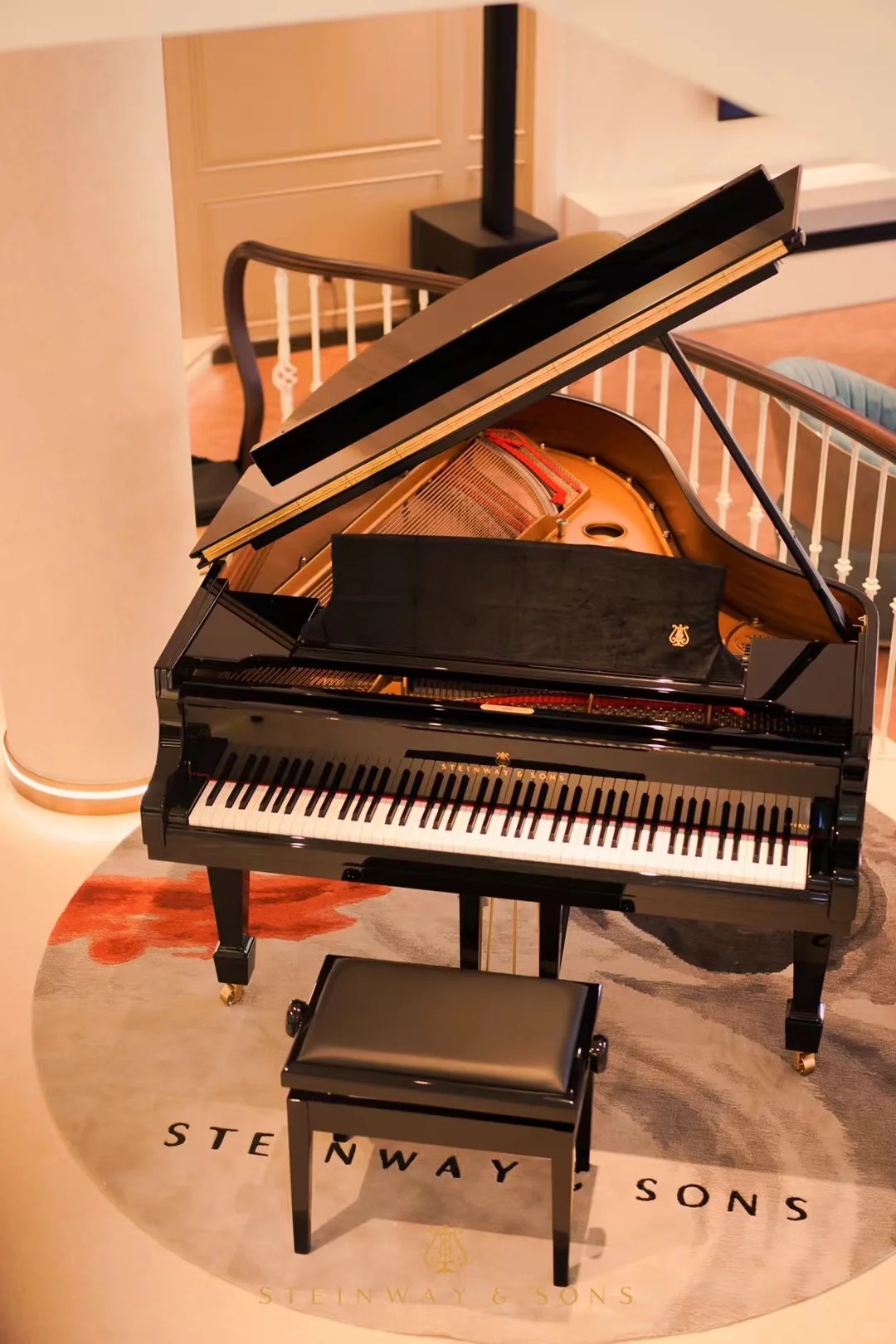
Selecting a grand piano is a profound decision that balances the poetry of acoustics with the precision of mechanics, the realities of space, and the considerations of a long-term investment. It is more than a purchase; it is the beginning of a partnership with an instrument that will shape your musical voice. This definitive guide, written from the perspective of an expert adviser in a premium piano salon, provides an objective framework for UK-based pianists, institutions, and collectors to navigate this journey with clarity and confidence.
Understanding the Grand Piano Market
The grand piano market is stratified by heritage, craftsmanship philosophy, and tonal ambition. Understanding this hierarchy is the first step in refining your search.
- Legendary Manufacturers: These are the names that define the pinnacle of the craft, often with centuries of legacy. Their instruments are built without compromise for the world’s greatest concert halls and most discerning private collectors. This tier includes Steinway & Sons (with distinct characters from their Hamburg and New York factories), the Bösendorfer of Vienna with its unique singing warmth and extended 97-key Imperial model, and the modern masterpiece that is Fazioli, renowned for its crystalline clarity and explosive power.
- Great European Heritage Houses: These brands represent the core of the European piano-building tradition, offering exceptional instruments with deeply individual characters. They include C. Bechstein (Berlin) with its brilliant, articulate tone, Blüthner (Leipzig) and its patented Aliquot stringing for added colour, along with Grotrian-Steinweg, Sauter, and August Förster.
- Precision & Excellence from Asia: Representing the highest echelons of technological precision and consistency. Yamaha’s CFX concert grand and S Series are fixtures on global stages, while Shigeru Kawai instruments blend meticulous hand-finishing with innovative materials like the Millennium III action for unparalleled touch control.
When purchasing, you will typically engage with manufacturer boutiques, authorised dealers, or certified pre-owned programmes. Authorised dealers, such as the piano salon at Thomann, Europe’s largest music retailer, offer a curated selection from multiple brands, providing a valuable opportunity for direct comparison alongside benefits like comprehensive warranties.
Core Selection Criteria – Beyond the Brand
The name on the fallboard is just the beginning. These four pillars will determine your instrument’s suitability for decades to come.
Size & Space: The Foundation of Sound
The length of a grand piano is the primary driver of its tonal potential. A longer string length and larger soundboard area produce a richer, more complex tone with greater sustain and dynamic range.
- Baby Grands (approx. 5’ – 5’7”): Ideal for smaller spaces like a London drawing room. Tone can be sweet but may lack the foundational bass of larger models.
- Medium Grands (approx. 5’8” – 6’7”): The versatile heart of the market. Models like the Steinway Model A or Bösendorfer 200 offer a remarkable balance of power and intimacy, suitable for advanced amateurs and professionals alike.
- Concert & Semi-Concert Grands (7’ and above): Instruments like the Steinway Model D or Fazioli F278 are engineered for projection and colour in large spaces. They require a significant room (or a concert hall) to allow their sound to develop fully.
Tonal Character & Signature: The Instrument’s Voice
Each manufacturer cultivates a distinct sonic personality through scale design, materials, and craftsmanship.
- American Projection (Steinway NY): Powerful, direct, with a robust bass and singing treble, built for clarity in large halls.
- European Refinement (Steinway Hamburg, Bechstein): A more nuanced, articulate voice with greater colour separation and a slightly brighter, clearer treble.
- Viennese Warmth (Bösendorfer): A lyrical, singing quality with a fundamental richness, often described as a « wooden » warmth, perfect for the classical and romantic repertoire.
- Japanese Clarity (Yamaha CFX, Shigeru Kawai): Exceptional precision, consistency, and a transparent tone that reveals every detail of the playing, favoured in modern recording and for contemporary works.
Action & Touch: The Connection to Expression
The action is the mechanical heart translating finger touch into hammer strike. A premium Renner action or Kawai’s Millennium III action, with flawless double escapement, allows for rapid repetition and exquisite dynamic control. The regulation (fine adjustment of these mechanics) is as important as the components themselves and should be performed by a master technician.
Budget & Value: The Total Cost of Ownership
Consider the full investment:
- New Purchase: Ranges from approximately £20,000 for an entry-premium model to over £250,000 for a legendary concert grand.
- Depreciation: Legendary and heritage brands typically hold their value far better than mass-produced instruments.
- Annual Maintenance: In the UK, budget £300-£600 for two to four tunings per year, plus periodic voicing (tone adjustment) and regulation (action adjustment), which can cost several hundred pounds each.
- Financing: Many dealers, including Thomann, offer financing options to make ownership more accessible.
Recommendations by Pianist Profile & Scenario
The Discerning Amateur / City Flat Dweller
- Need: Controlled projection, refined tone in a smaller footprint, and potentially a silent system for late-night practice.
- Size: 5’ – 6’.
- Budget: £20,000 – £50,000.
- Consider: Yamaha C Series (e.g., C3X), Kawai GX Series, or a meticulously restored older European piano. The Boston piano by Steinway is also designed for this environment.
The Conservatoire Student or Professor
- Need: A robust, precise, and versatile tool for technical development and repertoire exploration. Consistent action and clear tonal definition are paramount.
- Size: 6’ – 7’.
- Budget: £30,000 – £70,000 (often an institutional purchase).
- Consider: Yamaha S Series, Shigeru Kawai SK-2/3, C. Bechstein Academy A 192, or a certified pre-owned Steinway Model M or O.
The Concert Pianist or Recording Artist
- Need: Ultimate dynamic range, a vast colour palette, and the power to project in a 500-seat hall or behave impeccably under studio microphones.
- Size: 7’ and above.
- Budget: £70,000+.
- Consider: Steinway Model B or D (Hamburg), Bösendorfer 214VC or 225, Fazioli F212 or F278, Yamaha CFX.
The Collector & Institutional Buyer
- Need: Heritage, investment potential, and a specific tonal legacy. Often involves bespoke finishes, limited editions, or historically significant models.
- Consider: Bösendorfer Imperial 290, Fazioli F308, bespoke Steinway & Sons art-case models, or pristine examples from legacy houses like Blüthner or Bechstein from specific eras.
Grand Piano Recommendation Grid
| Model Category | Example Models | Typical Size | Price Range (GBP) | Ideal For |
| :— | :— | :— | :— | :— |
| Entry-Premium | Yamaha GC Series, Kawai GL Series | 5’ – 6’ | £20,000 – £35,000 | Serious amateur, small teaching studio |
| Heritage Tier | C. Bechstein Academy A Series, Schimmel Konzert Series | 6’ – 7’ | £50,000 – £85,000 | Advanced student, professional home use |
| Concert Tier | Steinway Model B (Hamburg), Bösendorfer 214VC, Shigeru Kawai SK-7 | 7’ – 8’ | £90,000 – £150,000 | Concert use, premier conservatoire, recording |
| Legendary Tier| Fazioli F278, Steinway D, Bösendorfer Imperial 290 | 8’ – 10’ | £150,000 – £250,000+ | Major concert halls, top-tier institutions, collectors |
The Purchasing Process & Aftercare
1. In-Person Audition: This is non-negotiable. Play multiple instruments of the same model, as each has its own character. Play the repertoire you know best.
2. Warranties & Certification: New pianos come with a 5-10+ year manufacturer’s warranty. Authorised dealers like Thomann supplement this with their own 3-year warranty, offering significant peace of mind. For pre-owned, a “Certified Pre-Owned” programme from the manufacturer or a reputable dealer is essential.
3. Logistics: Always use a specialist piano transport company with experience moving grands. They will have the correct equipment to navigate stairs and tight corners safely.
4. Aftercare: Your relationship with a qualified piano technician is crucial. Schedule regular tuning and discuss a long-term plan for voicing and regulation to keep the instrument responding to your touch.
Frequently Asked Questions
What is the minimum room size for a grand piano?
As a rule, the room should be at least ten times the length of the piano in volume for the sound to develop properly. For a 5’8” (173cm) grand, a room of approximately 40-50 square metres with good acoustics (soft furnishings, rugs) is a good starting point. For a 7’ grand, aim for 60+ square metres.
Should I buy a new or a certified pre-owned grand piano?
A certified pre-owned instrument from a manufacturer-backed programme (e.g., Steinway Certified Pre-Owned) or a top-tier dealer can offer exceptional value. It provides the character of a played-in instrument at a lower price point, with the security of a rigorous refurbishment and warranty. New offers the latest specifications, a full warranty, and the choice of exact finish. The decision hinges on budget and your desire for a specific, matured tonal character.
How much does it cost to maintain a grand piano annually in the UK?
Budget between £300 and £600 per year. This typically covers 2-4 tunings (£80-£120 each). Every few years, you may require voicing (£150-£300) to adjust the tonal quality, and regulation (£300-£600+) to perfect the touch. Climate control (avoiding extreme humidity swings) is the most effective way to reduce maintenance costs.
What are the key differences between a Hamburg and a New York Steinway?
While sharing the Steinway DNA, they have distinct characters. Hamburg Steinways are often described as having a brighter, more articulate, and colouristically nuanced tone with a slightly lighter touch. New York Steinways tend to have a warmer, more powerful, and direct sound with a heavier action. The choice is deeply personal and reflects your tonal preference and repertoire.
Why are some grand pianos significantly more expensive than others?
The price reflects hundreds of hours of handcrafting by master technicians, the selection of premium materials (e.g., solid Val di Fiemme spruce for soundboards, hard maple for the action, solid maple bridges), and the scale design R&D. Brands with legendary status also carry an heritage premium, backed by proven longevity and investment stability.
Real-world scenarios: practical use cases
In a city flat
- Tone Management: In a 40–60 m² space, a piano with a more controlled, refined tone (like a Bösendorfer or a European-voiced Steinway) is often preferable to an overly powerful one. The room’s acoustics will significantly shape the sound.
- Neighbour Considerations: Discuss practice times with neighbours. Investing in a high-quality silent system (where the hammers stop before the strings and sensors trigger a digital sound) can be an excellent solution for late-night practice.
- Transport Logistics: Ensure your building’s access can accommodate a grand piano. Specialist movers will survey this in advance.
- Climate Stability: Flats can have dry, central-heated environments. A piano humidifier system is highly recommended to protect the wood and maintain tuning stability.
In a concert hall
- Projection & Power: The instrument must have the scale and power to fill the hall without sounding forced. A 9’ concert grand like a Steinway D or Fazioli F278 is built for this, with a tone that carries to the back row without losing complexity.
- Endurance: The piano must hold its regulation and tuning perfectly throughout a demanding recital or concerto performance, often under bright lights.
- Colour Palette: The pianist requires an instrument with a vast dynamic and tonal range to realise the full emotional arc of the repertoire, from the most delicate pianissimo to thunderous fortissimos.
In a recording studio
- Behaviour Under Microphones: The instrument must sound balanced and detailed when closely mic’d. Any imperfections in tone or action noise will be exposed. A piano with exceptional clarity and evenness across all registers, like a Fazioli or Shigeru Kawai, is often prized.
- Sustain & Tuning Stability: Long, clean sustain is crucial for creating a rich recorded soundscape. The piano must also hold its tuning perfectly over long sessions, often under studio lighting.
- Consistency: The touch and tone must be reliably consistent for multiple takes, a hallmark of precision-built instruments from makers like Yamaha and Kawai.
In a conservatoire
- Intensive Daily Use: The piano will be played for 8-12 hours a day by different pianists with varying techniques. It requires an incredibly robust action, durable hammers, and a stable structure.
- Versatility: It must serve equally well for Baroque, Romantic, and contemporary repertoire, making a tonally balanced instrument with a clear, responsive action essential.
- Durability & Serviceability: Components must be built to last and easily serviceable by in-house technicians. Consistency across multiple practice room instruments is also a key consideration for institutions.
Technical specifications
| Specification | Value |
| :— | :— |
| Typical Length Range | 147 cm (4’10 ») to 308 cm (10’2″) |
| Typical Width | 148 cm – 155 cm |
| Typical Weight (6′ Grand) | 320 kg – 380 kg |
| Action Type | Double Repetition Action (e.g., Renner, Millennium III) |
| Soundboard Timber | Solid Spruce (often from Alpine or Val di Fiemme regions) |
| Number of Keys | 88 (Standard), 97 (Bösendorfer Imperial 290) |
| Standard Finishes | Polished Ebony, Polished White, Satin Mahogany, Walnut, and various veneers |
Purchase guide
- New Price: From approximately £20,000 to £250,000+.
- Certified Pre-Owned Price: Typically 30-50% less than a comparable new model, depending on age, condition, and brand.
- Where to Buy: Purchase from authorised dealer showrooms for the best advice and aftercare. For a wide selection and the convenience of home delivery, Europe’s largest retailer, Thomann, offers a curated piano selection with services like free delivery across Europe and a comprehensive 3-year warranty.
- Annual Maintenance Cost: Budget £300 – £600 for tunings and minor servicing.
- What to Check Before Buying:
* Condition of Soundboard: Check for visible cracks (hairline cracks in the ribs are less critical than cracks across the crown of the board).
* Action Regulation: Test the evenness of touch and repetition speed across all keys.
* Pin Block Condition: Ensure tuning pins are tight and the piano holds its tuning. A loose pin block is a major repair.
* String & Hammer Condition: Look for rust on strings and deep grooves in the hammer felt.
* Case & Finish: Inspect for structural integrity and cosmetic condition commensurate with age and price.
Laisser un commentaire