Blog

  • Yamaha Grand vs Acoustic Piano: Our Verdict & Review

    Yamaha Grand vs Acoustic Piano: Our Verdict & Review


    Introduction: The Art of Choosing a Grand Piano

    Selecting a grand piano is not merely a purchase; it is a profound investment in your artistic journey. It is the acquisition of a partner for musical expression, a centrepiece for your home, and an heirloom of craftsmanship. For the discerning pianist, music lover, or institution in the United Kingdom, the question is never simply « which is the best? » but rather « which is the best for me? » The perfect instrument harmonises a quartet of critical elements: your budget, the physical space you inhabit, the technical demands of your repertoire, and, most personally, your preferred tonal colour and touch.

    This guide serves as your impartial consultant, cutting through the marketing to provide clear, expert insight. We will navigate the storied halls of legendary manufacturers, demystify the technical lexicon of actions and soundboards, and provide pragmatic advice tailored to British homes, conservatoires, and concert stages. From an initial budget of £10,000 to an investment exceeding £200,000, understanding the landscape is your first step toward a decision you will cherish for decades.

    Chapter 1: Understanding the Grand Piano Landscape

    The world of grand pianos is built upon centuries of tradition, innovation, and distinct national schools of craftsmanship. Understanding these lineages is key to identifying the character that resonates with you.

    The Legendary Houses

    These names represent the pinnacle of prestige, investment, and often, a specific sonic philosophy.

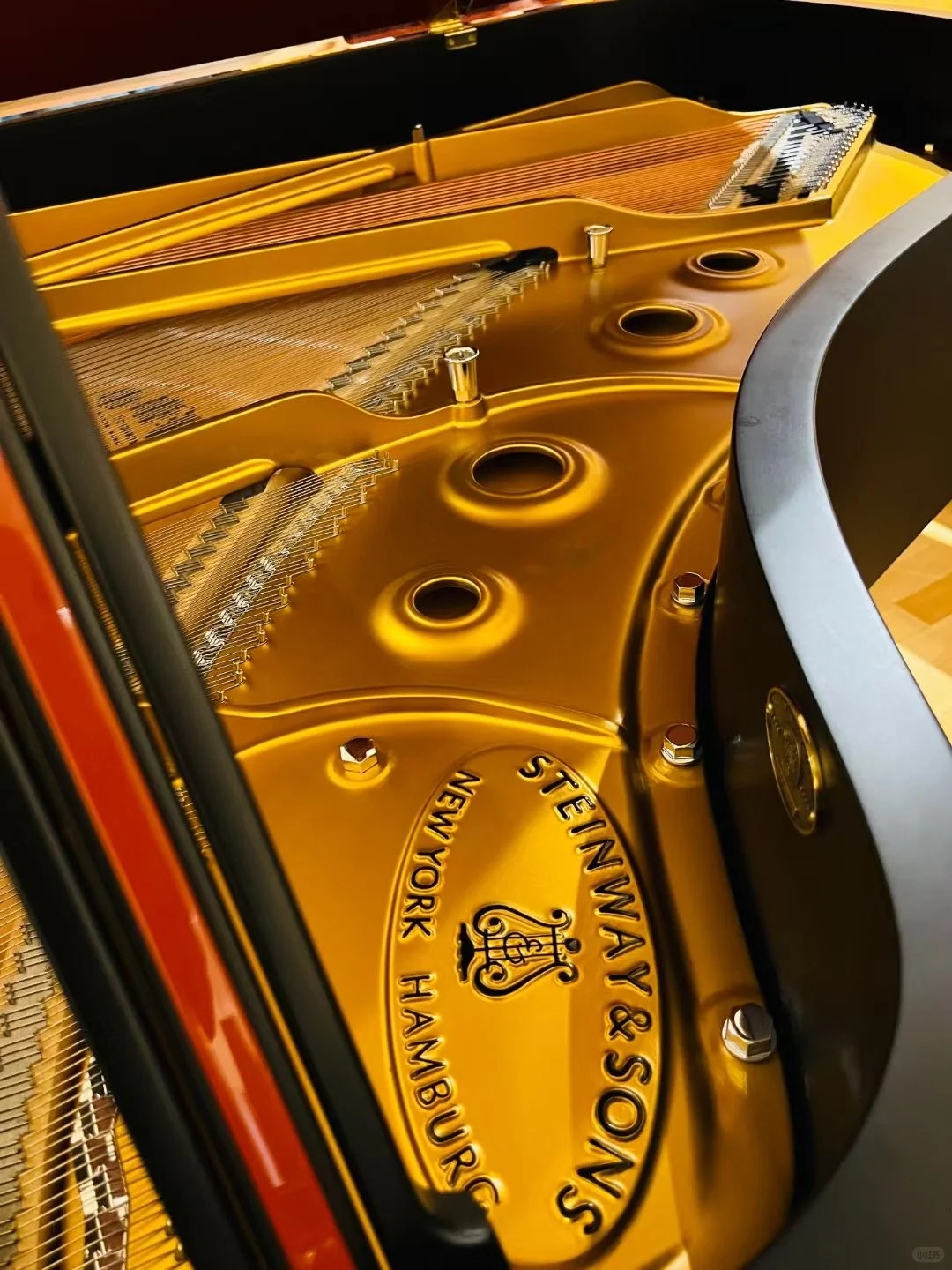
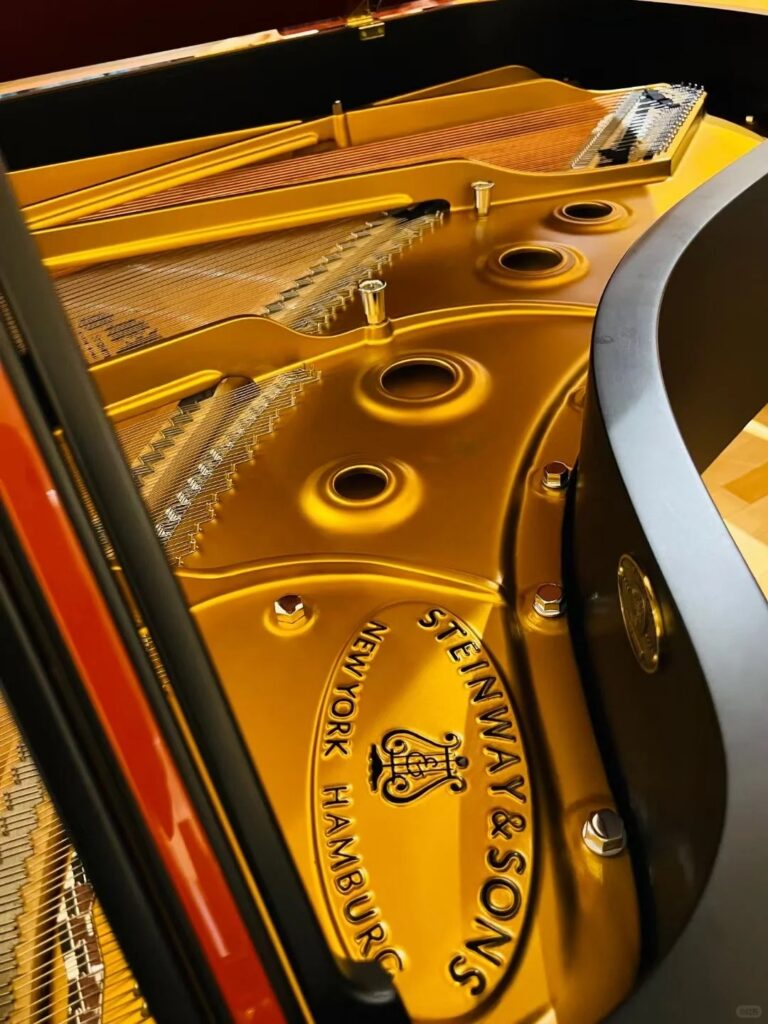
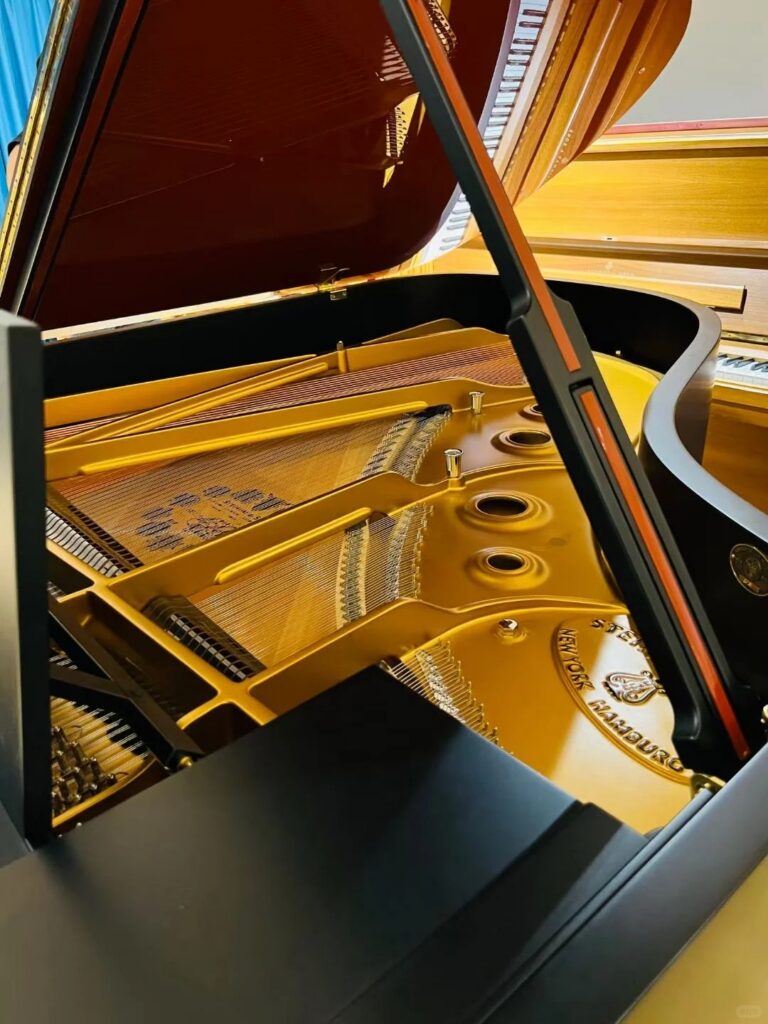
    • Steinway & Sons: The most iconic name, with two distinct personalities. Hamburg Steinways are often described as having a clearer, more precise, and slightly brighter tone with a remarkably responsive action. New York Steinways traditionally offer a warmer, richer colour with a powerful, singing bass and a touch that can feel more substantial. The Model B (211cm) is widely considered one of the most perfectly balanced pianos ever created.
    • Bösendorfer: The sound of Vienna. Renowned for a uniquely warm, singing, and fundamentally romantic tone, with a delicacy in the treble and a resonant, rounded bass. Their famed Imperial 290 features nine extra bass notes, creating an orchestral depth. The action is often described as buttery-smooth and deeply connected.
    • Fazioli: The modern masterpiece from Italy. Fazioli pianos are instruments of breathtaking power, crystalline clarity, and explosive dynamic range. Built with obsessive precision using materials like Val di Fiemme red spruce, they offer a neutral palette that is incredibly responsive to the pianist’s touch, favoured by many contemporary and recording artists.

    The German Heritage

    Germany’s piano-building tradition is deep and varied, offering incredible depth and complexity.

    • C. Bechstein (Berlin): A tone of great clarity, warmth, and lyrical sweetness. Bechstein actions are famously light and agile, yet capable of great power. They excel in the German Romantic repertoire.
    • Blüthner (Leipzig): Known for their patented Aliquot stringing in the treble, which adds a unique, bell-like shimmer and resonance. The Blüthner tone is poetic, colourful, and often described as « velvety. »
    • Grotrian-Steinweg, Sauter, August Förster: These houses uphold the highest standards of hand-craftsmanship. Their instruments often feature a more nuanced, complex tonal character and a touch of exceptional refinement, representing a deeply personal alternative to the larger brands.

    Asian Precision Engineering

    Post-war innovation led to a new standard of consistency, reliability, and technical excellence.

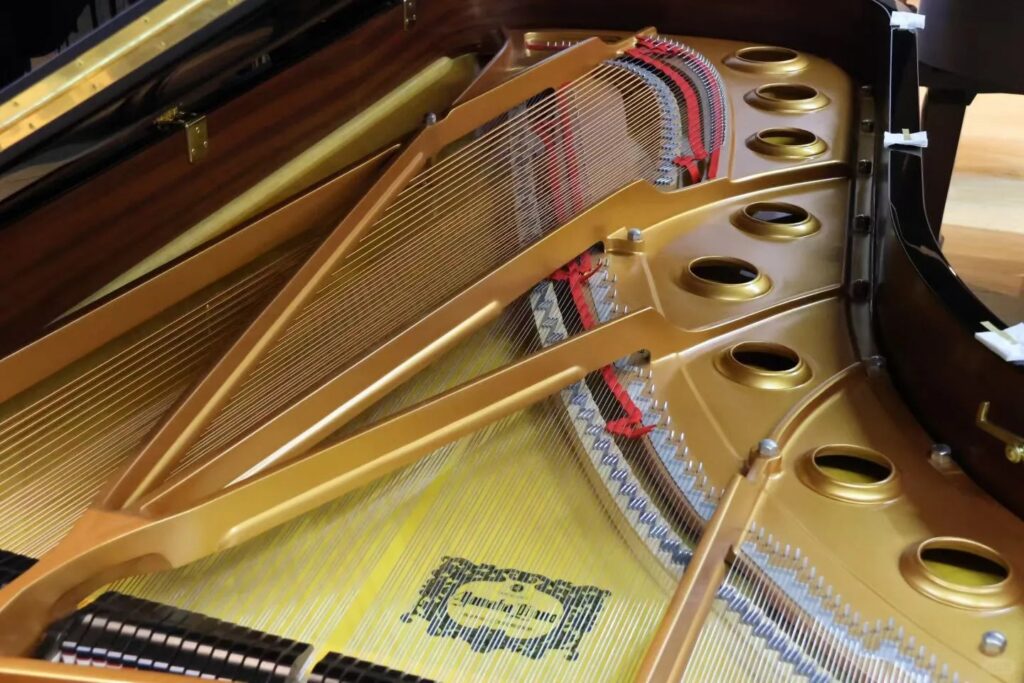
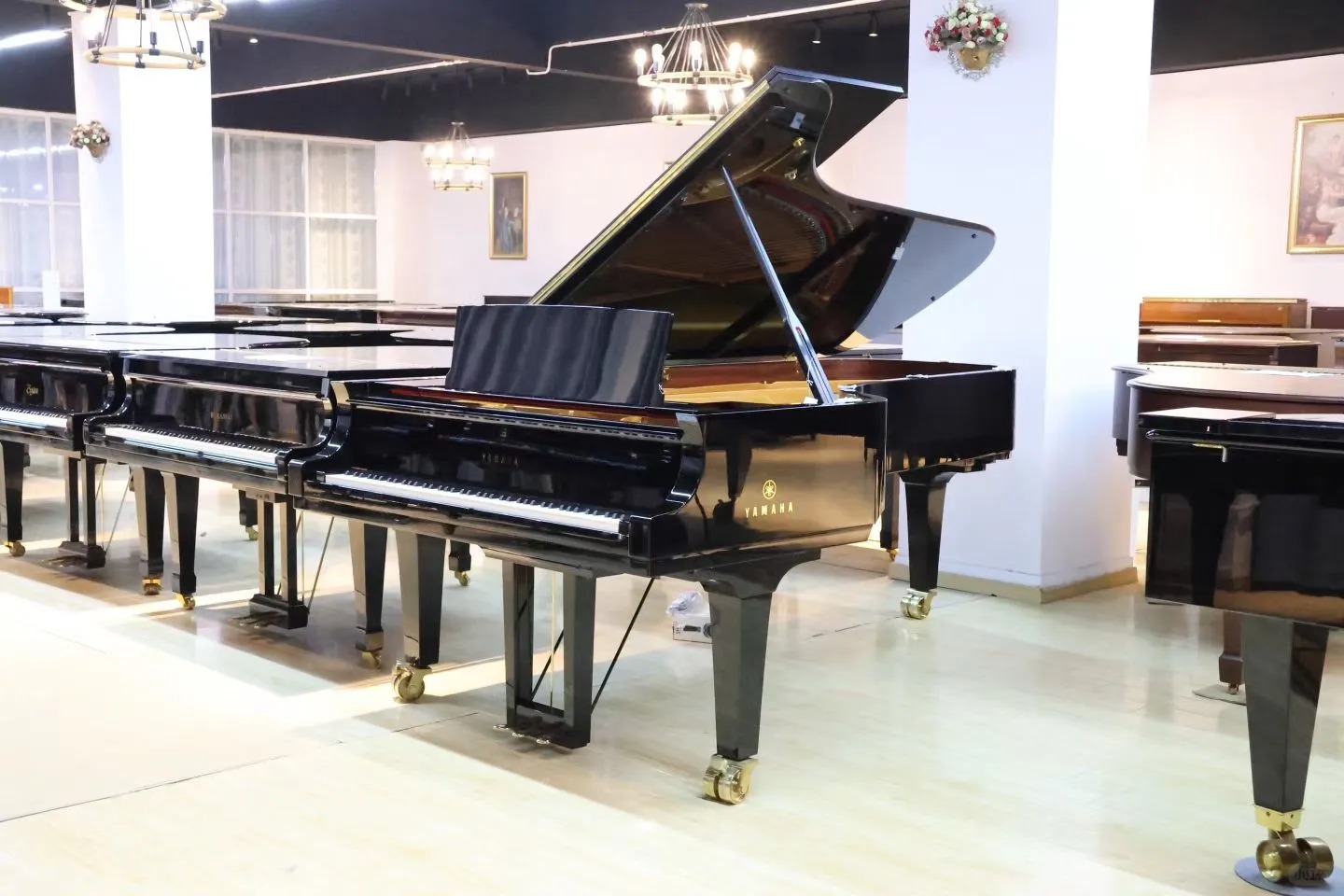
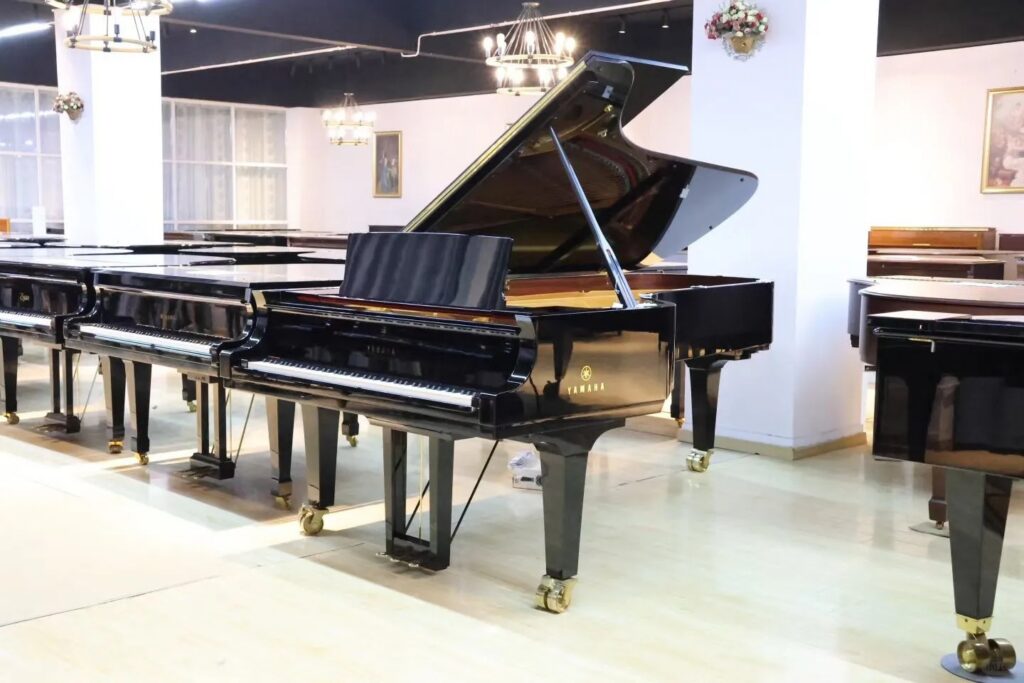
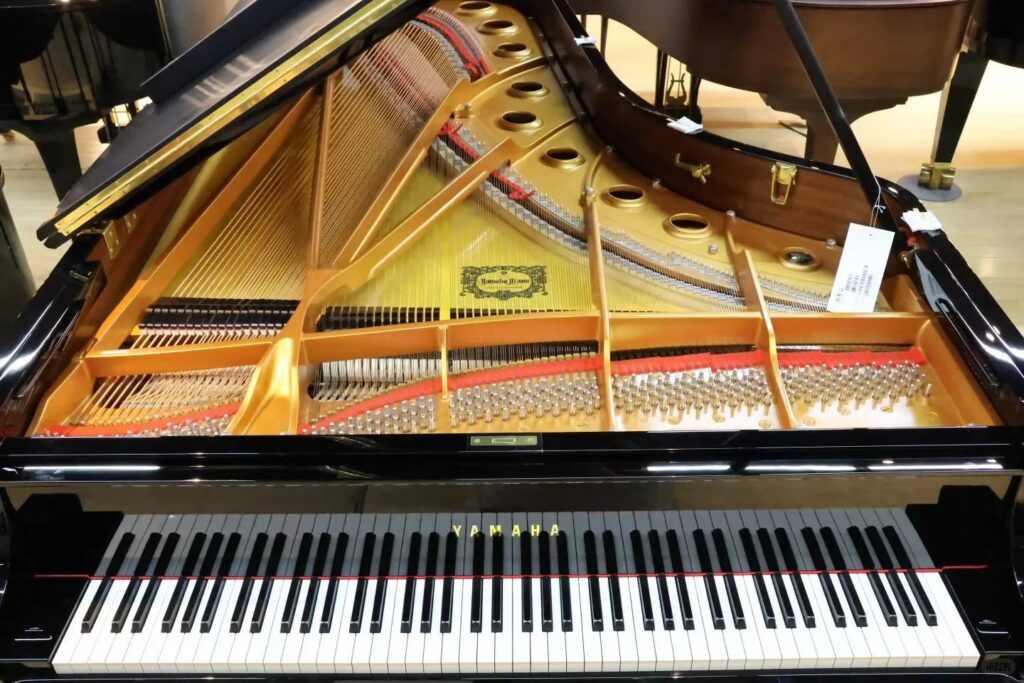
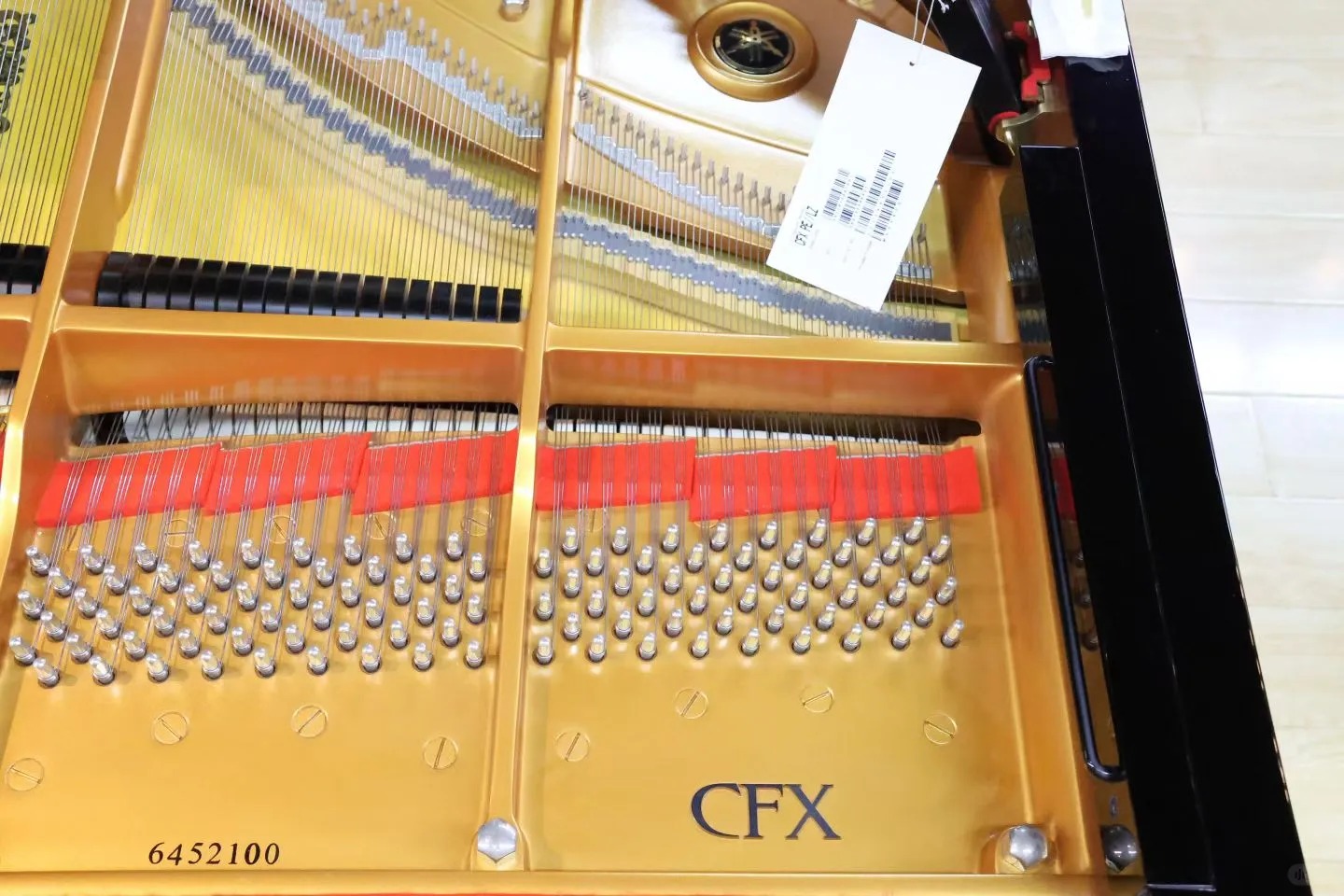
    • Yamaha CFX/S Series: The CFX is a world-class concert instrument known for its brilliant, clear, and perfectly balanced tone, offering tremendous reliability under pressure. The S Series (e.g., S3X, S5X) brings this concert-hall DNA into a more domestic setting.
    • Shigeru Kawai: The pinnacle of Kawai’s art. Each Shigeru is finished by a Master Piano Artisan, resulting in an instrument with a remarkably mellow, singing tone and a buttery-smooth Millennium III Carbon Fibre action that combines durability with exquisite sensitivity.

    The Market Channel

    While visiting specialist salons is essential for final selection, understanding your purchasing options is key. Major retailers like Thomann, as Europe’s largest music retailer, have become a significant channel. They offer the convenience of free delivery across Europe, a comprehensive 3-year warranty, and access to a wide range of both new and carefully vetted certified pre-owned instruments, providing a valuable benchmark for price and specification.

    Chapter 2: Your Objective Selection Criteria

    Beyond brand reputation, these tangible factors will directly determine how a piano performs in your specific environment.

    Size & Space: The Foundation of Sound

    The length of a grand piano is the primary driver of its sonic potential. A longer string length and larger soundboard area produce a richer, more powerful, and more harmonically complex tone.

    • Baby Grands (approx. 150cm – 170cm): Ideal for typical UK living rooms. They provide the grand piano form and action, with a controlled volume suitable for domestic settings. Examples: Yamaha GB1K (161cm), Kawai GL-10 (153cm).
    • Medium/Living Room Grands (approx. 180cm – 210cm): The sweet spot for serious amateurs and professionals. This size offers a fully developed bass, a singing tenor register, and enough power for a large home or small hall. The Steinway Model A (188cm) and Yamaha C3X (186cm) are classics in this category.
    • Semi-Concert & Concert Grands (211cm+): Instruments for performance. They deliver unparalleled dynamic range, sustain, and projection. The Steinway Model D (274cm), Bösendorfer 214VC, and Yamaha CFX (275cm) define this tier.

    Rule of Thumb: Ensure the piano has ample space (at least 1m clearance on all sides, especially from walls) to allow its sound to develop and for optimal tuning stability.

    Tonal Signature: The Voice of the Instrument

    This is the most subjective, yet crucial, consideration. Listen for the character.

    • American/Steinway: A versatile, singing tone with a strong fundamental note and powerful projection.
    • German (Bechstein, Blüthner): A more complex, colourful harmonic spectrum, often with great clarity and a « velvet » touch.
    • Viennese/Bösendorfer: Rounded, warm, and fundamentally lyrical, with a bass that resonates without being aggressive.
    • Japanese (Yamaha, Shigeru Kawai): Yamaha tends towards brilliant clarity and precision; Shigeru Kawai favours a mellower, more rounded and intimate singing quality.
    • Italian/Fazioli: Laser-like clarity, immense power across the entire dynamic range, and a very neutral, responsive palette.

    Action & Touch: The Connection to Your Fingers

    The action is the mechanical heart. Key terms include double escapement (allows for rapid note repetition) and Renner actions (the gold-standard German manufacturer, used by many top brands).

    • Weight: Touch weight can vary. A heavier touch (like some New York Steinways) can build strength; a lighter, more responsive touch (like Bechstein or Hamburg Steinway) can favour agility.
    • Consistency: The action should feel even from the lowest bass note to the highest treble.
    • Personal Preference: This is paramount. You must play extensively to find the action that feels like a natural extension of your musical intent.

    Budget & Value: The Full Investment

    The price reflects materials, labour, brand heritage, and resale value.

    • New vs. Certified Pre-Owned: A new piano offers the latest specifications and a full warranty. A certified pre-owned instrument from a brand like Steinway, Yamaha, or Kawai (often from their official restoration programmes) can provide access to a higher tier of piano for a significant saving, with the reassurance of professional reconditioning and a warranty.
    • Realistic Price Brackets (New, GBP):

    * Entry-Luxury: £15,000 – £40,000

    * Professional Tier: £40,000 – £90,000

    * Concert & Investment Tier: £90,000 – £200,000+

    • Ongoing Costs: Factor in tuning (£100-£150 per session, at least twice yearly), occasional regulation and voicing (£500+), and one-off costs for specialist piano transport (£300-£800 depending on distance and complexity).

    Chapter 3: Recommendations by Pianist Profile & Scenario

    The Discerning Amateur / City Flat Dweller

    • Needs: Controlled, beautiful tone; a responsive action for personal enjoyment; aesthetic fit for a modern space; possibly a silent system for late-night practice.
    • Budget: £15,000 – £40,000
    • Focus: Baby grands and smaller medium grands (160cm-190cm). Prioritise instruments known for a sweeter, less overpowering tone. Brands like Yamaha (C Series), Kawai (GX Series), and Boston (designed by Steinway) are excellent. A certified pre-owned Yamaha C3 or Kawai RX-2 offers tremendous value here.

    The Conservatoire Student or Professor

    • Needs: A robust, consistent action capable of withstanding 6-8 hours of daily practice; clear, articulate tone for technical work; durability and reliability.
    • Budget: £25,000 – £70,000
    • Focus: Medium grands (180cm-210cm) are essential. The action is paramount. The Yamaha C3X/C5X, Kawai GX-2/GX-3, and Shigeru Kawai SK-2/SK-3 are workhorses of institutions worldwide. A pre-owned Hamburg Steinway Model B or C. Bechstein Academy A190 would be a career-defining instrument.

    The Concert Pianist or Prestigious Institution

    • Needs: Ultimate projection and dynamic range for a 300-1000 seat hall; exceptional tuning stability under intense physical demand; a distinctive voice that carries the artist’s personality.
    • Budget: £70,000+
    • Focus: Semi-concert and concert grands (211cm+). This is the realm of the Steinway Model D, Bösendorfer 214/225, Fazioli F212/F278, and Yamaha CFX. The choice becomes intensely personal, based on the specific tonal colour required for the artist’s repertoire.

    The Collector & Discerning Investor

    • Needs: Unique tonal properties, unparalleled craftsmanship, historical significance, and heritage value. Instruments are as much about art and legacy as performance.
    • Budget: £100,000+
    • Focus: Limited edition models, art-case pianos, or the absolute top-tier production models from Fazioli, Bösendorfer (Imperial), Steinway (limited editions), and the finest German handmade instruments from makers like Grotrian or Sauter.

    Chapter 4: Grand Piano Recommendation Grid

    £10,000 – £30,000 (Entry-Luxury & Pre-Owned Value)

    • Yamaha GB1K (161cm): The quintessential baby grand. Offers remarkable consistency, a clear tone, and Yamaha’s reliable action in a space-saving design.
    • Kawai GL-10 (153cm): A compact instrument with Kawai’s quality Millennium III action, known for its warm tonal character and durability.
    • Pre-Owned Highlight: A well-maintained Yamaha C3 (186cm) or Kawai RX-2 (178cm) from the 1990s/2000s. This is where the smart money often goes, providing a truly professional-scale instrument for a domestic budget.

    £30,000 – £70,000 (Professional Tier)

    • Yamaha C3X (186cm): A benchmark. Brilliant, clear, and incredibly even across the entire keyboard. A tool of absolute reliability for the serious player.
    • Shigeru Kawai SK-2 (180cm): The entry into hand-finished artistry. A mellow, complex, and deeply singing tone paired with one of the finest actions in the industry.
    • Pre-Owned Highlight: A Hamburg Steinway Model B (211cm) or Model A (188cm) from the 1970s-90s, professionally rebuilt. Or a modern C. Bechstein Academy A190 (190cm), offering pure German craftsmanship.

    £70,000+ (Concert & Investment Tier)

    • Steinway & Sons Model B (211cm): « The perfect piano. » Unrivaled balance, a singing tone with power in reserve, and the global standard for the artist’s home.
    • Bösendorfer 214VC (214cm): The « Vienna Concert » model. Captures the legendary Bösendorfer warmth and singing quality with enhanced projection for the modern stage.
    • Fazioli F183 (183cm): Proof that supreme power and clarity are not the sole preserve of large pianos. An explosive dynamic range and crystalline treble in a relatively compact frame.

    Chapter 5: The Purchasing Process & Aftercare

    1. Play, Then Play Some More: Never buy a grand piano unheard. Schedule visits to multiple dealers. Play the same piece on different pianos. Listen with your eyes closed.

    2. Inspect the Warranty: New pianos typically have a 5-10 year manufacturer’s warranty. Certified pre-owned schemes (like Steinway’s) offer 5-year warranties. Understand what is covered.

    3. Plan the Logistics: Use a specialist piano mover. They have the equipment, insurance, and expertise. Retailers like Thomann include this specialist delivery in their service across Europe.

    4. The First Year: Your piano will settle into its new environment. Schedule its first tuning 3-4 weeks after delivery, then again 3-4 months later. Discuss a plan for initial regulation and voicing with your technician to tailor the instrument to your room and touch.

    Frequently Asked Questions (FAQ)

    What is the main difference between a Hamburg and a New York Steinway?

    The differences stem from historical manufacturing traditions. Hamburg Steinways use Renner actions and are often described as having a brighter, clearer, and more precise tone with a slightly lighter, faster touch. New York Steinways use actions made in-house and are typically characterised by a warmer, richer, and more powerful bass with a touch that can feel more substantial. Both are exceptional; the choice is tonal and tactile preference.

    Is a used grand piano a good investment?

    A certified pre-owned piano from a reputable brand and dealer can be an outstanding investment, offering access to a higher tier of instrument. The critical factor is condition. Always insist on an independent inspection by a qualified piano technician (PTA registered) before purchase. They will assess the soundboard, pin block, action wear, and structural integrity.

    What size grand piano do I need for a typical UK living room?

    For a standard UK living room (approx. 4m x 5m), a baby grand between 160cm and 180cm is usually ideal. It provides the grand piano experience without overwhelming the space acoustically. In a larger reception room, a medium grand up to 190cm can be magnificent. Always consider using rugs and soft furnishings to control the sound if necessary.

    How much does it cost to maintain a grand piano annually in the UK?

    Budget for a minimum of two tunings per year, costing approximately £200-£400 in total. Every few years, you may need regulation (adjusting the mechanical geometry) or voicing (adjusting the tone via needle felting), which can cost from £500 to £1,500+ depending on the work required. Climate control (avoiding extreme humidity swings) is the best way to minimise maintenance costs.

    Why are some grand pianos significantly more expensive than others?

    The price differential reflects: Materials (solid, slow-grown Val di Fiemme spruce for soundboards vs. laminated spruce); Labour (hundreds of hours of hand-craftsmanship vs. more automated processes); Scale Design (complex, patented designs for tonal optimisation); and Brand Heritage & Resale Value (a Steinway or Bösendorfer holds its value in a way few other assets do). You are investing in art, engineering, and legacy.

    Real-world scenarios: practical use cases

    In a city flat

    • Tone & Volume: A baby grand (160-170cm) or a smaller medium grand with a mellow tonal character (e.g., Kawai GL/GX, Shigeru Kawai) is preferable. The room’s 40–60 m² will amplify the sound; a bright piano can become strident.
    • Neighbour Considerations: A silent system (acoustic play with headphones) is a near-essential upgrade for unrestricted practice times. Felt rugs under the piano and on nearby hard floors are also crucial.
    • Transport Logistics: Access is key. Measure doorways, stairwells, and lifts meticulously. Specialist movers will often perform a pre-delivery survey.
    • Climate Control: Flats with central heating can have very dry air in winter. A piano humidity control system is a wise investment to protect the wood and ensure tuning stability.

    In a concert hall

    • Projection & Clarity: The piano must project a clear, defined tone to the back of the hall without the bass becoming muddy or the treble disappearing. Concert grands (225cm+) are designed for this, with scale designs that prioritise carrying power.
    • Power & Dynamic Range: The instrument must be capable of a thunderous fortissimo that retains musical quality, and a whispering pianissimo that is still audible. This requires a perfectly regulated action and a resilient, powerful soundboard.
    • Endurance During Recital: It must hold its tuning and regulation perfectly under the physical demands of a full-length concerto or recital, where the piano is struck thousands of times with great force.
    • Technical Support: A resident technician will be on hand to perform a final tuning and any minor adjustments (concert preparation) in the hall on the day, tailoring the piano to the room’s acoustics.

    In a recording studio

    • Behaviour Under Microphones: The instrument must sound balanced and even across all registers when closely miked. Any tonal irregularities, « wolf notes, » or uneven action will be glaringly exposed. Neutral, complex tones (like Fazioli or a fine German piano) are often favoured.
    • Sustain & Tonal Decay: A beautiful, controlled sustain is critical. The harmonic decay should be musical and even, without strange resonances or premature « dying » of notes.
    • Tuning Stability: The piano may need to hold perfect tuning for long sessions under hot studio lights. Superior pin blocks and stable construction are paramount.
    • Dynamic Responsiveness: The action must allow for extreme control at low volumes for intimate passages, while still being capable of clean, defined power when required.

    In a conservatoire

    • Intensive Daily Use: The action must be incredibly durable and consistent, capable of withstanding 8+ hours of daily practice from different players. Components like the Kawai Millennium III Carbon Fibre action are specifically engineered for this.
    • Versatility for Repertoire: The piano should have a relatively neutral, clear tone that serves as a good tool for learning a wide range of repertoire, from Baroque to Contemporary. Yamaha C Series and Kawai GX Series are staples for this reason.
    • Durability & Maintenance: Instruments must be built to last decades with heavy use. Ease of maintenance and a robust supply of spare parts are key considerations for the institution’s technical team.
    • Standardisation: Having a fleet of similar models (e.g., Yamaha C3X) helps students develop a consistent technique, as the touch and response do not vary wildly between practice rooms.

    Technical specifications

    | Specification | Description |

    | :— | :— |

    | Typical Size Range | 150cm (4’11 ») to 275cm (9′) |

    | Typical Weight Range | 250kg (baby grand) to 550kg (concert grand) |

    | Action Type | Double escapement, grand action. Common makers: Renner (Germany), Steinway (NY), Yamaha/Kawai (Japan). |

    | Soundboard Timber | Premium: Solid, quarter-sawn, slow-growth spruce (often from Alps/Carpathians). Entry-level may use solid or laminated spruce. |

    | Number of Keys | 88 (standard). Bösendorfer Imperial models have 92 or 97. |

    | Standard Finishes | Polished Ebony (most common), Polished White, Satin Mahogany, Satin Walnut, and various exotic veneers. |

    | Frame (Plate) | Single-cast iron, painted in gold or bronze colour. |

    | Strings | Bass: Copper-wound steel. Treble: High-tensile steel. |

    | Pin Block | Multi-laminated hard rock maple (or equivalent hardwood) for tuning stability. |

    | Warranty | Typically 5-10 years for new instruments; 5 years for manufacturer-certified pre-owned. |

    Purchase guide

    Pricing

    • New Price: Ranges from approximately £15,000 for an entry-level baby grand to £200,000+ for a top-tier concert grand from a legendary maker.
    • Certified Pre-Owned Price: Typically 30-50% less than the equivalent new model, depending on age, condition, and brand. A certified pre-owned Steinway Model B might be found in the £60,000 – £90,000 range.

    Where to Buy

    • Authorised Brand Dealers: For new instruments, personalised service, and manufacturer-backed warranties. Essential for final testing.
    • Specialist Piano Retailers & Auctions: For premium pre-owned and restored instruments, often with extensive preparation.
    • Major Retailers (e.g., Thomann): Offer a wide selection of new and certified pre-owned models from brands like Yamaha, Kawai, and Schimmel. Benefits can include free European delivery, a clear 3-year warranty, and flexible financing options, providing a convenient and competitive purchasing channel.

    Annual Maintenance Cost

    Budget £300-£600 per year for two tunings and a basic service. Set aside a further £1,000-£2,000 every 5-10 years for more comprehensive regulation and voicing work.

    What to Check Before Buying

    1. Condition of Soundboard: Look for cracks (small crown cracks can be normal, long radiating cracks are serious). Tap it lightly; it should resonate.

    2. Action Regulation & Evenness: Play every note, from ppp to fff. Check for consistency in touch weight, repetition speed, and let-off. No keys should stick or feel spongy.

    3. Pin Block Condition: The tuning pins should be tight. A technician will check this with a torque wrench. Loose pins mean an expensive rebuild.

    4. String & Hammer Condition: Look for rust on strings and deep grooves in the hammer felts. Some is acceptable on older pianos; excessive wear indicates heavy use.

    5. Structural Integrity: Check the legs, lyre, and lid for solidity. Ensure the piano rolls smoothly on its castors.

    6. Independent Inspection: For any pre-owned piano, this is non-negotiable. Hire a qualified piano technician (not affiliated with the seller) to provide a written report.
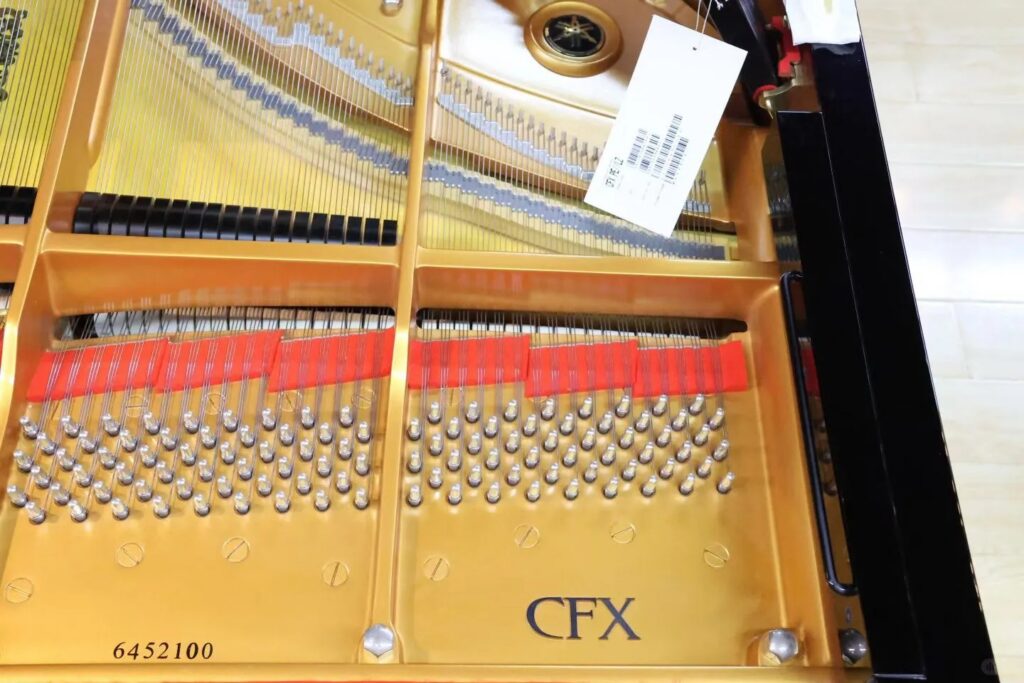
  • Yamaha Baby Grand Piano Guide: Best Models for Home & Studio

    Yamaha Baby Grand Piano Guide: Best Models for Home & Studio


    For the discerning pianist seeking an instrument that bridges the gap between domestic elegance and professional capability, the Yamaha baby grand piano represents a compelling proposition. Renowned for their consistent build quality, reliable performance, and crystalline tonal clarity, these instruments are engineered to thrive in the specific acoustic environments of a private home or a project studio. This guide will navigate the nuances of selecting the ideal Yamaha baby grand, comparing key models to suit different aspirations and spaces within the UK.

    Understanding the Yamaha Baby Grand Philosophy

    Yamaha’s approach to the baby grand (instruments typically under 180cm in length) is one of precision engineering and musical integrity. The challenge with a smaller grand is to maximise tonal richness and projection without the string length and soundboard area of a concert instrument. Yamaha addresses this through meticulous design: carefully tapered solid spruce soundboards, vertically laminated bridges for optimal energy transfer, and the renowned NWX (Natural Wood X) or GrandTouch actions that offer a responsive, controllable touch. The result is an instrument that provides a genuine grand piano experience—with its faster repetition and superior dynamic control compared to an upright—tailored for rooms where space is a consideration but compromise is not.

    Key Selection Criteria for Home and Studio Use

    Choosing the right model involves balancing several practical and artistic factors:

    • Room Acoustics & Size: In a typical UK living room or home studio, overly powerful bass can become boomy. A well-voiced baby grand with a balanced scale design integrates beautifully. Ensure you have space for the piano, a stool, and for the lid to be opened at least on the short stick for playing.
    • Touch Sensitivity: The action must be responsive enough for nuanced practice yet robust for repetitive studio work. Yamaha’s actions are celebrated for their consistency and durability.
    • Tonal Character: Yamaha pianos are known for a clear, bright, and articulate tone—a characteristic that often translates exceptionally well in recording environments, providing definition that cuts through a mix without excessive EQ.
    • Long-Term Value: Consider not just the initial investment but the instrument’s longevity and resale value. Yamaha’s renowned reliability is a key asset here.

    Here, we examine three distinct Yamaha baby grand models, each representing a different tier of craftsmanship and performance suited to the home and studio environment.

    | Model | Size (Length) | Ideal For | Key Features | Approx. Price Range (GBP) |

    | :— | :— | :— | :— | :— |

    | Yamaha GB1K | 151 cm | The serious student, the dedicated home enthusiast, or a project studio on a sensible budget. An exemplary first grand piano. | Reliable Grand Action, a compact footprint ideal for smaller spaces, and Yamaha’s foundational tonal clarity. A robust, no-fuss instrument. | £15,000 – £20,000 |

    | Yamaha GC Series | 151 cm / 161 cm | The pianist seeking a more refined musical response than the GB1K offers, with enhanced materials for a richer tone. | Features a solid spruce soundboard (unlike the laminated board in the GB1K) and Sostenuto pedal, offering greater tonal warmth and professional functionality. | £20,000 – £30,000 |

    | Yamaha C1X | 161 cm | The advanced amateur, the professional teaching studio, or the demanding home recording environment. The entry into Yamaha’s premium CX Series. | Premium Solid Spruce Soundboard, GrandTouch Action for superior control, V-Pro Plate for stability, and meticulously hand-voiced hammers. Delivers remarkable depth and complexity for its size. | £35,000 – £45,000 |

    Which Yamaha Baby Grand is Right for Your Scenario?

    For the Dedicated Home Practitioner & Student

    The Yamaha GB1K is the undisputed cornerstone. It provides the authentic grand piano touch and a clear, inspiring tone that encourages progress. Its smaller footprint makes it a practical choice for a music room in a terraced house or a flat with considerate neighbours. It is the most accessible point of entry into Yamaha’s grand piano lineage.

    For the Discerning Home Musician & Semi-Professional Studio

    We recommend stepping up to the Yamaha GC Series or, ideally, the C1X. The GC’s solid spruce soundboard offers a noticeable increase in tonal warmth and sustain over the GB1K. However, the C1X represents a significant leap in musicality. Its handcrafted elements and superior action provide a much wider palette of colours and dynamics, essential for interpreting advanced repertoire and achieving a professional recorded sound. It is an instrument you will not outgrow.

    For the Professional Teaching Studio or Project Studio

    The Yamaha C1X is the minimum recommendation here. Its consistency, durability under hours of daily use, and articulate tone are paramount. For recording, its clarity reduces the need for excessive post-production, capturing an honest and detailed performance. When sourcing an instrument for such critical use, purchasing from a reputable retailer with full aftersales support is crucial. Europe’s largest music retailer, Thomann, offers these models with secure UK delivery and a comprehensive 3-year warranty, providing peace of mind for professional users.

    The Purchasing & Aftercare Process

    Once you have identified a potential model, an in-person audition is non-negotiable. Play passages that test dynamics, from pianissimo to fortissimo, and listen to the sustain in the bass and treble registers. Remember, each piano has minor individual characteristics even within the same model line.

    After delivery, your piano will require an initial tuning and regulation after 4-8 weeks, once it acclimatises to your home’s environment. Thereafter, a minimum of two tunings per year by a qualified technician is standard for maintaining pitch stability and musical integrity, with occasional voicing and regulation to keep the touch and tone perfectly adjusted.

    Frequently Asked Questions (FAQ)

    What is the minimum room size for a Yamaha GB1K baby grand?

    A room of approximately 4m x 5m is generally considered a comfortable minimum. This allows for the piano (151cm long), the pianist, and space for the sound to develop without being overwhelming. Always account for other furniture and soft furnishings, which absorb sound.

    Is there a noticeable difference between the Yamaha GB1K and GC Series?

    Yes, the difference is musically significant. The most important upgrade is the GC’s solid spruce soundboard, which produces a warmer, more resonant, and complex tone with better sustain compared to the GB1K’s laminated soundboard. The addition of a Sostenuto pedal also expands technical possibilities.

    Are Yamaha baby grands suitable for classical music training?

    Absolutely. Yamaha’s consistent and responsive action is excellent for building proper technique. The clear tonal definition helps students hear articulation and phrasing accurately. For advanced students, the C1X and above provide the nuanced control and colour required for conservatoire-level repertoire.

    How does a Yamaha baby grand compare to a similarly priced upright?

    A baby grand, even at 151cm, will always offer a superior action with faster repetition and a more nuanced touch due to its horizontal design and longer keys. Tonally, it provides a more direct, projecting sound with a clearer sense of the soundboard resonating. For a serious pianist, the grand action is the decisive factor.

    Can I finance a Yamaha C1X baby grand?

    Yes, most authorised retailers offer financing options. For instance, Thomann provides flexible finance plans, making an instrument of this calibre more accessible by spreading the cost over time, all while including their standard 3-year warranty and customer support.

  • Yamaha Grand Piano Price Guide for UK Buyers

    Yamaha Grand Piano Price Guide for UK Buyers


    Choosing a Yamaha grand piano is a journey into one of the world’s most respected and consistent piano-making traditions. For the UK buyer, navigating the range—from a charming baby grand for a London townhouse to a commanding concert instrument for a professional stage—requires an understanding of where your investment goes. This guide demystifies the Yamaha grand piano lineup, providing clear expectations on price, performance, and purpose, so you can select the instrument that truly resonates with your aspirations.

    Understanding the Yamaha Hierarchy: From Craftsmanship to Concert Hall

    Yamaha’s grand piano range is meticulously tiered, reflecting different levels of craftsmanship, materials, and intended use. Unlike some European houses with a singular focus, Yamaha excels in providing a logical progression from entry-level to world-class.

    • The CF Series: The Pinnacle. Handcrafted in Japan by a small team of master piano builders, the CFX and CF Series are Yamaha’s statement. They are instruments designed for the world’s great concert halls and recording studios, competing directly with the finest from Germany and Austria.
    • The S Series: The Shigeru Kawai Equivalent. Representing Yamaha’s boutique, handcrafted line, the S Series (e.g., S3X, S6X) offers a distinct, nuanced European-inspired tonal character. They are for the discerning pianist seeking exceptional refinement and artistic sensitivity.
    • The CX Series: The Professional & Institutional Standard. The core of Yamaha’s professional offering. Built in Japan, the CX Series (C1X, C2X, C3X, C5X, C6X, C7X) is renowned for its reliability, powerful projection, and consistent touch. It is the default choice for serious conservatoires, universities, and professional pianists worldwide.
    • The GC & GB Series: The Entry Point. These smaller grands, built in Indonesia, offer the aesthetic and experiential benefits of a grand piano action and form at an accessible price point. They are ideal for advancing students and homes where a rich musical presence is desired within a sensible budget.

    Key Factors Influencing Yamaha Grand Piano Prices in the UK

    The price of a Yamaha grand is not arbitrary; it directly correlates to specific engineering and material choices.

    • Place of Manufacture: Instruments wholly crafted in Japan (CF, S, CX) command a premium due to higher labour costs and the concentration of master craftsmen.
    • Scale Design & Soundboard: Larger pianos have longer strings and a larger, solid Sitka spruce soundboard, yielding greater volume, richer harmonics, and a more authoritative bass. This is the primary reason for the significant price jump between, for example, a C1X and a C3X.
    • Action Components: While all Yamahas feature their proprietary actions, the materials and tolerances differ. The CX series and above use premium materials for greater durability and a more responsive touch under demanding use.
    • Finishes: A polished ebony finish is standard. Premium finishes (polished mahogany, walnut, satin finishes) add considerably to the cost.
    • Market Positioning: The S Series, with its unique scale design and voicing philosophy, sits above the CX Series, reflecting its more specialised, artisanal build.

    Yamaha Grand Piano Recommendation Grid: From Drawing Room to Stage

    Here, we break down four representative models across the core range to illustrate what a UK buyer can expect at each level.

    1. For the Aspiring Home: Yamaha GB1K

    • Size: 151 cm (4′ 11″)
    • UK Price Guide: £14,000 – £18,000
    • Tonal Character: Bright, clear, and focused. Designed to project a pleasing, articulate tone in a domestic setting.
    • Ideal For: The dedicated student or music-loving family seeking the authentic grand piano experience in a compact form. It is a significant step up from most uprights, offering a more responsive action for developing technique.
    • Key Considerations: Its smaller scale means a less powerful bass register compared to larger grands. It represents the most accessible entry point into the Yamaha grand family and is often a key model in the portfolio of major retailers like Thomann, which offers Europe-wide delivery and a comprehensive warranty.

    2. The Serious Amateur & Teaching Studio Standard: Yamaha C3X

    • Size: 186 cm (6′ 1″)
    • UK Price Guide: £55,000 – £65,000
    • Tonal Character: The classic Yamaha professional tone: brilliant, powerful, and incredibly even across the entire register. It offers exceptional clarity and projection.
    • Ideal For: The advanced amateur pianist, the private teacher with a busy studio, or the university music department. The C3X is often considered the « sweet spot » in the CX range, offering a full, concert-like bass and singing treble without requiring a vast room.
    • Key Considerations: This is a professional-grade instrument built for decades of rigorous use. Its consistency and reliability are legendary.

    3. The Discerning Artist’s Choice: Yamaha S3X

    • Size: 188 cm (6′ 2″)
    • UK Price Guide: £85,000 – £100,000
    • Tonal Character: Warmer, darker, and more complex than the CX series. It emphasises fundamental tones and offers a richer palette of colours, appealing to pianists who favour a more European sound.
    • Ideal For: The performer or serious enthusiast who desires Yamaha’s precision and build quality but seeks greater tonal nuance and individuality. It is a handcrafted instrument for those who view their piano as a lifelong artistic partner.
    • Key Considerations: The S Series represents a different philosophical approach from Yamaha. A side-by-side comparison with a CX model is essential to understand its unique character.

    4. The Concert & Recording Benchmark: Yamaha CFX

    • Size: 275 cm (9′ 0″)
    • UK Price Guide: £180,000 – £220,000+
    • Tonal Character: Immense power combined with stunning dynamic control and tonal colour. It has a majestic, roaring bass, a lyrical singing tenor, and a treble that cuts through an orchestra with crystalline clarity.
    • Ideal For: Major concert venues, top-tier recording studios, and touring concert pianists. It is the instrument that won the Chopin Competition and is chosen for its ability to deliver under the utmost pressure.
    • Key Considerations: This is an investment in a world-class instrument. It requires a large, acoustically treated space to be heard at its best and represents the absolute peak of Yamaha’s piano-making art.

    The Purchasing Process: New, Pre-Owned, and Retailer Considerations

    When ready to purchase, you have several avenues.

    • Authorised Yamaha Dealers: Offer new instruments with full manufacturer warranty, expert preparation, and after-sales support. They are the sole source for new CF, S, and CX series pianos.
    • Certified Pre-Owned: A superb way to access a higher tier of instrument. Look for dealer-serviced pianos with a fresh regulation, voicing, and warranty. A well-maintained 10-15 year old C3 can be an exceptional value.
    • Major Retailers: For the GB and GC series, large-scale retailers like Thomann provide a streamlined purchasing option with transparent pricing, finance plans, and the security of a 3-year warranty and professional delivery service to your home.

    Always insist on playing the exact instrument you intend to buy, preferably with your own technician present to assess its condition and preparation.

    FAQ: Five Essential Questions for UK Yamaha Buyers

    What is the main difference between a Yamaha CX and SX Series grand?

    The CX Series is designed as a supremely reliable, powerful, and consistent professional tool with a characteristically clear and brilliant Yamaha tone. The S Series is a handcrafted, boutique line focused on achieving a warmer, more complex European tonal character with greater nuance and colour for the discerning artist.

    How much should I budget for annual maintenance of a Yamaha grand in the UK?

    For a piano in a domestic, centrally-heated environment, budget for at least two tunings per year (£80-£120 per tuning). A full regulation and voicing every 2-5 years, depending on use, may cost £400-£800. Climate control systems (piano humidifiers/dehumidifiers) are highly recommended to protect your investment.

    Is a used Yamaha grand piano a good buy?

    Absolutely. Yamaha grands are renowned for their durability and consistency. A pre-owned instrument from the C or CX series (from the 1990s onward) that has been well-cared-for can represent outstanding value. Always have it inspected by an independent technician before purchase.

    Can I fit a Yamaha C3X (6’1″) in my front room?

    The C3X requires a room of sufficient volume to allow its sound to develop without becoming overwhelming. A minimum room size of 30-40 square metres is advisable. The placement (away from walls, with soft furnishings) and use of the soft pedal are crucial for managing volume in a domestic space.

    What are the warranty terms for a new Yamaha grand piano in the UK?

    New Yamaha grands typically come with a 10-year manufacturer’s warranty, covering defects in materials and workmanship. This warranty is provided through the authorised dealer network and is a key reason to purchase from an official source.

  • Yamaha Grand Piano Buying Guide: Our Verdict

    Yamaha Grand Piano Buying Guide: Our Verdict


    For the pianist seeking an instrument that marries renowned reliability with a distinct, clear tonal signature, Yamaha stands as a pillar of the global piano industry. From the aspirational first grand to the instrument chosen for the world’s most demanding concert stages, Yamaha’s hierarchy of grand pianos offers a model for every serious player. This guide, crafted for the UK market, will navigate the Yamaha grand piano range, helping you identify the instrument that aligns with your artistic ambitions, your space, and your budget.

    Understanding the Yamaha Grand Piano Hierarchy

    Yamaha’s grand piano range is built on a clear philosophy of incremental excellence, with each series representing a significant step in materials, craftsmanship, and sonic ambition.

    • The CF Series & CFX: The Concert Legacy. Handcrafted by master piano builders in Japan, these are Yamaha’s flagship instruments. The CFX concert grand is a modern legend, known for its powerful, crystalline tone with remarkable colour and projection, favoured by major concert halls and competition winners.
    • The S Series: The Shigeru Alternative. Positioned between the CX and CF series, the S Series represents a more handcrafted, European-inspired approach within Yamaha’s mainline production, offering a warmer, more complex tonal palette.
    • The CX Series: The Professional Standard. The successor to the legendary C Series, the CX is the benchmark for conservatoires, professional studios, and serious pianists worldwide. It features premium materials like solid Sitka spruce soundboards and meticulously crafted actions for a responsive, dynamic, and richly nuanced performance.
    • The C Series: The Established Classic. While superseded by the CX, the C Series (e.g., C3, C5, C7) remains a hugely popular and widely available model on the pre-owned market. It offers proven performance and exceptional durability.
    • The GB1K & GN Series: The Entry Point. These compact models are designed to bring the grand piano experience into smaller homes. They provide the essential grand piano action and improved tonal response over an upright, serving as an excellent first grand or a space-conscious choice.

    A Curated Selection of Yamaha Grand Pianos

    Yamaha GB1K (161 cm)

    The quintessential ‘baby grand’ and Yamaha’s most accessible entry into grand piano ownership.

    • Tonal Character: Bright, clear, and focused. Its compact size delivers a surprisingly direct and articulate sound, ideal for classical and popular repertoire in a domestic setting.
    • Action & Touch: Features a refined version of Yamaha’s standard grand action. It is responsive and even, providing a genuine grand piano touch that is excellent for developing technique.
    • Build & Features: A compact design built with Yamaha’s industrial precision. It utilises a spruce soundboard and a stabilised hardwood rim for consistent performance.
    • Ideal For: The discerning amateur, the family seeking a centrepiece instrument, or the pianist with limited space in a city flat or smaller room.
    • Typical Price Range: £13,000 – £18,000 (new).

    Yamaha C3X (186 cm)

    Arguably the most famous model in Yamaha’s history, the C3X is the definitive ‘workhorse’ grand for the advanced student and professional.

    • Tonal Character: Balanced, versatile, and powerfully expressive. It offers a rich bass, a singing tenor, and a brilliant but never brittle treble. Its tone has both clarity and warmth, suitable for everything from Baroque to contemporary jazz.
    • Action & Touch: The NWX (Natural Wood X) action with synthetic ivory keytops provides exceptional control, repetition speed, and a tactile, authentic feel that withstands hours of daily practice.
    • Build & Features: Solid Sitka spruce soundboard, vertically laminated maple bridges, and a single-cast iron frame. It represents the full suite of Yamaha’s technical innovations in a supremely reliable package.
    • Ideal For: The conservatoire student, the professional pianist needing a reliable home or studio instrument, the serious amateur, and music departments.
    • Typical Price Range: £45,000 – £55,000 (new).

    Yamaha S3X (188 cm)

    The S Series model offers a distinct, more handcrafted voice within Yamaha’s catalogue, designed for the pianist seeking greater tonal complexity.

    • Tonal Character: Noticeably warmer, darker, and more colourful than the CX series. It emphasises fundamental tones and offers a more European-style sustain and resonance, with a remarkable ability to blend notes.
    • Action & Touch: Features the premium Grand Touch S action, which is assembled with additional hand-finishing for a subtly more nuanced and controllable feel, aiding in the production of a wider dynamic palette.
    • Build & Features: Incorporates Snöka spruce for the soundboard (selected for its elasticity and resonance), along with unique back design and rim materials to enhance acoustic vibration and tonal depth.
    • Ideal For: The pianist who finds the classic Yamaha tone too direct and seeks an instrument with more inherent warmth and romantic colour for solo repertoire and intimate recording.
    • Typical Price Range: £70,000 – £85,000 (new).

    Yamaha CFX (274 cm)

    Yamaha’s ultimate statement: a concert grand built to dominate the world’s great stages and recording studios.

    • Tonal Character: Awe-inspiring power combined with exquisite clarity and an immense range of colour. The bass is profound and articulate, the treble rings with a laser-like purity that cuts through an orchestra, and the overall sustain is magnificent.
    • Action & Touch: The CFX-specific action is engineered for ultimate power, speed, and durability. It allows for effortless projection at fortissimo and the most delicate control at pianissimo, responding to the most virtuosic demands.
    • Build & Features: Represents the pinnacle of Yamaha’s craft. Every component, from the specially cured Sitka spruce soundboard to the hand-forged pins and bespoke hammers, is selected and assembled to achieve a specific tonal ideal.
    • Ideal For: The concert pianist, the major symphony orchestra hall, the top-tier conservatoire auditorium, and the elite recording studio requiring a reference instrument.
    • Typical Price Range: £150,000+ (new).

    Yamaha Grand Piano Decision Checklist

    Use this list when evaluating a Yamaha grand:

    • [ ] Have I identified my primary use? (e.g., daily practice, performance, recording)
    • [ ] Does the piano’s size suit my room acoustically and physically?
    • [ ] Have I played the exact model (and the specific instrument) I am considering?
    • [ ] Does the tonal character (bright CX vs. warm SX) match my repertoire preference?
    • [ ] Is the action responsive and even across all dynamic levels?
    • [ ] Have I budgeted for the instrument, delivery, and annual maintenance?
    • [ ] Have I considered the warranty and after-sales support from the retailer?

    Frequently Asked Questions (FAQ)

    What is the main difference between the Yamaha C3X and the older C3?

    The C3X is part of Yamaha’s updated CX series, which introduced significant design changes over the classic C3. Key improvements include a redesigned rim and beam structure for better energy transfer, a new back design, and vertically laminated bridges. Tonally, the C3X often has a richer, more complex sound with greater sustain and a more refined treble. When considering a pre-owned C3, it remains an excellent piano, but a side-by-side comparison with a C3X is highly recommended.

    Is a Yamaha GB1K a « real » grand piano?

    Yes, absolutely. While it is a compact, entry-level model, it features a true grand piano action (with a double escapement mechanism) and a horizontally strung soundboard, which are the defining characteristics that separate a grand from an upright piano. It offers superior touch responsiveness and tonal development compared to even the best uprights, making it a genuine step into grand piano ownership.

    How does Yamaha’s tone compare to a German piano like a Steinway or Bechstein?

    Yamaha grands, particularly the CX and CF series, are renowned for their clarity, precision, and consistency. The tone is often described as brilliant, clear, and very even across the register. Traditional German pianos (like Hamburg Steinway or Bechstein) often prioritise a warmer, more complex, and fundamentally richer tonal core with greater individual character from note to note. The choice is deeply personal; Yamaha’s reliability and clear projection are major assets, while some pianists prefer the more romantic, blended sound of the European instruments.

    Are Yamaha grand pianos a good investment?

    Yamaha grands hold their value exceptionally well on the secondary market due to their worldwide reputation for reliability and consistent quality. While they may not appreciate like certain limited-edition handcrafted European instruments, a well-maintained Yamaha, particularly a C3X or larger, will retain a significant portion of its value. Their durability also makes them a very sound long-term investment for your playing.

    Where is the best place to buy a Yamaha grand piano in the UK?

    Purchasing from an authorised Yamaha dealer ensures you receive a full manufacturer’s warranty, proper preparation (regulation and voicing), and expert aftercare. For a comprehensive selection and the convenience of Europe-wide service, retailers like Thomann UK are an excellent resource. As Europe’s largest music retailer, they offer a curated range of new Yamaha grands, provide secure financing options, and include specialist white-glove delivery across the UK, backed by a strong warranty.

    Real-world scenarios: practical use cases

    In a city flat

    A Yamaha grand can work beautifully in a city dwelling with consideration. A GB1K or C1X (161-173cm) is ideal. Its focused tone projects well in 40-60 m² without becoming overwhelming. Consider neighbours; playing times may need managing, or opt for a model with Yamaha’s Silent Piano™ SH system for headphone practice. Ensure your building has suitable access for delivery—a professional piano mover is essential.

    In a concert hall

    Here, only a CFX (274cm) or possibly an S6X (212cm) will suffice. The primary requirements are immense projection to fill a large space without sounding forced, sheer power to balance with a full orchestra, and endurance to maintain stable tuning and regulation through demanding rehearsals and recitals. The piano must offer a vast palette of colours audible from the back row.

    In a recording studio

    Studios often favour the C3X or C5X (186-206cm) for their consistent, clear, and detailed tone that behaves predictably under microphones. The tuning stability is critical for long sessions, and the even response across all dynamics allows for clean isolation of parts. The S3X is also a prized choice for solo sessions where its warmer, more complex sustain is desirable.

    In a conservatoire

    Durability and versatility are key. The C3X is the global standard for practice room and smaller recital hall use. It must withstand intensive daily use from multiple players, offering a responsive action that develops technique and a tonal signature that is clear and honest, preparing students for any instrument they may encounter professionally.

    Technical specifications: Yamaha C3X Grand Piano

    | Specification | Value |

    | :— | :— |

    | Model | Yamaha C3X |

    | Length | 186 cm |

    | Width | 149 cm |

    | Height | 101 cm |

    | Weight | 330 kg |

    | Action | Yamaha NWX (Natural Wood X) with Double Escapement |

    | Keytops | Synthetic Ivory (White), Synthetic Ebony (Black) |

    | Soundboard | Solid Sitka Spruce |

    | Bridges | Vertically Laminated Hard Maple |

    | Frame | Single-Cast Iron |

    | Strings | Number 1-38: Pure Copper wound on Hexagon Steel Core |

    | Number of Keys | 88 |

    | Finishes Available | Polished Ebony, Polished White, Satin Walnut, Satin Mahogany |

    Purchase guide

    • New Price: £45,000 – £55,000 (Polished Ebony). Premium finishes cost more.
    • Certified Pre-owned Price: £25,000 – £38,000 (depending on age, condition, and source).
    • Where to Buy: Purchase from an authorised Yamaha dealer for full warranty support. For a seamless purchasing experience with a wide selection, consider Thomann UK. They offer free delivery across Europe on grands, a comprehensive 3-year warranty, and flexible financing plans, making a significant investment more accessible.
    • Annual Maintenance Cost: In the UK, budget approximately £200-£300 for two professional tunings per year. A full regulation and voicing service every 3-5 years may cost £500-£800.
    • What to Check Before Buying:

    * Soundboard: Look for cracks (hairline cracks along the grain are often stable, but cross-grain cracks are serious). Tap it lightly; it should resonate.

    Action Regulation: Play pianissimo* repetitions; the action should be responsive and even. Check for excessive key wobble.

    * Pin Block Condition: Tuning pins should be tight. A technician can measure torque.

    * String & Hammer Condition: Look for rust on strings and deep grooves on hammers.

    * Case & Finish: Inspect for significant scratches or damage, though this is often cosmetic.

  • Steinway Pianola Review: Niche Collectible or Smart Buy?

    Steinway Pianola Review: Niche Collectible or Smart Buy?


    Introduction: The Mechanical Marvel

    The discovery of a Steinway Pianola for sale is an encounter with a unique chapter in musical and engineering history. It represents the pinnacle of the player piano era, where the legendary craftsmanship of Steinway & Sons met the ingenious automation of the Aeolian Company’s Pianola mechanism. This isn’t merely a used piano; it’s a fascinating hybrid—a concert-quality instrument capable of both intimate personal performance and the ghostly, self-playing reproduction of legendary recordings on paper rolls.

    For the UK-based collector, musician, or historian, the question is pressing: is such an instrument a niche collectible destined for a museum corner, or could it be a surprisingly smart and enchanting buy for the discerning enthusiast? This review delves into the specifics of what a Steinway Pianola offers, its practicalities, and its undeniable charm.

    Historical & Technical Overview: A Union of Giants

    The Steinway Pianola typically refers to a Steinway-built grand piano—often models like the O, L, or M—integrated with a Pianola pedal-playing mechanism installed by the Aeolian Company in the early 20th century (circa 1900-1930). This was not a mass-produced unit but a bespoke marriage of two superior technologies.

    • The Instrument: At its heart lies a genuine Steinway grand, featuring the hallmarks of the era: a solid single-cast iron frame, a solid spruce soundboard, and the renowned Steinway action with double escapement. The tonal character is typically warm, fundamental-rich, and possessing the signature singing sustain of a pre-war or early post-war Steinway.
    • The Mechanism: The Pianola system is a pneumatic player device operated by foot bellows (or later, electric pumps). As one pedals, air is drawn through a tracking mechanism that « reads » a perforated paper roll. The holes correspond to notes, triggering a series of valves and pneumatic actuators that strike the piano’s keys with remarkable dynamic expression. Many systems allow for manual tempo and volume control via levers, giving the operator (the « Pianolist ») real-time interpretive influence.

    Who is this model for?

    A Steinway Pianola is a highly specialised instrument. It is ideally suited for:

    • The Serious Collector & Historian: Someone who appreciates the artefact value of early 20th-century musical technology and Steinway heritage.
    • The Enthusiast of Mechanical Instruments: Individuals fascinated by clockwork, automata, and pre-digital mechanical reproduction.
    • Owners of Large Period Properties: A Pianola can be the ultimate atmospheric centrepiece for a Victorian or Edwardian country house, stately home, or period hotel, providing authentic entertainment.
    • The Pianist with a Curiosity for the Past: A musician who desires a fine Steinway grand but is also captivated by the ability to « duet » with historic performances via roll.

    It is likely not for:

    • The pianist seeking a pristine, modern concert instrument for daily practice and performance.
    • Those with limited space or budget, given the size, maintenance complexity, and restoration costs.
    • Anyone averse to ongoing mechanical upkeep.

    Detailed Review: The Playing Experience

    As a Conventional Piano

    When the player mechanism is disengaged, you are left with a vintage Steinway grand. The touch and tone are subject to its age, condition, and restoration history. A well-maintained or expertly rebuilt example will offer that classic Steinway responsiveness—a deep, controllable touch and a palette of tonal colours from a murmuring pianissimo to a robust forte. The scale (often around 180cm-210cm) is perfectly suited to a large music room. However, action wear and soundboard condition are critical factors that must be assessed by a specialist.

    As a Player Piano

    This is where the magic—and complexity—lies. Engaging the mechanism transforms the instrument.

    • The Operation: Pedalling requires a steady, moderate effort to maintain consistent air pressure and tempo. It’s an engaging, physical experience.
    • The Repertoire: The library of available paper piano rolls is vast, encompassing recordings of giants like Rachmaninoff, Gershwin, and Paderewski. Hearing a roll they personally approved is a uniquely historical experience.
    • The Sound: A well-regulated Pianola mechanism can produce surprisingly expressive performances, with nuanced phrasing and dynamics. The sound is authentically that of the piano’s hammers striking strings, not an electronic reproduction.

    Key Considerations & Potential Drawbacks

    • Condition is Everything: These are 80-120 year-old machines. The piano itself may need rebuilding (strings, hammers, action refurbishment). The Pianola mechanism—with its intricate system of leather bellows, valves, and tubing—will almost certainly require expert restoration. Leather perishes, and pneumatics leak.
    • Specialist Knowledge Required: Routine tuning is not enough. You will need a technician skilled in vintage player piano restoration and regulation. These specialists are rare and their work is costly.
    • Space & Logistics: The mechanism adds internal bulk. Transport is a major undertaking requiring a specialist piano mover with experience in delicate antiques.
    • Ongoing Costs: Beyond purchase, budget for significant restoration (£10,000-£30,000+ for a comprehensive job), annual servicing, and the acquisition of paper rolls.

    Purchase & Investment Guide

    Pricing

    Prices vary wildly based on model, case condition, and, most importantly, the state of the piano and player mechanism.

    • « As Found » Project: £15,000 – £35,000. Requires full restoration of both piano and mechanism.
    • Restored & Working: £50,000 – £100,000+. A fully rebuilt Steinway grand with a meticulously restored Pianola mechanism commands a premium, reflecting the immense skilled labour involved.

    Where to Buy & What to Check

    The market is niche. Sources include specialised antique piano dealers, auction houses (like Christie’s or Sotheby’s for exceptional examples), and private listings.

    Crucial Pre-Purchase Inspection Checklist:

    1. Engage a Specialist: Never buy without an inspection by a technician expert in both Steinway pianos and player mechanisms.

    2. Piano Assessment: Check the soundboard for cracks, the pin block for tuning stability, and the action for wear. Is the piano structurally sound?

    3. Mechanical Assessment: Does the mechanism engage? Do the pedals create suction? Do any keys play via the mechanism? Expect issues—the question is the scale and cost of repair.

    4. Documentation: Are there any original ledgers, receipts, or roll catalogues? This adds provenance.

    For those interested in modern player systems, retailers like Thomann offer contemporary Yamaha Disklavier or Kawai ATX pianos, which provide digital recording and playback with warranty-backed reliability—a very different, but practical, proposition.

    Annual Maintenance Cost

    Expect to invest £500 – £1,500+ annually for tuning and mechanical servicing, far more than for a standard grand. Major overhauls are episodic but expensive.

    Frequently Asked Questions (FAQ)

    Is a Steinway Pianola a good investment?

    As a financial investment, it is speculative and illiquid. Its value is preserved by its marque and uniqueness but is highly dependent on condition. As an investment in joy, history, and a unique musical experience, it can be unparalleled. View the purchase price as an entry fee, with significant subsequent investment required to bring it to life.

    Can I still get piano rolls for it?

    Yes. There is an active community and several businesses that preserve, duplicate, and sell rolls. New rolls are even made for classic systems. The repertoire available is enormous.

    How loud is the player mechanism itself?

    There is inherent operational noise: the sound of pedalling, the rustle of the paper roll, and the soft « thump » of the pneumatic valves. This is part of its authentic charm but means it’s not a silent, background device.

    Can the Pianola mechanism be removed if I just want the Steinway piano?

    Technically, yes, but it is a complex, invasive process that can devalue the instrument as a historic artefact. It would leave the piano case internally altered. The better path is to buy a standard Steinway grand if the player mechanism is not desired.

    Is it possible to connect it to a modern digital system?

    While purists may balk, some specialist restorers can integrate modern optical roll readers or even MIDI capture systems, allowing you to record your own performances or play digital files while preserving the original pneumatic playing action. This is a bespoke and costly modification.

    Real-world scenarios: practical use cases

    In a period country house

    Here, the Steinway Pianola is in its natural habitat. The acoustics of a high-ceilinged drawing room suit its tone. It provides authentic, atmospheric entertainment for guests, bringing the Edwardian era to life. The operational noise blends into the character of the home.

    In a private collection or small museum

    As a display piece, it demonstrates the zenith of mechanical musical reproduction. It can be operated for visitors, offering an interactive historical experience that a static piano cannot. Condition and presentation are paramount.

    In a recording studio for historical projects

    For recordings aiming to authentically recreate the sound of early player piano rolls, a perfectly restored Pianola is the only tool for the job. Its behaviour under microphones—the full mechanical sound—is part of the authentic texture.

    In a musician’s large residence

    For a pianist fascinated by music history, it offers a « duet partner » from the past. They can practise on a fine Steinway, then engage the mechanism to hear how a master approached the same piece, all on one instrument. It requires a dedicated, sizeable music room.

    Technical specifications

    | Specification | Value / Description |

    | :— | :— |

    | Core Instrument | Steinway & Sons Grand Piano (Model O, L, M, or A typical) |

    | Player System | Aeolian Pianola (Pneumatic, pedal-operated) |

    | Typical Size | 180 cm (5’10 ») to 210 cm (6’11 ») |

    | Weight | 300 kg – 400 kg (varies significantly with mechanism) |

    | Action | Original Steinway action with double escapement |

    | Soundboard | Solid Sitka Spruce |

    | Frame | Single-cast iron plate |

    | Keys | 88 (or sometimes 85 on very early models) |

    | Finishes Available | Typically Polished Ebony, Walnut, or Mahogany of the period |

    | Roll System | 65-note or 88-note scale, spool type |

    Purchase guide

    • New Price: Not applicable (historical instrument).
    • Certified Pre-Owned / Restored Price: £50,000 – £100,000+ for a professionally restored, turn-key instrument.
    • Project Instrument Price: £15,000 – £35,000.
    • Where to Buy:

    * Specialised antique and piano auction houses.

    * Niche dealers in mechanical instruments.

    * Private sales through collector networks.

    (For contrast: For a new piano with modern player technology, retailers like Thomann offer brands like Yamaha with Disklavier systems, including free European delivery and a 3-year warranty.)*

    • Annual Maintenance Cost: £500 – £1,500+ for combined tuning and mechanical service.
    • What to Check Before Buying:

    1. Condition of Soundboard & Bridges: Look for cracks or separation.

    2. Pin Block & Tuning Stability: Can the piano hold a tune?

    3. Action Regulation & Hammer Condition: Is the touch even and responsive?

    4. Pianola Mechanism Integrity: Do the bellows hold suction? Do the pneumatics activate? Is the leather supple or crumbling?

    5. Professional Inspection: This is non-negotiable. Hire an expert in vintage player pianos.

    Final Verdict: A Steinway Pianola for sale is unequivocally a niche collectible. However, for the right person—with the space, passion, and financial means to support its restoration and care—it transforms from a mere collectible into a profoundly smart and rewarding buy. It is not just an instrument, but a portal to another time, offering a unique, tactile connection to musical history that no modern reproduction can match. Your decision hinges on whether you seek a tool for performance or a living piece of heritage to steward and enjoy.

  • Steinway vs Blüthner Piano Review: Tone, Prestige & Logic

    Steinway vs Blüthner Piano Review: Tone, Prestige & Logic


    For the discerning pianist or collector, the choice between a Steinway & Sons and a Blüthner grand piano represents one of the most profound and personal decisions in the world of high-end instruments. It is a choice between two distinct philosophies of sound, two centuries of unbroken heritage, and two paths to musical expression. This is not merely a comparison of specifications, but an exploration of sonic identity, cultural legacy, and the logic that should guide a six-figure investment. Whether your home is a London townhouse, a country estate music room, or a professional studio, understanding this distinction is paramount.

    The Heritage and Philosophy: A Tale of Two Legends

    To understand the instrument, one must first understand the house that built it.

    Steinway & Sons, founded in 1853 in New York and later in Hamburg in 1880, engineered a revolution. Their philosophy was one of power, projection, and standardized perfection. The introduction of the single-cast iron frame, the overstrung scale, and the duplex scaling system created an instrument of unparalleled robustness and sonic clarity. A Steinway is built to project a unified, commanding voice to the back of a large concert hall, offering the pianist immense dynamic control and a palette that ranges from crystalline trebles to a powerful, fundamental-rich bass. It is the definitive instrument of the modern concert stage.

    Blüthner, established in Leipzig in 1853, pursued a different ideal: Tonverschmelzung – the blending of tones. As the « Piano of the Romantics, » favoured by composers like Brahms, Wagner, and Mahler, Blüthner cultivated a uniquely warm, singing, and colourful sound. Their patented Aliquot Stringing system in the treble—a fourth, sympathetic string added to each note—imbues the upper register with a bell-like, ethereal shimmer and exceptional sustain. Where Steinway projects, Blüthner envelops; where one offers clarity, the other offers complexity and warmth.

    Head-to-Head Analysis: Tone, Touch, and Construction

    Tonal Character: Projection vs. Blending

    • Steinway (Hamburg): The signature sound is one of clear, focused projection. The tone has a strong fundamental note with brilliant, singing harmonics. The bass is powerful and direct, the tenor rich, and the treble penetrative with a bell-like quality. It is a tone that excels in the architectural clarity of Bach, the dramatic power of Rachmaninoff, and the jazz-infused lines of Gershwin. In a home setting, a well-voiced Hamburg Steinway (like the Model B) offers exquisite control, allowing for intimate pianissimos without losing core tone.
    • Blüthner: The sound is immediately recognisable for its warmth, roundness, and lyrical sweetness. The Aliquot system creates a halo of sound around each note, particularly in the treble, giving it a « voix céleste » quality. The bass is profound but more rounded than aggressive, blending seamlessly into the mid-range. This is the ideal soundscape for the lyrical phrases of Chopin, the rich harmonies of Brahms, and the impressionistic textures of Debussy. In a domestic music room, its sound fills the space with a comforting, resonant warmth rather than piercing projection.

    Action and Touch Responsiveness

    • Steinway: Features the proprietary Steinway Accelerated Action with double escapement. The touch is often described as substantial, precise, and deeply responsive. It provides a sense of direct connection to the hammer, allowing for rapid repetition and exceptional dynamic range, from powerful fortissimos to whisper-quiet touches. It demands and rewards precise technical control.
    • Blüthner: Utilises a meticulously crafted Renner action (often specifically built to Blüthner’s exacting specifications). The touch is typically slightly lighter and faster than a Steinway’s, with a velvet-smooth responsiveness that facilitates lyrical legato playing and delicate passagework. The action feels effortless, encouraging a singing tone and fluid technique.

    Build Philosophy & Craftsmanship

    Both represent the pinnacle of European craftsmanship, but with different accents.

    • Steinway: Embodies industrial-era precision and consistency. Their process is highly systematised, from the selection of aged Alaskan Sitka spruce for the diaphragmatic soundboard to the precise crowning and ribbing. The goal is predictable excellence and durability under the immense tension of their high-tension scale design.
    • Blüthner: Retains more of a 19th-century, artisanal approach. They use specially selected, slow-growth German spruce for their soundboards, which is seasoned for years. The scale design is lower-tension, which many technicians believe contributes to the instrument’s longevity and stable tuning. The fit, finish, and cabinetry have a distinct, elegant character.

    Who is Each Model For? A Decision Checklist

    A Steinway & Sons Grand (e.g., Model B 211cm) is for you if:

    • You prioritise power, projection, and dynamic authority in your playing.
    • Your repertoire leans towards large-scale Romantic works, 20th-century classics, or jazz.
    • You value the global recognition and resale security of the most famous piano brand.
    • You prefer a tone with architectural clarity and brilliant, defining harmonics.
    • You enjoy an action with a substantial, commanding touch that offers total control.
    • Your space can accommodate and benefit from a piano that can fill a large room with sound.

    A Blüthner Grand (e.g., Model 1 190cm) is for you if:

    • You are captivated by a uniquely warm, singing, and complex tonal palette.
    • Your soul resides in the lyrical, poetic works of the Romantic and Impressionist eras.
    • You cherish a distinctive, less ubiquitous sound with a deeply romantic heritage.
    • You prefer a tone that blends and colours notes together, creating a rich sonic tapestry.
    • You love an action that feels effortlessly smooth, light, and responsive to lyrical phrasing.
    • Your home environment is suited to an instrument that envelops the room in a resonant, intimate warmth.

    Pricing and Investment Logic

    This is a significant investment, and the financial logic differs.

    • Steinway & Sons: New Hamburg models represent the peak of the market. A Model B (211cm) typically starts from £120,000 – £150,000+. Their legendary Certified Pre-Owned programme offers meticulously refurbished instruments with a new warranty, with prices for a pre-owned Model B often ranging from £70,000 to £100,000. Steinways have unparalleled liquidity and brand recognition, often holding their value superbly.
    • Blüthner: A new Model 1 (190cm) may range from £90,000 to £120,000. As a rarer instrument, the pre-owned market is smaller but can offer exceptional value to the knowledgeable buyer, with well-maintained examples available from £40,000 to £70,000. While its brand prestige is immense within connoisseur circles, its investment narrative is one of acquiring a rarer, more specialised sonic artefact.

    FAQ: 5 Essential Questions Answered

    What is the single biggest difference I will hear between them?

    Play a melodic line in the treble. On the Steinway, you will hear a clear, penetrating, and beautifully defined singing note. On the Blüthner, you will hear that same note surrounded by a complex halo of sympathetic resonance from the Aliquot string, creating a warmer, more blended, and ethereal sound.

    Is one better built or more durable than the other?

    Both are built to last for generations with proper care. Steinway’s high-tension scale is designed for immense power and stability. Blüthner’s lower-tension scale is often praised by technicians for being less stressful on the structure over a century, potentially aiding longevity. Both require a stable environment and regular expert maintenance.

    Can a Blüthner handle powerful, dramatic repertoire like a Steinway?

    Yes, absolutely. A Blüthner Model 6 or 11 (their larger concert models) has tremendous power and depth. However, its character will always be different; the fortissimo will be more rounded and orchestral, whereas the Steinway’s will be more laser-focused and percussive. It is a matter of tonal preference, not capability.

    I have a medium-sized living room. Which is more suitable?

    Both can be voiced to suit a domestic space. A Blüthner’s inherently warmer, blending tone may integrate slightly more easily into a soft-furnished room without sounding overly bright. A Steinway may require more careful placement and voicing to soften its projective nature, but when done, it offers incredible clarity at low volumes. An in-home trial is crucial.

    Where should I buy such an instrument?

    Purchasing from an authorised dealer or a specialist heritage piano retailer is essential for warranty, provenance, and aftercare. For new instruments, this is your only route. For pre-owned, specialists offer curated selections and refurbishment services. While major retailers like Thomann offer an extensive range of pianos with benefits like free European delivery and a 3-year warranty, for instruments of this calibre, the personal service, specific expertise, and ability to trial multiple examples at a specialist are irreplaceable.

    Real-world Scenarios: Practical Use Cases

    In a City Flat

    For a baby grand (170-190cm) in a 40-60 m² space, neighbourly consideration is key. A Blüthner’s warmer, less projective tone can be an advantage, naturally filling the space without sharp attack. Both brands offer optional silent systems (e.g., the Steinway Spirio | r or a third-party retrofit), allowing for headphone practice. Transporting any grand into a flat requires specialist piano movers—factor this into your budget.

    In a Concert Hall

    Here, the Steinway Model D is the undisputed global standard. Its scale is designed for maximum projection, power, and tonal consistency across a 2000-seat hall. Its action is built for endurance and reliability during demanding concert programmes. While a Blüthner Model 11 can be magnificent in the right hall (especially for Romantic repertoire), the pianist and hall technicians must understand and desire its specific colouristic profile.

    In a Recording Studio

    Both are superb, but for different reasons. The Steinway’s clarity and separation of notes make it a favourite for classical and pop sessions where definition is key. It « sits » well in a mix. The Blüthner’s complex harmonics and sustain can create breathtakingly beautiful solo piano recordings, especially for atmospheric or lyrical music. Its blended tone requires expert microphone placement to capture its full, rounded character without muddiness.

    In a Conservatoire

    Durability and versatility are paramount. The Steinway is the typical workhorse due to its familiar touch, robust construction, and suitability for the vast majority of exam and competition repertoire. Its consistency from piano to piano is a significant advantage. A Blüthner in a conservatoire would serve as a vital colouristic tool, educating students on alternative touch and tone production, particularly for specialisation in German Romantic music.

    Technical Specifications: Model B vs. Model 1

    | Specification | Steinway & Sons Model B (Hamburg) | Blüthner Model 1 |

    | :— | :— | :— |

    | Length | 211 cm (6′ 11″) | 190 cm (6′ 3″) |

    | Width | 148 cm | 151 cm |

    | Weight | Approx. 345 kg | Approx. 320 kg |

    | Action | Steinway Accelerated Action with Double Escapement | Renner Action (Blüthner specification) with Double Escapement |

    | Soundboard | Diaphragmatic, solid Sitka spruce | Solid, seasoned German spruce |

    | Scale Design | Overstrung, high-tension, with Duplex Scaling | Overstrung, lower-tension, with Aliquot Stringing in the treble |

    | Number of Keys | 88 | 88 |

    | Finishes Available | High-gloss Polish (Ebony, Mahogany, Walnut), Satin Polish, various veneers. | High-gloss Polish (Ebony, Mahogany), Satin Polish, exclusive art case finishes. |

    Purchase Guide

    • New Price: Steinway Model B: £120,000 – £150,000+. Blüthner Model 1: £90,000 – £120,000+.
    • Certified Pre-Owned Price: Varies enormously by age, condition, and provenance. Steinway C.P.O.: £70,000 – £100,000+. Quality pre-owned Blüthner: £40,000 – £70,000+.
    • Where to Buy: Authorised dealerships are essential for new instruments. For pre-owned, seek out renowned specialist dealers with workshops. While generalist retailers like Thomann provide convenience, warranty, and financing options for many brands, the purchase of a Steinway or Blüthner benefits profoundly from the deep expertise and curated selection of a dedicated premium piano salon.
    • Annual Maintenance Cost: Budget £300-£600 for two tunings and basic servicing. Voicing and regulation every few years will cost extra (£200-£500 per session).
    • What to Check Before Buying (Pre-Owned):

    * Soundboard: Check for cracks (small, non-structural ones can be acceptable) and crown.

    * Pin Block: Ensure tuning pins are tight; a loose block is a major repair.

    * Action Regulation & Hammer Wear: Are the hammers deeply grooved? Is the action even and responsive?

    * Strings & Bridges: Look for rust on strings and check bridge caps for cracks.

    * Case & Finish: Cosmetic condition affects value but not necessarily tone.

    * Always hire an independent, qualified piano technician (PTA or IAPBT registered) to conduct a full inspection before purchase.

  • Steinway Grand vs Baby Grand: Our Verdict on Real Use

    Steinway Grand vs Baby Grand: Our Verdict on Real Use


    Introduction: The Grand Piano as a Lifelong Investment

    Selecting a grand piano is one of the most profound decisions a musician or music lover can make. It is not merely a purchase of furniture or an appliance, but an investment in a living, breathing instrument of unparalleled acoustic and artistic potential. Crafted from carefully selected timbers, precision-engineered actions, and hand-finished components, a grand piano becomes a lifelong partner in your musical journey. The central question is not « which is the best grand piano? » but rather « which grand piano is the best for you? » This guide will navigate the intricate landscape of craftsmanship, tonal philosophy, and practical considerations, empowering you to make an informed and inspired choice, from the intimacy of a London drawing room to the demanding acoustics of a concert hall.

    Chapter 1: Understanding the Grand Piano Market – A Landscape of Legends

    The world of grand pianos is defined by heritage, philosophy, and meticulous engineering. Understanding the key players provides essential context for your search.

    • The Concert Legends: These are the instruments upon which the world’s great repertoire is performed and recorded. They represent the absolute pinnacle of power, nuance, and reliability.

    * Steinway & Sons (Hamburg/New York): The benchmark. Hamburg models are often described as having a clearer, more European tone, while New York pianos traditionally offer a warmer, more robust sound. Both are built to the relentless standard of the concert Model D.

    * Bösendorfer (Vienna): Renowned for its unique, singing warmth and extended bass registers (notably the Imperial 290’s extra keys). Its sound is often described as orchestral, with a distinctive colour perfect for the Romantic repertoire.

    * Fazioli (Sacile, Italy): The modern masterpiece. Celebrated for its breathtaking clarity, immense dynamic range, and lightning-fast repetition. Its crystalline, precise tone is a favourite for contemporary works and audiophile recordings.

    • The German Heritage Houses: Centuries of tradition inform these instruments, prized for their depth, complexity, and individual character.

    * C. Bechstein (Berlin): Offers both majestic power and delicate transparency. The Academy and Concert series provide distinct voices, from the refined classicism of the former to the overwhelming force of the latter.

    * Blüthner (Leipzig): Famous for its patented Aliquot stringing system in the treble, which adds a unique, ethereal shimmer and resonance to its fundamentally warm and lyrical tone.

    * Other Notable Houses: Grotrian-Steinweg, Sauter, August Förster, and Schimmel’s Konzert series all offer distinct interpretations of the German piano-building tradition, emphasising singing tone and long-term durability.

    • Asian Precision Engineering: These manufacturers have achieved world-class status through relentless innovation and quality control.

    * Yamaha: The CFX concert grand is a dominant force on stages worldwide, known for its brilliant, consistent, and powerful sound. The S Series and CX Series offer this concert-hall DNA in smaller sizes.

    * Shigeru Kawai: The pinnacle of Kawai’s craftsmanship, hand-built by master piano artisans. They are revered for their warm, colourful tone and the sublime responsiveness of the Millennium III carbon fibre action.

    • The Value of Certified Pre-Owned: For many, a pre-owned instrument from a legendary house offers a compelling path to ownership. Manufacturer-certified programmes (like Steinway & Sons Certified Pre-Owned) or expertly refurbished instruments from reputable dealers can offer exceptional value, providing a proven, settled-in instrument at a lower price point.

    Chapter 2: Your Objective Selection Criteria – Beyond the Polish

    Move beyond aesthetics and marketing to evaluate the core elements that define an instrument’s performance and suitability.

    • Size & Space: Length is the primary determinant of sound. A longer piano has longer bass strings and a larger soundboard, resulting in richer bass, greater tonal complexity, and more power.

    * Baby Grands (under 5’5″): Suited to smaller spaces. The compromise on string length can mean a less authoritative bass.

    * Medium Grands (5’7″ to 6’5″): The sweet spot for most homes, offering a balanced scale and credible performance across all registers.

    * Parlour/Concert Grands (6’5″+): Require significant space. They offer uncompromised scale, projection, and dynamic range. A 7-foot grand typically needs a room of at least 50m³ to sound its best.

    • Tonal Character & Signature: Each manufacturer has a sonic fingerprint.

    * American Projection (Steinway NY, Boston): Bold, direct, with a fundamental richness. Engineered to fill a large hall.

    * Viennese Warmth (Bösendorfer): Romantic, singing, with complex harmonics. More colouristic than projective.

    * German Depth (Bechstein, Blüthner): Clear, complex, with a strong singing treble and firm bass. A balance of power and nuance.

    * Japanese Clarity (Yamaha CFX, Shigeru Kawai): Precise, brilliant, and exceptionally even across the entire keyboard. Excellent definition.

    • The Action – The Pianist’s Interface: This is the mechanism that translates touch into sound. Look for:

    * Premium Actions: Renner (used by Steinway, Bechstein, and others) and Kawai’s Millennium III are industry benchmarks.

    * Double Escapement: Allows for rapid note repetition without fully releasing the key—essential for advanced repertoire.

    * Regulation & Voicing: A piano’s touch and tone can be finely adjusted. A well-regulated action feels responsive and even; skilled voicing shapes the tonal character.

    • Construction & Materials: The foundation of quality.

    * Solid Spruce Soundboard: The heart of the piano. Premium instruments use slow-grown spruce from regions like Val di Fiemme or the Alps for optimal resonance.

    * Single-Cast Iron Frame: Bears the immense tension of the strings (up to 20 tonnes). Must be perfectly cast.

    * Solid Maple Bridges: Precisely capped with hard maple to efficiently transfer string vibrations to the soundboard.

    * Duplex Scale: Aliquots of string length beyond the speaking length are tuned to sympathetically resonate, adding colour and sustain.

    • Budget Realities (in GBP): The purchase price is just the beginning.

    * Purchase Price: Ranges from £15,000 for a quality new baby grand to £250,000+ for a concert legend.

    * Annual Maintenance: Budget £200-£400 for two tunings per year, plus periodic regulation and voicing (£500-£1,500 every few years).

    * Transport: Specialist piano movers are essential, costing from £300 to over £1,000 for large grands.

    * Financing: Many retailers, including major European suppliers like Thomann, offer flexible financing plans to make ownership more accessible.

    Chapter 3: Matching the Grand Piano to the Pianist – Usage Scenarios

    • The Discerning Amateur & Home Enthusiast (5’ to 6’3″): Priority is a beautiful, inspiring tone for daily practice and pleasure. A responsive action is key for enjoyment. Instruments like the Yamaha CX Series, Kawai GX Series, or a pre-owned German piano from the 6-foot range are ideal. They offer sophistication without overwhelming a domestic space.
    • The Conservatoire Student & Advancing Pupil (6′ to 7’6″): The instrument must be a reliable tool for technical development. It needs a concert-level action (like a Renner or Millennium III) for building proper technique, durability to withstand hours of daily practice, and a tone that prepares the player for professional instruments. A Yamaha C7X, Kawai GX-7, or a well-maintained Steinway Model B would be typical targets.
    • The Professional & Concert Pianist (7′ and above): Requirements are uncompromising: ultimate dynamic range, projection to fill a hall without forcing, impeccable repetition for virtuosic passages, and absolute reliability. This is the realm of the Steinway Model D, Bösendorfer 280VC, Fazioli F278, and Yamaha CFX.
    • The Music Institution & Recording Studio: Criteria include tonal consistency across the keyboard, neutrality to suit various repertoire, and the ability to withstand near-constant use. Robust construction, stable tuning, and ease of maintenance are paramount. Multiple models of Yamaha CF or S Series, or Steinway Model Bs and Ds, are common fixtures.

    Chapter 4: Recommendation Grid – Curated Selections by Budget

    (Note: Prices are indicative and can vary based on finish, dealer, and market conditions.)

    Entry to Mid-Level Investment (£20,000 – £60,000)

    • Yamaha GC Series Grand (e.g., GC2, 5’8″): A well-built instrument offering Yamaha’s renowned consistency and clarity, perfect for the serious home player. From ~£35,000.
    • Kawai GX Series (e.g., GX-2, 5’11″): Features Kawai’s premium Millennium III action and a rich, warm tone. Excellent value for a performance-level instrument. From ~£45,000.
    • Expertly Refurbished Heritage Pianos: A carefully restored Blüthner, Bechstein, or Steinway from the mid-20th century can offer a glorious, settled tone in this price bracket.

    Serious Investment (£60,000 – £150,000)

    • C. Bechstein Academy A 190 (6’3″): Pure German craftsmanship. Offers a clear, singing tone and sublime action in a versatile size. From ~£85,000.
    • Shigeru Kawai SK-3 (6′): Hand-built excellence. A deeply colourful and nuanced instrument with arguably one of the finest actions in the world. From ~£95,000.
    • Bösendorfer CS Series (e.g., CS 214, 7′): Captures the essential Viennese sound in a slightly more contemporary and accessible package. From ~£120,000.
    • Steinway & Sons Model A (6’2″ – Hamburg): The classic “living room” Steinway, with a full scale and the legendary Steinway character. From ~£140,000.

    Ultimate & Concert Investment (£150,000+)

    • Steinway & Sons Model D (8’11” – Hamburg/New York): The undisputed reference for the concert stage. Power, colour, and reliability in one package. From ~£180,000.
    • Bösendorfer Imperial 290 (9’6″): An orchestral instrument with its unique 97-key range and unforgettable, resonant bass. A singular musical experience. From ~£250,000.
    • Fazioli F278 (9’2″): Unmatched clarity, dynamic range, and precision. The choice for pianists seeking ultimate transparency and control. From ~£220,000.
    • Yamaha CFX (9′): A modern masterpiece of power and consistency, dominating concert halls and competition stages globally. From ~£170,000.

    Chapter 5: The Purchasing Process & Aftercare

    1. The Personal Audition is Non-Negotiable: Play as many pianos as you can. Play the same piece on each. Listen, feel, and trust your subjective response. An instrument must speak to you.

    2. Choosing Your Retailer: Work with a reputable specialist. They provide expert advice, proper preparation of the instrument (regulation, voicing, tuning), and crucial aftercare. Large, reputable retailers like Thomann offer advantages such as a wide curated selection, secure delivery across the UK and Europe, transparent pricing, and a strong 3-year warranty.

    3. Aftercare – The First Year: Your piano will settle into its new environment. Schedule the first tuning 3-4 weeks after delivery. Engage a qualified concert technician for ongoing care. Plan for regulation and voicing every 1-3 years depending on use.

    Frequently Asked Questions (FAQ)

    What is the minimum room size needed for a 6-foot grand piano?

    As a rule of thumb, the room should be at least twice the length of the piano in its longest dimension. For a 6-foot (183cm) grand, aim for a room that is at least 3.6m x 5.5m, with a volume of 40-50m³. This allows the sound to develop properly without becoming overwhelming or boomy. Consider soft furnishings, rugs, and curtains to help absorb excess sound if needed.

    What are the main tonal differences between a Hamburg and a New York Steinway?

    While both are exceptional, traditional distinctions exist. The Hamburg Steinway is often described as having a clearer, more focused, and slightly brighter « European » tone, with a touch that can feel a little lighter. The New York Steinway typically presents a warmer, more robust, and fundamentally richer sound, with a slightly heavier touch weight. These are generalisations, and individual preparation by technicians plays a huge role in the final character.

    Is a used grand piano a wise investment, and what should I look for?

    A used piano can be an excellent investment, offering more instrument for your budget. Focus on:

    • Condition Over Age: A well-maintained 50-year-old piano can be superior to a neglected 10-year-old one.
    • Professional Inspection: Always hire an independent, qualified piano technician to inspect the instrument. They will check the soundboard for cracks, the pin block for tuning stability, the action for wear, and the structural integrity.
    • Provenance & Restoration: A piano with a known history or one that has been expertly rebuilt by a recognised workshop is a safer bet.

    How much does annual maintenance for a grand piano typically cost in the UK?

    Budget approximately £300-£600 per year. This typically covers two tunings (£80-£150 each) and a contingency for minor adjustments. Every 3-5 years (or 1,000 hours of playing), you should invest in regulation and voicing, which can cost between £500 and £1,500 depending on the work required. Climate control (avoiding extreme humidity swings) is the best way to reduce maintenance costs.

    Why are some grand pianos significantly more expensive than others of the same size?

    Price reflects materials, labour, and brand heritage. A £150,000 concert grand uses the finest, slowest-grown spruce for its soundboard, employs dozens of highly skilled craftsmen for hundreds of hours of hand-work (hammer voicing, action regulation, finishing), and incorporates costly R&D into its scale and action design. A £30,000 grand will use excellent but less exclusive materials and involve more automated, efficient production processes while still delivering a fine musical result.

    Real-world scenarios: practical use cases

    In a city flat

    • Tone & Space: A piano between 5’ and 5’8” (152-173cm) is ideal for 40-60 m². The scale will be balanced, avoiding an overpowering bass that can boom in a confined space.
    • Neighbour Considerations: Place the piano on an internal wall if possible. Discuss practice times with neighbours. Consider a high-quality silent system (like Yamaha’s Silent Piano or a retrofit system) which allows for headphone practice at any hour.
    • Transport Logistics: Access is key. Measure doorways, stairwells, and lifts meticulously. Specialist movers are essential and will advise on feasibility.

    In a concert hall

    • Projection & Power: The instrument must have the sheer acoustic power to project a melodic line over a full orchestra or to the back of a 2,000-seat hall without the pianist having to force the tone. This requires a long scale (over 8 feet) and a powerfully constructed soundboard.
    • Endurance & Consistency: During a demanding recital or concerto, the action must remain perfectly regulated, the tuning must hold stable under dramatic dynamic and temperature changes, and the tone must not fatigue or become harsh under extreme force.
    • Technician Support: A concert grand is always accompanied by a technician who will fine-tune it (“concert-prep”) specifically for the hall’s acoustics and the pianist’s preferences.

    In a recording studio

    • Behaviour Under Microphones: The instrument must have an even scale across all registers, with no “wolf tones” or dead spots. A complex, colourful tone can be a blessing or a curse—sometimes a more neutral, clear tone (like a Yamaha CFX) provides more flexibility for the sound engineer.
    • Sustain & Clarity: Long, clean sustain is vital for creating a lush recorded sound. The decay of each note should be musical and free from unpleasant metallic noises.
    • Tuning Stability: The piano must hold a perfect tuning for the duration of long recording sessions, often under bright lights. A robust, well-seasoned pin block and frame are critical.

    In a conservatoire

    • Intensive Daily Use: The action must withstand 8-12 hours of repetitive, often forceful, practice every day. Components like hammers, whippens, and keys need to be incredibly durable.
    • Versatility for Repertoire: The piano should be tonally flexible enough to serve Baroque, Classical, Romantic, and Contemporary repertoire reasonably well, helping students learn stylistic differentiation.
    • Standardised Touch: Institutions often prefer multiple models of the same piano (e.g., a suite of Yamaha C7Xs) to provide students with a consistent tactile reference, which is crucial for technical development.

    Technical specifications: A Representative Comparison

    | Specification | Yamaha C3X (6’1″) | C. Bechstein A 190 (6’3″) | Steinway Model B (6’10”) |

    | :— | :— | :— | :— |

    | Length | 186 cm | 190 cm | 211 cm |

    | Width | 149 cm | 151 cm | 155 cm |

    | Weight | 330 kg | 345 kg | 355 kg |

    | Action | Yamaha NWX (Natural Wood X) | C. Bechstein with Renner hammers | Steinway Accelerated Action with Renner hammers (Hamburg) |

    | Soundboard | Solid Sitka Spruce | Solid Bavarian Spruce | Solid Sitka Spruce (NY) / Bavarian Spruce (Hamburg) |

    | Keys | 88, White: Acrylic, Black: Phenolic resin | 88, White: Mineral composite, Black: Grenadilla | 88, White: Bavarian spruce, Black: African ebony |

    | Finishes | Polished Ebony, Polished White, Satin Walnut | Polished Ebony, Polished White, Mahogany, Walnut | Polished Ebony, Polished White, various veneers |

    Purchase guide

    • New Price / Certified Pre-Owned Price:

    * New: As per the recommendation grid, expect £35,000 to £250,000+.

    * Certified Pre-Owned: Offers significant savings. A 10-20 year old Steinway Model B might be £80,000-£120,000, compared to £140,000+ new. A manufacturer-certified instrument comes with a new warranty.

    • Where to Buy:

    * Authorised Brand Dealers: For new instruments, this guarantees manufacturer support and warranty.

    * Specialist Piano Retailers: Often have the best selection of both new and expertly curated used instruments.

    * Major Retailers: Companies like Thomann are a viable option, particularly for certain brands. They offer the convenience of a large selection, free delivery across Europe, a 3-year warranty, and often competitive financing options. However, for the highest-tier instruments, the personal service and preparation of a local specialist are often preferred.

    • Annual Maintenance Cost: As detailed in the FAQ, budget £300-£600 for routine care.
    • What to Check Before Buying:

    1. Soundboard: Look for long, tight grain. Check for significant cracks (small hairline cracks along the grain are often not critical).

    2. Action Regulation: Play pianissimo repetitions and check for evenness. No keys should feel sluggish or bounce differently.

    3. Pin Block & Tuning Stability: Ask when it was last tuned. A good piano should still be relatively in tune after months. A technician will check pin torque.

    4. String & Hammer Condition: Look for rust on strings and deep grooves on hammers. Significant wear indicates heavy use.

    5. Case & Finish: Check for structural integrity and finish condition, though this is largely cosmetic.

  • Steinway Concert Grand Review: Who Actually Needs One?

    Steinway Concert Grand Review: Who Actually Needs One?


    Introduction: The Art of the Choice

    Choosing a grand piano is not merely a purchase; it is a deeply personal investment in your artistry and a commitment to a lifelong musical partner. It is the confluence of engineering, craftsmanship, and soul. For the pianist, it becomes an extension of their voice, responding to every nuance of touch and emotion. This guide is designed to navigate you, the UK-based musician, collector, or institution, through the critical considerations—from the practicalities of size and budget to the profound questions of tonal philosophy and touch. Our aim is to equip you with the knowledge to find the instrument that doesn’t just fill a room, but fulfils your musical aspirations.

    The Grand Piano Landscape – A Brief Overview of Legendary Houses

    The world of grand pianos is defined by distinct national traditions and philosophical approaches to sound. Understanding these lineages is the first step in identifying your tonal affinity.

    • The German Tradition: Renowned for depth, structural integrity, and a touch often described as velvety yet precise. The focus is on a complex, richly layered tone with a powerful fundamental. Esteemed houses include Steinway & Sons Hamburg, C. Bechstein, Blüthner (with its unique aliquot stringing for added shimmer), and Grotrian-Steinweg.
    • The Viennese Romantic: Bösendorfer of Vienna stands alone, crafting instruments with a uniquely singing, warm Stimmführung (voicing). Their pianos are celebrated for a lyrical, orchestral bass and a bell-like treble, ideal for the classical and romantic repertoire.
    • American Power & Projection: Steinway & Sons New York models are engineered for clarity, robustness, and immense projective power, a characteristic that has defined the American concert stage. The tone is often described as direct, bright, and commanding.
    • Japanese Precision & Reliability: Brands like Yamaha (CFX/S Series) and Shigeru Kawai represent the pinnacle of modern manufacturing. They offer exceptional consistency, analytical clarity, and remarkable durability, with actions that are both responsive and reliable under intense use.
    • The Italian Specialist: Fazioli is the boutique master of crystalline clarity and supreme dynamic range. Using unique materials and scaling, Fazioli pianos are known for their breathtaking purity in the treble, immense resonant power, and lightning-fast action response.

    Your Objective Selection Criteria

    Beyond brand prestige, objective criteria will determine how a piano fits your life and space.

    • Size & Space: This is the primary practical constraint. Grand pianos are measured by length from keyboard to tail.

    * Baby Grand (c. 150–180cm): Suitable for a larger living room or dedicated music room. The shorter strings and soundboard limit ultimate tonal complexity and sustain but offer a charming, compact solution.

    * Medium Grand (c. 180–220cm): The ideal domestic size for the serious player. Models like the Steinway Model A or Bösendorfer 200 offer a near-concert experience with balanced projection and rich tone.

    * Concert Grand (c. 220cm+): Instruments like the Steinway Model D (274cm) or Fazioli F278 are designed for large halls. They require significant space (a room of at least 50m² is a minimum for a Model D) and have substantial floor-loading requirements.

    • Tonal Character & Soundboard: The heart of the piano is its solid spruce soundboard, often sourced from legendary forests like Val di Fiemme or the Alps. Its job is to amplify and colour the string vibrations. Listen for:

    * Warm/Romantic: A rounded, singing tone with complex harmonics (Bösendorfer, Blüthner).

    * Clear/Projective: A direct, articulate sound with a strong fundamental that cuts through an orchestra (Steinway New York, Yamaha CFX).

    * Precise/Analytical: Exceptional clarity, separation between notes, and a wide dynamic palette (Fazioli, Shigeru Kawai).

    • The Action & Touch: The action is the mechanical interface between your fingers and the hammers. Look for a double escapement mechanism (allowing rapid note repetition) from renowned makers like Renner or proprietary designs from Steinway, Kawai (Millennium III), or Yamaha. The key surface—whether modern high-quality composites or, on some premium models, ethically sourced artificial ivory—affects grip and tactile feedback.
    • Craftsmanship & Materials: Key indicators of quality include a single-cast iron frame for stability, solid maple bridges for optimal energy transfer, a multi-layered beech pin block to hold tuning, and features like a duplex scale (allowing sympathetic vibration of string segments beyond the speaking length) which enriches the treble.
    • Budget Realities (in GBP): Be clear-eyed. A new premium baby grand starts around £50,000. A medium grand from a top-tier German maker is typically £80,000–£120,000. A new concert grand exceeds £150,000. The certified pre-owned market offers significant value, bringing exceptional instruments within a broader range.

    Grand Pianos by User Profile & Scenario

    Matching the instrument to the musician’s life is crucial.

    • The Discerning Amateur & City-Dweller: Priority is size, neighbour-friendly projection (consider a built-in silent system), and aesthetic harmony. A baby grand or small medium grand (180cm) from Yamaha’s CX Series, Kawai’s GX Series, or a pre-owned Steinway Model M is ideal.
    • The Conservatoire Student & Advancing Pianist: The instrument must be a rigorous teacher. A responsive, consistent action (like Renner or Kawai’s Millennium III) is non-negotiable for developing technique. Tone should be even across registers. This is where the best value in certified pre-owned Steinways, Bechsteins, or new Japanese premium models is found.
    • The Concert Pianist & Recording Artist: Requirements are uncompromising: immense dynamic range (from a whisper to a roar), colouristic variety for different repertoire, and the power to fill a 2,000-seat hall without straining. This is the exclusive realm of the concert grand.
    • The Music Institution & Academy: Durability under 8–12 hours of daily use is paramount, alongside consistent performance and the prestige necessary to attract top students and faculty. Instruments like the Yamaha CF Series or Steinway’s institutional models are engineered for this environment.

    Recommendation Grid: Models by Budget Tier

    (A narrative guide to the market landscape)

    • Entry to Mid-Level (£10,000 – £40,000): This tier is dominated by high-quality pre-owned instruments and smaller new models from Asian makers. You might find a well-maintained 20-year-old Yamaha C3 or Kawai RX-2, or a new Yamaha GB1K baby grand. With careful searching, a pre-owned Steinway Model M from the 1970s/80s may be within reach, though a thorough technical inspection is critical.
    • Serious Investment (£40,000 – £100,000): The core market for new European grands and exceptional pre-owned instruments. Here you enter the world of new C. Bechstein Academy A192, a pristine pre-owned Steinway Model A, a new Bösendorfer 170, or the exquisite handcrafted Shigeru Kawai SK-2. This price bracket offers a lifetime instrument for the serious pianist.
    • The Concert & Collector Tier (£100,000+): This is the pinnacle: new Steinway Model B & D, the majestic Bösendorfer Imperial 290 (with its extra bass notes), the laser-precise Fazioli F278, or a new C. Bechstein Concert 8. These are instruments for the world’s great stages, top-tier recording studios, and the most passionate private collectors.

    The Purchasing & Ownership Journey

    • New vs. Certified Pre-Owned: Buying new offers a warranty and the latest specifications. Programmes like Steinway & Sons’ Certified Pre-Owned provide expertly refurbished instruments with a warranty, often representing exceptional value. A reputable retailer is key for both.
    • The Personal Audition: You must play the exact instrument you intend to buy. Play scales, chords, and repertoire you know intimately. Test the pianissimo and fortissimo extremes. Listen for an even scale and a tone that moves you.
    • Aftercare: A grand piano is a living thing. Budget for at least two tunings per year (£80-£120 per tuning), plus periodic voicing (adjusting hammer felt to refine tone) and regulation (mechanical adjustment) every few years. Specialist piano transport in the UK is essential for moves and costs several hundred pounds.
    • Where to Buy: Beyond traditional showrooms, Thomann, as Europe’s largest music retailer, has become a significant channel. They offer a wide selection of new models from brands like Yamaha and Kawai, with the advantage of free delivery to the UK, a 3-year warranty, and flexible financing options. Their service is particularly noted for efficiency and customer support, making them a viable option for well-specified, mass-produced premium instruments.

    Frequently Asked Questions (FAQ)

    What is the minimum room size for a baby grand piano?

    A baby grand (around 150cm) needs a room of at least 25-30 square metres to sound its best without being acoustically overwhelming. Crucially, the room should contain soft furnishings (rugs, curtains, sofas) to absorb excess sound and prevent a harsh, booming acoustic. Always consider the piano’s placement away from direct sunlight and radiators.

    Is a used Steinway piano a better investment than a new Yamaha or Kawai?

    It depends on your definition of « investment. » A Steinway, particularly from Hamburg, often holds its monetary value exceptionally well due to brand prestige. However, a used piano’s condition is everything; a neglected Steinway can be a money pit. A new Yamaha CF or Shigeru Kawai offers guaranteed performance, modern reliability, and often superior consistency. The « investment » in the latter is in a flawless, ready-to-inspire instrument.

    How much does it cost to maintain a grand piano annually in the UK?

    Annual maintenance typically costs between £200 and £500. This covers two tunings (£80-£120 each) and potentially a minor service. You should also budget for a full regulation and voicing every 3-5 years, which can cost from £500 to over £1,000 depending on the technician and the instrument’s needs.

    What is the difference between a Hamburg and a New York Steinway?

    Historically, they were separate factories with different parts and scales. Today, both are superb. Generally, Hamburg Steinways are often described as having a slightly more refined, European tone—clear yet complex with a lighter touch. New York Steinways are known for a more robust, direct, and powerful sound with a heavier action. The choice is a matter of personal tonal preference.

    Can I trial a grand piano before purchasing online from a retailer like Thomann?

    While you cannot physically trial an instrument before delivery when buying online, retailers like Thomann have comprehensive return policies. They also provide extensive sound samples and detailed specifications. Their customer service can advise based on your needs. The key is to understand the return window and conditions, which allows for a home trial of sorts, albeit with the logistical planning of a potential return.

    Real-world scenarios: practical use cases

    In a city flat

    • Tone & Volume: A piano under 180cm is advisable. Its tone will be sweeter and more contained. Consider a built-in silent system (like Yamaha’s Silent Piano or Kawai’s Anytime) with headphones for unrestricted practice.
    • Neighbours: Discuss practice times. Placing the piano on an insulating caster cup mat can reduce structural vibration transmission.
    • Transport: Access is critical. Measure doorways, stairwells, and lifts. Specialist piano movers are essential for navigating tight urban spaces.
    • Climate: Flats can have dry air from central heating. A piano humidity control system is a wise investment to protect the soundboard and action.

    In a concert hall

    • Projection: The concert grand’s long strings and large soundboard are designed to project a clear, unforced tone to the back of a large hall without the pianist having to overplay.
    • Power & Endurance: The action must be perfectly regulated to withstand the physical demands of a concerto or demanding solo programme without faltering.
    • Tonal Palette: The instrument must offer a vast range of colours, from a gossamer pianissimo in a Mozart slow movement to a thunderous, complex roar in a Prokofiev toccata.
    • Technician Support: A concert grand in a hall is always accompanied by a resident or travelling technician who will tune, voice, and regulate it before and sometimes during a performance series.

    In a recording studio

    • Behaviour Under Microphones: The tone must be exceptionally even across all registers, with no « wolf tones » or dead spots. A clear, articulate bass is vital for clean recordings.
    • Sustain & Control: The instrument must have a long, singing sustain that can be controlled precisely, allowing for pristine note separation in complex passages.
    • Tuning Stability: It must hold a rock-solid tuning over long recording sessions, often under bright studio lights which can affect the piano’s climate.
    • Dynamic Nuance: The ability to capture the most subtle dynamic shifts is paramount. The action must allow for extreme control at low volumes.

    In a conservatoire

    • Intensive Daily Use: The piano may be played for 12+ hours a day by different pianists. The action must be incredibly durable and maintain its regulation.
    • Durability: The cabinet, finish, and hardware must withstand constant use. Institutional models often have reinforced parts.
    • Versatility: It must serve a student learning Bach one hour and Ligeti the next. A neutral, responsive, and reliable tone is often preferred over an overly idiosyncratic character.
    • Serviceability: The design should allow technicians easy access for frequent maintenance and repairs.

    Technical specifications

    | Specification | Typical Value Range & Details |

    | :— | :— |

    | Length | 148 cm (baby grand) to 308 cm (Bösendorfer Imperial) |

    | Width | Standard keyboard width: ~148 cm |

    | Height | (Case) ~100 cm |

    | Weight | 250 kg (small baby grand) to 550 kg+ (concert grand) |

    | Action Type | Double escapement action (e.g., Renner, Steinway Accelerated, Kawai Millennium III, Yamaha) |

    | Soundboard Timber | Solid, vertically grained spruce (often from Alpine regions or Val di Fiemme) |

    | Number of Keys | 88 standard (92/97 on Bösendorfer Imperial/Model 225) |

    | Finishes Available | High-gloss polyester (black, white, ebony), Polished mahogany, walnut, satin finishes, exotic veneers. |

    Purchase guide

    • New Price / Certified Pre-Owned Price:

    * New: A premium baby grand (e.g., Yamaha C2X) starts around £45,000. A German medium grand (e.g., Bechstein A192) is £80,000+. A concert grand is £150,000+.

    * Certified Pre-Owned: A 20-year-old Steinway Model M might be £35,000-£50,000. A 10-year-old Model B could be £70,000-£90,000, depending on condition and provenance.

    • Where to Buy:

    * Authorised brand dealers for new instruments and certified programmes.

    * Specialist pre-owned piano retailers with expert technicians.

    * Thomann: A major online retailer offering brands like Yamaha and Kawai. Benefits include free delivery across Europe (including the UK), a comprehensive 3-year warranty, and transparent financing options. Ideal for buyers confident in model specifications seeking a streamlined purchasing process.

    • Annual Maintenance Cost: Budget £200 – £500 for routine tuning and minor servicing. Set aside a further £500 – £1,500 every 3-5 years for regulation and voicing.
    • What to Check Before Buying:

    1. Soundboard: Look for cracks (small, stable cracks along the grain are often not catastrophic, but radial cracks can be serious). It should have a healthy crown.

    2. Action Regulation: Test repetition speed. Notes should repeat rapidly without failure. Check for evenness of touch across the keyboard.

    3. Pin Block & Tuning Stability: The tuning pins should be tight. Ask when it was last tuned and if it holds tune well.

    4. Strings & Hammers: Strings should be clean, not rusted. Hammers should have deep, clean grooves, not be overly worn or hardened.

    5. Case & Finish: Check for structural damage or major finish flaws, though cosmetic issues are less critical than mechanical ones.

  • Steinway Model B Review: Our Verdict on the Benchmark

    Steinway Model B Review: Our Verdict on the Benchmark


    Introduction: The Pinnacle of Domestic Piano Craft

    The quest for the perfect grand piano often leads to a single, iconic model: the Steinway & Sons Model B. Revered by professionals and connoisseurs alike, the Model B is not merely an instrument; it is a benchmark. Measuring 211 cm (6’ 11”), it occupies a unique position in the piano world, offering the tonal complexity and power of a concert instrument in a size suited to the sophisticated home, the intimate recital hall, and the exacting recording studio. This review provides an in-depth analysis of why the Hamburg or New York-built Model B is frequently described as the ideal compromise without compromise.

    Design & Craftsmanship: The Anatomy of a Legend

    The Model B’s reputation is built upon a foundation of meticulous, time-honoured construction. Each component is selected and assembled to contribute to its legendary voice.

    • Scale Design & Iron Frame: The Model B features a proprietary Steinway scale design with a single-cast, full-perimeter iron frame. This provides immense structural integrity, allowing the strings to be tuned to extremely high tension. The result is exceptional tuning stability, power, and a rich harmonic spectrum.
    • The Soundboard: The heart of the piano is its solid, quarter-sawn Sitka spruce soundboard, crowned for optimal resonance. In Hamburg models, the use of Bavarian spruce is often noted for its particular responsiveness. This carefully tapered board is responsible for translating string vibrations into the piano’s characteristic warm, singing tone with remarkable projection.
    • Action & Touch: The Model B is fitted with Steinway’s patented Accelerated Action. This is a double escapement action, renowned for its speed, precision, and depth of control. Whether from Hamburg or New York, the action is regulated to a standard that allows for the most delicate pianissimo and the most powerful fortissimo, responding perfectly to the artist’s touch. The hammers are made of premium, dense wool felt, meticulously voiced by hand to shape the instrument’s tonal personality.
    • The Duplex Scale: This Steinway innovation features aliquot string sections that resonate sympathetically, enriching the treble’s colour and sustain without adding percussive attack. It is a key contributor to the Model B’s complex, shimmering upper register.
    • Build & Finishes: Available in a range of exquisite finishes from polished ebony and mahogany to satin walnut, the cabinet is a piece of fine furniture. The attention to detail—from the flawless lacquer to the elegant, tapered legs—confirms its status as a lifetime investment.

    Tonal Character & Performance: The Sound of Excellence

    The Steinway Model B is celebrated for its balanced, orchestral voice. It possesses a complete and unified tonal palette across all registers.

    • Bass Register: Powerful, clear, and defined. Unlike smaller grands where the bass can be muddy, the Model B’s longer strings and larger soundboard produce a foundational bass that is resonant and musical, not merely loud.
    • Tenor & Alto Registers: This is where the Model B truly sings. The mid-range is exceptionally warm, lyrical, and expressive. It has a vocal quality that is ideal for the core repertoire of Chopin, Schubert, and Brahms, allowing melodic lines to soar with colour and emotion.
    • Treble Register: Brilliant, crystalline, and sustained. The treble benefits immensely from the duplex scale, producing a clear, bell-like tone that cuts through without becoming brittle. It retains its character and volume even in the highest octaves.
    • Dynamic Range & Control: Its most profound attribute is its vast dynamic range. A skilled pianist can explore endless shades of colour, from a whisper that seems to hang in the air to a thunderous climax that feels utterly controlled and never harsh. This responsiveness makes it a supremely versatile instrument.

    Who is the Steinway Model B For?

    This instrument is a serious investment, both financially and artistically. It is ideally suited for:

    • The Advanced Amateur & Home Enthusiast: For the pianist with a dedicated music room in a country house or a spacious London townhouse, the Model B represents the ultimate domestic instrument. It offers a truly professional playing experience.
    • The Professional Pianist & Recording Artist: Many professionals choose the Model B as their home or studio piano. Its consistency, tonal palette, and reliability under microphones make it a favourite for recordings and rehearsal.
    • Prestigious Smaller Venues & Institutions: It is the premier choice for high-end hotels, boutique concert halls, and university faculty studios where a full concert grand (Model D) is impractical, but uncompromising quality is demanded.
    • The Discerning Collector: As a centrepiece of artistic and design sensibility, the Model B holds its value exceptionally well and is a statement of cultural appreciation.

    Decision Checklist: Is the Model B Right For You?

    Before committing, consider these points:

    • Do you have adequate space? The Model B requires a room of at least 40-50 m² with good acoustics to realise its full potential without overwhelming the space.
    • Have you played both Hamburg and New York versions? While sharing the same design principles, they have discernible character differences. Hamburg models are often described as slightly brighter and more articulate; New York models as richer and more powerful in the bass. Your personal preference is paramount.
    • Is your budget comprehensive? Beyond the purchase price, factor in the cost of a specialist piano mover, a humidity control system, and ongoing maintenance by a Steinway-trained technician.
    • Have you compared it to its peers? Play a Bösendorfer 214VC for a more lyrical, Viennese warmth or a Fazioli F183 for unparalleled clarity and precision. The Model B is a brilliant all-rounder, but understanding the alternatives clarifies your choice.
    • Have you considered certified pre-owned? The Steinway & Sons Certified Pre-Owned programme offers meticulously refurbished instruments with a new piano warranty, representing significant value.

    FAQ: Your Steinway Model B Questions Answered

    What is the main difference between a Hamburg and a New York Steinway Model B?

    While both adhere to Steinway’s legendary standards, they are built in different factories with distinct materials and traditions. The Hamburg Model B typically uses Renner actions and hammers, resulting in a touch often described as lighter and a tone that is clearer, with a more pronounced fundamental note. The New York Model B uses Steinway’s own action parts and felt, leading to a touch with slightly more resistance and a tone that is often characterised as warmer, with a more complex harmonic overtone series. The choice is profoundly personal.

    How much does a new Steinway Model B cost in the UK?

    As a handcrafted instrument, the price is subject to specification and finish. For a new Steinway & Sons Model B in polished ebony, you should expect a starting price in the region of £120,000 to £150,000. Exotic woods and custom finishes will increase this figure. A Certified Pre-Owned Model B can range from £70,000 to £100,000, depending on age, condition, and provenance.

    Can the Model B fit in a typical British home?

    Its 211 cm length and significant presence require careful planning. It is best suited to a dedicated music room, a large living room in a period property, or a spacious modern home. For smaller spaces, Steinway’s Model A (188 cm) or Model M (170 cm) may be more appropriate, though they lack the complete tonal authority of the Model B.

    What is the annual maintenance cost for a Model B in the UK?

    To keep it in optimal condition, you should budget for at least two tunings per year (£120-£180 per visit) and a full regulation and voicing service every 3-5 years (£500-£1,000+). Investing in a dedicated room humidifier system (£300-£600) is highly recommended to protect your investment from the UK’s variable climate.

    Why is the Model B considered better than a smaller concert grand from another brand?

    “Better” is subjective, but the Model B’s acclaim stems from its perfect balance of size and capability. It is large enough to incorporate the critical scaling and string length needed for a truly authoritative bass and singing treble—features often compromised in smaller grands. It delivers over 90% of the performance of the full 274 cm Model D concert grand in a far more domestically feasible package.

    Real-World Scenarios: Practical Use Cases

    In a City Flat

    In a 40–60 m² London flat, the Model B is a statement. Its tone will fill the space richly, so careful attention to room acoustics (rugs, curtains, bookshelves) is essential to prevent overwhelming brightness. Consideration for neighbours is paramount; while its dynamic control allows for quiet practice, the installation of a Steinway Spirio | r silent system may be a wise investment for late-night playing, allowing for headphone use without compromising the acoustic action.

    In a Concert Hall

    For a 200-500 seat recital hall, the Model B is a premier choice. Its power and projection are more than sufficient to fill the space without strain. Its balanced scale ensures clarity in complex polyphonic works, and its endurance during a demanding recital programme is exemplary. For a pianist, it provides the responsive partner needed for public performance.

    In a Recording Studio

    The Model B is a studio classic. Its tuning stability is excellent, reducing downtime between takes. Its tone records beautifully, offering engineers a wide palette of colours from close-miked intimacy to a broader, ambient sound. The evenness of scale means fewer compromises are needed in microphone placement, and its clear articulation ensures every note speaks in dense chords.

    In a Conservatoire

    As a faculty studio piano or for use in masterclasses, the Model B is an exceptional tool. It can withstand intensive daily use from advanced students and provides a consistent, professional standard for teaching. Its action prepares students perfectly for the concert stage, and its tonal versatility covers the entire repertoire from Baroque to contemporary.

    Technical Specifications

    | Specification | Value |

    | :— | :— |

    | Model | Steinway & Sons Model B |

    | Type | Parlour Grand Piano |

    | Length | 211 cm (6′ 11″) |

    | Width | 148 cm |

    | Weight | Approx. 345 kg |

    | Action | Steinway Accelerated Action with Double Escapement |

    | Keys | 88 (Ivory or Ebony tops on historic models, premium synthetic on new) |

    | Pedals | 3 (Una Corda, Sostenuto, Sustain) |

    | Soundboard | Solid, quarter-sawn Sitka Spruce (Bavarian spruce on Hamburg) |

    | Frame | Single-cast, full-perimeter iron plate |

    | Strings | Roslau steel (Germany), bass strings copper-wound |

    | Pin Block | Steinway’s patented, multi-laminated hardrock maple |

    | Finishes | Polished Ebony, Polished White, Mahogany, Walnut, and other exotic woods. |

    Purchase Guide

    • New Price: From approximately £120,000 (Polished Ebony).
    • Certified Pre-Owned Price: Typically between £70,000 and £100,000, depending on age, condition, and finish.
    • Where to Buy: Purchase should be made through an authorised Steinway & Sons dealer or a highly reputable premium piano specialist. For buyers in the UK considering a range of premium instruments, Thomann in Germany offers a secure, alternative channel. As Europe’s largest music retailer, they provide access to a selection of new and premium used grands, with the advantage of free delivery across Europe, comprehensive financing options, and a reassuring 3-year warranty.
    • Annual Maintenance Cost: Budget £300-£500 for routine tuning and minor adjustments. Set aside a further £1,500-£2,500 every 5-8 years for a more comprehensive regulation and voicing session.
    • What to Check Before Buying:

    * Condition of Soundboard: Look for cracks or separations from the ribs. A few hairline cracks may not affect tone, but significant damage is a concern.

    * Action Regulation: Test the evenness of touch and repetition speed across all keys. Feel for excessive looseness or noise in the keys.

    * Pin Block Condition: Check tuning stability. A technician will assess the torque of the tuning pins; low torque indicates a worn block.

    * String & Hammer Condition: Look for rust on strings and deep grooves in the hammer felt. New hammers and strings are a major refurbishment cost.

    * Independent Inspection: Always hire an independent, qualified piano technician (not affiliated with the seller) to conduct a full inspection before purchasing any pre-owned instrument.

  • Steinway London Review: Our Verdict for UK Buyers

    Steinway London Review: Our Verdict for UK Buyers


    A comprehensive guide for UK buyers. Learn how to select a grand piano by size, tone, action, and budget. Compare leading brands like Steinway, Bösendorfer, Yamaha, and Bechstein for home, academy, or concert use.

    Introduction: The Art of Choosing a Grand Piano

    Choosing a grand piano is not merely a purchase; it is a deeply personal investment in your artistry and a commitment to a lifelong musical partner. The « best » instrument is a subjective ideal, defined not by brand alone but by a harmonious alignment of your space, budget, technical demands, and—most importantly—the unique tonal character that speaks to you and inspires your playing.

    This guide serves as your objective consultant. We will move beyond marketing superlatives to provide expert criteria, demystifying the landscape from the world’s most revered heritage brands to exceptional modern instruments. Our goal is to equip you with the knowledge to make an informed, confident decision, whether you are furnishing a London drawing room, a conservatoire practice studio, or a professional concert stage.

    The Grand Piano Market: A Landscape of Legacy & Precision

    The grand piano market is stratified by history, craftsmanship philosophy, and technical ambition. Understanding these tiers is the first step in refining your search.

    • The Legendary Concert Standards: These are the instruments upon which the modern repertoire was built and are the undisputed choice for the world’s great stages and recording studios.

    * Steinway & Sons (Hamburg/New York): The enduring benchmark. Hamburg Steinways are often noted for their crystalline clarity and precise articulation, while New York models traditionally offer a warmer, more robust power. Both represent the pinnacle of consistent, concert-ready performance.

    * Bösendorfer (Vienna): The sound of imperial Vienna. Renowned for their uniquely warm, singing, and fundamentally lyrical tone, with a resonant depth in the bass and a delicate, colourful treble. The iconic Imperial 290 features nine extra bass notes.

    * Fazioli (Sacile, Italy): The modern masterpiece. Celebrated for its breathtaking clarity, explosive dynamic range, and ultra-responsive action. Fazioli pianos offer a laser-like precision and sustain that is distinctly contemporary.

    • The Great German Heritage Houses: These manufacturers represent centuries of European craft, each with a fiercely guarded and distinct tonal identity.

    * C. Bechstein (Berlin): Offers a sublime blend of power and poetic colour. Bechstein’s tone is clear, rich, and capable of great warmth, with an action renowned for its sensitivity and control.

    * Blüthner (Leipzig): Known for its patented « Aliquot » stringing in the treble, which adds a unique, ethereal shimmer and complexity to the sound. The overall character is round, noble, and particularly suited to the Romantic repertoire.

    * Grotrian-Steinweg, Sauter, August Förster, Schimmel Konzert: Each upholds a tradition of impeccable craftsmanship, often with a slightly more intimate or specialised voice compared to the concert giants, making them superb choices for discerning players in private settings.

    • Asian Engineering Excellence: These brands have achieved global acclaim through relentless innovation, precision engineering, and remarkable consistency.

    * Yamaha CFX & S Series: The CFX is a dominant force on the concert circuit, known for its brilliant, powerful, and incredibly reliable performance. The S Series represents their handcrafted flagship line for the discerning artist.

    * Shigeru Kawai: The pinnacle of the Kawai family, where master piano builders oversee the creation of each instrument. They are revered for their complex, colourful tone and the sublime responsiveness of the Millennium III action.

    • Understanding Provenance: The choice between new and certified pre-owned is significant. A new piano from a main dealer offers the latest specifications and a full manufacturer’s warranty. A certified pre-owned instrument—such as those offered through Steinway & Sons’ official programme—can provide access to a legendary model at a lower price point, backed by rigorous refurbishment and a new warranty. Specialist dealers are invaluable in this space.

    Core Selection Criteria: Beyond the Brand Name

    To find your ideal instrument, you must evaluate it against these fundamental pillars.

    • Size & Space (The Primary Constraint):

    * Baby Grand (under 180cm): Suitable for smaller rooms, but tonal complexity and bass power are physically limited. Ideal as a first serious grand.

    * Living Room Grand (180cm – 210cm): The sweet spot for most homes. Instruments like the Steinway Model B (211cm) or Yamaha C3X (186cm) offer a full, balanced scale and sufficient power for domestic and semi-public use.

    * Semi-Concert & Concert Grand (210cm+): Require significant space. The longer strings and larger soundboard provide unparalleled power, tonal colour, and sustain. Essential for large venues.

    • Tonal Character & Soundboard:

    This is the soul of the piano. Listen for:

    * American Clarity: Direct, powerful, with a clear fundamental tone (Steinway NY, Boston).

    * Viennese Warmth: Singing, lyrical, with complex harmonics (Bösendorfer).

    * German Depth: Rich, colourful, with a balance of power and nuance (Bechstein, Blüthner).

    * Japanese Precision: Clean, brilliant, and exceptionally consistent (Yamaha CFX, Shigeru Kawai).

    * The Soundboard’s Role: This is the piano’s loudspeaker. Look for solid, vertically-grained spruce, often sourced from renowned regions like the Val di Fiemme in Italy. Its craftsmanship dictates the instrument’s resonance and projection.

    • Action & Touch (The ‘Keyboard’):

    The action is the interface between pianist and string. Key aspects include:

    * Responsiveness: How quickly and accurately the hammer responds to the key stroke.

    * Touch Weight: The perceived heaviness/lightness of the keys. A well-regulated action should feel even across the entire keyboard.

    * Double Escapement: Allows for rapid repetition of notes without fully releasing the key—essential for advanced repertoire.

    * Renner Actions: The gold standard for many European brands, known for their durability and nuanced feel.

    • Budget & Value (Realistic GBP Figures):

    Consider the total cost of ownership:

    * Purchase Price: Ranges from £15,000 for a quality baby grand to £200,000+ for a concert instrument.

    * Annual Maintenance: Budget £200-£400 for two tunings and basic servicing in the UK. Voicing or regulation are additional.

    * Depreciation: Instruments from top-tier brands (Steinway, Bösendorfer, Fazioli) typically hold their value exceptionally well, especially in larger sizes. Mass-produced models depreciate more quickly.

    Recommendations by Pianist Profile & Scenario

    • The Discerning Amateur / Advanced Student (£20,000 – £50,000):

    * Needs: A reliable, expressive action for daily practice; a beautiful, inspiring tone for personal enjoyment; dimensions suited to a domestic space.

    * Consider: A high-quality pre-owned Yamaha C Series or Kawai GX Series, a new Schimmel Classic, or the Boston GP-178 (designed by Steinway). For a direct-to-consumer option with full support, retailers like Thomann offer these models with Europe-wide delivery and warranty.

    • The Music Academy or Conservatoire (£40,000 – £100,000):

    * Needs: Extreme durability for 8-12 hours of daily use; consistent, regulated action for technical training; a clear, projecting tone that can be heard in teaching studios.

    * Consider: New Yamaha CX or S Series, Kawai GX or Shigeru Kawai SK models, or C. Bechstein Academy pianos. Their build quality, consistency, and robust construction are ideal for institutional rigour.

    • The Concert Pianist or Prestigious Institution (£100,000+):

    * Needs: Uncompromising power and dynamic range for a 500+ seat hall; a vast palette of tonal colours; impeccable craftsmanship that endures constant travel and performance.

    * Consider: The definitive choices: Steinway Model D, Bösendorfer Imperial 290, Fazioli F278, or Yamaha CFX. Selection here is intensely personal and based on the artist’s specific tonal and tactile requirements.

    Grand Piano Recommendation Grid

    | Model Category | Example Model | Typical Size | Price Range (GBP) | Ideal For |

    | :— | :— | :— | :— | :— |

    | Entry-Luxury | Yamaha GC Series, Kawai GL Series | 160cm – 180cm | £15,000 – £28,000 | Serious students, dedicated amateur players seeking a reliable grand. |

    | Heritage & Precision | C. Bechstein Academy A Series, Schimmel Konzert | 180cm – 210cm | £45,000 – £85,000 | Advanced amateurs, professors, and smaller performance spaces requiring a distinct European voice. |

    | Pre-Owned Concert Tier | Steinway Certified Pre-Owned Model B | 211cm | £75,000 – £130,000 | Discerning buyers seeking the recognised benchmark of a « living room » concert instrument. |

    | Modern Masterpiece | Fazioli F183, Shigeru Kawai SK-3 | 183cm – 200cm | £100,000 – £160,000 | Collectors and performers seeking a distinct, modern voice of the highest calibre. |

    | The Ultimate Instruments| Steinway Model D, Bösendorfer Imperial 290 | 274cm – 290cm | £150,000+ | Major concert halls, flagship recording studios, and elite institutions. |

    The Purchasing Process & Partnering with a Retailer

    Never buy a grand piano unheard. An in-person consultation is non-negotiable. Play the instrument yourself, or have your pianist play for you. Listen from different points in the room. Note the feel of the action.

    Partner with a reputable retailer. They provide essential services: expert advice, professional preparation (tuning, voicing, regulation), delivery, and after-sales support. A major retailer like Thomann, as Europe’s largest music retailer, offers distinct advantages such as free delivery across Europe, a clear 3-year warranty, and transparent financing options, making a broad selection accessible.

    Frequently Asked Questions (FAQ)

    What is the minimum room size for a baby grand piano?

    A room of at least 4 metres by 5 metres is recommended for a 180cm (5’11 ») grand piano. This allows the sound to develop properly without becoming overwhelming or boomy. In a smaller space, careful positioning, room furnishings (rugs, curtains), and potentially a lower music stand can help manage the volume.

    Is a used grand piano a good investment?

    A professionally inspected, high-quality used piano from a reputable brand can offer exceptional value. It allows you to access a level of craftsmanship or a specific model that may be beyond the budget for new. Programmes like Steinway Certified Pre-Owned provide significant security. Always insist on an independent technician’s inspection before purchase.

    How much does annual maintenance cost in the UK?

    You should budget approximately £200-£400 per year. This typically covers two tunings (pianos are sensitive to the UK’s seasonal humidity changes) and a basic service. Additional work, such as action regulation, voicing (adjusting the tone of the hammers), or repairs, will be charged extra.

    What’s the difference between Hamburg and New York Steinways?

    While both are exceptional, traditional distinctions exist. Hamburg Steinways are often described as having a clearer, more articulate, and slightly brighter « European » tone. New York Steinways have historically been characterised by a warmer, more robust, and powerful bass. Today, the differences are subtler, and individual preparation by the technician plays a huge role in the final character.

    Why are some grand pianos so much more expensive than others?

    The cost reflects several factors: the use of the finest materials (aged solid spruce, hardrock maple, precious veneers), components that are entirely hand-crafted and fitted (not mass-assembled), hundreds of hours of skilled labour by master technicians, and the brand’s heritage, reputation, and proven resale value. You are investing in a piece of musical art and engineering.

    Real-world scenarios: practical use cases

    In a city flat

    • Tone & Volume: In 40–60 m², a piano’s tone can easily overwhelm. A smaller grand (160-180cm) with a mellower voicing is preferable. The room’s hard surfaces will amplify brightness.
    • Neighbour Considerations: A built-in silent system (like Yamaha’s Silent Piano or a retrofit system) is highly recommended for unrestricted practice times. Placing the piano on an insulating caster cup mat can reduce floor-borne vibration.
    • Transport & Access: Measure doorways, stairwells, and lifts meticulously. Professional piano movers are essential and will advise on feasibility.
    • Climate Control: Fluctuating central heating is the enemy of tuning stability. Consider a dedicated piano humidity control system.

    In a concert hall

    • Projection & Power: The instrument must fill a large, often acoustically dry space with clear, defined sound. A concert grand (230cm+) is mandatory for its longer strings and greater soundboard area.
    • Dynamic Endurance: The piano must maintain its tonal integrity and tuning stability during the intense physical demands of a full-length recital or concerto, from the softest pianissimo to thunderous fortissimos.
    • Action Consistency: The touch must be perfectly even and responsive across all 88 keys to allow for flawless technical execution under pressure.
    • Technical Support: A resident or travelling technician will prepare the instrument specifically for the hall’s acoustics and the pianist’s preferences before every performance.

    In a recording studio

    • Behaviour Under Microphones: The piano must have an even scale with no « wolf tones » or weak registers. A complex, colourful tone with long sustain provides more material for the recording engineer to work with.
    • Tuning Stability: It must hold a perfect tuning for the duration of long sessions, often under bright studio lights. Instruments with superior pin blocks and stable frames excel here.
    • Dynamic Control: The ability to produce a wide range of colours at lower volumes is crucial for close-miking techniques and achieving intimacy in the recording.
    • Neutral Character vs. Signature Voice: Some studios prefer a versatile, neutral instrument (like a well-prepped Steinway), while others seek a specific character (like a Bösendorfer’s warmth) for a particular project.

    In a conservatoire

    • Intensive Daily Use: The piano may be played for 12+ hours a day by different pianists. The action must be robust, durable, and maintain its regulation under heavy wear.
    • Versatility: It should be capable of performing a wide range of repertoire convincingly, from Baroque to contemporary, serving as a reliable tool for teaching and learning.
    • Consistency: Within a bank of practice room pianos, consistency of touch and tone is highly valued so students can transfer their technique seamlessly between instruments.
    • Serviceability: The design should allow for efficient, regular maintenance. Brands known for rugged reliability and readily available parts are often favoured.

    Technical specifications

    | Specification | Value & Details |

    | :— | :— |

    | Typical Size Range | 150cm (4’11 ») to 290cm (9’6″) |

    | Typical Weight Range | 250kg (baby grand) to 550kg (concert grand) |

    | Action Type | Double escapement, wooden or composite action (e.g., Renner, Kawai Millennium III) |

    | Soundboard Timber | Solid, vertically-grained spruce (often from Alps, Val di Fiemme, or Sitka) |

    | Number of Keys | 88 (standard); Bösendorfer Imperial 290 has 97 |

    | Frame | Single-cast iron plate |

    | Stringing | Overstrung scale; Blüthner features aliquot stringing in treble |

    | Finishes Available | High-gloss polyester (ebony, white, colours), Satin polyester, Open-pore, and premium veneers (walnut, mahogany, etc.) |

    Purchase guide

    • New Price / Certified Pre-Owned Price:

    * New: Expect £25,000+ for a quality baby grand, £50,000-£100,000 for a premium living room grand, and £150,000+ for concert models.

    * Certified Pre-Owned: Offers significant savings, typically 20-40% less than a comparable new model, with the security of refurbishment and a new warranty from the manufacturer or authorised dealer.

    * Authorised Brand Dealers: For new instruments, full manufacturer warranty, and expert brand-specific knowledge.

    * Specialist Piano Retailers: For a curated selection of new and premium used instruments from multiple brands, often with excellent preparation.

    * Major Retailers: For convenience and broad access. Thomann, for instance, as Europe’s largest music retailer, offers a wide selection of new grands from brands like Yamaha and Kawai, with the benefit of free European delivery, a clear 3-year warranty, and consumer financing options.

    • Annual Maintenance Cost:

    * Budget £200-£400 in the UK for two tunings and a basic check. This is a crucial investment to protect your piano’s health and value.

    • What to Check Before Buying:

    1. Soundboard: Look for cracks (small, stable cracks in very old pianos are not always fatal, but new cracks are a red flag). Tap it lightly; it should resonate.

    2. Action Regulation: Play every key, from ppp to fff. Check for evenness of touch, repetition speed, and that no keys stick or are noisy.

    3. Pin Block & Tuning Stability: Ask when it was last tuned. A good piano should hold its tune for months in a stable environment. A loose tuning pin is a serious concern.

    4. Strings & Hammers: Check for rust on strings and deep grooves or excessive hardening on the hammers.

    5. Case & Finish: Inspect for structural damage or major finish flaws.

    Always hire an independent, qualified piano technician (not affiliated with the seller) for a pre-purchase inspection on any used instrument.