Blog

  • Baby Grand Piano Buying Guide: Sizes, Prices & Best Use

    Baby Grand Piano Buying Guide: Sizes, Prices & Best Use


    Choosing a grand piano is a significant investment. Our expert guide for the UK market compares leading brands, analyses tonal characteristics, and provides clear selection criteria for budgets from £10,000 to £200,000+.

    Introduction: The Art of Choosing a Grand Piano

    Selecting a grand piano is a profound journey that marries technical precision with deeply personal artistic sensibility. It requires balancing objective criteria—size, action, budget, and space—with the subjective, almost intangible, preference for a particular tonal character and touch. Whether you are preparing for concert performances, seeking the centrepiece for your music room, or equipping a prestigious institution, the decision carries weight.

    This guide serves as your impartial consultant, designed to demystify the landscape of legendary manufacturers and complex specifications. We provide clarity for concert pianists, conservatoire directors, serious students, and discerning collectors across the United Kingdom, helping you navigate from initial consideration to final audition with confidence.

    The Grand Piano Market: A Landscape of Legendary Craftsmanship

    The world of grand pianos is stratified by centuries of tradition, regional philosophy, and relentless innovation. Understanding this hierarchy is the first step in refining your search.

    • The Concert Legends: These are the instruments that define the world’s great stages and recordings.

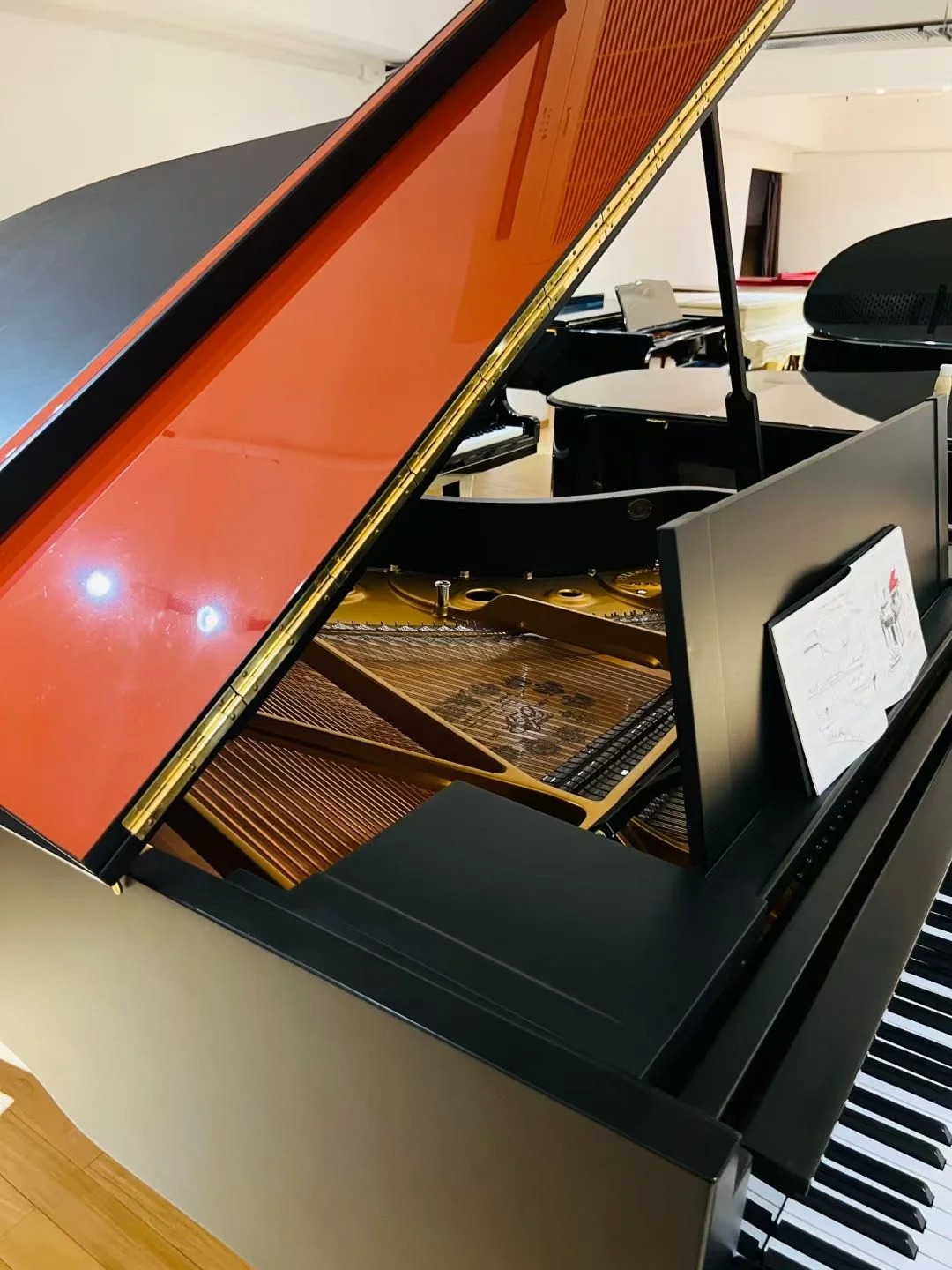
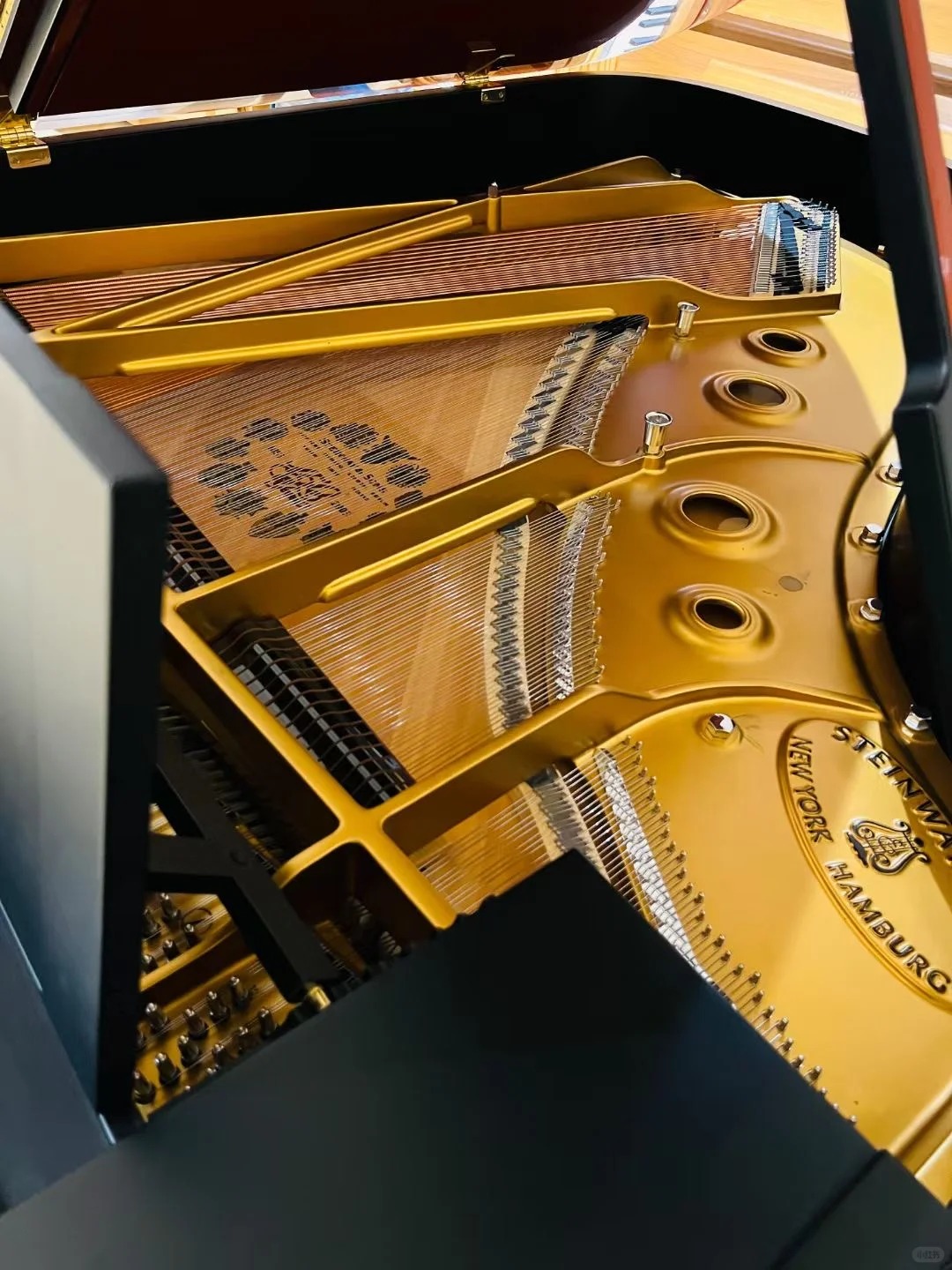
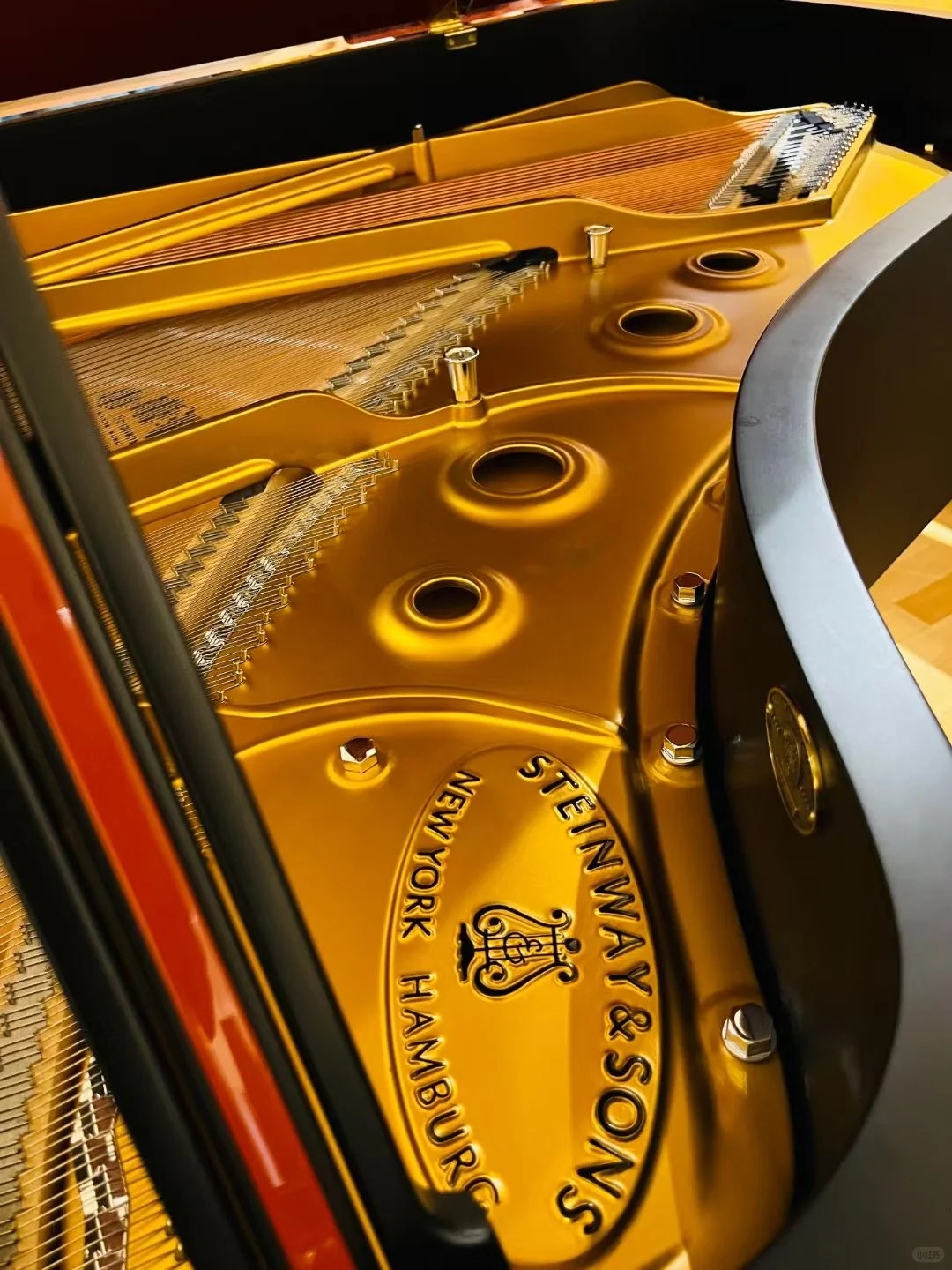
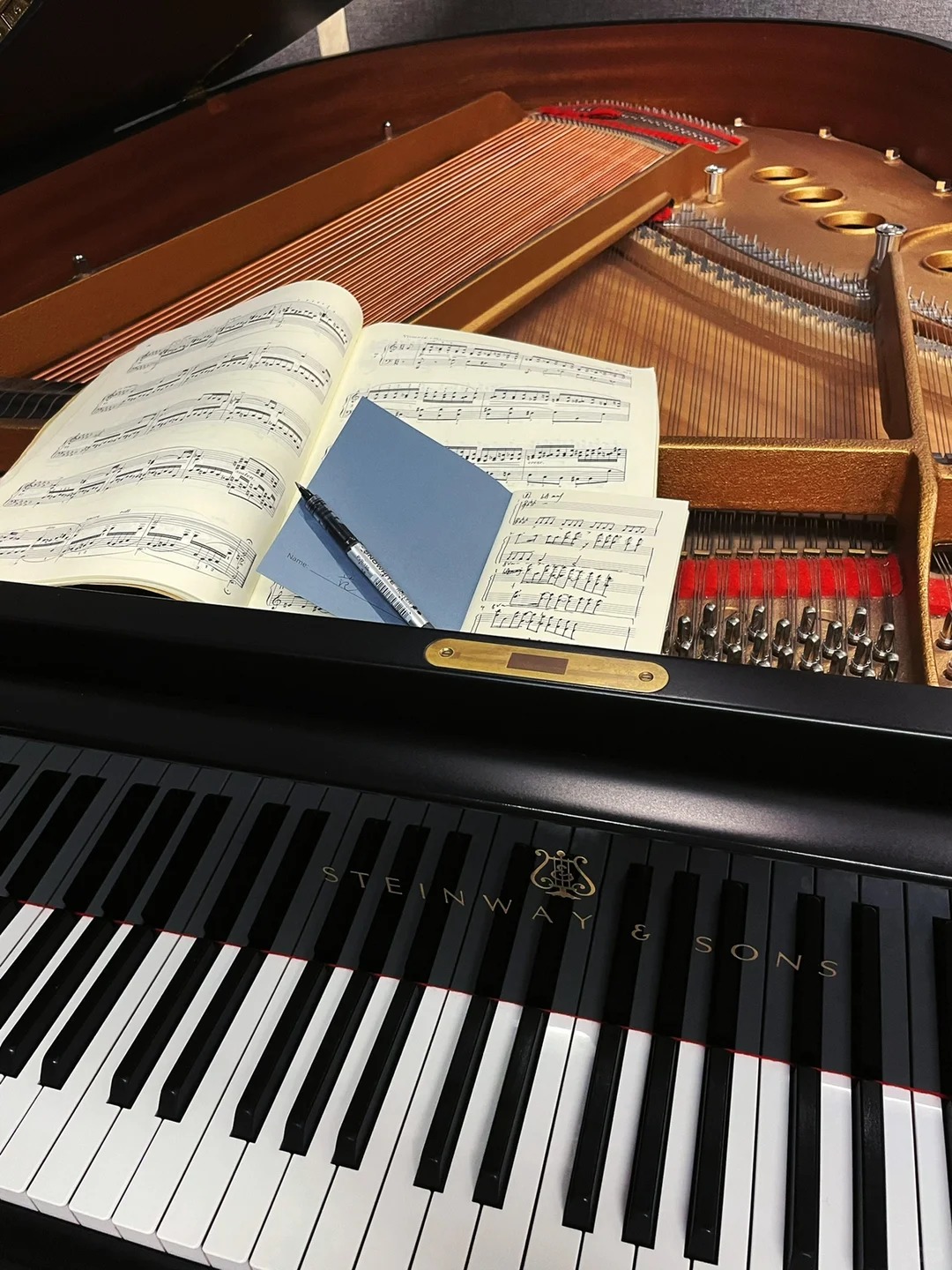
    Steinway & Sons (Hamburg/New York): The ubiquitous benchmark, renowned for its powerful, sustaining tone and patented Diaphragmatic Soundboard*. The Hamburg instruments are often noted for a slightly brighter, more articulate clarity, while New York models favour a warmer, more robust character.

    * Bösendorfer (Vienna): The imperial choice. Known for a uniquely singing, lyrical treble, a resonant, colourful bass (extended to 97 keys in the Imperial model), and a touch of unparalleled evenness and depth.

    * Fazioli (Sacile, Italy): The modern marvel. Celebrated for breathtaking dynamic range, crystalline purity of tone, extraordinary sustain, and a lightning-fast, responsive action. Favoured by virtuosos seeking ultimate precision and colour.

    • The German Heritage Houses: The custodians of Central European tradition, offering distinct tonal personalities.

    C. Bechstein (Berlin): Combines power with a refined, poetic clarity. Their Academy and Concert* series offer different levels of handcraftsmanship.

    Blüthner (Leipzig): Famous for its patented Aliquot* stringing in the treble, which adds a sympathetic resonance, creating a uniquely complex, shimmering sound.

    * Grotrian-Steinweg, Sauter, August Förster, Schimmel Konzert: Each offers exceptional build quality with nuanced differences in touch and tone, from the robust, fundamental sound of Grotrian to the precise artistry of Sauter.

    • Asian Precision Engineering: Masters of consistency, innovation, and exceptional value.

    * Yamaha CFX & S Series: The CFX is a dominant force on modern concert stages, known for its brilliant, projective power and reliability. The S Series offers handcrafted excellence for the discerning home and artist.

    Shigeru Kawai: The pinnacle of Kawai’s craft, where advanced materials like the Millennium III carbon fibre action meet traditional, hand-finishing by master Takumi* artisans, resulting in a warm, complex tone.

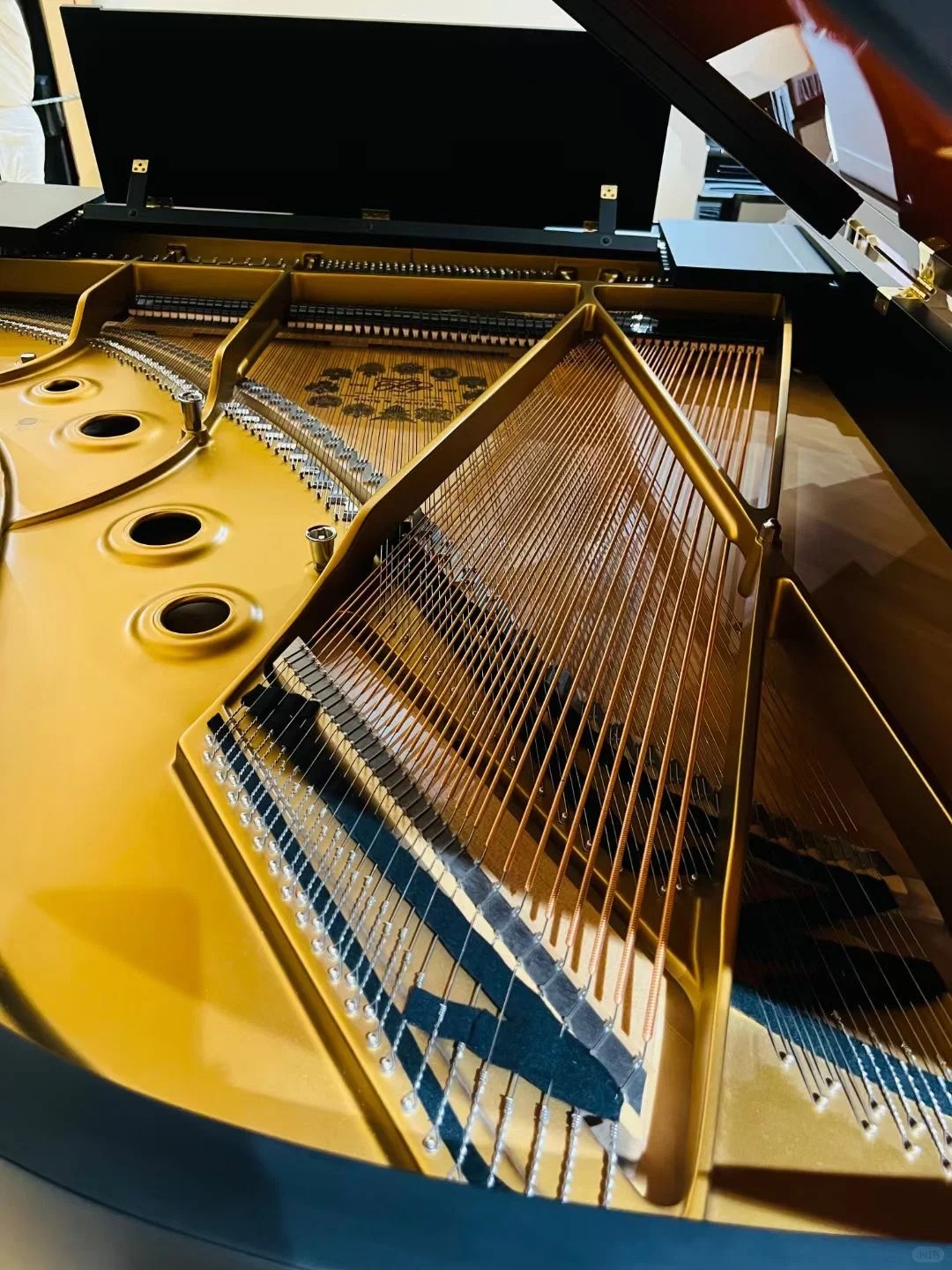
    The soul of any grand piano lies in its scale design (the precise string lengths and tensions), its action (the mechanical heart, with makers like Renner being the gold standard), and its materials—most notably the solid spruce soundboard, often sourced from the legendary Val di Fiemme forests of Italy for the finest instruments.

    Objective Selection Criteria: Beyond the Brand Name

    Size & Space

    The length of a grand piano is its most critical physical determinant. It directly influences bass string length and soundboard area, which govern tonal richness, power, and bass fundamental clarity.

    • Baby Grands (under 5’5″): Suitable for tight spaces but often make compromises in bass power and tonal complexity.
    • Living Room Grands (5’5″ to 6’5″): The most popular range for homes. Models like the Steinway Model A (6’2″) or Yamaha C3X (6’1″) offer an excellent balance of musicality and footprint.
    • Semiconcert & Concert Grands (7′ to 9’+): Instruments like the Fazioli F228 (7’6″) or Steinway Model D (8’11 ») deliver uncompromised performance for large spaces, concert halls, and recording studios.
    • Rule of Thumb: The room should be at least 10 times the piano’s length in each dimension. A 6-foot grand ideally needs a room of at least 60 square metres to breathe and avoid overwhelming bass resonance.

    The Action & Touch

    The action is the interface between pianist and string. Key concepts include:

    • Double Escapement: Allows for rapid note repetition without fully releasing the key, essential for advanced repertoire.
    • Repetition Speed & Weighting: A responsive, well-regulated action feels neither heavy nor light, but connected. German actions (e.g., Renner) are prized for their nuanced depth, while Japanese actions (e.g., Yamaha’s or Kawai’s Millennium III) are celebrated for their consistency, durability, and speed.

    Tonal Character & Signature

    Regional heritage shapes sound:

    • American/Steinway: Projective, powerful, with a fundamental clarity and long sustain.
    • Viennese/Bösendorfer: Warm, lyrical, and singing, with a complex harmonic palette.
    • German (Bechstein, Blüthner): A range from clear, fundamental power to romantic, colourful resonance.
    • Japanese (Yamaha, Shigeru Kawai): Often brighter, with exceptional clarity, precision, and consistency.

    Budget & Value

    • New vs. Certified Pre-Owned: A well-maintained pre-owned instrument from a reputable brand can offer tremendous value. Programmes like Steinway Certified Pre-Owned provide refurbishment and warranty security.
    • Total Cost of Ownership: Factor in biannual tunings (£200-£400 per year), periodic regulation and voicing (£500-£1,500 every few years), and specialist transport and placement.
    • Depreciation: Instruments from the top tier (Steinway, Bösendorfer, Fazioli) typically hold their value exceptionally well, often appreciating if kept in prime condition.

    Grand Pianos by User Profile & Scenario

    The Discerning Amateur / Home Enthusiast

    Priority is on tonal beauty, reliability, and how the instrument complements a domestic space. A responsive action is key for enjoyment. Size is often the primary constraint, with models between 5’5″ and 6’5″ being ideal. Focus on instruments that offer a rich, inviting tone at lower volumes, such as a Bösendorfer 170 or a Yamaha C2X.

    The Conservatoire Student or Professor

    This instrument is a tool for technical development and must withstand hours of daily practice. Durability, consistent touch, and a neutral, responsive action are paramount. The piano must be capable of revealing every nuance of the player’s technique. Models like the Kawai GX-2 or a robust Yamaha C3X are excellent workhorses, while a C. Bechstein Academy A 192 offers a touch of German tradition for advanced study.

    The Concert Pianist & Recording Artist

    Requirements are for the ultimate in dynamic range, colouristic variety, projection, and reliability. The instrument must be an extension of the artist’s will, capable of whispering and thundering with equal control. This is the realm of the Steinway Model D, Fazioli F278, and Bösendorfer 214VC.

    The Music Institution or Recording Studio

    Durability under heavy use is critical, alongside maintaining tonal integrity. Studios often seek pianos with exceptional clarity and tuning stability for the microphone, like a Fazioli or Yamaha CFX. Institutions may need a fleet of reliable practice room models (e.g., Yamaha C Series, Kawai GX) and a flagship concert grand for performances.

    Recommendation Grid: Grand Pianos by Budget Tier

    (Prices are indicative; always verify with authorised dealers.)

    Tier 1: Entry to Mid-Range (£10,000 – £40,000)

    • Yamaha C3X (6’1″): The industry standard for reliability. Offers a clear, bright, and projective tone with a consistently responsive action. Ideal for advanced students, home use, and smaller teaching studios. New: c. £38,000 – £45,000.
    • Kawai GX-2 (5’11 »): Features the advanced Millennium III action with carbon fibre components for exceptional durability and repetition. The tone is warmer and more rounded than equivalent Yamahas, offering great musicality. New: c. £35,000 – £42,000.
    • Consideration: In this range, exploring the certified pre-owned market through a major retailer like Thomann can reveal excellent examples of European brands like Schimmel or older Boston pianos.

    Tier 2: Advanced & Institutional (£40,000 – £100,000)

    • C. Bechstein Academy A 192 (6’3″): Provides the essence of the German concert tradition. A beautifully balanced instrument with a clear, singing tone and a deeply responsive Renner action. Perfect for the serious pianist seeking European heritage. New: c. £75,000 – £90,000.
    • Shigeru Kawai SK-3 (6’2″): Hand-finished by master artisans. Represents the pinnacle of Japanese craftsmanship, with a remarkably warm, complex, and resonant tone that rivals European counterparts. New: c. £65,000 – £80,000.
    • Steinway & Sons Model A (6′ 2″ – Hamburg): The classic salon grand. Delivers the iconic Steinway sound—sustaining, colourful, and powerful—in a size suitable for larger homes and small halls. A lifetime instrument. New: c. £95,000 – £120,000.

    Tier 3: Concert & Collector Grade (£100,000+)

    • Bösendorfer 214VC (7′): The « Vienna Concert » model. Retains the legendary singing, lyrical character of Bösendorfer while delivering greater power and projection in the bass, making it versatile for both intimate and larger spaces. New: c. £150,000 – £180,000.
    • Fazioli F228 (7’6″): A masterpiece of modern engineering. Offers breathtaking clarity, a seemingly endless sustain, a palette of pristine colours, and the fastest action available. The choice for pianists seeking ultimate transparency and dynamic range. New: c. £180,000 – £220,000.
    • Steinway & Sons Model D (8’11 » – Hamburg): The undisputed reference for the world’s concert stages. Unmatched in its ability to project a rich, complex, and powerful sound in a large hall while remaining perfectly controllable. New: c. £160,000 – £200,000+.

    The Purchasing Process & Trusted Channels

    The personal audition is non-negotiable. Play the piano in the space it is displayed in, testing its dynamic range, touch responsiveness, and tonal palette with familiar repertoire.

    For used instruments, an independent, qualified piano technician’s inspection is essential to assess the condition of the soundboard, pin block, action, and strings.

    When considering a new purchase, authorised dealers provide security, warranty, and after-sales service. A retailer like Thomann, as Europe’s largest music retailer, offers distinct advantages: a broad selection for comparison, transparent pricing, free delivery across Europe, flexible financing options, and a comprehensive 3-year warranty, making them a viable channel for initial research and purchase.

    Frequently Asked Questions (FAQ)

    What is the minimum room size for a grand piano?

    As a practical rule, a room should have dimensions at least 10 times the length of the piano. For a 6-foot (183 cm) grand, aim for a room no smaller than 60 square metres (e.g., 6m x 10m). This allows the sound to develop properly and prevents excessive bass buildup that can overwhelm the space and sound muddy.

    How much does it cost to maintain a grand piano annually?

    Budget approximately £200-£400 for two professional tunings per year, essential for stability and health. A more comprehensive service—including regulation (adjusting the mechanical action) and voicing (adjusting the tone by needling the hammers)—may cost between £500 and £1,500+ and is typically needed every 3-5 years, depending on usage and environmental conditions.

    Is a used grand piano a good investment?

    Often, yes. A well-maintained instrument from a reputable brand can offer exceptional musical value at a lower cost than new. The key is due diligence: a full history and, crucially, an inspection by an independent technician. Certified pre-owned programmes from makers like Steinway or authorised dealers add layers of security and refurbishment guarantees.

    What’s the difference between Hamburg and New York Steinways?

    While both are exceptional, regional traditions create subtle differences. Hamburg Steinways (built for the European market) are often described as having a brighter, more articulate treble and a slightly lighter, quicker touch. New York Steinways tend to have a warmer, more powerful bass and a touch that feels slightly deeper. The choice is entirely subjective and personal.

    Can I buy a grand piano online without trying it first?

    It is strongly discouraged for instruments at this level and price point. While retailers like Thomann have excellent customer service and return policies, the tactile and tonal connection between a pianist and a specific piano is profoundly personal. An in-person audition is an essential, irreplaceable part of the selection process.

    Real-world scenarios: practical use cases

    In a city flat

    • Size & Tone: A piano between 5’ and 5’8” (152-173 cm), like a Yamaha GB1K or Kawai GL-10, is ideal. Its tone should be sweet and controlled, not overwhelmingly powerful, to suit a 40–60 m² space.
    • Neighbour Considerations: Discuss practice times with neighbours. Placing the piano on an insulating caster cup mat can reduce vibration transmission through floors.
    • Transport Access: Measure doorways, stairwells, and lifts meticulously. Professional piano movers are essential for navigating tight urban spaces.
    • Silent System Option: Many models offer a silent or hybrid system (e.g., Yamaha SH2, Kawai ATX3) with headphones, allowing for unrestricted practice at any hour.

    In a concert hall

    • Projection & Power: The instrument must fill a large, often acoustically dry space with clear, carrying sound. A full concert grand (over 7’) is standard, with a scale design optimised for long-distance projection.
    • Dynamic Endurance: The action must feel consistent and responsive from pppp to ffff throughout a demanding recital programme, without tiring the pianist.
    • Tuning Stability: It must hold perfect tuning and regulation across significant changes in stage temperature and humidity during a performance.
    • Artist Familiarity: Halls typically stock recognised benchmarks like the Steinway Model D or Yamaha CFX, as touring artists are intimately familiar with their characteristics.

    In a recording studio

    • Behaviour Under Microphones: The tone must be clean, complex, and free of unpleasant mechanical noises. A piano with exceptional clarity and separation of notes, like a Fazioli or Bösendorfer, is often preferred.
    • Sustain & Colour: A long, pure sustain allows for lush, atmospheric recordings. The ability to produce a wide palette of tonal colours from a single instrument is invaluable.
    • Tuning Stability: Paramount. The piano must stay perfectly in tune for the duration of long recording sessions, often under bright studio lights.
    • Controllable Power: While power is needed, a piano that can produce a beautiful, intimate tone at lower volumes is crucial for close-miking techniques.

    In a conservatoire

    • Intensive Daily Use: The action must be incredibly durable, capable of withstanding 8-12 hours of daily practice from multiple users, and maintain its regulation for extended periods.
    • Durability & Consistency: Instruments need to be robust and require minimal unscheduled maintenance. Consistency across a fleet of practice room pianos is also important for student development.
    • Versatile Tone: The piano should have a neutral, clear tone that responds truthfully to the player, aiding technical development rather than imposing a strong character.
    • Security & Monitoring: Often fitted with locking fallboards and may be part of a networked system for usage monitoring and maintenance scheduling.

    Technical specifications

    | Specification | Details & Common Values |

    | :— | :— |

    | Typical Length Range | 4′ 11″ (150 cm) to 9′ (274 cm) |

    | Typical Width | Approximately 5′ (152 cm) |

    | Weight | 250 kg (5′ model) to 550 kg (9′ concert grand) |

    | Action Type | Double escapement, wooden or composite (e.g., Kawai Millennium III carbon fibre). Premium brands use Renner or proprietary actions. |

    | Soundboard Timber | Solid Sitka or European spruce (Val di Fiemme for premium models). |

    | Number of Keys | 88 standard. Bösendorfer Imperial models have 97. |

    | Finishes Available | Polished Ebony (most common), Polished White, various Satin and Polished Wood Veneers (Mahogany, Walnut, etc.). |

    Purchase guide

    New Price / Certified Pre-Owned Price

    • New: Prices start from around £12,000 for an entry-level baby grand (e.g., Yamaha GB1K) and can exceed £200,000 for a top-tier concert grand. Always obtain quotes from authorised dealers.
    • Certified Pre-Owned: Offers significant savings, typically 30-50% below equivalent new models, with the added assurance of professional refurbishment and a manufacturer-backed warranty (e.g., Steinway CPO).

    Where to Buy

    • Authorised Brand Dealers: Provide expert advice, after-sales service, and manufacturer warranties. Essential for new purchases.
    • Specialist Piano Retailers: Often have a curated selection of new and premium used instruments from multiple brands.
    • Major Retailers: For research and purchase of established mid-range models, a retailer like Thomann is a reputable option. They offer the convenience of free European delivery, a clear 3-year warranty, and financing plans, allowing you to compare specifications and prices easily.

    Annual Maintenance Cost

    Budget between £300 and £600 per year. This covers two tunings (£150-£250 each) and a contingency for minor adjustments. Set aside a further £800-£2,000 every 3-5 years for regulation and voicing.

    What to Check Before Buying

    1. Condition of Soundboard: Look for visible cracks (small crown cracks can be normal), but ensure it is not separated from the ribs. Tap it lightly; it should resonate.

    2. Action Regulation: Play every key, from pianissimo to fortissimo, checking for evenness of touch, repetition speed, and that no keys stick or are sluggish.

    3. Pin Block Condition: The tuning pins should be tight. A technician will check the torque; loose pins indicate a worn pin block, which is a major repair.

    4. String & Hammer Condition: Strings should be bright, not rusted. Hammers should be deeply grooved but not worn through to the wood.

    5. Case & Finish: Check for structural integrity and finish condition, though this is largely cosmetic.

  • Grand Piano Buying Guide: How to Choose the Right Model

    Grand Piano Buying Guide: How to Choose the Right Model


    Choosing a grand piano? Our expert UK guide compares Steinway, Yamaha, Bösendorfer, Kawai & Bechstein. Learn about size, action, tone & budget from £10,000+. Discover your perfect instrument.

    Introduction: The Art of Choosing a Grand Piano

    Selecting a grand piano is far more than a simple purchase; it is a deeply personal journey that balances technical specifications, tonal character, physical space, and budget. It is the beginning of a relationship with an instrument that will be a centrepiece of your musical and domestic life. This guide acts as your impartial consultant, demystifying the market for the UK’s discerning pianists, from serious amateurs seeking a beautiful instrument for a London drawing room to institutional buyers equipping a conservatoire.

    Chapter 1: Understanding the Grand Piano Landscape

    The world of grand pianos is defined by centuries of tradition, innovation, and distinct national philosophies. Understanding these lineages is the first step in finding an instrument that resonates with you.

    • Legendary Icons: These are the names that define the pinnacle. Steinway & Sons (Hamburg/New York) is renowned for its powerful, projective tone and unparalleled concert hall presence. Bösendorfer of Vienna offers a uniquely warm, singing, and resonant character, famously embodied in its Imperial model with extra bass keys. Fazioli from Italy represents modern artisan perfection, with breathtaking clarity, dynamic range, and a crystalline treble.
    • German Heritage: Germany’s piano-building tradition is profound. Houses like C. Bechstein (Berlin) and Blüthner (Leipzig) offer instruments of incredible depth, colour, and nuanced responsiveness. Grotrian-Steinweg, Sauter, and August Förster continue this legacy with exceptional craftsmanship, often favoured by pianists seeking a distinctive European voice.
    • Japanese Precision: Brands like Yamaha and Kawai have achieved global acclaim through relentless innovation, consistency, and reliability. The Yamaha CFX and Shigeru Kawai lines compete at the highest concert level, offering exceptional clarity and precise, durable actions. Their Yamaha S/CX Series and Kawai GX Series form the backbone of many studios and academies worldwide.
    • The Value Proposition: Recognising quality is key. Established German brands like Schimmel Konzert offer superb instruments. The Boston piano (designed by Steinway, built by Kawai) and Essex (designed by Steinway) provide access to renowned scales at accessible prices. Premium-tier models from Yamaha and Kawai often represent the best balance of performance and long-term value for serious players.

    Chapter 2: Your Objective Selection Criteria

    Size & Space: The Room Dictates the Instrument

    A grand piano must live in harmony with its environment. As a rule, the length of the piano should suit the room’s volume.

    • Small Grands (150cm – 180cm): Suitable for rooms from 25-35 sq m. Ideal for flats and smaller music rooms. Examples: Yamaha GB1K (161cm), Kawai GL-10 (153cm).
    • Medium Grands (180cm – 210cm): Require a minimum of 30-40 sq m. This is the sweet spot for most homes and serious musicians, offering a full, balanced tone. Examples: Steinway Model A (188cm), Yamaha C3X (186cm), C. Bechstein A190.
    • Concert & Semi-Concert Grands (210cm+): Need large spaces—dedicated music rooms, halls, or studios over 50 sq m. They provide ultimate power, sustain, and bass response. Examples: Steinway Model B (211cm), Bösendorfer 214VC.

    Always consider ceiling height, furnishings, and floor type (a rug under the piano is essential in most domestic settings).

    Tonal Character & Soundboard: The Voice of the Piano

    The tonal signature is the soul of the instrument, largely defined by the design and the solid spruce soundboard.

    • American/Steinway: Powerful, projective, with a fundamental-rich tone that cuts through an orchestra. The Hamburg Steinway is often described as slightly more refined, the New York as more robust.
    • Viennese/Bösendorfer: Warm, lyrical, and singing, with complex harmonics. The sound is often described as « wooden » and resonant, perfect for the classical and romantic repertoire.
    • German (Bechstein, Blüthner): Rich in colour and depth, with great clarity across the registers. Allows for immense tonal shading and dynamic control.
    • Japanese (Yamaha, Kawai): Clear, precise, and consistent. Excellent note separation and a bright, clean treble. Ideal for recording and precise technical work.
    • Italian/Fazioli: Brilliant, transparent, and incredibly powerful. Offers perhaps the greatest dynamic range, with a bell-like treble and formidable bass.

    Action & Touch: The Connection to Your Music

    The action is the mechanical heart. A premium Renner action (or equivalent proprietary design) with double escapement allows for fast repetition and sensitive control. The quality of materials (hardwood shanks, felt) and, crucially, the precision of the regulation and voicing (final adjustments by a technician) determine how the piano feels. A well-regulated action should feel responsive, even, and capable of translating the most delicate pianissimo to a thunderous fortissimo.

    Budget & Value (in GBP): A Realistic Framework

    Prices vary dramatically based on brand, size, age, and condition.

    • New Pianos: Start from around £15,000 for a compact model from a major brand and can exceed £150,000 for a new concert grand from a legendary maker.
    • Certified Pre-Owned: An excellent path to ownership. Programmes like the Steinway Certified Pre-Owned Programme offer fully refurbished instruments with warranties, often at 40-60% of the new price.
    • Long-Term Costs: Factor in annual tuning (£100-£150), regulation/voicing every few years (£300-£600+), and potential climate control systems (like a Dampp-Chaser) to protect your investment in the UK’s variable humidity.

    Chapter 3: Grand Pianos for Every Profile & Setting

    The Discerning Amateur & City-Dweller

    Needs: An instrument that offers musical satisfaction and aesthetic elegance without overwhelming a domestic space. Controlled projection is key for neighbourly harmony. A silent system can be a valuable addition. Focus on smaller grands (170-190cm) from brands like Yamaha, Kawai, or a pre-owned German instrument.

    The Music Student & Conservatoire

    Requirements: Durability and consistency are paramount. The action must be even and responsive for technical development, and the tone clear for accurate listening. Instruments like the Yamaha C3X or Kawai GX-2 are ubiquitous in institutions for their reliability. A well-maintained C. Bechstein Academy piano offers a superb European alternative.

    The Concerting Professional & Recording Artist

    Demands: Ultimate projection, a wide dynamic range, and absolute reliability. The instrument must have a distinct, recognisable voice that translates in a 2,000-seat hall and under the microscope of studio microphones. This is the realm of the Steinway Model D, Bösendorfer 280VC, Yamaha CFX, and Fazioli F278.

    The Collector & Custodian

    Priorities: Heritage, investment potential, and unique musical qualities. This may involve seeking out rare models, pianos with historical provenance, or instruments with unique features like the Bösendorfer Imperial’s 97 keys. The focus is on artisan craftsmanship and preserving a legacy of sound.

    Chapter 4: Recommendation Grid: Grand Pianos by Budget

    £10,000 – £30,000 (The Entry to Quality)

    • Yamaha GB1K (161cm): A reliable, compact home grand. Known for its consistent action and bright, clear tone. A sensible choice for a first grand.
    • Kawai GL-10 (153cm): Features Kawai’s excellent Millennium III action even at this size, offering superior touch and responsiveness in a small package.
    • Focus: This budget often opens the door to well-maintained, nearly-new instruments from premium brands or older, professionally refurbished models from specialist dealers.

    £30,000 – £70,000 (The Heart of the Market)

    • Yamaha C3X (186cm): A benchmark instrument for studios, academies, and serious homes. Offers concert-level build quality, a superb solid spruce soundboard, and remarkable tonal clarity.
    • C. Bechstein Academy A190 (190cm): Brings authentic German heritage, craftsmanship, and a rich, colourful tonal palette within reach of the serious pianist.
    • Steinway Model A (188cm) – Pre-Owned: The classic Hamburg sound. A pre-owned, certified Model A represents the quintessential Steinway experience for the home, with that signature singing tenor and powerful bass.

    £70,000+ (The Investment & Professional Tier)

    • Steinway & Sons Model B (211cm) – New/Hamburg: Often called the « gold standard » for artist homes and smaller concert halls. Unites power, intimacy, and a perfectly balanced scale.
    • Bösendorfer 214VC (214cm): The distinctive Viennese voice in a semi-concert size. Unmistakable warmth, a resonant bass, and a lyrical treble that inspires legato playing.
    • Fazioli F183 (183cm): Proof that perfection comes in all sizes. Unmatched clarity, dynamic responsiveness, and artisan build quality. A statement instrument for the discerning musician.

    Chapter 5: The Purchasing Process & Aftercare

    1. Play the Exact Instrument: Never buy a model unseen. Two pianos of the same brand and size can feel and sound different. Play it extensively.

    2. Navigate the Market: Visit specialist dealers with strong reputations. Consider auctions only with expert advice. For new instruments, purchasing from a major retailer like Thomann offers significant advantages, including Europe-wide delivery, a 3-year warranty, and flexible financing options, all backed by their extensive experience.

    3. Professional Inspection: For any used piano, hire an independent concert technician to inspect the soundboard (for cracks or loss of crown), pin block (for tuning stability), and action regulation.

    4. Essential Aftercare: Find a technician you trust. Plan for at least two tunings per year, with regulation and voicing as needed. Invest in a hygrometer and consider a humidity control system to protect your piano from the UK climate.

    Frequently Asked Questions (FAQ)

    What is the minimum room size for a grand piano?

    For a small grand (around 150-160cm), a room of at least 25-30 square metres with reasonable ceiling height is advisable. For a medium grand (180-190cm), aim for 35-40 square metres. The piano needs space for its sound to develop without becoming overwhelming.

    What are the main differences between a Hamburg and a New York Steinway?

    While both are exceptional, they have different heritages. Hamburg Steinways are often described as having a brighter, more precise, and slightly more refined tone with a lighter touch. New York Steinways typically have a darker, warmer, more powerful bass and a heavier, more robust action. The choice is deeply personal.

    Is a used grand piano a wise investment?

    A used piano can be an excellent investment if approached carefully. A well-maintained or professionally refurbished instrument from a reputable brand often offers far greater value than a new piano at the same price. Always get an independent technical inspection and prioritise instruments with a known service history.

    How much does it cost to maintain a grand piano annually in the UK?

    Budget for at least two tunings per year, costing between £200 and £300 in total. Every 2-5 years, you may need regulation and voicing, which can cost from £300 to over £1,000 depending on the work required. Additional costs include potential repairs, climate control, and insurance.

    Why are some grand pianos significantly more expensive than others of the same size?

    Price reflects materials, craftsmanship, brand heritage, and scale of production. A hand-built piano using aged, select-grade solid spruce, a single-cast iron frame, precious hardwoods for the action, and hundreds of hours of artisan labour (like a Fazioli or Bösendorfer) will command a far higher price than a mass-produced instrument, even if they are similar in length.

    Real-world scenarios: practical use cases

    In a city flat

    • Size & Tone: Prioritise a compact grand (153-180cm). Look for an instrument with a tone that is beautiful but not overly projective; a European piano like a Bechstein or a well-voiced Yamaha can be ideal.
    • Neighbour Considerations: Discuss practice times, use rugs and soft furnishings to absorb sound, and seriously consider a quality built-in silent system that allows for headphone practice.
    • Access: Measure doorways, staircases, and lifts meticulously. Professional piano movers are essential for navigating tight urban spaces.

    In a concert hall

    • Projection & Power: The piano must fill the hall with a clear, balanced tone without straining. Concert grands (225cm+) are designed for this, with powerful bass registers and brilliant, carrying trebles.
    • Endurance: The action must remain consistent and reliable throughout a demanding recital or concerto performance, with no degradation in touch or tone.
    • Tuning Stability: It must hold its tuning perfectly despite changes in stage temperature and humidity from lighting and audience.

    In a recording studio

    • Behaviour Under Microphones: The instrument must sound coherent and balanced from the player’s position and through microphones. Some pianos that sound glorious in a room can have uneven registers when recorded. Fazioli and Yamaha CFX are renowned for their recording clarity.
    • Sustain & Control: A long, clean sustain allows for beautiful legato lines. The action must permit extreme dynamic control for nuanced performances.
    • Tuning Stability: Absolute stability over long recording sessions is non-negotiable to avoid costly retakes.

    In a conservatoire

    • Intensive Daily Use: The piano must withstand 8-12 hours of playing daily by different pianists. Durability of the action components and resilience of the hammers are critical.
    • Consistency: Students need predictable instruments to develop technique. Actions must be regulated frequently to maintain an even touch.
    • Versatility: The tone should be clear and articulate enough for Baroque and Classical works, yet capable of warmth and power for Romantic and modern repertoire. The Yamaha C3X/C5X and Kawai GX series are popular for this reason.

    Technical specifications

    | Specification | Description |

    | :— | :— |

    | Typical Size Range | 150cm (4’11 ») to 308cm (10’2″) |

    | Typical Weight | 250kg (5′ grand) to 550kg (9′ concert grand) |

    | Action Type | Double escapement, typically with Renner or proprietary components (e.g., Kawai Millennium III) |

    | Soundboard Timber | Solid, quarter-sawn Sitka or European Spruce |

    | Number of Keys | 88 (standard); 97 on Bösendorfer Imperial & certain special models |

    | Frame | Single-cast iron plate |

    | Finishes Available | High-gloss Polish (Ebony, White, Walnut, Mahogany), Satin (various woods), Open-Pore, Exotic Veneers |

    Purchase guide

    • New Price Range: From approximately £15,000 for a compact model to £200,000+ for a hand-built concert grand.
    • Certified Pre-Owned Price: Typically 40-70% of the original new price, depending on age, condition, and brand.
    • Where to Buy: Authorised brand dealers, specialist piano retailers, and established large-scale music retailers. For new instruments, Thomann is a highly reputable option, offering free delivery across Europe, a comprehensive 3-year warranty, and expert advice.
    • Annual Maintenance Cost: Budget £300-£500 on average for tuning and minor adjustments. Larger servicing costs extra.
    • What to Check Before Buying:

    * Soundboard: Inspect for cracks or a loss of crown (the slight curvature vital for resonance).

    * Action Regulation: Test for evenness of touch and repetition speed across all keys.

    * Pin Block & Tuning Stability: Check if the piano holds its tune. A technician can assess pin torque.

    * Strings & Hammers: Look for rust on strings and deep grooves or hardening on the hammer felts.

    * Case & Finish: Check for structural integrity and cosmetic condition, which affects value.