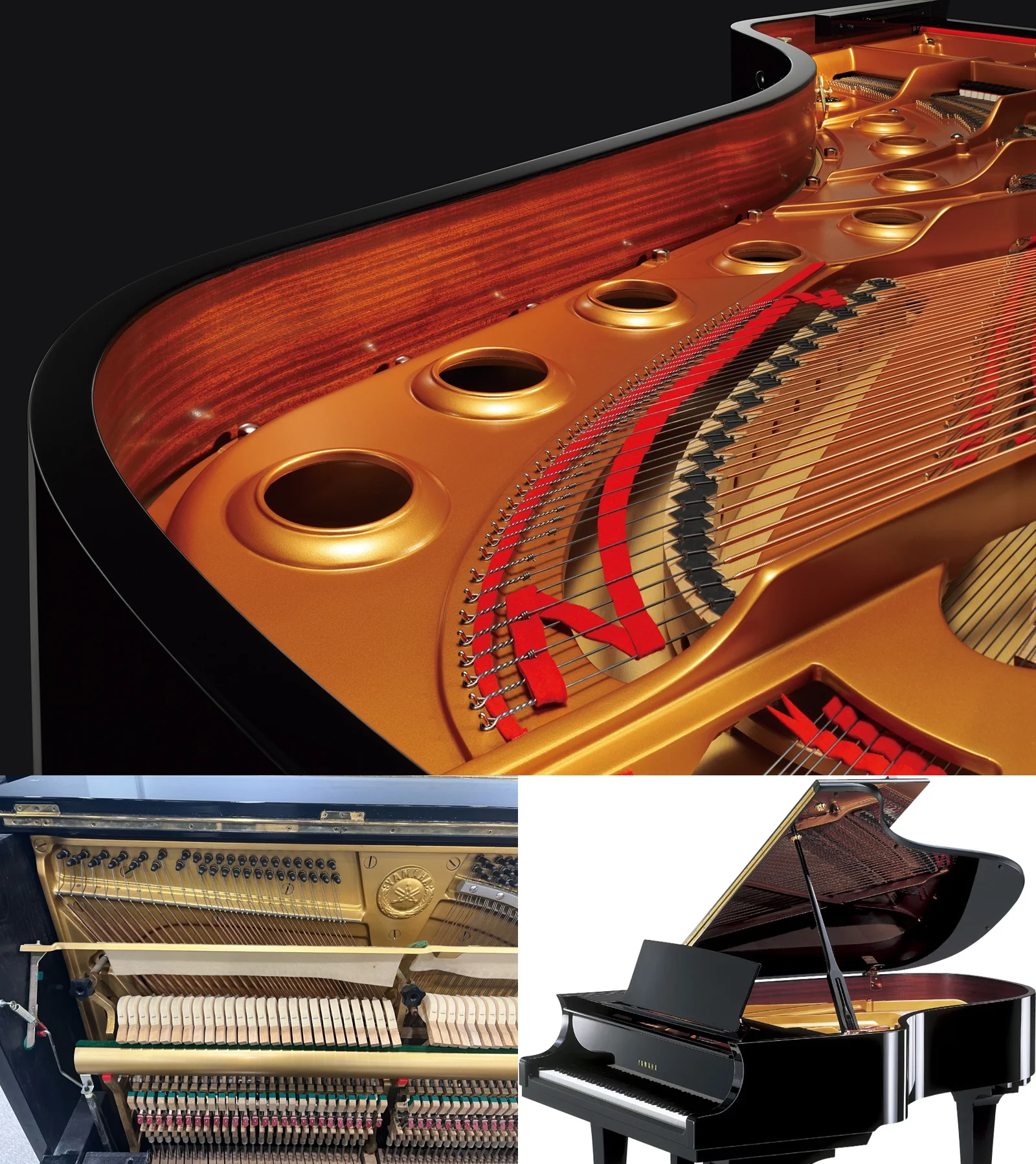
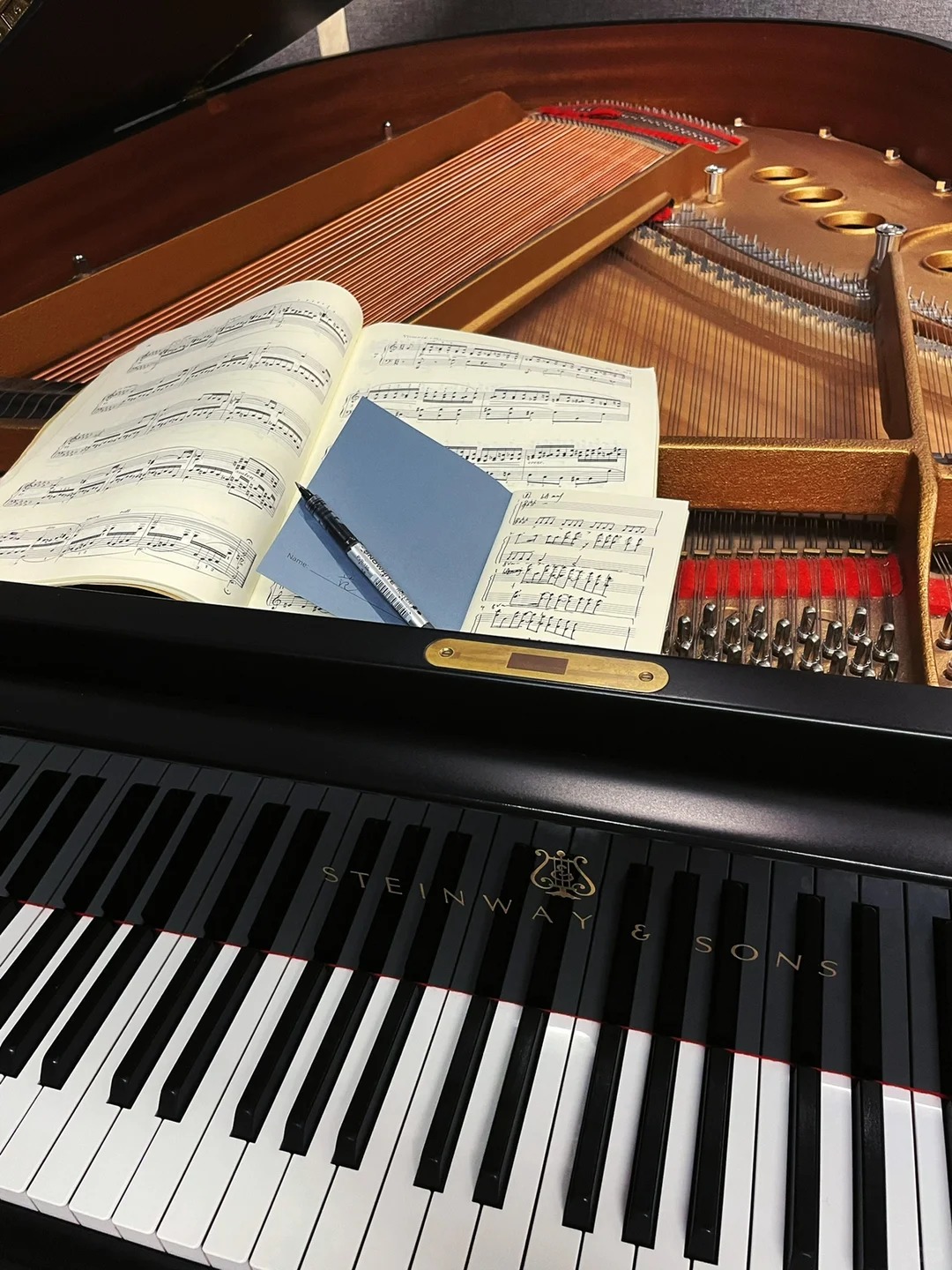
Choosing a grand piano is one of the most significant and personal investments a musician can make. It is not merely a purchase of furniture or an appliance, but the acquisition of a lifelong artistic partner. The process balances profound emotional connection with rigorous technical appraisal. This guide serves as your authoritative consultant, providing the objective framework to navigate the illustrious and sometimes daunting world of grand pianos. We will compare the legendary houses—from Steinway and Bechstein to Yamaha and Kawai—across tone, action, size, and budget, empowering you to make an informed decision that resonates with your artistic vision and practical circumstances.
Introduction: The Art of Choosing a Grand Piano
The short answer is that selecting a grand piano is a deeply personal decision balancing your acoustic goals, physical space, touch preference, and budget. There is no single « best » piano, only the best piano for you. This guide demystifies the market, moving beyond brand prestige to the core elements that define an instrument’s character and capability. Whether you are a discerning amateur seeking beauty for your London drawing room, a conservatoire student requiring a responsive tool for technical mastery, or a professional in need of a concert-stage partner, the principles of choice remain the same. We approach this not with empty superlatives, but with a focus on technical precision, honest comparison, and an appreciation for the craftsmanship that turns materials into music.
The Grand Piano Market: A Landscape of Legends & Craftsmanship
Each major manufacturer brings a distinct philosophical and tonal signature to the keyboard, born from centuries of tradition and innovation.
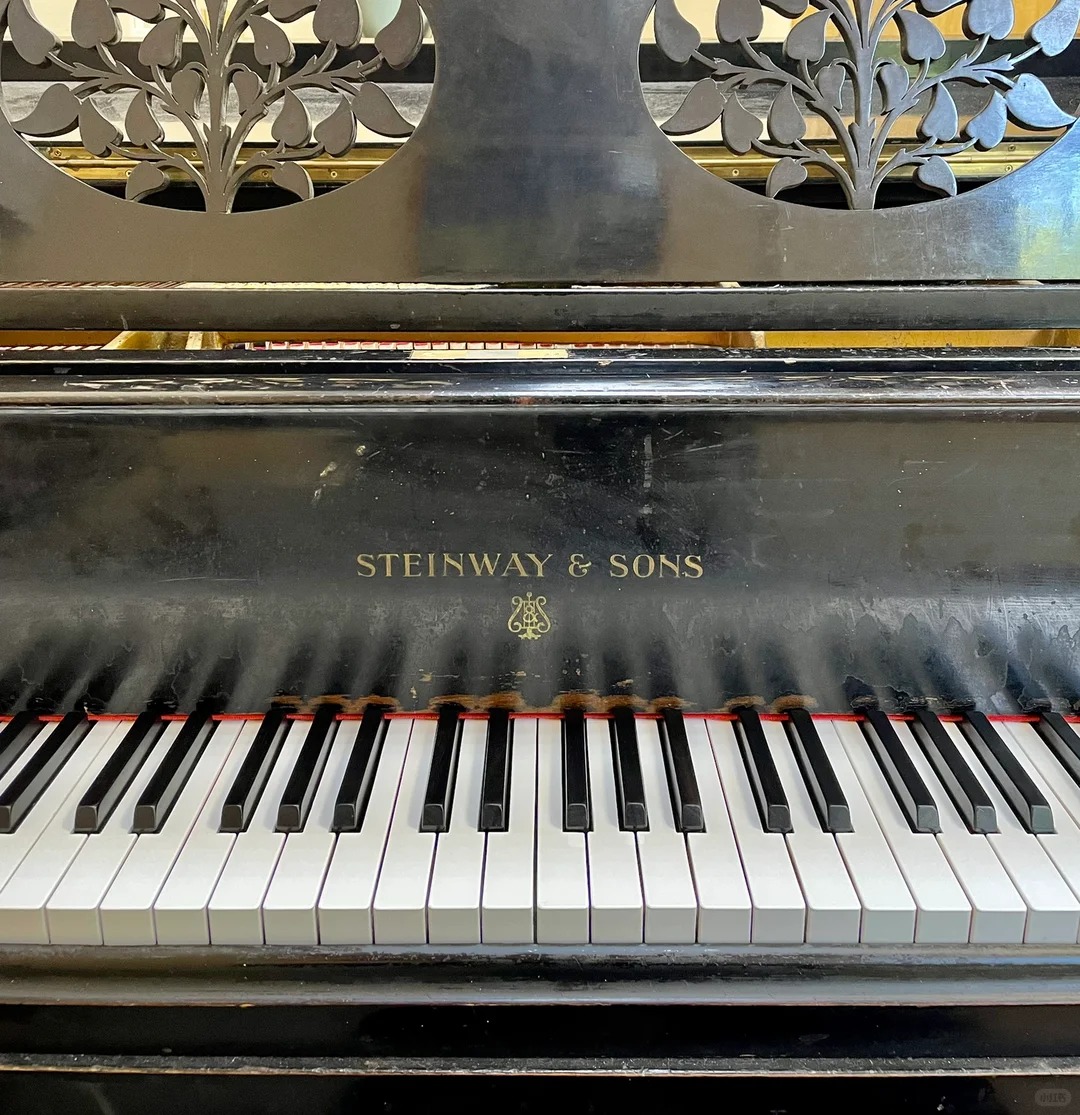
- The American Icon: Steinway & Sons. Synonymous with the concert grand, Steinway’s philosophy is built on power, projection, and a cohesive tonal scale. The Hamburg Steinway (typically found in the UK and Europe) is often noted for a slightly brighter, more articulate treble and a precise action. The New York Steinway offers a warmer, more robust bass and a famously singing tenor register. Both share the foundational Diaphragmatic Soundboard and Single-Cast Iron Frame that define their signature sound.
- The German Tradition: C. Bechstein, Blüthner, Grotrian-Steinweg. German engineering emphasises complexity, clarity, and sustain. C. Bechstein (Berlin) is revered for its crystalline treble, lightning-fast Renner action, and immense dynamic range, favoured by virtuosos for its transparency. Blüthner (Leipzig) employs unique Aliquot Stringing in the treble, adding a bell-like, sympathetic resonance for a uniquely romantic sound.
- The Viennese Romantic: Bösendorfer. From Vienna, Bösendorfer grands are instruments of profound warmth and lyrical singing tone. Their Resonance Case Principle and spruce beams create a more open, fundamental-rich sound. The legendary Imperial 290 extends the bass with nine extra keys, offering unparalleled depth for certain repertoire.
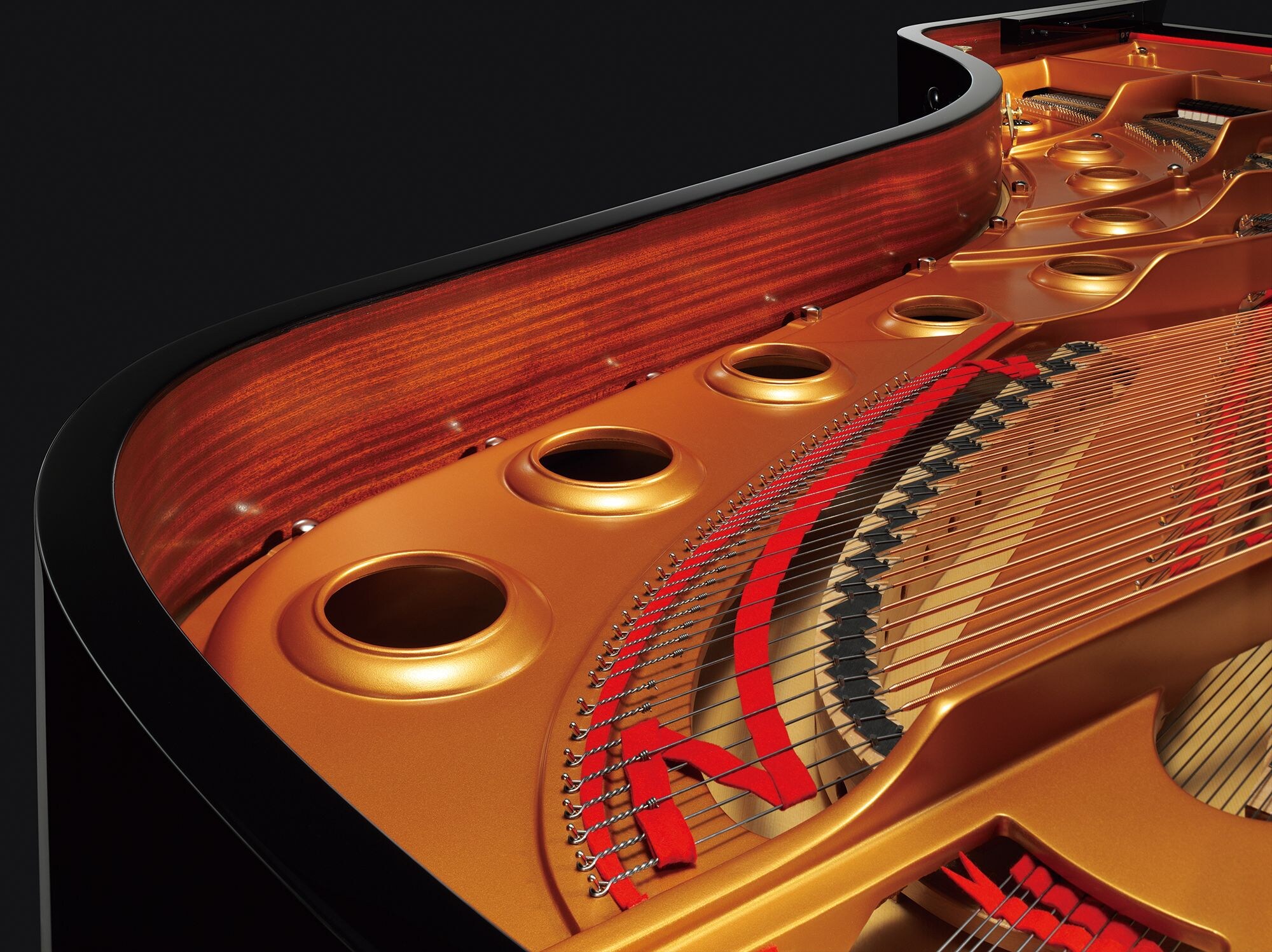
- The Italian Precision: Fazioli. The modern benchmark for precision, Fazioli pianos from Sacile are handcrafted masterpieces known for their explosive power, incredibly long sustain, and almost analytical clarity across the entire register. Their Double Cast Iron Frame and unique soundboard design produce a tone of remarkable purity and dynamic reach.
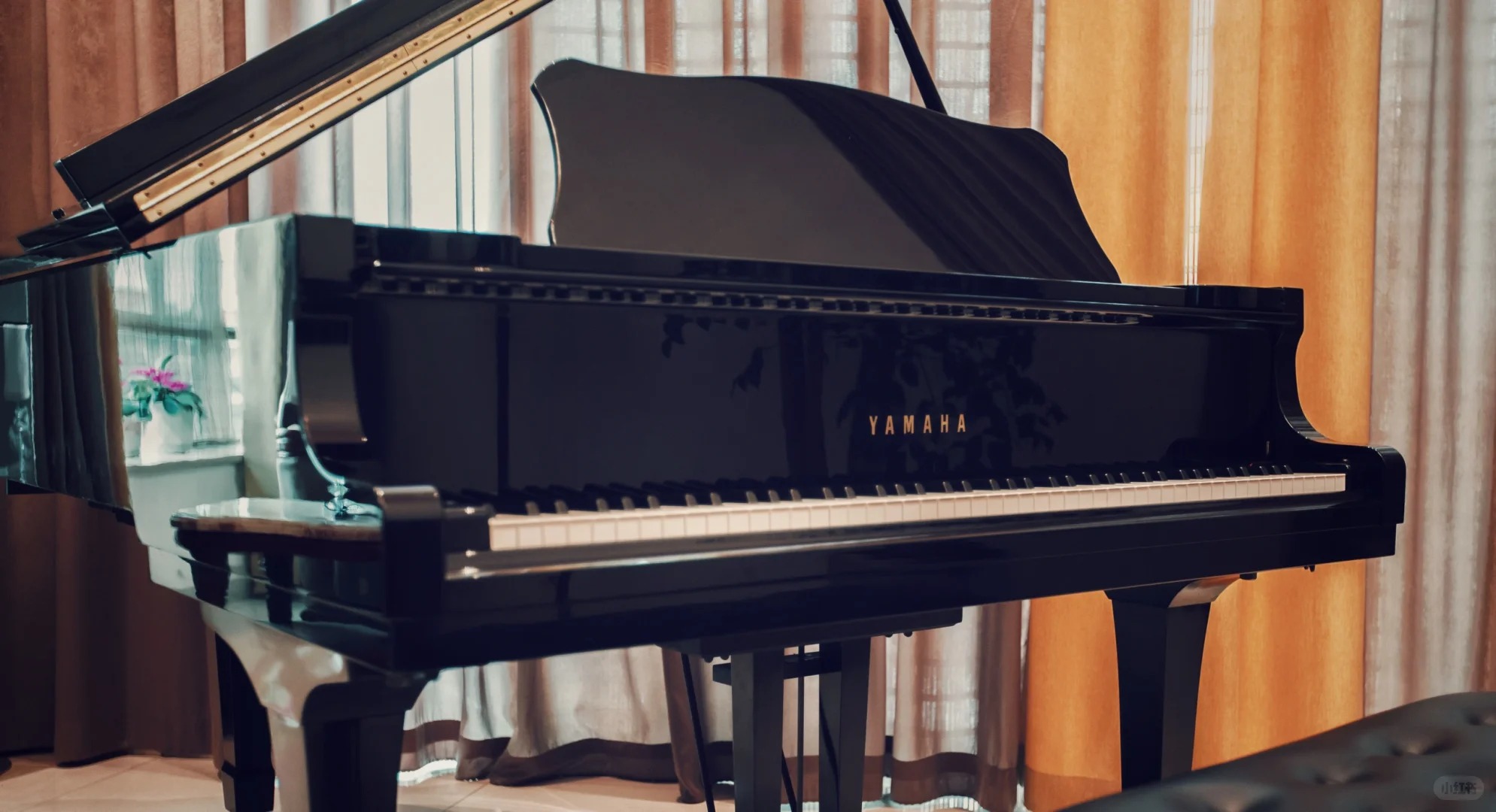
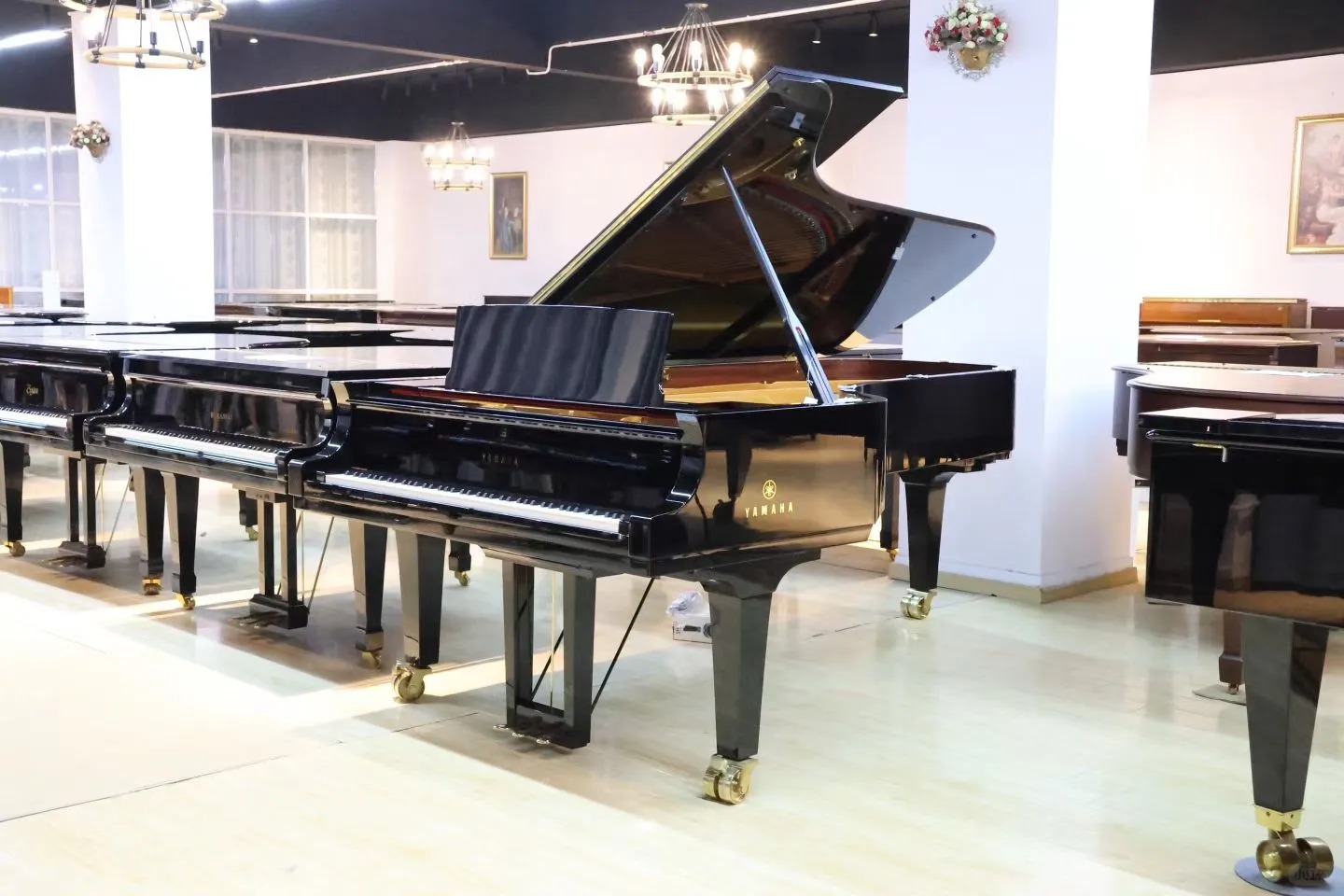
- The Asian Excellence: Yamaha & Kawai. These manufacturers have achieved world-class status through relentless innovation and quality control. Yamaha’s CFX concert grand is a dominant force on stages worldwide, known for its brilliant, consistent, and powerful tone. Shigeru Kawai represents the pinnacle of their craft, where master piano builders hand-finish each instrument, resulting in a warm, nuanced, and deeply musical character that rivals the great European houses.
Your Objective Selection Criteria: Beyond the Brand
Size & Space: The Foundation of Sound
A grand piano’s length directly dictates its bass response, soundboard area, and overall volume. A longer bass string produces a richer, more defined fundamental tone.
- Baby Grands (under 5’6” / 168cm): Ideal for space-constrained settings. While modern engineering has improved their performance, the shorter strings can limit bass depth and dynamic range. Suitable for a medium-sized living room.
- Parlour or Living Room Grands (5’8” to 6’5” / 173-196cm): The most versatile category. Instruments like the Steinway Model A or Yamaha C3X offer an excellent balance of tonal richness and domestic practicality. They require a dedicated space of at least 30-40 square metres to sound their best.
- Semi-Concert & Concert Grands (7’ and above / 213cm+): These are instruments of power and colour, designed for large spaces. The Steinway Model D (8’11”) or Yamaha CFX demand a room—or concert hall—that can handle their immense projection and tonal complexity.
Tonal Character: Finding Your Voice
- American Projection (e.g., Steinway, Boston): Clear, direct, and powerfully projecting. The tone is engineered to cut through an orchestra and fill a large hall with a cohesive sound from pp to ff.
- European Warmth & Complexity (e.g., Bösendorfer, Blüthner): A richer harmonic palette, often described as more « singing » or « romantic. » The sound has more colouristic variety and may feel more integrated with the acoustic of a domestic space.
- Analytical Precision & Power (e.g., Fazioli, C. Bechstein): Exceptional clarity, allowing every note in dense passages to be heard. The attack is precise, the sustain is very long, and the dynamic range is extreme.
Action & Touch: The Interface of Expression
The action is the mechanical heart of the piano. A superior action, like the Renner or Kawai’s Millenium III, offers unparalleled control, repetition speed, and a nuanced connection between the finger and the hammer. Key elements include:
- Double Escapement: Allows for rapid note repetition without fully releasing the key.
- Key Weighting & Balance: Affects the tactile feel and playing effort. A well-regulated action should feel responsive, not heavy or light.
- Materials: Carbon fibre components (Kawai) offer stability and consistency; traditional wood and felt (Renner) provide a classic, nuanced feel.
Budget Realities in GBP: Defining Your Investment
- £10,000 – £30,000: The entry-point for a new grand, covering quality compact models from Yamaha and Kawai. This range is also the core of the pre-owned market for older instruments from premium brands.
- £30,000 – £70,000: The realm of serious professional instruments from Asia (e.g., Shigeru Kawai, Yamaha S Series) and an extensive selection of certified pre-owned Steinways, Bechsteins, and other European pianos.
- £70,000 – £150,000: The lifetime investment tier for new instruments from the great European houses (e.g., Steinway Model B, Bösendorfer 185).
- £150,000+: The concert and collector tier, encompassing new concert grands and rare, bespoke instruments from Fazioli, Bösendorfer Imperial, and Steinway.
Remember to factor in the Total Cost of Ownership: specialist piano transport (£500-£1500), initial tuning and regulation (£200-£500), and annual maintenance (£200-£400 for two tunings).
Grand Pianos for Every Profile & Scenario
- The Discerning Amateur & City-Dweller: Your priority is a piano that offers musical satisfaction without overwhelming your space. Focus on compact grands (5’ – 5’8”) with a controlled, beautiful tone. A silent system can be a prudent addition. Models like the Yamaha GC1 or Kawai GL-10 are designed for this very purpose.
- The Music Student & Conservatoire: You need a responsive, durable, and tonally accurate tool for technical development. A medium grand (6’ – 7’) is ideal, offering a full-scale action and sufficient tonal resources. The Yamaha C3X or Kawai GX-2 are workhorses in academies worldwide for their reliability and consistent touch.
- The Concert Professional & Recording Artist: Your demands are uncompromising: ultimate projection, infinite dynamic range, and a vast palette of tonal colours. Only a full concert grand (7’6”+) will suffice. This is the domain of the Steinway D, Yamaha CFX, and Fazioli F278.
- The Collector & Connoisseur: Your search is for a unique voice, historical significance, or bespoke craftsmanship. You may seek the specific Viennese warmth of a Bösendorfer, the crystal clarity of a vintage Bechstein, or a custom-finish Fazioli.
Recommendation Grid: Grand Pianos by Budget
- £10,000 – £30,000 (The Entry-Point Grand)
* Yamaha GB1K (5’3”): A reliable and consistent compact grand, perfect for a first purchase or a space-conscious home. It provides the authentic grand piano experience with Yamaha’s renowned build quality.
* Kawai GL-10 (5’1”): Features the superior Millenium III action with carbon fibre components in a small footprint, offering remarkable touch responsiveness for its size.
* Focus: This budget opens the door to quality new Asian-built instruments and requires diligent searching in the pre-owned market for older European models.
- £30,000 – £70,000 (The Serious Instrument)
* Yamaha C3X (6’1”): The benchmark professional studio and performance grand. Offers a powerful, clear tone, incredibly even scale, and flawless reliability. A standard in music institutions.
* Shigeru Kawai SK-2 (5’10”): A hand-finished instrument where a Master Piano Builder personally voices and regulates each piano. The tone is warm, nuanced, and exquisitely crafted, rivalling European counterparts.
* Pre-owned Hamburg Steinway Model A (6’2”): A classic parlour grand. A carefully selected, professionally reconditioned example in this price range can offer that legendary Steinway tone and touch as a lifetime investment.
- £70,000+ (The Lifetime Investment & Concert Tier)
* Steinway & Sons Model B (6’11”): Often called the « gold standard » parlour grand. It possesses nearly the full tonal and dynamic range of a concert grand in a (relatively) more domestic size. The ultimate goal for many serious pianists.
* Bösendorfer 185 (6’1”): Represents the quintessential Viennese sound: warm, lyrical, with a singing treble and rich bass. It offers a profoundly different and romantic tonal alternative.
* Fazioli F183 (6’0”): The epitome of modern precision. Unmatched clarity, explosive power for its size, and a sustain that seems to go on forever. Favoured by pianists seeking ultimate control and transparency.
The Purchasing Process & Trusted Channels
1. Play the Exact Instrument: Never buy a model blind. Two pianos from the same factory can have subtle differences in character due to the natural materials used. Your relationship is with the specific piano in front of you.
2. Employ a Technician: For any pre-owned piano (and as a check on a new one), an independent Registered Piano Technician (RPT) should conduct a pre-purchase inspection. They will assess the soundboard, pin block, action wear, and structural integrity.
3. Explore All Channels: Visit traditional piano salons for hands-on experience with premium brands. For certain new models from brands like Yamaha and Kawai, retailers like Thomann – Europe’s largest music retailer – offer a compelling option with their curated selection, free delivery across Europe, a comprehensive 3-year warranty, and transparent financing options.
Frequently Asked Questions (FAQ)
What is the minimum room size for a grand piano?
As a rule of thumb, the room should be at least 10 times the length of the piano in volume. For a 5-foot (152cm) grand, a room of approximately 30-40 square metres is advisable. Adequate space allows the sound to develop and prevents it from becoming overpowering or boomy. Always consider soft furnishings, which absorb sound, versus hard floors and walls, which reflect it.
What are the main differences between a Hamburg and a New York Steinway?
The differences are subtle but discernible to a trained ear and hand. Hamburg Steinways use Renner actions and are often described as having a brighter, more articulate treble and a slightly lighter, more precise touch. New York Steinways use actions built in-house and are typically characterised by a warmer, more powerful bass and a thicker, more singing tone in the tenor register. Both are instruments of the highest calibre; the preference is subjective.
How much does it cost to maintain a grand piano annually in the UK?
Budget for £200-£400 per year. This typically covers two tunings (at £100-£150 each) by a qualified tuner-technician. Every 3-5 years, you may need additional regulation (adjusting the mechanical action) or voicing (adjusting the tone of the hammers), which can cost from £300 to £800 depending on the work required. Stable temperature and humidity (around 45-55% RH) are crucial to minimise maintenance needs.
Is a pre-owned grand piano a good investment?
A well-chosen, professionally inspected pre-owned grand piano from a premium brand can be an excellent investment, both musically and financially. Instruments from makers like Steinway, Bechstein, and Bösendorfer often hold their value remarkably well. The key is to buy condition, not just a name. A Steinway Certified Pre-Owned piano or one from a reputable dealer with a full restoration history offers security. Avoid « project » pianos unless you have a significant additional budget for restoration.
Why are some grand pianos significantly more expensive than others of the same size?
The price differential reflects materials, labour, and scale of production. A £150,000 concert grand uses the finest, slow-grown Alpine spruce for its soundboard, employs dozens of hours of hand-craftsmanship in action regulation and voicing by master technicians, and is built in very low volumes. A £25,000 grand uses excellent but more cost-effective materials and benefits from highly efficient, precision factory production. You are paying for the marginal gains in tonal complexity, dynamic range, and bespoke adjustment that define the world’s finest instruments.
Real-world scenarios: practical use cases
In a city flat
- Tone & Volume: In a 40–60 m² space, a compact grand (5′ to 5’8″) is ideal. Look for an instrument with a tone that is beautiful but controlled, not overly bright or booming. European pianos like a smaller Bösendorfer or Bechstein often excel here with their complex, room-filling rather than projecting, sound.
- Neighbour Considerations: A silent system (optical sensors and headphones) is a highly recommended investment. It allows for unrestricted practice at any hour without disturbing neighbours.
- Transport Logistics: Moving a grand into an upper-floor flat requires specialist piano movers with experience in difficult accesses. Always factor this cost and complexity into your planning.
- Climate Control: Flats can have dry, central-heated environments. A piano humidity control system (like a Dampp-Chaser) is essential to protect the wooden structure and maintain tuning stability.
In a concert hall
- Projection & Power: The piano must have the sheer power to project a clear, articulate tone to the back of a large hall without the sound becoming harsh or breaking up. The long strings and large soundboard of a 7’6″+ concert grand are non-negotiable.
- Tonal Endurance: During a 90-minute recital, the piano must maintain its tonal character from the first pianissimo to the final fortissimo. The action must remain perfectly regulated for flawless repetition and control under extreme physical demand.
- Technician Support: A concert hall instrument is always accompanied by a resident technician who will tune, regulate, and voice the piano specifically for the hall’s acoustics and the repertoire being performed.
In a recording studio
- Behaviour Under Microphones: The piano must have an even scale and a clean, detailed tone without unpleasant harmonics or excessive mechanical noise. A very clear, balanced instrument like a Fazioli or Yamaha CFX is often favoured as it gives the sound engineer a pristine canvas.
- Sustain & Tuning Stability: Long, pure sustain allows for lush, resonant recordings. Exceptional tuning stability is critical for long sessions; the piano must hold its pitch perfectly under the intense scrutiny of high-quality microphones.
- Dynamic Range: The instrument must offer a wide, controllable dynamic range, allowing the performer to capture everything from intimate whispers to powerful climaxes with tonal consistency.
In a conservatoire
- Intensive Daily Use: The piano will be played for 8-12 hours a day by different pianists with varying techniques. Durability and reliability are paramount. The action must withstand this punishment and remain consistent.
- Versatility for Repertoire: The instrument should be tonally neutral and responsive enough to serve a wide range of repertoire, from Baroque to contemporary. It is a tool for learning, so it must accurately respond to and reveal the player’s technique.
- Serviceability: The design should allow for easy, regular maintenance. Brands like Yamaha and Kawai are staples in this environment due to their robust construction, consistent quality, and readily available parts.
Technical specifications
| Specification | Details & Common Values |
| :— | :— |
| Typical Length Range | 4’11 » (150 cm) to 9′ (274 cm) |
| Typical Width | Approximately 5′ (152 cm) |
| Weight Range | 250 kg (5′ grand) to 550 kg (9′ concert grand) |
| Action Type | Double escapement, either traditional (wood/Renner) or advanced composite (Kawai Millenium III) |
| Soundboard Timber | Solid, vertically-grained Sitka or Alpine Spruce |
| Number of Keys | 88 (standard); 92 or 97 on Bösendorfer Imperial models |
| Finishes Available | High-gloss Polish (Ebony, White, Walnut, Mahogany); Satin (various woods); Custom veneers |
Purchase guide
- New Price / Certified Pre-Owned Price:
* New: As per the budget grids above, from £20,000 for an entry-level Yamaha/Kawai to £200,000+ for a top-tier concert grand.
* Certified Pre-Owned (e.g., Steinway, Bösendorfer): Typically 30-50% less than the equivalent new model, but with a full manufacturer’s warranty and restoration. A pre-owned Steinway Model B might range from £70,000 to £100,000 depending on age and condition.
* Traditional Piano Salons: Essential for trying premium European brands and building a relationship with experts. They often offer part-exchange and aftercare services.
* Specialist Online Retailers: For certain brands, a retailer like Thomann provides a reliable alternative. They stock a curated range of new grands from makers like Yamaha and Kawai, offering free delivery across Europe, a 3-year warranty, and clear finance options. Always ensure you have the opportunity to try the instrument or understand the returns policy.
- Annual Maintenance Cost: Budget £200-£400 for two tunings and a basic check-over. Set aside a further £500-£1000 every 3-5 years for regulation and voicing work.
- What to Check Before Buying:
* Condition of Soundboard: Look for cracks, especially near the bridges or ribs. Minor hairline cracks may be stable, but major cracks affect tone and value.
* Action Regulation & Wear: Play every key, check for evenness of touch, repetition speed, and listen for any clicks or squeaks. Examine hammer felts for deep grooves.
* Pin Block Condition: The tuning pins should be tight. A technician will assess this with a torque wrench. Loose pins mean an expensive restringing job.
* String & Bridge Condition: Check for rust on strings and ensure the bridge caps are not cracked, which would impair energy transfer from string to soundboard.
* Case & Structural Integrity: Inspect the iron frame for cracks (a critical flaw) and the overall cabinet for damage or poor repairs.