Introduction: The Art of Choosing a Grand Piano
Selecting a grand piano is not merely a purchase; it is a profound investment in your artistic journey. It is the acquisition of a partner for musical expression, a centrepiece for your home, and an heirloom of craftsmanship. For the discerning pianist, music lover, or institution in the United Kingdom, the question is never simply « which is the best? » but rather « which is the best for me? » The perfect instrument harmonises a quartet of critical elements: your budget, the physical space you inhabit, the technical demands of your repertoire, and, most personally, your preferred tonal colour and touch.
This guide serves as your impartial consultant, cutting through the marketing to provide clear, expert insight. We will navigate the storied halls of legendary manufacturers, demystify the technical lexicon of actions and soundboards, and provide pragmatic advice tailored to British homes, conservatoires, and concert stages. From an initial budget of £10,000 to an investment exceeding £200,000, understanding the landscape is your first step toward a decision you will cherish for decades.
Chapter 1: Understanding the Grand Piano Landscape
The world of grand pianos is built upon centuries of tradition, innovation, and distinct national schools of craftsmanship. Understanding these lineages is key to identifying the character that resonates with you.
The Legendary Houses
These names represent the pinnacle of prestige, investment, and often, a specific sonic philosophy.
- Steinway & Sons: The most iconic name, with two distinct personalities. Hamburg Steinways are often described as having a clearer, more precise, and slightly brighter tone with a remarkably responsive action. New York Steinways traditionally offer a warmer, richer colour with a powerful, singing bass and a touch that can feel more substantial. The Model B (211cm) is widely considered one of the most perfectly balanced pianos ever created.
- Bösendorfer: The sound of Vienna. Renowned for a uniquely warm, singing, and fundamentally romantic tone, with a delicacy in the treble and a resonant, rounded bass. Their famed Imperial 290 features nine extra bass notes, creating an orchestral depth. The action is often described as buttery-smooth and deeply connected.
- Fazioli: The modern masterpiece from Italy. Fazioli pianos are instruments of breathtaking power, crystalline clarity, and explosive dynamic range. Built with obsessive precision using materials like Val di Fiemme red spruce, they offer a neutral palette that is incredibly responsive to the pianist’s touch, favoured by many contemporary and recording artists.
The German Heritage
Germany’s piano-building tradition is deep and varied, offering incredible depth and complexity.
- C. Bechstein (Berlin): A tone of great clarity, warmth, and lyrical sweetness. Bechstein actions are famously light and agile, yet capable of great power. They excel in the German Romantic repertoire.
- Blüthner (Leipzig): Known for their patented Aliquot stringing in the treble, which adds a unique, bell-like shimmer and resonance. The Blüthner tone is poetic, colourful, and often described as « velvety. »
- Grotrian-Steinweg, Sauter, August Förster: These houses uphold the highest standards of hand-craftsmanship. Their instruments often feature a more nuanced, complex tonal character and a touch of exceptional refinement, representing a deeply personal alternative to the larger brands.
Asian Precision Engineering
Post-war innovation led to a new standard of consistency, reliability, and technical excellence.
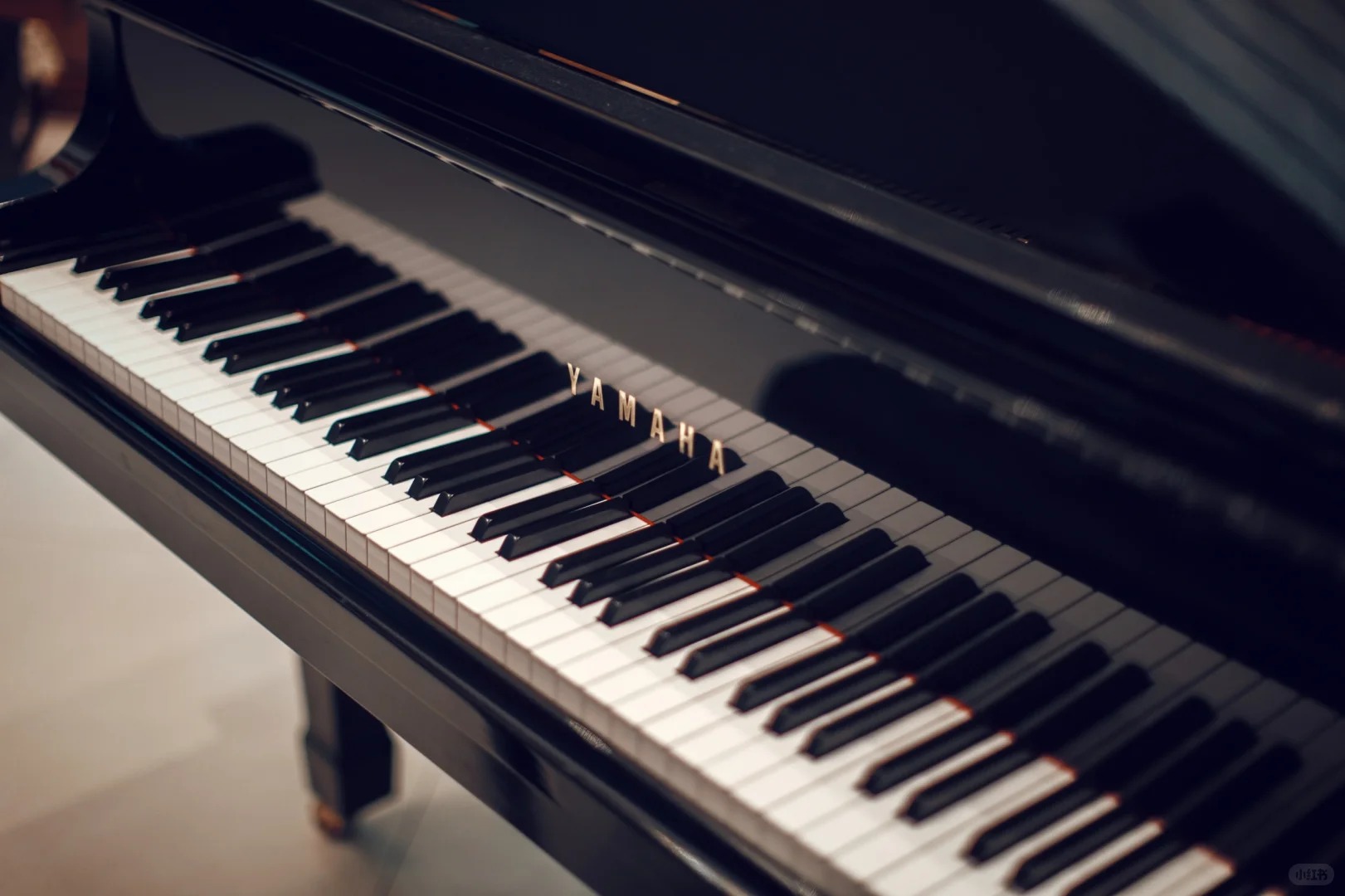
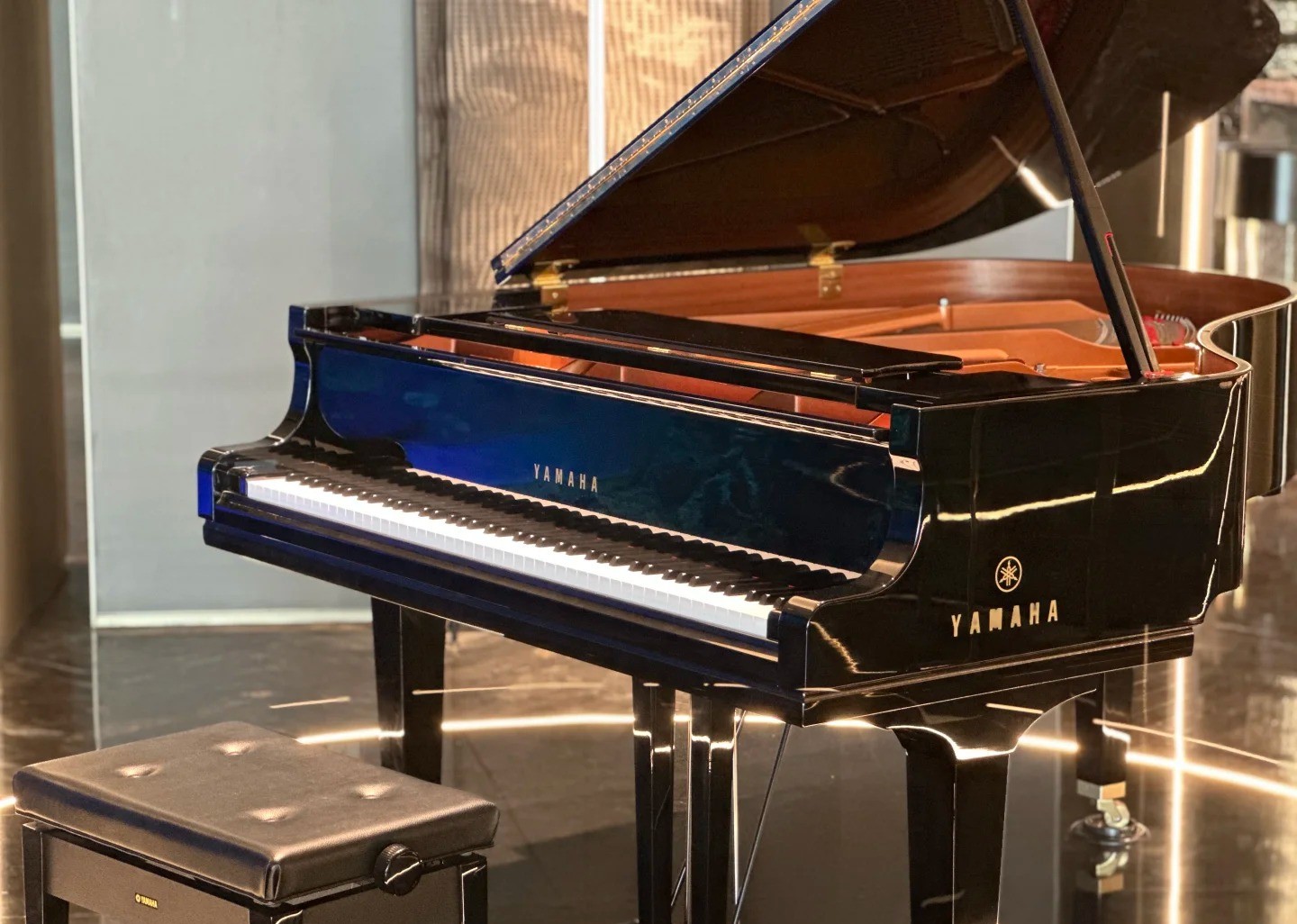
- Yamaha CFX/S Series: The CFX is a world-class concert instrument known for its brilliant, clear, and perfectly balanced tone, offering tremendous reliability under pressure. The S Series (e.g., S3X, S5X) brings this concert-hall DNA into a more domestic setting.
- Shigeru Kawai: The pinnacle of Kawai’s art. Each Shigeru is finished by a Master Piano Artisan, resulting in an instrument with a remarkably mellow, singing tone and a buttery-smooth Millennium III Carbon Fibre action that combines durability with exquisite sensitivity.
The Market Channel
While visiting specialist salons is essential for final selection, understanding your purchasing options is key. Major retailers like Thomann, as Europe’s largest music retailer, have become a significant channel. They offer the convenience of free delivery across Europe, a comprehensive 3-year warranty, and access to a wide range of both new and carefully vetted certified pre-owned instruments, providing a valuable benchmark for price and specification.
Chapter 2: Your Objective Selection Criteria
Beyond brand reputation, these tangible factors will directly determine how a piano performs in your specific environment.
Size & Space: The Foundation of Sound
The length of a grand piano is the primary driver of its sonic potential. A longer string length and larger soundboard area produce a richer, more powerful, and more harmonically complex tone.
- Baby Grands (approx. 150cm – 170cm): Ideal for typical UK living rooms. They provide the grand piano form and action, with a controlled volume suitable for domestic settings. Examples: Yamaha GB1K (161cm), Kawai GL-10 (153cm).
- Medium/Living Room Grands (approx. 180cm – 210cm): The sweet spot for serious amateurs and professionals. This size offers a fully developed bass, a singing tenor register, and enough power for a large home or small hall. The Steinway Model A (188cm) and Yamaha C3X (186cm) are classics in this category.
- Semi-Concert & Concert Grands (211cm+): Instruments for performance. They deliver unparalleled dynamic range, sustain, and projection. The Steinway Model D (274cm), Bösendorfer 214VC, and Yamaha CFX (275cm) define this tier.
Rule of Thumb: Ensure the piano has ample space (at least 1m clearance on all sides, especially from walls) to allow its sound to develop and for optimal tuning stability.
Tonal Signature: The Voice of the Instrument
This is the most subjective, yet crucial, consideration. Listen for the character.
- American/Steinway: A versatile, singing tone with a strong fundamental note and powerful projection.
- German (Bechstein, Blüthner): A more complex, colourful harmonic spectrum, often with great clarity and a « velvet » touch.
- Viennese/Bösendorfer: Rounded, warm, and fundamentally lyrical, with a bass that resonates without being aggressive.
- Japanese (Yamaha, Shigeru Kawai): Yamaha tends towards brilliant clarity and precision; Shigeru Kawai favours a mellower, more rounded and intimate singing quality.
- Italian/Fazioli: Laser-like clarity, immense power across the entire dynamic range, and a very neutral, responsive palette.
Action & Touch: The Connection to Your Fingers
The action is the mechanical heart. Key terms include double escapement (allows for rapid note repetition) and Renner actions (the gold-standard German manufacturer, used by many top brands).
- Weight: Touch weight can vary. A heavier touch (like some New York Steinways) can build strength; a lighter, more responsive touch (like Bechstein or Hamburg Steinway) can favour agility.
- Consistency: The action should feel even from the lowest bass note to the highest treble.
- Personal Preference: This is paramount. You must play extensively to find the action that feels like a natural extension of your musical intent.
Budget & Value: The Full Investment
The price reflects materials, labour, brand heritage, and resale value.
- New vs. Certified Pre-Owned: A new piano offers the latest specifications and a full warranty. A certified pre-owned instrument from a brand like Steinway, Yamaha, or Kawai (often from their official restoration programmes) can provide access to a higher tier of piano for a significant saving, with the reassurance of professional reconditioning and a warranty.
- Realistic Price Brackets (New, GBP):
* Entry-Luxury: £15,000 – £40,000
* Professional Tier: £40,000 – £90,000
* Concert & Investment Tier: £90,000 – £200,000+
- Ongoing Costs: Factor in tuning (£100-£150 per session, at least twice yearly), occasional regulation and voicing (£500+), and one-off costs for specialist piano transport (£300-£800 depending on distance and complexity).
Chapter 3: Recommendations by Pianist Profile & Scenario
The Discerning Amateur / City Flat Dweller
- Needs: Controlled, beautiful tone; a responsive action for personal enjoyment; aesthetic fit for a modern space; possibly a silent system for late-night practice.
- Budget: £15,000 – £40,000
- Focus: Baby grands and smaller medium grands (160cm-190cm). Prioritise instruments known for a sweeter, less overpowering tone. Brands like Yamaha (C Series), Kawai (GX Series), and Boston (designed by Steinway) are excellent. A certified pre-owned Yamaha C3 or Kawai RX-2 offers tremendous value here.
The Conservatoire Student or Professor
- Needs: A robust, consistent action capable of withstanding 6-8 hours of daily practice; clear, articulate tone for technical work; durability and reliability.
- Budget: £25,000 – £70,000
- Focus: Medium grands (180cm-210cm) are essential. The action is paramount. The Yamaha C3X/C5X, Kawai GX-2/GX-3, and Shigeru Kawai SK-2/SK-3 are workhorses of institutions worldwide. A pre-owned Hamburg Steinway Model B or C. Bechstein Academy A190 would be a career-defining instrument.
The Concert Pianist or Prestigious Institution
- Needs: Ultimate projection and dynamic range for a 300-1000 seat hall; exceptional tuning stability under intense physical demand; a distinctive voice that carries the artist’s personality.
- Budget: £70,000+
- Focus: Semi-concert and concert grands (211cm+). This is the realm of the Steinway Model D, Bösendorfer 214/225, Fazioli F212/F278, and Yamaha CFX. The choice becomes intensely personal, based on the specific tonal colour required for the artist’s repertoire.
The Collector & Discerning Investor
- Needs: Unique tonal properties, unparalleled craftsmanship, historical significance, and heritage value. Instruments are as much about art and legacy as performance.
- Budget: £100,000+
- Focus: Limited edition models, art-case pianos, or the absolute top-tier production models from Fazioli, Bösendorfer (Imperial), Steinway (limited editions), and the finest German handmade instruments from makers like Grotrian or Sauter.
Chapter 4: Grand Piano Recommendation Grid
£10,000 – £30,000 (Entry-Luxury & Pre-Owned Value)
- Yamaha GB1K (161cm): The quintessential baby grand. Offers remarkable consistency, a clear tone, and Yamaha’s reliable action in a space-saving design.
- Kawai GL-10 (153cm): A compact instrument with Kawai’s quality Millennium III action, known for its warm tonal character and durability.
- Pre-Owned Highlight: A well-maintained Yamaha C3 (186cm) or Kawai RX-2 (178cm) from the 1990s/2000s. This is where the smart money often goes, providing a truly professional-scale instrument for a domestic budget.
£30,000 – £70,000 (Professional Tier)
- Yamaha C3X (186cm): A benchmark. Brilliant, clear, and incredibly even across the entire keyboard. A tool of absolute reliability for the serious player.
- Shigeru Kawai SK-2 (180cm): The entry into hand-finished artistry. A mellow, complex, and deeply singing tone paired with one of the finest actions in the industry.
- Pre-Owned Highlight: A Hamburg Steinway Model B (211cm) or Model A (188cm) from the 1970s-90s, professionally rebuilt. Or a modern C. Bechstein Academy A190 (190cm), offering pure German craftsmanship.
£70,000+ (Concert & Investment Tier)
- Steinway & Sons Model B (211cm): « The perfect piano. » Unrivaled balance, a singing tone with power in reserve, and the global standard for the artist’s home.
- Bösendorfer 214VC (214cm): The « Vienna Concert » model. Captures the legendary Bösendorfer warmth and singing quality with enhanced projection for the modern stage.
- Fazioli F183 (183cm): Proof that supreme power and clarity are not the sole preserve of large pianos. An explosive dynamic range and crystalline treble in a relatively compact frame.
Chapter 5: The Purchasing Process & Aftercare
1. Play, Then Play Some More: Never buy a grand piano unheard. Schedule visits to multiple dealers. Play the same piece on different pianos. Listen with your eyes closed.
2. Inspect the Warranty: New pianos typically have a 5-10 year manufacturer’s warranty. Certified pre-owned schemes (like Steinway’s) offer 5-year warranties. Understand what is covered.
3. Plan the Logistics: Use a specialist piano mover. They have the equipment, insurance, and expertise. Retailers like Thomann include this specialist delivery in their service across Europe.
4. The First Year: Your piano will settle into its new environment. Schedule its first tuning 3-4 weeks after delivery, then again 3-4 months later. Discuss a plan for initial regulation and voicing with your technician to tailor the instrument to your room and touch.
Frequently Asked Questions (FAQ)
What is the main difference between a Hamburg and a New York Steinway?
The differences stem from historical manufacturing traditions. Hamburg Steinways use Renner actions and are often described as having a brighter, clearer, and more precise tone with a slightly lighter, faster touch. New York Steinways use actions made in-house and are typically characterised by a warmer, richer, and more powerful bass with a touch that can feel more substantial. Both are exceptional; the choice is tonal and tactile preference.
Is a used grand piano a good investment?
A certified pre-owned piano from a reputable brand and dealer can be an outstanding investment, offering access to a higher tier of instrument. The critical factor is condition. Always insist on an independent inspection by a qualified piano technician (PTA registered) before purchase. They will assess the soundboard, pin block, action wear, and structural integrity.
What size grand piano do I need for a typical UK living room?
For a standard UK living room (approx. 4m x 5m), a baby grand between 160cm and 180cm is usually ideal. It provides the grand piano experience without overwhelming the space acoustically. In a larger reception room, a medium grand up to 190cm can be magnificent. Always consider using rugs and soft furnishings to control the sound if necessary.
How much does it cost to maintain a grand piano annually in the UK?
Budget for a minimum of two tunings per year, costing approximately £200-£400 in total. Every few years, you may need regulation (adjusting the mechanical geometry) or voicing (adjusting the tone via needle felting), which can cost from £500 to £1,500+ depending on the work required. Climate control (avoiding extreme humidity swings) is the best way to minimise maintenance costs.
Why are some grand pianos significantly more expensive than others?
The price differential reflects: Materials (solid, slow-grown Val di Fiemme spruce for soundboards vs. laminated spruce); Labour (hundreds of hours of hand-craftsmanship vs. more automated processes); Scale Design (complex, patented designs for tonal optimisation); and Brand Heritage & Resale Value (a Steinway or Bösendorfer holds its value in a way few other assets do). You are investing in art, engineering, and legacy.
Real-world scenarios: practical use cases
In a city flat
- Tone & Volume: A baby grand (160-170cm) or a smaller medium grand with a mellow tonal character (e.g., Kawai GL/GX, Shigeru Kawai) is preferable. The room’s 40–60 m² will amplify the sound; a bright piano can become strident.
- Neighbour Considerations: A silent system (acoustic play with headphones) is a near-essential upgrade for unrestricted practice times. Felt rugs under the piano and on nearby hard floors are also crucial.
- Transport Logistics: Access is key. Measure doorways, stairwells, and lifts meticulously. Specialist movers will often perform a pre-delivery survey.
- Climate Control: Flats with central heating can have very dry air in winter. A piano humidity control system is a wise investment to protect the wood and ensure tuning stability.
In a concert hall
- Projection & Clarity: The piano must project a clear, defined tone to the back of the hall without the bass becoming muddy or the treble disappearing. Concert grands (225cm+) are designed for this, with scale designs that prioritise carrying power.
- Power & Dynamic Range: The instrument must be capable of a thunderous fortissimo that retains musical quality, and a whispering pianissimo that is still audible. This requires a perfectly regulated action and a resilient, powerful soundboard.
- Endurance During Recital: It must hold its tuning and regulation perfectly under the physical demands of a full-length concerto or recital, where the piano is struck thousands of times with great force.
- Technical Support: A resident technician will be on hand to perform a final tuning and any minor adjustments (concert preparation) in the hall on the day, tailoring the piano to the room’s acoustics.
In a recording studio
- Behaviour Under Microphones: The instrument must sound balanced and even across all registers when closely miked. Any tonal irregularities, « wolf notes, » or uneven action will be glaringly exposed. Neutral, complex tones (like Fazioli or a fine German piano) are often favoured.
- Sustain & Tonal Decay: A beautiful, controlled sustain is critical. The harmonic decay should be musical and even, without strange resonances or premature « dying » of notes.
- Tuning Stability: The piano may need to hold perfect tuning for long sessions under hot studio lights. Superior pin blocks and stable construction are paramount.
- Dynamic Responsiveness: The action must allow for extreme control at low volumes for intimate passages, while still being capable of clean, defined power when required.
In a conservatoire
- Intensive Daily Use: The action must be incredibly durable and consistent, capable of withstanding 8+ hours of daily practice from different players. Components like the Kawai Millennium III Carbon Fibre action are specifically engineered for this.
- Versatility for Repertoire: The piano should have a relatively neutral, clear tone that serves as a good tool for learning a wide range of repertoire, from Baroque to Contemporary. Yamaha C Series and Kawai GX Series are staples for this reason.
- Durability & Maintenance: Instruments must be built to last decades with heavy use. Ease of maintenance and a robust supply of spare parts are key considerations for the institution’s technical team.
- Standardisation: Having a fleet of similar models (e.g., Yamaha C3X) helps students develop a consistent technique, as the touch and response do not vary wildly between practice rooms.
Technical specifications
| Specification | Description |
| :— | :— |
| Typical Size Range | 150cm (4’11 ») to 275cm (9′) |
| Typical Weight Range | 250kg (baby grand) to 550kg (concert grand) |
| Action Type | Double escapement, grand action. Common makers: Renner (Germany), Steinway (NY), Yamaha/Kawai (Japan). |
| Soundboard Timber | Premium: Solid, quarter-sawn, slow-growth spruce (often from Alps/Carpathians). Entry-level may use solid or laminated spruce. |
| Number of Keys | 88 (standard). Bösendorfer Imperial models have 92 or 97. |
| Standard Finishes | Polished Ebony (most common), Polished White, Satin Mahogany, Satin Walnut, and various exotic veneers. |
| Frame (Plate) | Single-cast iron, painted in gold or bronze colour. |
| Strings | Bass: Copper-wound steel. Treble: High-tensile steel. |
| Pin Block | Multi-laminated hard rock maple (or equivalent hardwood) for tuning stability. |
| Warranty | Typically 5-10 years for new instruments; 5 years for manufacturer-certified pre-owned. |
Purchase guide
Pricing
- New Price: Ranges from approximately £15,000 for an entry-level baby grand to £200,000+ for a top-tier concert grand from a legendary maker.
- Certified Pre-Owned Price: Typically 30-50% less than the equivalent new model, depending on age, condition, and brand. A certified pre-owned Steinway Model B might be found in the £60,000 – £90,000 range.
Where to Buy
- Authorised Brand Dealers: For new instruments, personalised service, and manufacturer-backed warranties. Essential for final testing.
- Specialist Piano Retailers & Auctions: For premium pre-owned and restored instruments, often with extensive preparation.
- Major Retailers (e.g., Thomann): Offer a wide selection of new and certified pre-owned models from brands like Yamaha, Kawai, and Schimmel. Benefits can include free European delivery, a clear 3-year warranty, and flexible financing options, providing a convenient and competitive purchasing channel.
Annual Maintenance Cost
Budget £300-£600 per year for two tunings and a basic service. Set aside a further £1,000-£2,000 every 5-10 years for more comprehensive regulation and voicing work.
What to Check Before Buying
1. Condition of Soundboard: Look for cracks (small crown cracks can be normal, long radiating cracks are serious). Tap it lightly; it should resonate.
2. Action Regulation & Evenness: Play every note, from ppp to fff. Check for consistency in touch weight, repetition speed, and let-off. No keys should stick or feel spongy.
3. Pin Block Condition: The tuning pins should be tight. A technician will check this with a torque wrench. Loose pins mean an expensive rebuild.
4. String & Hammer Condition: Look for rust on strings and deep grooves in the hammer felts. Some is acceptable on older pianos; excessive wear indicates heavy use.
5. Structural Integrity: Check the legs, lyre, and lid for solidity. Ensure the piano rolls smoothly on its castors.
6. Independent Inspection: For any pre-owned piano, this is non-negotiable. Hire a qualified piano technician (not affiliated with the seller) to provide a written report.