
Choosing a grand piano is a confluence of art, acoustics, and engineering. It is a deeply personal decision that marries your artistic intent with the physical realities of your space and budget. This guide serves as your expert consultant, demystifying the market for the serious pianist, professor, collector, and institution across the United Kingdom. We will move beyond brand prestige to the core principles of craftsmanship, tone, and touch that define a truly great instrument.
The Grand Piano Landscape – A Hierarchy of Craftsmanship
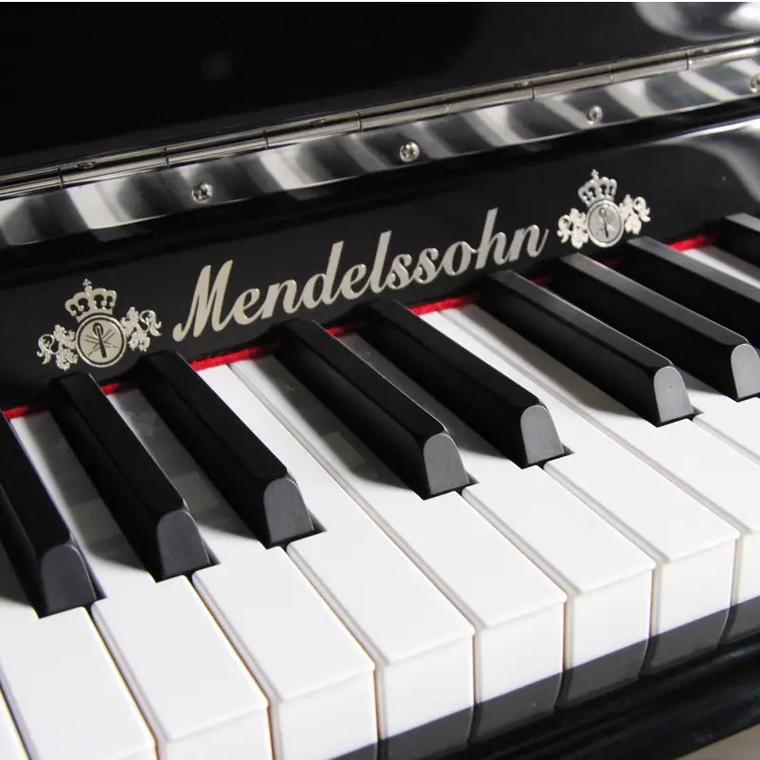
The world of grand pianos is defined by distinct schools of building, each with a profound philosophical approach to sound and touch. Understanding these lineages is the first step in identifying the instrument that speaks to you.
The Legendary Concert Instruments
These are the reference instruments of the world’s great stages, built for ultimate projection, dynamic range, and tonal complexity.
- Steinway & Sons: The ubiquitous standard. Hamburg Steinways (from Germany) are often described as having a clearer, more European tone with a slightly lighter touch. New York Steinways (from the USA) traditionally offer a warmer, more robust sound with a heavier action. Both are engineered for unparalleled power and reliability.
- Bösendorfer: The Viennese aristocrat. Renowned for a uniquely warm, singing, and resonant tone, particularly in the bass and tenor registers. Their patented Imperial 290 features nine extra keys for sub-bass resonance. The action is often described as buttery-smooth and deeply responsive.
- Fazioli: The Italian precision instrument. Built in Sacile, these pianos are celebrated for their crystalline clarity, explosive dynamic range, and incredibly fast, responsive action. The tone is pure, focused, and remarkably even across all registers, making them a favourite for modern repertoire and critical recording.
The German Heritage Houses
These manufacturers represent centuries of Central European tradition, prioritising tonal depth, colouristic variety, and a refined, velvet-like touch.
- C. Bechstein: Offers both profound power and delicate intimacy. Bechstein pianos are known for a rich, complex harmonic spectrum and an action that provides exceptional control. The Academy and Concert series cater to different budgets without compromising core principles.
- Blüthner: Famous for its patented Aliquot stringing in the treble, which adds a unique, bell-like shimmer and sustain. The overall character is lyrical, romantic, and wonderfully resonant.
- Grotrian-Steinweg, Sauter, August Förster, Schimmel Konzert: Each of these houses offers exceptional instruments with their own signature. Grotrian is known for a powerful, darkly coloured bass; Sauter for exquisite craftsmanship and a sparkling treble; Förster for a clear, direct tone; and Schimmel for a versatile, well-balanced sound.
Asian Precision Engineering
These brands have mastered the art of consistency, reliability, and technical excellence, producing instruments that rival the best.
- Yamaha: The CFX concert grand is a modern powerhouse, known for its brilliant, clear tone and incredibly stable action, favoured by many competition pianists. The SX Series and CX Series bring this philosophy to the premium and mid-range markets with remarkable consistency.
- Shigeru Kawai: The hand-finished pinnacle of Kawai. Each Shigeru is personally inspected and voiced by master technicians, resulting in an instrument with a warm, nuanced tone and the superb Millennium III carbon fibre action, known for its stability and responsiveness.
The Certified Pre-Owned Market
For many, this is the most intelligent entry point. Programmes like Steinway & Sons Certified Pre-Owned or meticulously reconditioned instruments from reputable dealers offer access to legendary brands at a significant discount. A professionally rebuilt piano from a great era can be a superlative instrument.
Objective Selection Criteria – Beyond the Brand Name
Size & Space: The Primary Constraint
The piano must fit both the room’s dimensions and its acoustics.
- Baby Grand (c. 150cm – 170cm): Suitable for smaller living rooms or large flats. Tonal compromise is inevitable with shorter strings, but the best models are remarkably musical.
- Medium Grand (c. 180cm – 210cm): The ideal domestic size. Offers a full, balanced tone and sufficient power for most homes and teaching studios.
- Semi-Concert & Concert Grand (c. 220cm – 274cm+): Requires a substantial, acoustically treated space. Delivers unparalleled bass response, tonal colour, and sustained power.
Tonal Character & Voicing
What is the « sound » in your mind’s ear?
- American Projection (Steinway NY, Boston): Warm, powerful, with a fundamental-rich tone designed to fill a hall.
- Viennese Warmth (Bösendorfer): Resonant, singing, with a complex harmonic palette favouring the lower partials.
- German Complexity (Bechstein, Blüthner): Colourful, nuanced, with great clarity between voices.
- Japanese Clarity (Yamaha CFX, Shigeru Kawai): Precise, clean, with a brilliant treble and even scale.
The Action – The Interface of Expression
The action is the mechanism that translates finger touch into hammer strike. A Renner or Kawai Millennium III action with precise double escapement is essential for advanced repertoire. Key weighting should be even and responsive, allowing for rapid repetition and subtle dynamic control.
Budget & Lifetime Cost
Consider the total investment:
- Purchase Price: Ranges from £10,000 for a quality used or small new piano to over £200,000 for a new concert grand.
- Annual Maintenance: Budget £300-£600 for two tunings, plus periodic voicing (tone shaping) and regulation (action adjustment).
- Transport: Specialist piano movers are essential, costing from £300 locally to £1,000+ for long-distance moves.
- Value Retention: Instruments from the top-tier legendary and heritage brands typically hold value best, especially in the certified pre-owned market.
Recommendations by Profile & Budget
| Profile & Budget | Recommended Model | Key Rationale | Approx. Price Range (GBP) |
| :— | :— | :— | :— |
| The Discerning Amateur / Advanced Student (£20,000 – £40,000) | Yamaha C3X (186cm) | Exceptional reliability, clear, consistent tone, and a world-class action. A benchmark in its class. | £35,000 – £40,000 |
| | Kawai GX-2 (178cm) | Features the advanced Millennium III action, offering a warm, resonant tone and superb touch stability. | £30,000 – £35,000 |
| | Schimmel C 169 Tradition (169cm) | German craftsmanship at an accessible price. Balanced, versatile tone and a solid, responsive action. | £28,000 – £33,000 |
| The Conservatoire Professor / Serious Collector (£40,000 – £100,000) | C. Bechstein Academy A 192 (192cm) | Offers the core Bechstein sound—complex, colourful, and powerful—in a magnificent cabinet. | £75,000 – £85,000 |
| | Steinway & Sons Model A (188cm – Hamburg) | The quintessential « drawing room » Steinway. Combines a singing tone with the power and projection the brand is famous for. | £90,000 – £100,000+ |
| | Bösendorfer 185 (185cm) | The iconic Viennese sound. Unmatched warmth and lyrical sustain in a domestic size. | £95,000 – £110,000 |
| The Concert Institution / Patron (£100,000+) | Steinway & Sons Model D (274cm) | The global concert standard. Ultimate power, dynamic range, and tonal resources. | £150,000 – £180,000+ |
| | Fazioli F212 (212cm) | Unrivalled clarity, precision, and dynamic explosiveness. A favourite for modern music and critical recording. | £160,000 – £190,000 |
| | Bösendorfer Imperial 290 (290cm) | The unique, resonant majesty of the extra bass strings. A sound of unparalleled depth and grandeur. | £200,000+ |
| The Value Proposition – Certified Pre-Owned | Steinway Model M (170cm) / Yamaha C3 (186cm) | Professionally reconditioned instruments from top brands. The most intelligent way to acquire a tier-one piano. | £15,000 – £40,000 |
The Acquisition Process – A Note on Trusted Channels
1. Visit and Play: This is non-negotiable. Spend hours in specialist showrooms comparing different brands and sizes back-to-back.
2. Consider All Channels: Alongside local dealers, explore major European retailers. Thomann, for instance, as Europe’s largest music retailer, offers a curated selection of new and premium used grands, with the advantage of free delivery to the UK and a comprehensive 3-year warranty.
3. Independent Inspection: For any used piano (outside certified programmes), engage your own independent piano technician for a pre-purchase inspection. They will assess the soundboard, pin block, action, and structural integrity.
Decision Checklist
Before finalising your choice, ensure you can answer ‘yes’ to these points:
- [ ] I have played this specific instrument for at least an hour.
- [ ] The piano’s tone inspires me and matches my musical preferences.
- [ ] The action feels responsive, even, and facilitates my technique.
- [ ] The piano fits my room both physically and acoustically.
- [ ] I have budgeted for the total lifetime cost, including purchase, transport, and maintenance.
- [ ] I have had an independent technician’s report (for a used instrument).
- [ ] I trust the reputation and aftercare support of the seller.
FAQ: Five Essential Grand Piano Questions
What is the minimum room size for a baby grand piano?
While a 150cm grand can physically fit in a 4m x 5m room, the acoustic result may be overwhelming. Ideally, the room should have a volume of at least 50 cubic metres, with soft furnishings to absorb sound. Consider a high-quality upright if your space is very compact or has challenging acoustics.
How much does it cost to maintain a grand piano annually in the UK?
Budget between £300 and £600 per year. This typically covers two tunings (£80-£150 each). Every few years, you may need regulation (£300-£600) to adjust the action mechanics and voicing (£200-£400) to refine the tone by needling the hammers. Climate control (a humidifier system) is also a wise investment to protect the instrument.
What is the difference between a Hamburg and a New York Steinway?
The differences are subtle but discernible to a trained ear and touch. Hamburg Steinways often use Renner actions and hammers, resulting in a touch that can feel slightly lighter and a tone described as clearer, more European, with a brighter treble. New York Steinways traditionally use Steinway’s own parts, yielding a heavier touch and a warmer, more fundamental-rich sound. Both are exceptional; preference is subjective.
Do grand pianos hold their value?
It varies significantly by brand. Pianos from the top echelon (Steinway, Bösendorfer, Fazioli, Bechstein) have the strongest track record of value retention and can even appreciate, especially limited editions or historically significant models. This makes the certified pre-owned market for these brands particularly robust. Mass-produced instruments from other brands typically depreciate more, like a car.
Can I buy a grand piano online without playing it first?
It is not advisable, but if necessary, only do so with exhaustive safeguards. Purchase only from a supremely reputable dealer with a clear, customer-friendly returns policy. Retailers like Thomann offer this security, along with detailed specifications and support. However, a grand piano is a deeply personal acoustic item; buying blind remains a significant risk.
Real-world scenarios: practical use cases
In a city flat
- Size & Tone: A grand between 150cm and 170cm is the realistic maximum. Focus on instruments with a controllable, sweet tone rather than overwhelming power. A Yamaha GB1K or Kawai GL-10 can be ideal.
- Neighbours: Consider a silent system (optical sensors and headphones) for late-night practice. Felt rug underlay and strategic placement away from party walls are essential.
- Transport: Ensure stairwells, lifts, and doorways can accommodate the move. Specialist piano movers are a must.
In a concert hall
- Projection & Power: The instrument must have effortless power to fill a 500-2000 seat hall without sounding forced. A Steinway D, Fazioli F308, or Bösendorfer Imperial are the standard choices.
- Endurance: The action must remain consistent and reliable through the physical demands of a concerto or lengthy recital.
- Tonal Presence: The piano needs a complex, colourful tone that carries to the back of the gallery, with a clear bass and a singing, penetrating treble.
In a recording studio
- Behaviour Under Mics: The tone must be even and balanced across all registers, with no « wolf tones » or dead spots. Fazioli and Hamburg Steinway are often prized for their clarity and detail.
- Sustain & Control: A long, clean sustain allows for beautiful legato lines. The action must permit the utmost dynamic control, from ppp to fff.
- Tuning Stability: The instrument must hold perfect tuning and regulation through long sessions, often under bright lights. The build quality of the frame and pin block is paramount.
In a conservatoire
- Intensive Use: The piano will be played 8-12 hours daily by different pianists. Durability and mechanical stability are as important as tone. Yamaha CF or SX Series pianos are renowned for this.
- Versatility: It must serve the entire repertoire, from Baroque to contemporary, equally well. A neutral, clear, and responsive instrument is often preferred.
- Serviceability: The design should allow for easy, regular maintenance by in-house technicians. Standardised parts are a benefit.
Technical specifications: A representative comparison
| Specification | Yamaha C3X (Medium Grand) | Steinway & Sons Model A (Hamburg) | Bösendorfer 185 (Living Room Grand) |
| :— | :— | :— | :— |
| Length | 186 cm | 188 cm | 185 cm |
| Width | 149 cm | 147 cm | 157 cm |
| Weight | 330 kg | 335 kg | 345 kg |
| Action | Yamaha NWX (Natural Wood X) | Steinway German Action (Renner-based) | Bösendorfer Action (Renner) |
| Soundboard | Solid Sitka Spruce | Solid Sitka Spruce | Solid Val di Fiemme (Alpine) Spruce |
| Number of Keys | 88 | 88 | 88 |
| Finishes Available | Polished Ebony, Polished White, Satin Walnut, others | Polished Ebony, Polished White, various veneers | Polished Ebony, High Polished Mahogany, various precious veneers |
Purchase guide
- New Price: As indicated in the recommendations table, ranging from £25,000 to £200,000+.
- Certified Pre-Owned Price: Typically 30-50% less than the equivalent new model, offering exceptional value from £15,000 to £80,000 for tier-one brands.
- Where to Buy:
* Authorised Brand Dealers: For new instruments and certified pre-owned programmes. They offer brand-specific expertise and aftercare.
* Reputable Independent Dealers: Often source and expertly recondition outstanding used instruments.
* Major Retailers: Companies like Thomann provide a viable alternative, especially for premium mid-range models, with the convenience of online configuration, competitive financing, free delivery across Europe, and a strong 3-year warranty for peace of mind.
- Annual Maintenance Cost: £300 – £600 for tunings and minor adjustments.
- What to Check Before Buying (Used Pianos):
* Soundboard: Look for cracks (small crown cracks can be normal), but ensure it is crowned (curved) and not flattened.
* Pin Block: Check tuning pin torque. Loose pins that cannot hold tension are a major concern.
* Action Regulation: Test for evenness of touch, repetition speed, and check for excessive wear on hammers and action parts.
* Strings & Bridges: Look for rust on strings and check that strings are properly seated on the bridge pins.
Related Articles
This page contains affiliate links. If you buy through them, we may earn a commission at no extra cost to you.
🎹 Essential accessories for pianists
This page contains affiliate links. If you buy through them, we may earn a commission at no extra cost to you.
- Thermo-hygrometer (humidity): TFA Digital Thermo-Hygrometer
- Caster cup (sold singly): Jahn IsoFloor
- Felt key cover: Jahn Keyboard Dust Cover
- Adjustable piano bench: Thomann KB-15BM