
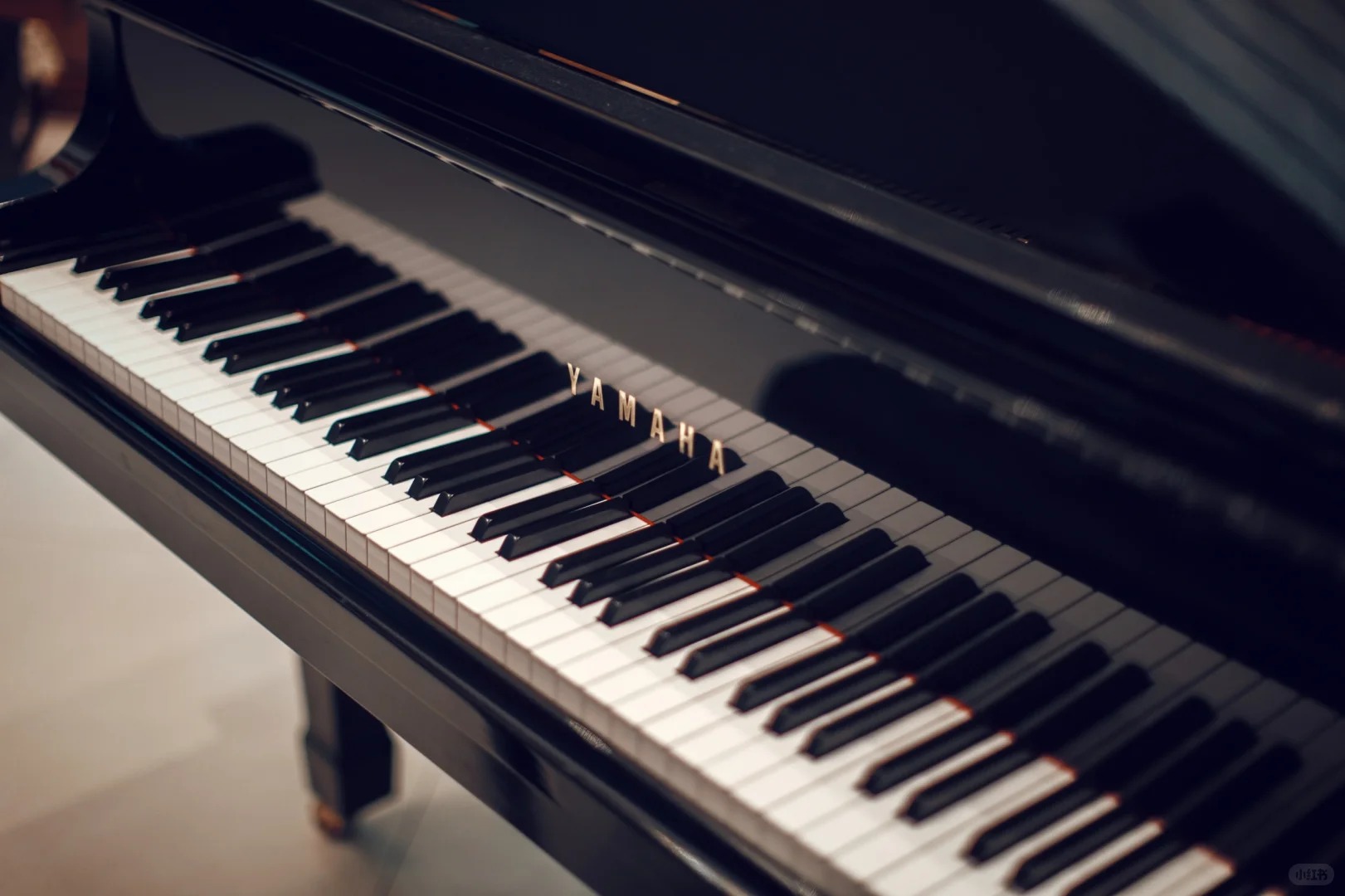
Meta Description: Choosing a grand piano? Our expert guide for the UK market covers Steinway, Yamaha, Bösendorfer & more. Compare sizes, tonal characters, actions & budgets from £10,000 to £200,000+.
Introduction: The Apex of the Pianist’s Art
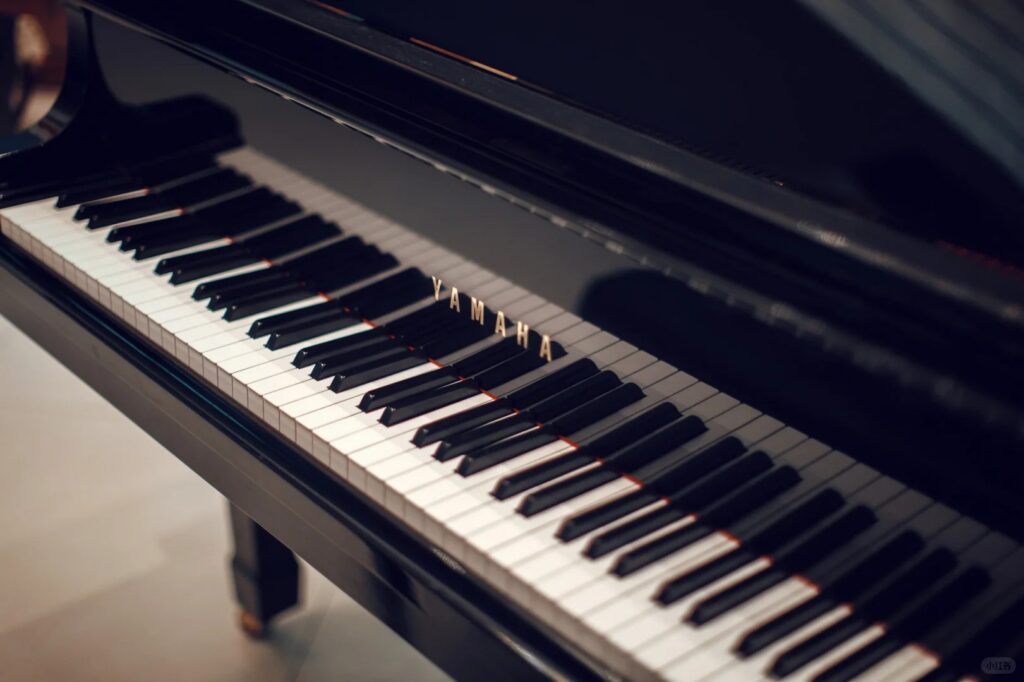
A grand piano represents the zenith of acoustic keyboard instrument design, an investment not merely in furniture but in a lifetime of artistic expression. Defined by its horizontal frame and gravity-assisted action, it offers a superior touch, a richer, more projective tone, and a dynamic range unattainable in vertical instruments. The quest for the « right » grand is a deeply personal one, hinging on the alchemy of your physical space, technical demands, tonal preference, and budget. This guide, crafted for the discerning UK pianist, music academy, or institution, will navigate the nuanced landscape of these magnificent instruments, from the compact boudoir grand to the commanding concert instrument.
Chapter 1: Understanding the Grand Piano – Beyond the Cabinet
To choose wisely, one must understand what lies beneath the polished lid. A grand piano is a masterpiece of acoustic engineering.
Core Anatomy & Why It Matters
- Soundboard: The soul of the piano. Typically crafted from carefully selected, quarter-sawn resonance spruce (often from storied forests like Italy’s Val di Fiemme), it amplifies string vibrations. Its crowned shape and ribbing are critical for tonal projection and sustain.
- Action: The mechanical heart. The renowned Renner action with double escapement is the gold standard for many European makers, allowing for rapid note repetition and nuanced control. The feel—its weight, depth, and responsiveness—is a direct conduit from the pianist’s intention to the string.
- Frame: The single-cast iron plate bears immense string tension (often exceeding 20 tonnes), providing the structural integrity necessary for stable tuning and powerful sound.
- Strings & Scaling: Precision scaling determines string length and tension across the compass. Copper-wound strings in the bass, paired with a duplex scale (allowing sympathetic vibration of string segments beyond the speaking length), enrich the harmonic texture.
- The Case: Far more than cabinetry, the rim and lid shape and project the sound. A well-designed case is integral to the instrument’s acoustic character.
Chapter 2: The Landscape of Legendary Manufacturers
Each great manufacturer imparts a distinct philosophical signature upon its instruments.
- The American Powerhouse: Steinway & Sons. Hamburg Steinways are often described as having a clearer, more focused tone, while New York models traditionally offer a warmer, more robust character. The Steinway Model D (274 cm) remains the definitive concert grand in many of the world’s great halls.
- The German Tradition: Houses like C. Bechstein (Berlin) offer crystalline clarity and powerful projection, while Blüthner (Leipzig) employs a unique Aliquot stringing system in the treble for a uniquely singing, ethereal quality. Grotrian-Steinweg and Sauter are revered for their craftsman-built, tonally complex instruments.
- The Viennese Romantic: Bösendorfer. Known for a warmer, darker fundamental tone and a remarkably responsive action. Their Imperial 290 (290 cm) with its extra 9 bass keys is legendary, offering a subsonic richness ideal for the Romantic repertoire.
- The Italian Precisionist: Fazioli. A relative newcomer that has redefined benchmarks for clarity, dynamic range, and sheer power. Each Fazioli F278 concert grand is a testament to obsessive engineering and materials science.
- The Asian Excellence: Yamaha & Kawai. Yamaha’s CFX and Shigeru Kawai concert grands rival the best European instruments, prized for their flawless consistency, reliability, and brilliant, projective tone. They are mainstays in conservatoires and concert stages globally.
Chapter 3: Your Objective Selection Criteria
Size & Space
Grand pianos are categorised by length, which directly influences tonal body and volume.
- Baby/Petite Grands (under 180 cm): Suitable for smaller rooms but often make tonal compromises in the bass.
- Medium/Living Room Grands (180 cm – 210 cm): The sweet spot for most homes, offering a balanced scale and full tone.
- Semiconcert & Concert Grands (210 cm – 274 cm+): Require significant space and high ceilings to realise their full potential. Always consider room acoustics and floor loading.
Tonal Character
Do you prefer a warm, singing sustain (Bösendorfer, Blüthner) or a clear, precise attack with brilliant harmonics (Fazioli, Bechstein)? The choice is deeply personal and should be guided by the repertoire you love.
Action & Touch
The action must feel like an extension of your technique. Test repetition speed, dynamic control from pianissimo to fortissimo, and the overall connection to the hammers.
Budget & Value
Budget for the total cost of ownership: the instrument, specialist delivery (often £500-£1500 in the UK), an annual tuning and regulation (£120-£250+), and potential climate control. The certified pre-owned market (e.g., the Steinway Certified Pre-Owned Programme) offers exceptional value.
Chapter 4: Grand Pianos for Every Profile & Scenario
The Discerning Amateur / City Flat Dweller
Priority: A refined tone at lower volumes and a compact footprint (160-180 cm). Ideal models include the Schimmel Konzert 169, the Yamaha S3X (184 cm), or a C. Bechstein Academy A160.
The Music Academy or Conservatoire
Priority: Durability, consistent action, and clear projection for teaching. Workhorses like the Yamaha C3X (186 cm), Kawai GX-2 (180 cm), or Boston by Steinway GP-178 are engineered for intensive daily use.
The Concert Pianist & Prestigious Institution
Priority: Ultimate power, tonal colour palette, and projection for large halls. This is the realm of the concert grand: the Steinway Model D, Fazioli F278, Bösendorfer Imperial 290, or Yamaha CFX.
The Collector & Connoisseur
Priority: Investment in rarity, historical significance (e.g., a pre-war Blüthner), or bespoke art-case finishes from a maker like Sauter or Steinway.
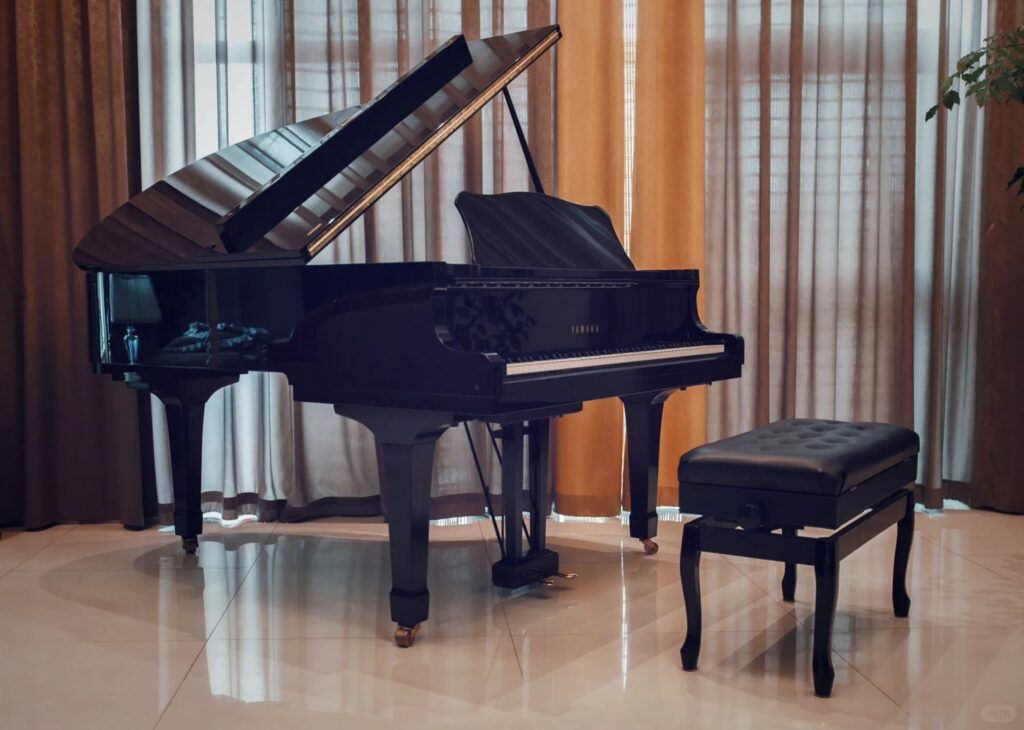
Chapter 5: Recommendation Grid by Budget
| Budget Bracket | Typical Instruments & Context | Key Considerations |
| :— | :— | :— |
| £10,000 – £30,000 | Quality entry-point. Pre-owned Yamaha C2/C3, Kawai RX-2. New Yamaha GB1K, Kawai GL-10. | Focus on condition and provenance. New models in this range are compact; prioritise a thorough technical inspection for used instruments. |
| £30,000 – £70,000 | The core range for serious players. New: C. Bechstein Academy A192, Yamaha C3X/C5X, Shigeru Kawai SK-2, Grotrian Concertino. | Where the tonal personalities of great makers become clearly defined. The choice between European warmth and Japanese precision is key. |
| £70,000 – £150,000 | The professional & luxury tier. New: Bösendorfer 200, Steinway Model B (211 cm), Fazioli F183, Blüthner Model 6. | Instruments for life, capable of professional performance and recording. The pinnacle of the « living room grand. » |
| £150,000+ | The investment & concert tier. New: Steinway Model D, Fazioli F278, Bösendorfer 280VC, Yamaha CFX. Bespoke commissions. | The ultimate tools for the concert stage and legacy purchases. |
Chapter 6: The Purchasing Process & Aftercare
Never buy a grand piano unheard. An in-person audition is non-negotiable. Play scales, chords, and familiar repertoire across all dynamic levels.
When selecting a retailer, consider their reputation, aftercare service, and buying experience. As Europe’s largest music retailer, Thomann offers a compelling option with free delivery across Europe, a comprehensive 3-year warranty, and flexible financing, making high-quality instruments more accessible.
After purchase, engage a qualified piano technician (member of the Piano Tuners’ Association) for annual tuning and periodic regulation/voicing to maintain the instrument’s health and character.
Frequently Asked Questions (FAQ)
What is the minimum room size for a grand piano?
A room of at least 25-30 square metres with a ceiling height over 2.7 metres is advisable for a medium grand (around 180-190 cm). The piano needs space for its sound to develop without becoming overwhelming.
Is a used grand piano a wise investment?
A used piano from a reputable brand, purchased from a specialist dealer or with an independent technician’s report, can be an excellent investment. It avoids initial depreciation. Key checks: soundboard crown, pin block tightness, hammer wear, and action regulation.
What are the main differences between Hamburg and New York Steinways?
Historically, Hamburg actions are slightly heavier and faster, with a tone described as clearer, more European. New York actions can feel slightly shallower, with a warmer, more foundational American tone. In recent years, the differences have narrowed, but the regional characteristics remain perceptible to a trained ear.
How much does it cost to maintain a grand piano annually in the UK?
Budget £120-£250 for two tunings per year. A full regulation and voicing every 3-5 years may cost £500-£1500 depending on the work required. Climate stability (avoiding radiators and direct sunlight) is the best way to reduce maintenance costs.
Can a grand piano be placed on any floor in a modern home?
A grand piano weighs 300-500 kg. It requires a solid, load-bearing floor. In modern homes with wooden joists, positioning it against a load-bearing wall is safest. Always seek advice from a structural engineer if in doubt.
Real-world scenarios: practical use cases
In a city flat
- Tone Control: In 40–60 m², a piano with a warm, fundamental tone (like a Bösendorfer 170 or Bechstein A160) can sound rich without becoming harsh. A silent system (acoustic play with headphones) is almost essential for neighbourly harmony.
- Logistics: Measure doorways, stairwells, and lifts meticulously. Specialist piano movers are required.
- Placement: Keep away from exterior walls, radiators, and underfloor heating to maintain stable humidity.
In a concert hall
- Projection & Power: A concert grand (274cm+) must fill a 1000+ seat hall with clear, undistorted tone at the back row. Instruments like the Steinway D or Fazioli F278 are built for this.
- Endurance: The action must remain consistent and responsive throughout a demanding recital or concerto.
- Tuning Stability: The piano must hold its tuning perfectly despite changes in stage temperature and lighting.
In a recording studio
- Sonic Detail: The instrument must behave impeccably under sensitive microphones. Evenness of scale, a clean sustain without extraneous noise, and a wide palette of colours are critical.
- Touch Sensitivity: The action must allow for extreme dynamic control to capture the most intimate pianissimo.
- Tuning Stability: It must stay in perfect tune for the duration of a session, often under bright studio lights.
In a conservatoire
- Durability: The action and hammers must withstand 8-12 hours of daily use from different players. Brands like Yamaha and Kawai are renowned for this robustness.
- Versatility: The piano must be a neutral, responsive tool for a wide range of repertoire, from Baroque to contemporary.
- Consistency: Practice rooms need instruments that feel and sound similar to the concert hall models, aiding student preparation.
Technical specifications (Example: Generic Medium Grand)
| Specification | Typical Value / Description |
| :— | :— |
| Length | 186 cm – 211 cm |
| Width | 148 cm – 155 cm |
| Height (lid closed) | 100 cm – 102 cm |
| Weight | 320 kg – 450 kg |
| Number of Keys | 88 |
| Action Type | Double escapement, wooden or composite parts (e.g., Renner, Kawai Millennium III) |
| Soundboard Timber | Solid, quarter-sawn Sitka or European Spruce |
| Frame | Single-cast iron plate |
| Strings | Roslau or Mapes steel, copper-wound bass |
| Pin Block | Multi-laminated hard rock maple |
| Finishes Available | Polished Ebony, Polished White, Satin Walnut, Mahogany |
Purchase guide
- New Price: From approximately £18,000 for a compact model (Yamaha GB1K) to £150,000+ for a premium European concert grand.
- Certified Pre-Owned Price: Typically 30-50% less than equivalent new models, but offering excellent value from reputable dealer programmes.
- Where to Buy: Authorised brand dealers, specialist piano auction houses, and large retailers. Thomann, as Europe’s largest music retailer, provides a viable alternative with free European delivery, a 3-year warranty, and financing options, though an in-person trial elsewhere is still recommended.
- Annual Maintenance Cost: £200-£500 on average for tuning and minor adjustments.
- What to Check Before Buying:
1. Soundboard: Look for a healthy crown and check for cracks (some hairline cracks along the grain can be stable, but cross-grain cracks are serious).
2. Action Regulation: Test repetition speed, evenness of touch across the keyboard, and check for worn hammer felts.
3. Pin Block & Tuning Stability: A technician should check the torque of the tuning pins. Loose pins mean expensive restoration.
4. String & Bridge Condition: Look for rust on strings and ensure the bridge caps are not cracked.
5. Case & Finish: Inspect for structural damage or major finish flaws, though cosmetic issues can often be remedied.
Related Articles
This page contains affiliate links. If you buy through them, we may earn a commission at no extra cost to you.
🎹 Essential accessories for pianists
This page contains affiliate links. If you buy through them, we may earn a commission at no extra cost to you.
- Thermo-hygrometer (humidity): TFA Digital Thermo-Hygrometer
- Caster cup (sold singly): Jahn IsoFloor
- Felt key cover: Jahn Keyboard Dust Cover
- Adjustable piano bench: Thomann KB-15BM