
Choosing a grand piano is one of the most significant and rewarding investments a musician can make. It is not merely a purchase of furniture, but the acquisition of a complex acoustic instrument, a partner in artistic expression, and often, a legacy piece. For the UK buyer, navigating the market—from the hallowed showrooms of legendary European makers to the precision of modern Asian manufacturing—requires careful consideration. This guide will help you balance the critical factors of acoustics, space, touch, and budget to find not the universally « best » piano, but the perfect instrument for your specific needs.
The Grand Piano Market – A Landscape of Legends & Craftsmanship
The world of grand pianos is rich with history and distinct schools of craftsmanship. Understanding this hierarchy is the first step in refining your search.
The Legendary Concert Instruments
These are the instruments upon which the world’s great repertoire is performed and recorded. They represent the absolute pinnacle of tonal artistry, dynamic power, and build quality.
- Steinway & Sons: The benchmark. Hamburg Steinways (favoured in Europe) are often described as having a clearer, more articulate voice, while New York Steinways offer a warmer, more robust character. The Model D (274cm) is the undisputed king of the concert hall.
- Bösendorfer: The Viennese aristocrat. Renowned for a uniquely warm, singing, and complex tone, with a resonant bass described as « velvety. » The Imperial Grand (290cm) features extra bass notes for unparalleled depth.
- Fazioli: The Italian precision instrument. Famous for extreme clarity, a brilliant, singing sustain, and a remarkably powerful dynamic range. Favoured for modern repertoire and pristine recording environments.
The Great European Heritage Houses
These manufacturers boast centuries of tradition, producing instruments with deeply individual tonal personalities for the discerning pianist.
- C. Bechstein (Berlin): Offers both crystalline clarity and profound warmth. The Academy series provides a more accessible entry point to this revered sound.
- Blüthner (Leipzig): Known for its patented « Aliquot » stringing in the treble, which adds a unique, ethereal shimmer and complexity to the tone.
- Others of Note: Grotrian-Steinweg, Sauter, and Schimmel’s Konzert Series all offer exceptional craftsmanship with distinct German tonal signatures, from powerful and direct to nuanced and romantic.
Asian Precision & Innovation
Post-war excellence that challenged the establishment through relentless innovation, consistency, and technical perfection.
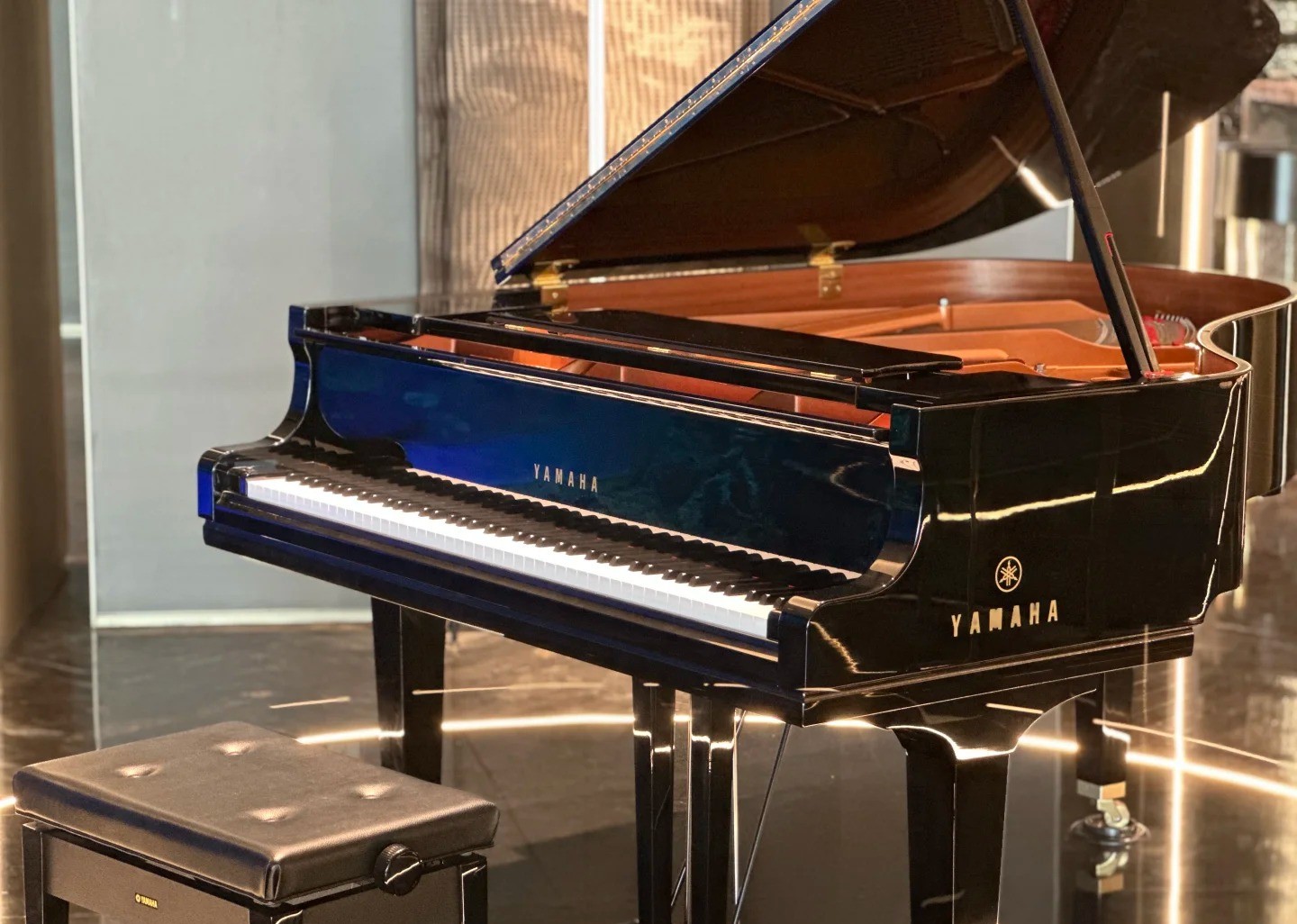
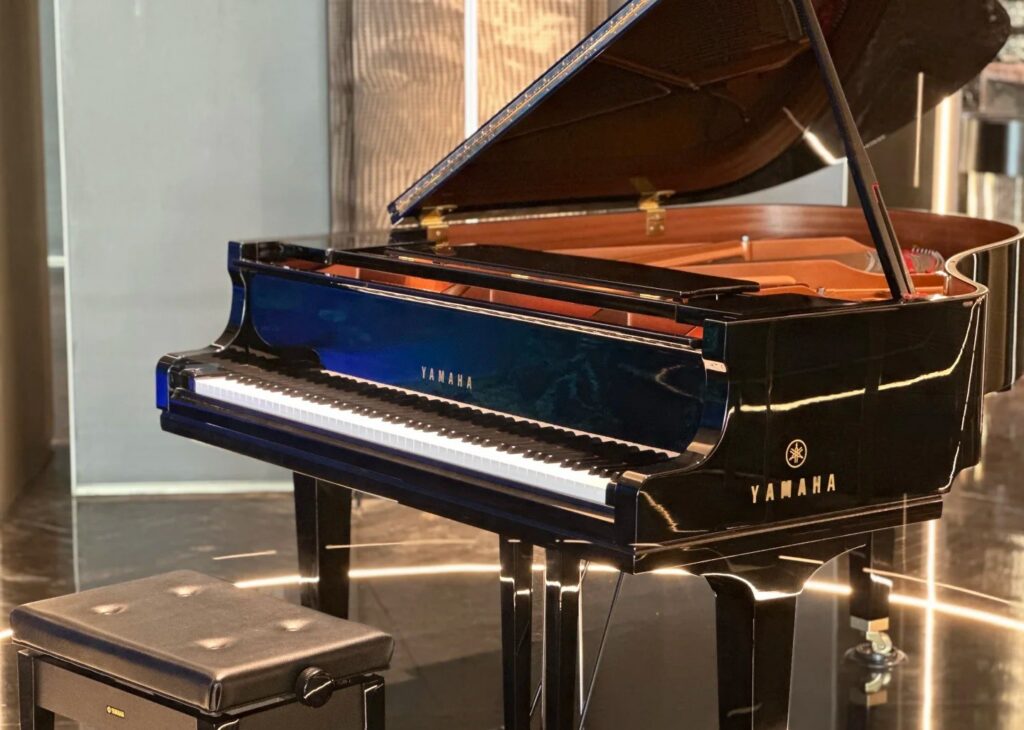
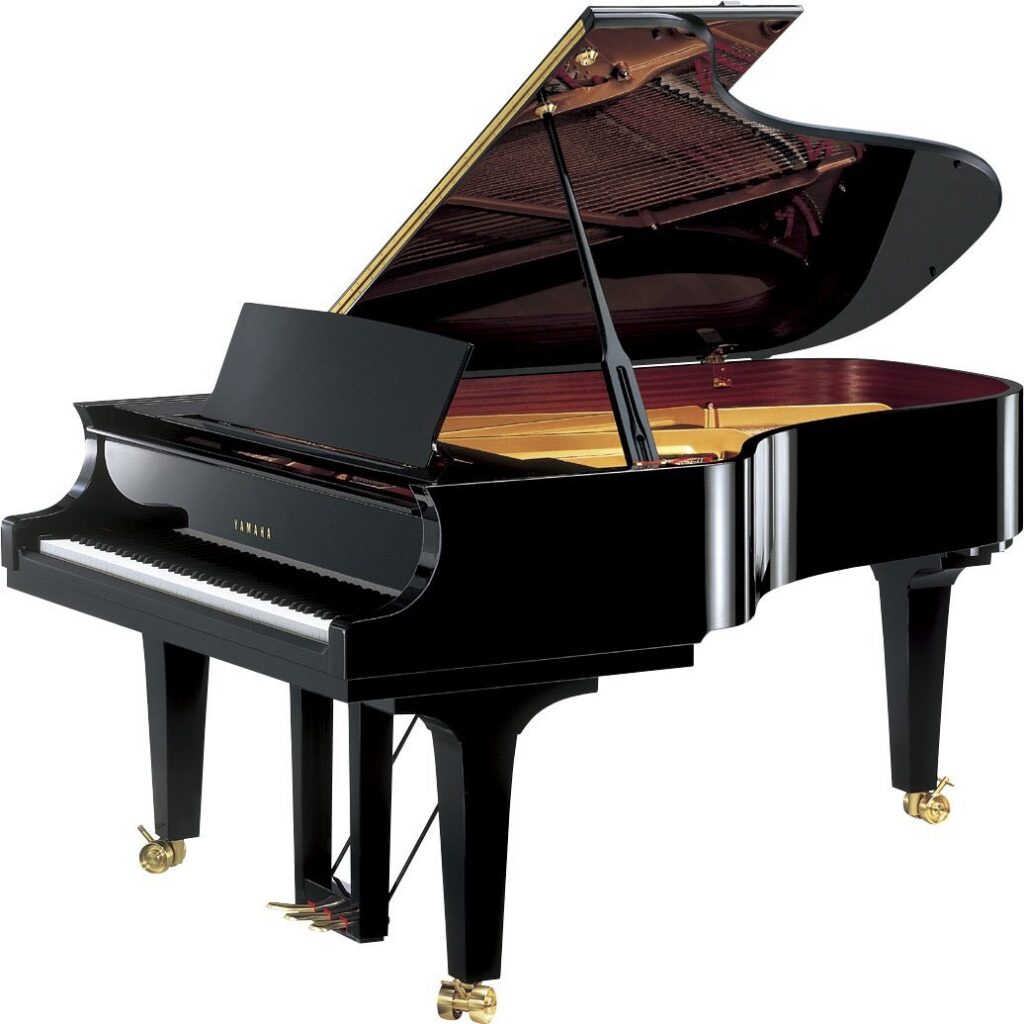
- Yamaha: The CFX Concert Grand is a modern powerhouse, known for its brilliant, projective, and incredibly reliable tone. The S Series and CX Series bring this concert-hall DNA into smaller models.
- Shigeru Kawai: The hand-finished pinnacle of Kawai’s craft. These instruments rival the great Europeans for tonal complexity and depth, featuring the exquisite Millennium III carbon fibre action.
The Value of Certified Pre-Owned
A pre-owned grand piano can offer extraordinary value. Programmes like Steinway & Sons Certified Pre-Owned provide fully refurbished instruments with a new warranty. The broader market for expertly serviced older Yamaha, Kawai, or European pianos is also excellent for the knowledgeable buyer.
Your Objective Selection Criteria
Size & Space: The Most Critical Practical Factor
The length of a grand piano is the primary determinant of its bass string length, soundboard area, and ultimately, its tonal power and complexity.
- Baby Grand (under 180cm): E.g., Yamaha GB1K (151cm). Suitable for smaller rooms where space is paramount. Tonal compromise is inevitable, but modern designs are impressive.
- Medium Grand (180cm-210cm): E.g., Yamaha C3X (186cm), Steinway Model A (188cm). The ideal category for the serious home, offering a balanced scale and rich tone.
- Semi-Concert & Concert Grand (210cm+): E.g., Steinway Model B (211cm), Model D (274cm). Require significant, acoustically treated space. Deliver uncompromising power, sustain, and dynamic range.
Consider your room acoustics: A high-ceilinged country drawing room can support a larger instrument than a modern, dampened London flat. Always allow for at least 1 metre of space around the piano for sound to develop and for technician access.
Tonal Character & Signature
Each manufacturing tradition has a distinct voice.
- American (Steinway NY, Boston): Projective, clear, with a powerful, direct bass. Built for clarity in large spaces.
- German/Austrian (Bösendorfer, Bechstein, Blüthner): Depth, harmonic complexity, and a « singing » treble. Often described as having more colour and warmth.
- Japanese (Yamaha, Kawai): Analytical precision, consistency across the keyboard, and brilliant clarity. Excellent for technical practice and modern music.
- Italian (Fazioli): Extreme clarity, laser-like definition, and a very long, singing sustain.
Touch & Action: The Interface of Expression
The action is the mechanical heart of the piano.
- The Renner action (used by Steinway, Bechstein, and many others) is the gold standard for its responsiveness and nuanced repetition.
- Kawai’s Millennium III Carbon Fibre Action is renowned for its stability, lightness, and speed.
- Yamaha’s actions are celebrated for their consistency and reliability.
- Key weight, repetition speed, and dynamic control should feel like a natural extension of your musical intent. Always play extensively to assess.
Budget & Lifetime Costs
- Realistic Price Brackets (GBP, new):
* Entry-Level Baby Grand: £15,000 – £30,000 (Yamaha GB1K, Kawai GL-10)
* Serious Home/Advanced Study: £40,000 – £80,000 (Yamaha C3X, Kawai GX-2, Schimmel Konzert)
* Professional/Institutional: £80,000 – £150,000+ (Steinway Model B, Bösendorfer 185, Bechstein B212)
* Concert Grands: £120,000 – £250,000+
- Annual Maintenance: Budget £200-£400 for two tunings per year, plus additional costs for regulation or voicing every few years.
- Transport: Specialist piano movers in the UK can cost from £300 to over £1,000 for large concert grands, depending on distance and complexity.
Grand Pianos by User Profile & Scenario
The Discerning Amateur & Home Enthusiast
Priority: Tonal beauty, aesthetic fit, and an action that inspires daily playing.
Recommendation: Focus on Medium Grands (180cm-200cm) from the upper tier of Japanese makers (Yamaha CX, Kawai GX) or European brands like Schimmel. A well-chosen pre-owned instrument can be exceptional value here.
The Music Student & Conservatoire Pianist
Priority: A responsive, reliable, and consistent action for technical development. The instrument must be a trustworthy practice tool.
Recommendation: Yamaha C Series or Kawai GX Series are studio standards for their durability and clear, even tone. A pre-owned Yamaha C3 or Kawai RX is a classic, robust choice.
The Professional Concert Pianist & Recording Artist
Priority: Ultimate projection, vast dynamic range, and a rich palette of tonal colours. The instrument must be capable of subtlety and power.
Recommendation: This is the realm of the legendary brands: Hamburg Steinway, Bösendorfer, Fazioli, or Yamaha CFX. The choice becomes intensely personal to the artist’s repertoire and touch.
The Collector & Institutional Buyer
Priority: Heritage, investment potential, specific tonal characteristics, or historical importance. Durability for institutional use is also key.
Recommendation: Limited edition models, historic rebuilds, or specific models from heritage houses like Bechstein or Blüthner. For institutions, the durability and service network of brands like Steinway or Yamaha are major considerations.
Recommendation Grid: Grand Pianos by Budget
Entry to Mid-Level Investment (£15,000 – £40,000)
Ideal for the serious home player making their first grand piano investment.
- New: Yamaha GB1K Baby Grand (151cm), Kawai GL-10 (153cm). Compact solutions with solid foundational tone.
- Pre-Owned Market: Excellent condition Yamaha C3 (186cm) or Kawai RX-2 (178cm) from the 1990s/2000s offer a significant step up in tonal maturity.
Serious Amateur to Advanced (£40,000 – £80,000)
A significant step in tonal complexity, build quality, and long-term satisfaction.
- New: Yamaha C3X (186cm), Kawai GX-2 (180cm). These are professional-grade instruments suitable for advanced study and discerning players.
- European Options: New Schimmel Konzert Series models or expertly refurbished C. Bechstein Academy models.
Professional & Institutional Tier (£80,000+)
Instruments built to the highest possible standards, often with significant hand-craftsmanship.
- The Home/Studio Professional: Steinway & Sons Model A (188cm), Bösendorfer 185, C. Bechstein B212.
- The Concert Standard: Steinway Model D (274cm), Yamaha CFX (274cm), Fazioli F278 (278cm). These define the sound of great performance spaces.
The Purchasing Process & Trusted Partners
1. Play, Play, Play: You must try instruments in person. Play the same piece on multiple pianos to compare touch and tone.
2. Engage a Technician: For a pre-owned piano, an independent technician’s inspection (costing ~£150-£300) is essential to assess the soundboard, pin block, and action condition.
3. Understand Warranties: New pianos typically have a 10-year warranty. Certified pre-owned programmes offer transferable warranties, often 5 years.
4. Buying with Confidence: While traditional showrooms offer a personal experience, retailers like Thomann – Europe’s largest music retailer – provide a compelling alternative. They offer a curated selection of new grand pianos, with the convenience of free delivery to the UK, a comprehensive 3-year warranty, and flexible financing options. This can be an excellent way to access a broader range or secure a competitive price with full peace of mind.
FAQ
What is the minimum room size for a baby grand piano?
A room of at least 25-30 square metres with a ceiling height over 2.7 metres is advisable for even a small baby grand (151cm). This allows the sound to develop without becoming overwhelming. In a smaller space, consider using rugs and soft furnishings to absorb excess sound.
What are the main differences between a Hamburg and a New York Steinway?
They are different instruments from different factories. Hamburg Steinways (made in Germany) are often noted for a clearer, more articulate, and slightly brighter tone with a lighter touch. New York Steinways (USA) traditionally have a warmer, darker, more robust character with a heavier action. The choice is highly subjective and repertoire-specific.
Is a used grand piano a good investment?
A used grand piano can be an excellent investment in musical value. Financially, a premium brand in good condition (like a Steinway, Bechstein, or high-end Yamaha/Kawai) will hold its value well, especially if professionally maintained. It allows you to access a higher level of instrument for your budget. Always have it inspected by an independent technician.
How much does it cost to maintain a grand piano annually in the UK?
Budget for a minimum of two tunings per year at approximately £100-£150 each, so £200-£300 annually. Every 3-5 years, you may need regulation (adjusting the mechanical action, £300-£600) or voicing (adjusting the tone, £200-£400). Climate control (a piano humidifier system) is also a wise investment to protect the instrument.
Can a grand piano be placed on an upper floor of a house?
Generally, yes, but you must consult a structural engineer or surveyor. A typical baby grand weighs 250-300kg, a medium grand 350-400kg, and a concert grand over 500kg. The main concern is concentrated load, not just total weight. Modern homes are usually built to standardised loads, but an expert assessment is crucial for peace of mind.
Real-world scenarios: practical use cases
In a city flat
- Tone & Volume: A baby grand or small medium grand (up to 180cm) is preferable. The tone should be warm and controlled rather than overly brilliant or projective to avoid issues with neighbours.
- Silent System: A built-in silent system (like Yamaha’s Silent Piano or Kawai’s Anytime) is a highly practical consideration, allowing for headphone practice at any hour.
- Transport: Access via stairs or a lift must be carefully planned with specialist movers. Ground floor or purpose-built access is ideal.
- Climate: Flats with central heating require careful humidity control (40-60% relative humidity) to protect the piano.
In a concert hall
- Projection & Power: The instrument must fill the space with a clear, carrying tone without sounding forced. A concert grand (230cm+) is typically required.
- Endurance: The action must remain consistent and responsive throughout a demanding recital or concerto performance.
- Tonal Palette: The piano must offer a wide range of colours, from the most delicate pianissimo to a powerful, rich fortissimo.
- Regulation Stability: It must hold its regulation and tuning exceptionally well despite changes in stage temperature and humidity.
In a recording studio
- Behaviour Under Microphones: The tone must be even across all registers, with no « wolf tones » or uneven harmonics. Extreme clarity and tuning stability are paramount.
- Sustain: A long, clean, and musical sustain is critical for creating a lush recorded soundscape.
- Dynamic Control: The action must allow for exquisite control at low volumes for intimate passages, while still having power in reserve.
- Consistency: The instrument’s tone and touch must be reliably the same from one session to the next.
In a conservatoire
- Intensive Daily Use: The piano must withstand 8-12 hours of playing per day, often by pianists with very powerful techniques. Extreme durability is non-negotiable.
- Versatility: It should be capable of performing a wide range of repertoire convincingly, from Baroque to contemporary.
- Serviceability: The design should allow for easy, regular maintenance. A robust and widely available supply of spare parts is a major advantage.
- Consistent Touch: Actions across multiple practice room pianos should feel as similar as possible to aid student development.
Technical specifications: Representative Grand Piano Models
| Specification | Yamaha GB1K (Baby Grand) | Yamaha C3X (Medium Grand) | Steinway & Sons Model B (Semi-Concert) |
| :— | :— | :— | :— |
| Length | 151 cm | 186 cm | 211 cm |
| Width | 147 cm | 149 cm | 157 cm |
| Weight | 252 kg | 355 kg | 480 kg |
| Action | Yamaha Balanced Action | Yamaha CX Action with Synthetic Ivory Keytops | Steinway Accelerated Action with Ivory-Tex Keytops |
| Soundboard | Solid Sitka Spruce | Solid Sitka Spruce, Tapered | Solid Sitka Spruce, Diaphragmatic |
| Strings | German Roslau | German Roslau | Steinway & Sons (Röslau) |
| Number of Keys | 88 | 88 | 88 |
| Finishes Available | Polished Ebony, Polished White, Satin Walnut | Polished Ebony, Polished White, Satin American Walnut | High-gloss Polished Ebony, various Polished & Satin Woods |
Purchase guide
- New Price Ranges: As outlined in the Recommendation Grid, expect £15,000-£30,000 for a quality baby grand, £40,000-£80,000 for a professional medium grand, and £80,000+ for premium European instruments.
- Certified Pre-Owned Price: Typically 30-50% less than the equivalent new model, depending on age and condition. A Steinway & Sons Certified Pre-Owned Model B might range from £60,000 to £90,000.
- Where to Buy: Purchase from authorised dealers, reputable specialist showrooms, or established large-scale retailers. Thomann offers a secure online purchasing channel for new grands, with the benefit of free European delivery, a 3-year warranty, and customer financing, making them a viable option for the well-researched buyer.
- Annual Maintenance Cost: Budget £300-£500 on average for two tunings and a small contingency for minor adjustments.
- What to Check Before Buying (Pre-Owned):
* Soundboard: Look for cracks (small crown cracks can be normal), but major splits are a red flag. Check for crown (the slight convex curvature).
* Action Regulation: Play every note at various volumes. Check for evenness, repetition speed, and that no keys stick or are sluggish.
* Pin Block & Tuning Stability: A technician will check the torque of the tuning pins. Loose pins mean the piano will not hold tune.
* Strings & Hammers: Look for rust on strings and deep grooves or excessive hardening on the hammer felts.
* Case & Finish: Cosmetic issues are less critical but affect value. Check for veneer lifting or major cracks in the polyester finish.
Related Articles
Field feedback: Yamaha C3X: what pianists and technicians really say.
This page contains affiliate links. If you buy through them, we may earn a commission at no extra cost to you.
🎹 Essential accessories for pianists
This page contains affiliate links. If you buy through them, we may earn a commission at no extra cost to you.
- Thermo-hygrometer (humidity): TFA Digital Thermo-Hygrometer
- Caster cup (sold singly): Jahn IsoFloor
- Felt key cover: Jahn Keyboard Dust Cover
- Adjustable piano bench: Thomann KB-15BM