Catégorie : Market, Buying & Budget

  • Our Verdict: Which Used Piano Brands Hold Value Best?

    Our Verdict: Which Used Piano Brands Hold Value Best?


    Introduction: The Quest for the Grand Piano

    Choosing a grand piano is a deeply personal journey, a delicate balance between acoustic science, tactile response, and artistic aspiration. It is the search for an instrument that becomes an extension of the musician—a partner in creativity and a centrepiece of legacy. This guide provides the discerning framework for that profound decision, navigating the landscape from the first serious purchase to the acquisition of a legendary instrument. The core philosophy is simple, yet paramount: the « best » piano is the one that responds authentically to your touch and serves the unique demands of your music, whether in a London drawing room or a concert hall.

    The Grand Piano Market: A Landscape of Legends

    The world of grand pianos is defined by storied houses, each with a distinct heritage that shapes the soul of their instruments.

    • The American Icon: Steinway & Sons. A name synonymous with the concert stage. The subtle differences between Hamburg (often described as having a clearer, more European tonal precision) and New York (renowned for its powerful, robust projection) models are a key consideration for the connoisseur.
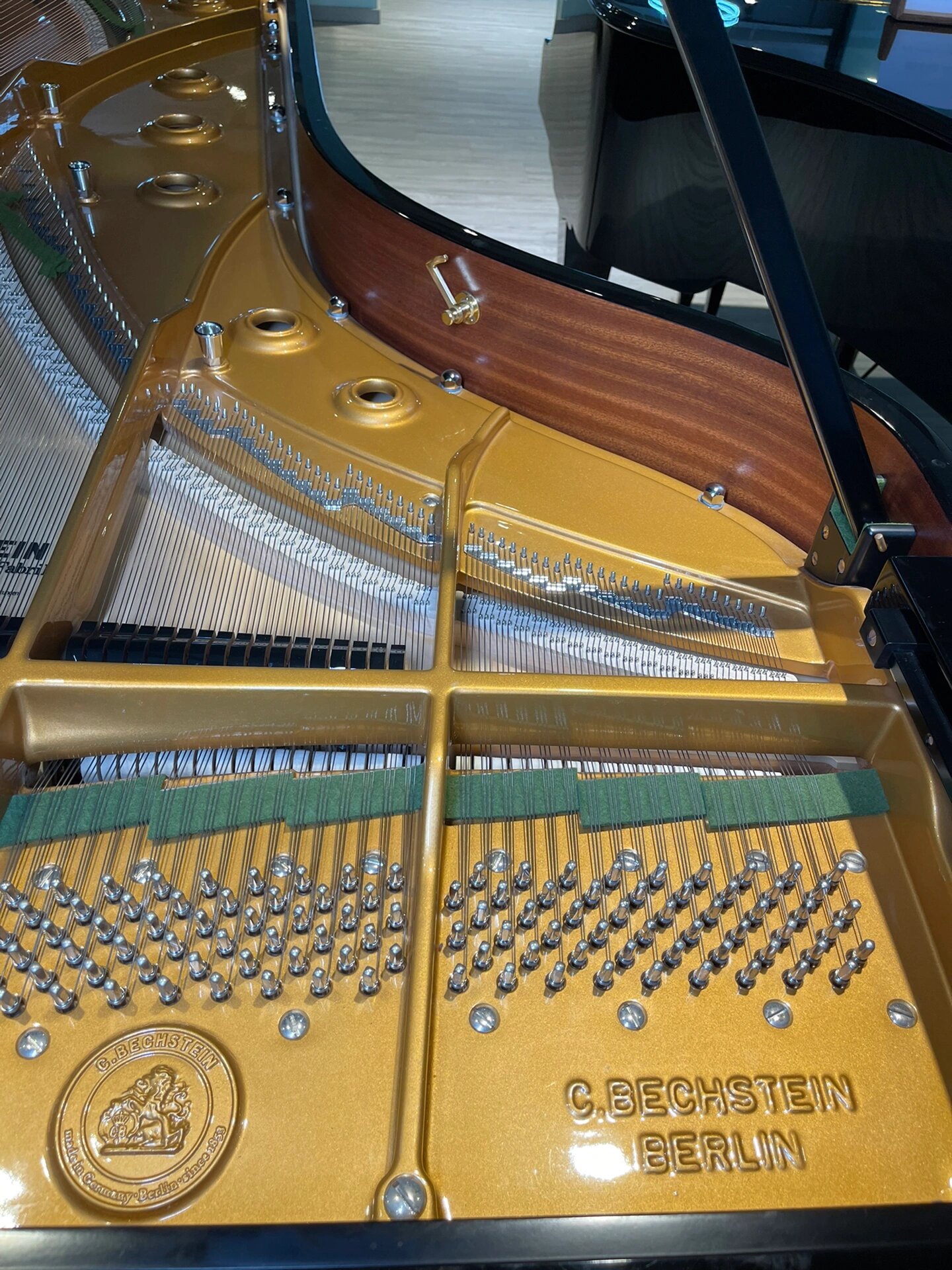
    • The German Tradition: A bastion of craftsmanship. C. Bechstein of Berlin offers crystalline clarity and a remarkably light, responsive touch. Bösendorfer of Vienna is celebrated for its unique warmth, lyrical singing tone, and the added resonance of their Imperial models. Blüthner (Leipzig) possesses a distinctive, romantic « voix céleste » sweetness, while houses like Grotrian-Steinweg and Sauter uphold rigorous standards of hand-built quality.
    • The Italian Master: Fazioli. The epitome of modern precision. Hailing from Sacile, Fazioli instruments are engineered for unparalleled dynamic range, sustain, and a laser-like clarity that excels in complex contemporary repertoire and offers a distinct voice in Romantic works.
    • The Japanese Precision: Yamaha & Kawai. Masters of consistency, innovation, and reliability. The Yamaha CFX and Shigeru Kawai lines compete at the highest concert level, offering exceptional clarity and powerful projection. Their premium S Series and Kawai GX lines provide outstanding performance for advanced players.
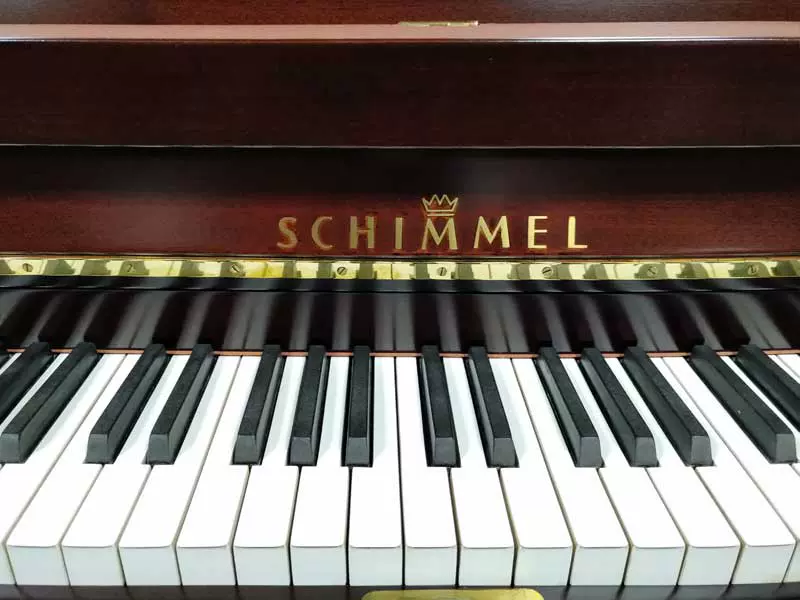
    • The Value Proposition: Brands like Schimmel and the premium tiers of Yamaha (CX Series) and Kawai (GX Series) offer exceptional musicality and build quality, bridging the gap between mass production and hand-crafted exclusivity.

    Objective Selection Criteria: Beyond the Name

    Size & Space: The Primary Constraint

    The length of a grand piano is the greatest determinant of its sound. A baby grand (~150-180cm) suits intimate spaces, offering charm but with a compromised bass scale. A living room grand (180-210cm) provides a far more balanced tonal spectrum for most homes. The semi-concert (211-228cm) and concert grand (274cm+) are instruments of power and completeness, demanding significant space and considered acoustics.

    Tonal Character: The Voice

    This is the instrument’s personality. It is shaped by the scale design, the soundboard (often premium Val di Fiemme or Alpine spruce), and the hammers. One might seek the foundational power and projection of an « American » sound, the complex harmonic depth of a « German » tone, the lyrical warmth of the « Viennese » school, or the transparent, precise « Japanese » clarity.

    Action & Touch: The Connection

    The action is the interface between pianist and string. A premium Renner or proprietary action with double escapement allows for rapid repetition and nuanced control. Key weighting and consistency across the keyboard are non-negotiable for serious technique. The touch should feel neither heavy nor light, but responsive and communicative.

    Budget & Value: The Reality

    Budget dictates the field of play. The market for certified pre-owned instruments, such as the Steinway Certified Pre-Owned Programme, offers remarkable value and access to legendary names. Remember the total cost of ownership: the purchase price, specialist transport (especially for grands over 180cm), and the essential annual investment in tuning, regulation, and voicing by a skilled technician.

    Grand Pianos by Pianist Profile & Scenario

    The Discerning Amateur & City-Dweller

    • Needs: A grand that provides the aesthetic and tactile experience in a limited space (160-180cm). Focus is on tonal warmth, a pleasing scale, and manageable projection that won’t overwhelm a living room.
    • Budget: £15,000 – £40,000.
    • Considerations: A high-quality compact grand from Yamaha, Kawai, or Schimmel can be ideal. The option of a silent system is valuable in shared buildings.

    The Music Student & Conservatoire Pianist

    • Needs: A robust, concert-preparatory instrument (180-210cm) that can withstand hours of daily practice. An even, responsive action and a clear, adjustable tone are critical for technical development.
    • Budget: £25,000 – £70,000.
    • Considerations: The premium Japanese lines (Yamaha C3X/CX Series, Kawai GX Series) are benchmarks for reliability. This tier also opens the door to used or smaller models from German houses like C. Bechstein’s Academy series.

    The Professional & Concert Pianist

    • Needs: The capabilities of a semi-concert or concert grand (211cm+). Ultimate dynamic range, power without harshness, durability for touring, and a deeply personal, inspiring touch.
    • Budget: £60,000 – £200,000+.
    • Considerations: This is the realm of the legendary models: the Steinway Model D, Bösendorfer 214/225, Fazioli F212/F278, and Yamaha CFX. Selection is intensely personal and often based on the specific repertoire.

    The Collector & Institutional Buyer

    • Needs: Instruments as artistic assets, historical artefacts, or tools for a specific institutional ethos (e.g., a recording studio). Rarity, provenance, and unique tonal characteristics are paramount.
    • Budget: Variable, often £100,000+.
    • Considerations: Limited editions, restored historic instruments from great houses, or bespoke configurations from manufacturers like Bösendorfer or Fazioli.

    Recommendation Grid: Grand Pianos by Budget Tier

    Models and prices are indicative for the UK market; always verify with authorised dealers.

    Tier 1: Entry to Mid-Range (£10,000 – £40,000)

    • Yamaha GB1K (161cm): A reliable, compact instrument with a recognisably clear Yamaha tone. An excellent first grand for a dedicated student or a space-conscious home.
    • Kawai GL-10 (153cm): Features Kawai’s respected Millennium III action in a baby grand format, offering a superior touch for its size.
    • Schimmel C 169 (169cm): Brings authentic German scale design and craftsmanship to an accessible price point, known for its warm, rounded tone.

    Tier 2: Advanced & Institutional (£40,000 – £100,000)

    • Yamaha C3X (186cm): A benchmark instrument. Its consistency, clear projective tone, and robust build make it a favourite for serious homes, studios, and smaller institutions.
    • C. Bechstein Academy A 190 (190cm): Offers the pure heritage of Bechstein design—crystalline treble, singing tenor, and a velvet-smooth action—at a relative value.
    • Steinway & Sons Model A (188cm): The iconic Hamburg Steinway sound in a size suitable for larger homes. A pre-owned Model A in good condition is a quintessential lifetime instrument for many.

    Tier 3: Professional & Concert (£100,000+)

    • Bösendorfer 214VC (214cm): The « Viennese Concert » grand. Renowned for its unique colour palette, resonant bass, and lyrical, singing sustain that is ideal for the core Germanic repertoire.
    • Fazioli F212 (212cm): Represents modern piano engineering at its peak. Unmatched clarity, breathtaking sustain, and incredible dynamic control define its character.
    • Steinway & Sons Model D (274cm): The global standard for the concert stage. Its power, tonal complexity, and ability to fill the largest halls are legendary.

    The Purchasing Process & Aftercare

    The cardinal rule: you must play the specific instrument you intend to buy. Listen with a trusted technician who can assess the piano’s condition and potential. When sourcing your instrument, purchasing from a major, reputable retailer like Thomann offers significant advantages, including Europe-wide delivery, a comprehensive 3-year warranty, and flexible financing options, all from a platform with access to a wide range of brands.

    Aftercare is not an optional extra. Build a relationship with a qualified piano tuner-technician. A new or newly moved grand will require tuning 3-4 times in its first year as it settles; thereafter, at least twice-yearly tuning is standard, with regulation and voicing every few years to maintain optimal performance.

    Frequently Asked Questions (FAQ)

    What is the main difference between a Hamburg and a New York Steinway?

    The differences stem from historical manufacturing philosophies. Hamburg Steinways are often described as having a clearer, more focused, and slightly brighter « European » tonal character, with a touch that can feel precise and articulate. New York Steinways are traditionally known for a warmer, more robust, and powerful bass with a richer harmonic spectrum, and an action that some describe as having a slightly heavier initial touch. In recent decades, the lines have blurred, and individual instrument preparation is now the most critical factor.

    Is a used grand piano a wise investment?

    It can be an excellent decision, offering access to higher-quality instruments at a lower cost. The key is condition, provenance, and preparation. A piano from a reputable brand, with verifiable history, purchased from a specialist dealer who has fully refurbished, regulated, and voiced it (like a certified pre-owned scheme) is far safer than a private sale of an « as-is » instrument. Brands like Steinway, Bösendorfer, and Bechstein have historically shown strong value retention.

    How often does a grand piano need tuning and servicing?

    In a stable UK home environment (consistent temperature and humidity), a grand piano should be tuned at least twice a year. A new piano or one in a fluctuating environment (e.g., with central heating) may need 3-4 tunings in its first year. Regulation (adjusting the mechanical action) should be performed every 2-5 years depending on use, and voicing (shaping the tone by needling the hammers) is done as needed to maintain the desired sound.

    Can a grand piano be placed on any floor in a modern flat?

    Not without consideration. A baby grand (c. 300kg) is usually fine, but a 180cm grand can weigh over 400kg, and a concert grand over 500kg. It is strongly advisable to consult a structural engineer or your building’s management before placing a large grand on an upper floor. The concentrated load, especially with a cast iron frame, is significant.

    What are the ongoing costs of owning a grand piano?

    Beyond the purchase price, budget for:

    • Tuning: £80-£120 per session, typically twice yearly (£160-£240 p.a.).
    • Regulation: A full regulation can cost £500-£1,500+ every few years.
    • Voicing: Often done with tuning, but a full voicing may cost £200-£500.
    • Potential Repairs: Things like broken strings, sticky keys, or damper issues may incur occasional costs of £100-£500.
    • Climate Control: Investing in a dedicated piano humidifier/dehumidifier system (c. £200-£500) is highly recommended to protect your investment.

    Real-world scenarios: practical use cases

    In a city flat

    • Size & Tone: A grand between 160-180cm is ideal. Look for an instrument with a warm, fundamental tone rather than an overly bright, projective one to avoid sounding harsh in a 40-60 m² room.
    • Neighbour Considerations: Discuss practice times. A silent system (which uses headphones) is an invaluable feature, turning the acoustic piano into a digital one when required.
    • Transport & Access: Measure doorways, stairwells, and lifts meticulously. Specialist piano movers are essential and will advise on feasibility.
    • Climate: Flats with strong central heating are very dry. A piano humidity control system is non-negotiable to prevent cracking and tuning instability.

    In a concert hall

    • Projection & Power: The instrument must have the scale and design to project a clear, complex tone to the back of the hall without the bass becoming muddy or the treble shrill. This is the domain of pianos 211cm and longer.
    • Endurance: The action must remain consistent and responsive throughout a demanding recital or concerto performance, with no degradation in repetition speed or dynamic control.
    • Tuning Stability: It must hold its tuning perfectly under the bright lights and potential temperature changes of the stage environment.
    • Versatility: The ideal concert hall piano has a wide, adjustable tonal palette to serve everything from Baroque to contemporary repertoire.

    In a recording studio

    • Behaviour Under Microphones: The instrument must sound balanced and detailed from the pianist’s perspective and through microphones. Some pianos that feel glorious to play can have problematic overtones or uneven registers when recorded.
    • Sustain & Clarity: A clean, long sustain with a gradual decay is often prized, allowing engineers to shape the sound. Clarity in complex textures (e.g., dense chords in the bass) is critical.
    • Tuning Stability: It must hold a perfect tuning for the duration of a session, which may involve many hours of playing and pauses.
    • Dynamic Control: The ability to produce a true, clean pianissimo that still carries tone is as important as a powerful fortissimo.

    In a conservatoire

    • Intensive Daily Use: The piano must withstand 8-12 hours of playing per day, often by pianists with very powerful techniques. Extreme durability of the action, strings, and hammers is paramount.
    • Consistency: While each piano has a personality, instruments within a practice room fleet should have a relatively consistent touch and tonal response to aid student development.
    • Serviceability: The design should allow technicians to efficiently regulate, voice, and repair the instrument. Availability of spare parts is a key consideration.
    • Versatility: As with concert halls, the piano must be a faithful tool for a vast range of styles and techniques taught in the curriculum.

    Technical specifications

    | Specification | Description |

    | :— | :— |

    | Typical Size Range | Baby Grand: 150-180cm / Living Room Grand: 180-210cm / Semi-Concert: 211-228cm / Concert Grand: 274cm+ |

    | Weight Range | 300kg (baby grand) to 550kg+ (concert grand) |

    | Action Type | Double escapement action; typically by Renner, or proprietary (e.g., Steinway, Yamaha, Kawai Millennium III) |

    | Soundboard Timber | Premium, vertically grained spruce (often from Alpine regions or Val di Fiemme, Italy) |

    | Number of Keys | 88 (standard); Bösendorfer Imperial models have 97 (8 extra bass keys) |

    | Frame | Single-cast iron plate (sometimes with decorative gold plating) |

    | Finishes Available | High-gloss polyester (ebony, white, mahogany, walnut), Satin polyester, Open-pore woods, Veneers, Custom polishes. |

    Purchase guide

    New price / Certified pre-owned price

    • New: Prices start from around £10,000 for an entry-level baby grand (e.g., Yamaha GB1K) and can exceed £200,000 for a new concert grand from a legendary maker.
    • Certified Pre-Owned: This market offers significant value. A meticulously refurbished Steinway Model M or L (180cm range) might be found for £40,000-£70,000, while a similar new instrument would be significantly more. Always ensure the certification includes full restoration, regulation, voicing, and a transferable warranty.

    Where to buy

    • Authorised Brand Dealers: Essential for new instruments and often for certified pre-owned programmes. They provide manufacturer warranties and technical expertise.
    • Major Specialist Retailers: A retailer like Thomann is a compelling option, offering a vast selection of brands across all price tiers, with benefits such as free delivery across Europe, a comprehensive 3-year warranty, and transparent financing options. This allows for easy comparison and access.
    • Specialist Piano Auctions: For rare, antique, or collector-grade instruments. Requires expert knowledge.

    Annual maintenance cost

    Budget approximately £300-£600 per year for a well-maintained grand piano in a home environment. This covers two tunings and a contribution towards future regulation/voicing work. Institutional or heavily used instruments will cost more.

    What to check before buying

    1. Condition of Soundboard: Look for visible cracks (especially long, separated cracks running with the grain), and tap it lightly—it should resonate, not sound dead.

    2. Action Regulation: Play every key pianissimo and fortissimo, check for evenness, repetition speed, and that no keys stick or fail to sound.

    3. Pin Block Condition: Ask a technician to check the tuning pin torque. Loose pins mean the piano will not hold tune and requires major (expensive) restoration.

    4. String & Hammer Condition: Look for rust on strings and deep grooves in the hammer felts. Some wear is normal, but excessive grooving affects tone and requires hammer reshaping or replacement.

    5. Case & Finish: Check for structural integrity and finish condition, but remember that cosmetic issues are less critical than mechanical and sonic ones.

  • Our Verdict: When a Second-Hand Piano is Superior

    Our Verdict: When a Second-Hand Piano is Superior


    Choosing a grand piano is a significant investment. Our expert guide for the UK market compares leading brands like Steinway, Bösendorfer & Fazioli, with selection criteria for every budget from £10,000 to £200,000+.

    The Connoisseur’s Guide to Choosing a Grand Piano

    Selecting the right grand piano is a profound decision that transcends mere purchase; it is the beginning of a partnership. It is the synthesis of art, acoustics, and precision engineering, requiring a harmonious match between the instrument’s inherent character—be it the commanding, projective power of a Hamburg Steinway or the lyrical, singing warmth of a Viennese Bösendorfer—and the pianist’s technique, the acoustic environment of its home, and the long-term vision for its use. This guide serves as your expert adviser, navigating the nuanced landscape of grand pianos to find the instrument that will resonate with your ambition, your space, and your soul.

    The Grand Piano Landscape – A Hierarchy of Craftsmanship

    The world of grand pianos is defined by distinct schools of building, each with a century-old philosophy that shapes the touch and tone of every instrument. Understanding this hierarchy is the first step in refining your search.

    The Legendary Houses

    These are the names that grace the world’s great concert stages and set the standard for excellence.

    • Steinway & Sons: The ubiquitous benchmark. Hamburg Steinways are often described as having a clearer, more precise tone with a slightly brighter attack, favoured in European concert halls. New York instruments traditionally offer a warmer, more robust foundational sound. Both share the unparalleled Accelerated Action and the patented Diaphragmatic Soundboard for powerful projection.
    • Bösendorfer: The sound of Vienna. Renowned for a uniquely warm, lyrical, and singing tone, with a remarkably responsive touch. Their Imperial 290 concert grand features nine extra bass keys, creating a sonorous depth unmatched by any other. The casework is an art form in itself.
    • Fazioli: The modern pinnacle of precision. Handcrafted in Sacile, Italy, Fazioli pianos are celebrated for their explosive dynamic range, crystalline clarity in the treble, and incredibly fast, responsive action. They represent a more contemporary, laser-focused sound ideal for large, resonant spaces.

    The German Heritage

    A tradition of profound depth and complex tonal colour.

    • C. Bechstein & Blüthner: Bechstein offers a powerful, colourful tone with a touch that balances control with expressiveness. Blüthner’s distinctive Aliquot stringing in the treble creates a characteristic shimmering, bell-like overtone, contributing to its « velvet » sound.
    • Grotrian-Steinweg, Sauter, August Förster: These houses represent the pinnacle of artisan German building, often with a more intimate, nuanced tonal palette focused on harmonic richness and a delicate, responsive action.

    Asian Precision Engineering

    A philosophy built on relentless consistency, reliability, and clarity.

    • Yamaha CFX/S Series & Shigeru Kawai: The concert-grade instruments from Japan. The Yamaha CFX is known for its brilliant, projective power and extremely stable action. Shigeru Kawai instruments, hand-finished by master artisans, offer a warmer, more European-inspired tone with the Millennium III Carbon Fibre Action for unparalleled repetition and stability in varying climates.

    The Market Realities

    Navigating purchase options is crucial. While a new piano from a manufacturer offers a full warranty and the joy of a pristine instrument, the certified pre-owned market presents exceptional value. Programmes like Steinway & Sons’ Certified Pre-Owned ensure instruments are meticulously refurbished to exacting standards. Understanding the depreciation curve—where premium brands hold value remarkably well—is key. Retailers like Thomann, as Europe’s largest music retailer, provide a valuable channel with access to a wide range of brands, comprehensive customer service, and benefits like free European delivery, which simplifies the complex logistics of acquiring a grand piano in the UK.

    Your Objective Selection Criteria

    Move beyond brand prestige and focus on these tangible, critical factors.

    Size & Space: The Acoustic Reality

    The length of a grand piano is the primary determinant of its soundboard area and string length, directly influencing its power and tonal richness.

    • Baby/Parlour Grands (160-180cm): Suitable for smaller rooms (home drawing rooms, flats). Tone can be sweet but may lack ultimate bass authority.
    • Medium/Living Room Grands (188-211cm): The ideal compromise for most serious pianists and larger homes. Offers a full, balanced scale with a credible bass register.
    • Semi-Concert & Concert Grands (228cm+): Require significant space (a large room or hall) to realise their potential. Deliver unparalleled dynamic range, tonal colour, and sustaining power.

    Tonal Signature: Identifying Your Palette

    Listen for the character, not just the volume.

    • American Clarity: (Steinway, Boston) – Focused, projective, with a clear melodic line.
    • German Depth: (Bechstein, Blüthner, Grotrian) – Complex, rich in harmonics, with a rounded warmth.
    • Viennese Warmth: (Bösendorfer) – Lyrical, singing, with a fundamental emphasis on beauty of tone.
    • Japanese Precision: (Yamaha CFX, Shigeru Kawai) – Clear, analytical, with excellent note-to-note consistency across the entire keyboard.

    Action & Touch: The Interface of Expression

    The action is the piano’s mechanical heart. A premium Renner action (or equivalent like Kawai’s Millennium III) with a true double escapement allows for rapid repetition. Key weighting should be even and responsive, supporting technical development rather than hindering it. This is where personal preference is paramount; the touch must feel like an extension of your musical intent.

    Budget & Value: The Total Cost of Ownership

    The purchase price is just the beginning. Factor in:

    • Professional Transport & Installation: £500 – £2,000+, depending on location and complexity (stairs, crane hire).
    • Annual Maintenance: At least two tunings per year (£80-£150 per tuning), plus periodic regulation (adjusting the mechanical action) and voicing (adjusting the tone of the hammers). Budget £500-£1,000 annually for comprehensive care.
    • Insurance: Specialist instrument insurance is essential.

    Grand Pianos for Every Profile & Setting

    The Discerning Amateur & City-Dweller

    Needs: A compact grand (168-180cm) with a beautiful, controlled tone that inspires daily practice without overwhelming a shared living space. A silent system can be a prudent consideration. Focus on tonal sweetness and a responsive, enjoyable touch.

    Typical Models: Yamaha C1X/GC1, Kawai GL-10/GX-1, Boston GP-156.

    The Conservatoire Student or Professor

    Needs: A robust, consistently responsive instrument (188-211cm) capable of handling advanced repertoire 6-8 hours daily. Durability, stable tuning, and a clear, articulate action are non-negotiable. It must be a reliable tool for technical refinement.

    Typical Models: Yamaha C3X/C6X, Kawai GX-3/GX-6, C. Bechstein Academy A 192, Schimmel Konzert K 195.

    The Concert Pianist & Recording Artist

    Needs: A full concert grand (228cm+) that provides ultimate projection, a vast dynamic range (from a whisper to a roar), and an extensive palette of tonal colours. The action must be flawless for technical security under pressure.

    Typical Models: Steinway Model D, Bösendorfer 225/280, Fazioli F228/F278, Yamaha CFX.

    The Collector & Institutional Buyer

    Needs: Focus on heritage, unique craftsmanship, and investment-grade instruments. This may include rare finishes, art case pianos, or historically significant models like the Bösendorfer Imperial. For institutions, durability, service network, and brand recognition for recruiting are key.

    Typical Models: Bösendorfer Imperial 290, Fazioli F308, Steinway Limited Edition Art Case models.

    Recommendation Grid: Curated Grand Pianos by Budget

    The Entry-Point of Excellence (£10,000 – £30,000)

    This tier is dominated by the premium pre-owned market and high-quality new uprights. However, discerning buyers can find exceptional value in smaller pre-owned grands from established lines. Look for well-maintained examples of:

    • Yamaha C1/C2 Series (161-173cm): The benchmark for reliability and clear tone.
    • Kawai RX-1/RX-2 (170-178cm): Known for a warmer, more mellow character than equivalent Yamahas.
    • Boston GP-156 (156cm): Designed by Steinway, offering a taste of that tonal philosophy in a compact form.

    The Heart of the Market (£30,000 – £70,000)

    Here you access new high-quality baby grands and superb pre-owned professional models. This is the sweet spot for the serious amateur and advancing student.

    • Yamaha C3X (186cm): A modern classic. Offers a powerful, clear, and balanced tone with exceptional build consistency. A standard in many teaching studios.
    • Kawai GX-2 (178cm): Features the advanced Millennium III action for superb control. The tone is rich and singing, with a notably warm bass for its size.
    • Schimmel Konzert Series K 175 (175cm): German craftsmanship at a relatively accessible point. Delivers a complex, European tonal colour with a beautifully light yet precise touch.

    The Professional Tier (£70,000 – £150,000)

    This is the realm of new semi-concert and concert-ready instruments from the world’s great houses. An investment for life.

    • C. Bechstein Academy A 192 (192cm): A true German concert instrument in a manageable size. Powerful, colourful, with an action that offers both depth and lightning-fast repetition.
    • Bösendorfer 170 (170cm): The entry into the Viennese sound. While compact, it possesses the signature singing, lyrical treble and warm bass that defines the brand.
    • Steinway & Sons Model A (188cm): Often called « the perfect piano, » the Model A packs the full Steinway scale and tonal philosophy into a design ideal for larger homes and small halls.

    The Pinnacle of Artistry (£150,000+)

    Instruments at this level are built without compromise for the world’s most demanding stages and discerning private salons.

    • Fazioli F278 (278cm): A masterpiece of precision. Breathtaking dynamic range, a piercingly clear treble, and arguably the fastest, most responsive action in production.
    • Steinway & Sons Model D (274cm): The « gold standard » of the concert world. Unmatched projective power, a colossal tonal palette, and an action engineered for absolute control.
    • Bösendorfer Imperial 290 (290cm): As much a work of art as an instrument. The nine extra bass notes provide a subterranean resonance, and its overall tone is uniquely lush, warm, and orchestral.

    Frequently Asked Questions (FAQ)

    What is the most important factor when choosing a grand piano?

    The most critical factor is the synergy between the instrument’s touch and your personal technique, combined with its tonal character. A piano can be objectively superb, but if its action feels foreign or its tone doesn’t inspire you, it is the wrong instrument. Always play it extensively yourself.

    Is a used grand piano a wise investment?

    A well-chosen, professionally inspected used grand piano can be an excellent investment. Premium brands like Steinway, Bösendorfer, and Bechstein hold their value exceptionally well. The key is condition. A certified pre-owned programme from the manufacturer or a reputable dealer like Thomann (which offers a 3-year warranty on grands) mitigates risk and ensures the instrument has been properly assessed and serviced.

    How much space do I really need for a grand piano?

    As a rule, the room should be at least ten times the volume of the piano for the sound to develop properly. Practically, for a 180cm (5’11”) grand, a room of at least 25-30 square metres is advisable. Crucially, consider the logistics: doorways, corners, and the need for professional movers. A grand piano is not just furniture; it is an acoustic event.

    What are the ongoing maintenance costs for a grand piano in the UK?

    Budget for a minimum of two tunings per year (£160-£300 total). Every 2-5 years, expect to need regulation (action adjustment, £300-£600) and voicing (tone adjustment, £200-£400). A full service including all the above may cost £700-£1,200 annually. Humidity control (a room humidifier/dehumidifier system) is highly recommended to protect your investment and reduce tuning instability, especially with the UK’s variable climate.

    Why are brands like Steinway and Bösendorfer so much more expensive?

    The cost reflects centuries of continuous R&D, entirely handcrafted construction, the use of the finest materials (aged spruce, hard-rock maple, premium felt), and an immense amount of skilled labour. A Steinway grand requires over a year to build. This results in not just an instrument, but a unique, complex work of art with unparalleled resale value and a specific, celebrated musical character that has defined classical music for generations.

    Real-world scenarios: practical use cases

    In a city flat

    • Tone & Volume: Prioritise a compact grand (168-180cm) with a sweet, controlled tone. A piano with a warmer, more fundamental sound (like a Kawai or a Bösendorfer 170) may integrate better than a very bright one.
    • Neighbour Considerations: Discuss practice times. A high-quality silent system (where the hammers strike a rail instead of the strings and the sound is heard via headphones) is a superb solution for late-night practice.
    • Transport Logistics: Measure everything twice—stairwells, lifts, doorframes. Professional piano movers are essential and will advise on feasibility.
    • Climate Control: Flats can have dry, central-heated air. A piano humidity control system placed inside the instrument is a wise investment to protect the soundboard and tuning stability.

    In a concert hall

    • Projection & Power: A full concert grand (228cm+) is non-negotiable. It must fill the hall with clear, articulate sound even at pianissimo, without the tone « breaking up » at fortissimo.
    • Endurance: The piano must hold its regulation and tuning perfectly throughout a demanding recital programme, despite changes in stage temperature and humidity from lighting.
    • Tonal Palette: The instrument must offer the performer a vast range of colours—from a crisp, dry staccato to a lush, singing legato—to serve the widest possible repertoire.
    • Action Reliability: The double escapement must allow for flawless repetition. The touch weight must be consistent across the entire keyboard for technical security under pressure.

    In a recording studio

    • Behaviour Under Microphones: The instrument must sound balanced and even across all registers when closely miked. Any quirks or unevenness in the scale will be exaggerated on the recording.
    • Sustain & Clarity: A clean, un-muddied sustain is crucial, especially in the bass. The piano must allow for complex textures to be recorded with clarity.
    • Tuning Stability: It must hold a perfect tuning for the duration of a long session, which may involve many retakes. Stable, high-quality pin blocks and a robust frame are essential.
    • Dynamic Control: The action must allow for extreme subtlety of touch, enabling the artist to produce a wide dynamic range without harshness.

    In a conservatoire

    • Intensive Daily Use: The piano must withstand 8-12 hours of playing daily by different pianists with varying techniques. Incredible durability of the action parts, keys, and strings is required.
    • Consistency: A fleet of practice room pianos must feel and sound relatively similar to the main stage instruments to aid student development.
    • Versatility: The piano must be equally capable in Baroque, Classical, Romantic, and contemporary repertoire, offering a neutral yet responsive platform for learning.
    • Serviceability: A strong local network of technicians and readily available spare parts (like Renner action components) is a major practical consideration for institutional buyers.

    Technical specifications

    | Specification | Description |

    | :— | :— |

    | Typical Length Range | 150cm (4’11 ») to 308cm (10’1″) |

    | Typical Width | Approximately 148cm – 155cm |

    | Weight Range | 250kg (small baby grand) to 550kg+ (concert grand) |

    | Action Type | Double escapement, wooden or composite (e.g., Kawai Millennium III Carbon Fibre) |

    | Soundboard Timber | Solid, vertically-grained Sitka or Alpine Spruce |

    | Number of Keys | 88 (standard). Bösendorfer Imperial models have 92 or 97. |

    | Frame | Single-cast iron plate (sometimes with decorative gold plating) |

    | Strings | High-tensile steel; bass strings copper-wound. |

    | Pin Block | Multi-laminated hard-rock maple or beech. |

    | Standard Finishes | Polished Ebony, Polished White, Satin Mahogany, Walnut, and various veneers. |

    | Notable Features | Duplex Scale (Steinway), Aliquot Stringing (Blüthner), Imperial Bass (Bösendorfer). |

    Purchase guide

    New price / Certified pre-owned price

    • New: Prices start from around £15,000 for an entry-level baby grand (e.g., Yamaha GB1K) and can exceed £250,000 for a top-tier concert grand from a legendary maker.
    • Certified Pre-Owned: This offers significant savings, typically 30-50% off the equivalent new price, while providing a professionally refurbished instrument with a manufacturer-backed warranty (e.g., Steinway Certified Pre-Owned).

    Where to buy

    • Authorised Brand Dealers: For new instruments and manufacturer-certified pre-owned programmes. They offer expert advice, after-sales service, and preparation.
    • Major Specialised Retailers: Retailers like Thomann provide a wide selection of both new and carefully vetted used grands from multiple brands. Benefits often include free European delivery, a 3-year warranty on grand pianos, and flexible financing options, making them a convenient and reliable purchasing channel for UK buyers.
    • Private Sale: Higher risk, but can yield the best price. Never buy without an independent inspection by a qualified piano technician.

    Annual maintenance cost

    Budget £500 – £1,200 per year for comprehensive care. This should cover:

    • 2-3 tunings (£80-£150 each).
    • Periodic action regulation and key levelling.
    • Occasional voicing to maintain tonal quality.
    • Consider an annual service contract with a trusted technician.

    What to check before buying

    1. Soundboard: Look for cracks, especially near the bridges. Minor hairline cracks are often stable, but major cracks affect tone and value.

    2. Pin Block & Tuning Stability: Check the tuning pin torque. Loose pins mean the pin block is worn and the piano will not hold tune.

    3. Action Regulation: Play every key, check for evenness of touch, repetition speed, and that no keys stick or are sluggish.

    4. Hammers: Inspect for deep grooves or excessive hardening. Deep grooves require reshaping or replacement.

    5. Strings & Bridges: Look for rust on strings and check that the bridge caps are not cracked and that strings are seated properly.

    6. Case & Finish: Cosmetic condition affects value but not necessarily performance.

    7. Proof of History: Always ask for service records. A well-documented history is a sign of a cared-for instrument.

  • Review: How to Choose a Reliable Second-Hand Piano Dealer

    Review: How to Choose a Reliable Second-Hand Piano Dealer


    Choosing a grand piano is a profound decision, blending technical necessity with artistic aspiration. It is the acquisition of a voice, a piece of furniture, and a legacy instrument. For the serious pianist, educator, or institution in the United Kingdom, navigating this nuanced market requires a connoisseur’s eye and a pragmatist’s mind. This guide serves as your authoritative reference, demystifying the journey from the first consideration to the final note in your home, studio, or hall.

    Introduction: The Apex of the Pianist’s Art

    A grand piano represents the ultimate evolution of the acoustic keyboard. Its horizontal frame and stringing allow for longer strings, a larger, more responsive soundboard, and a superior action mechanism compared to its vertical counterpart. This results in an instrument capable of unparalleled dynamic range, tonal colour, and expressive nuance. Selecting one, however, is not merely about choosing a brand. It is a careful calibration of space, tonal preference, touch sensitivity, and budget. This guide will illuminate that path, offering expert advice tailored to the discerning UK musician.

    Chapter 1: The Grand Piano Market – A Landscape of Legends

    The grand piano world is stratified by history, philosophy, and craftsmanship. Understanding this hierarchy is the first step in identifying where your aspirations align.

    • The Concert Legends: These are the instruments that define the world’s great stages and recordings. They are built without compromise for ultimate performance.

    * Steinway & Sons (Hamburg/New York): The ubiquitous benchmark. Hamburg models are often noted for a clearer, more European tone, while New York pianos traditionally offer a warmer, more powerful bass. The Model D (274 cm) is the concert hall standard.

    * Bösendorfer (Vienna): Renowned for a uniquely singing, warm, and complex tone, with added resonance from their patented duplex scale and, in larger models, extra bass keys. The 214VC or the majestic 280VC are instruments of profound character.

    * Fazioli (Sacile, Italy): The modern challenger, famous for breathtaking clarity, explosive power, and a sustain of remarkable length. Their F278 concert grand is a favourite of pianists seeking crystalline precision and immense dynamic headroom.

    • The German Heritage Houses: Centuries of tradition inform these brands, each with a distinct sonic signature.

    * C. Bechstein (Berlin): Offers both the sublime Bechstein Academy series and the handcrafted Concert series. Tones range from poetic and nuanced to powerfully orchestral.

    * Blüthner (Leipzig): Known for its patented Aliquot stringing in the treble, which adds a bell-like, shimmering overtone, creating a uniquely romantic and colourful sound.

    * Grotrian-Steinweg, Sauter, August Förster, Schimmel Konzert: Each represents the pinnacle of German engineering, with a focus on precise action, a rich, balanced tone, and impeccable build quality.

    • Asian Precision Engineering: These manufacturers have achieved excellence through technological innovation and relentless consistency.

    * Yamaha CFX & SX Series: The CFX (274 cm) is a dominant force in competitions and studios worldwide, known for its brilliant, clear, and incredibly reliable tone. The SX Series brings this concert-hall DNA into smaller footprints.

    * Shigeru Kawai: The hand-finished flagship line from Kawai, featuring their ultra-responsive Millennium III action with carbon fibre components. The tone is warm, singing, and exceptionally controllable.

    • The Value Proposition: This tier includes exceptional workhorse instruments and the important market for certified pre-owned pianos. Brands like Yamaha’s CX Series, Kawai’s GX Series, and Boston (designed by Steinway) offer remarkable performance at accessible price points. A well-maintained pre-owned instrument from a reputable dealer can represent the most astute purchase.

    Chapter 2: Objective Criteria for Selection – Beyond the Name

    Move beyond the marque and evaluate the instrument on these fundamental pillars.

    • Size & Space: This is the primary practical constraint. Measure your room meticulously, allowing for at least 1 metre of clearance behind the piano and 50-75 cm at the keyboard for the pianist.

    * Baby Grands (under 180 cm): Suitable for smaller drawing rooms. Tone can be compromised in the bass; prioritise models with superior scale design.

    * Living Room Grands (180-210 cm): The ideal domestic size, offering a balanced scale and credible bass response. The Steinway Model A (188 cm) or Bösendorfer 200 are classic examples.

    * Professional & Concert Grands (212 cm+): Require significant space. The Steinway Model B (211 cm) is considered the perfect home concert instrument, while the Model D (274 cm) needs a large music room or hall to breathe.

    • Tonal Character & Voicing: This is the instrument’s soul. Listen for:

    * American Projection (Steinway NY): Powerful, direct, with a foundational bass.

    * European Clarity (Steinway Hamburg, Bechstein): Articulate, colourful, with a singing treble.

    * Viennese Warmth (Bösendorfer): Complex, orchestral, with a fundamental richness.

    * Japanese Precision (Yamaha, Shigeru Kawai): Clear, consistent, and brilliantly responsive.

    • Action & Touch: The mechanism must feel like an extension of your intent. Key criteria include:

    * Responsiveness: How quickly can it repeat a note?

    Dynamic Control: Can you easily play pianissimo as well as fortissimo*?

    * Weight & Balance: Is it heavy, light, or perfectly balanced? Premium actions from Renner or proprietary designs like Kawai’s Millennium III are benchmarks.

    • Construction & Materials: Quality here dictates longevity and tone.

    * Soundboard: Solid, vertically-grained Sitka or Alpine spruce is essential for resonance.

    * Frame: A single-cast, iron plate provides the strength to hold over 20 tonnes of string tension.

    * Bridges: Solid maple bridges with precise capo d’astro bars ensure clean energy transfer from string to soundboard.

    * Pin Block: A stable, multi-laminated beech or maple block holds tuning pins securely.

    • Budget Realities (in GBP): Set realistic expectations.

    * New Premium Baby Grand: From £40,000 (Yamaha C2X) to £90,000+ (German heritage brands).

    * New Living Room Grand (Model B equivalent): £90,000 – £180,000.

    * New Concert Grand: £150,000 – £250,000+.

    * Certified Pre-Owned: Offers savings of 30-50% on equivalent new models, with the security of manufacturer refurbishment and warranty.

    Chapter 3: The Right Grand Piano for Your Profile

    The Discerning Amateur & City-Dweller

    Your instrument must be a domestic companion. Focus on compact grands (160-190 cm) from brands like Yamaha (CX Series), Kawai (GX Series), or a pre-owned Bechstein Academy. Tonally versatile for classical and jazz, with a manageable presence. Consider a silent system if neighbours are a concern. The priority is a beautiful tone that inspires daily practice without overwhelming a London townhouse or country cottage music room.

    The Music Student & Conservatoire

    Durability and consistent, responsive action are paramount for technical development. Instruments must withstand hours of daily use. The Yamaha C3X/C6X or Kawai GX-3/GX-6 are industry standards in education for their reliability. A well-prepared Boston grand (designed by Steinway) also offers excellent value. The tone should be clear and even across all registers to faithfully reproduce the repertoire.

    The Professional Concert Pianist & Recording Artist

    This is a tool of the highest specification. Demands include absolute projection, a vast tonal colour palette, and flawless reliability. The choice is deeply personal: the power of a Steinway D, the lyrical warmth of a Bösendorfer 280VC, or the laser clarity of a Fazioli F278. For the home, a Model B or Bösendorfer 214 provides a concert instrument in a domestic scale. The action must allow for the most demanding passagework with total control.

    The Collector & Institutional Buyer

    Investment, historical significance, and legacy come to the fore. This may mean a fully restored vintage Steinway from the 1920s, a limited edition Fazioli in a rare wood, or a new Bechstein Concert 8 for a university auditorium. Bespoke finishes, detailed provenance, and impeccable technical preparation are non-negotiable. The instrument becomes part of an institution’s or individual’s lasting cultural contribution.

    Chapter 4: Recommendation Grid: Grand Pianos by Budget

    Entry to Mid-Level (£15,000 – £45,000)

    Focus: Reliable workhorses, quality pre-owned, and compact models for the dedicated enthusiast.

    • Yamaha GB1K Baby Grand (151 cm): A compact, reliable entry point with a surprisingly musical tone. Ideal for a small space where an upright is insufficient. (New: from £25,000).
    • Kawai GL-10 Baby Grand (153 cm): A direct competitor, featuring Kawai’s quality action in a small footprint. Excellent for student use. (New: from £24,000).
    • Schimmel Classic C 169 (169 cm): A significant step up, offering genuine German engineering and a more mature, balanced tone in a baby grand scale. (New: from £40,000).
    • Pre-Owned Yamaha C3 / Kawai RX-3 (186-188 cm): The quintessential « workhorse » grands from the 1990s/2000s. If well-maintained, they offer tremendous value and professional-grade performance.

    Serious Amateur to Semi-Professional (£45,000 – £90,000)

    The heart of the market, where heritage and high performance converge.

    • C. Bechstein Academy A 190 (190 cm): A piano of profound musicality. The Bechstein touch and singing European tone at a relatively accessible point. (New: from £85,000).
    • Shigeru Kawai SK-2 (187 cm): Hand-finished by master artisans. The Millennium III action is sublime, and the tone is warm, complex, and incredibly responsive. (New: from £75,000).
    • Yamaha S3X (188 cm) / Kawai GX-3 (187 cm): The modern benchmarks for consistency and performance. Brilliant, powerful, and built to last decades of rigorous use.
    • Certified Pre-Owned Steinway Model A (188 cm): The route to Steinway ownership for many. A properly rebuilt or certified Model A from the 1960s-90s can be a magnificent, lifetime instrument.

    Professional & Institutional Tier (£90,000+)

    Instruments that define excellence in concert halls, elite studios, and the homes of the most discerning musicians.

    • Steinway & Sons Model B (211 cm): The undisputed reference. A perfect balance of power, colour, and scale for the large home or small hall. (New: from £140,000).
    • Bösendorfer 214VC (214 cm): The « Vienna Concert » model. Offers the legendary Bösendorfer warmth and singing sustain with added power and projection for modern repertoire. (New: from £180,000).
    • Fazioli F183 (183 cm) / F212 (212 cm): The epitome of Italian precision and clarity. An explosive dynamic range and breathtaking sustain in a surprisingly compact cabinet (F183). (New: F183 from £150,000).
    • Yamaha CF4 (212 cm): The smaller concert instrument from Yamaha’s flagship range. Possesses the brilliant, clear, and powerful CFX DNA in a more domestic-friendly size.

    Chapter 5: The Purchase & Ownership Journey

    • New vs. Pre-Owned: A new piano offers the latest design, a full manufacturer’s warranty, and your choice of specification. A certified pre-owned instrument (from schemes like Steinway Certified Pre-Owned or Yamaha’s Premium Piano range) offers significant value and the character of a matured instrument. Private sales carry risk and require an independent technician’s inspection.
    • The Role of the Retailer: The preparation of the piano is as important as its build. A reputable dealer will provide expert voicing (tone shaping) and regulation (action adjustment) to suit your environment and touch. Major retailers like Thomann, Europe’s largest music retailer, provide a curated selection of new and premium used grands, with the advantages of free delivery across Europe, transparent pricing, financing options, and a comprehensive warranty.
    • Ongoing Stewardship: A grand piano is a living thing. Budget for at least two tunings per year in the UK climate, with a full regulation and voicing every 1-3 years depending on use. Engage a qualified concert technician for this work.

    Frequently Asked Questions (FAQ)

    What is the minimum room size for a baby grand piano?

    A room of at least 25-30 square metres (e.g., 5m x 6m) is advisable for a baby grand (around 170 cm). This allows the sound to develop without becoming overwhelming. Crucially, the room should have soft furnishings (rugs, curtains, sofas) to absorb excess brightness. Always remember to factor in space for the pianist, bench, and page-turner.

    What is the main difference between a Hamburg and a New York Steinway?

    While both are exceptional, traditional distinctions exist. Hamburg Steinways are often described as having a clearer, more articulate, and slightly brighter « European » tone, with a potentially lighter touch. New York Steinways are traditionally associated with a warmer, more powerful, and foundational bass, with a richer mid-range. These differences have narrowed in recent decades, and individual preparation by the technician plays a huge role. The final choice is always subjective and should be based on playing individual instruments.

    How often does a grand piano need tuning and servicing in the UK climate?

    The UK’s variable humidity is a piano’s main challenge. Twice-yearly tuning (spring and autumn) is the absolute minimum to maintain stability. A piano in a professional setting or with central heating may need three or four tunings. A full action regulation should be performed every 1-3 years, and voicing (needling the hammers) as needed to maintain the desired tone. Investing in a humidity control system (like a Dampp-Chaser) is highly recommended to minimise seasonal swings.

    Is a pre-owned grand piano a good investment?

    A premium grand piano from a top-tier manufacturer, when well-maintained, can hold its value remarkably well. It is a depreciating asset that plateaus, unlike a car which declines steadily. A 20-30 year old Steinway Model B in excellent condition may sell for close to its original purchase price in today’s market. The key is condition, provenance, and professional preparation. A certified pre-owned instrument from a reputable dealer is the lowest-risk entry into this market.

    Can you finance a high-value grand piano?

    Yes, financing is commonly available. Specialist piano retailers, including major outlets like Thomann, often offer flexible finance plans. These can range from interest-bearing loans to 0% finance options over set periods. For very high-value instruments, private banking or asset financing may also be routes to explore. Always read the terms carefully and ensure the payments fit comfortably within your long-term financial planning.

    Real-world scenarios: practical use cases

    In a city flat

    • Size & Tone: Prioritise a compact grand (160-180cm). Look for a model with a warm, fundamental tone (like a Bösendorfer or a well-voiced Bechstein) that won’t sound overly bright or piercing in a 40-60 m² living space with modern acoustics.
    • Neighbour Considerations: A high-quality silent system (optical sensors and headphones) is a wise investment. Placing the piano on an insulating caster cup and using a thick rug underneath can also reduce sound transmission.
    • Transport Logistics: Ensure your building has suitable lift access or that stairwells are wide enough. Professional piano movers are essential and will survey the route in advance.

    In a concert hall

    • Projection & Power: The instrument must fill the space without sounding forced. A concert grand (274cm+) like a Steinway D, Fazioli F278, or Bösendorfer 280VC is designed for this. The scale design ensures the bass fundamentals carry to the back row.
    • Endurance & Reliability: The action must remain perfectly regulated for the duration of a demanding recital or concerto, with consistent repetition and no sticking keys. The tuning must be rock-solid under intense dynamic and thermal changes from stage lighting.
    • Tonal Palette: The pianist requires an immense range of colours, from the most delicate pianissimo to a roaring fortissimo, all of which must be clearly audible and distinct across the auditorium.

    In a recording studio

    • Behaviour Under Microphones: The instrument must sound balanced and integrated from the first note, with no unpleasant metallic harmonics or « wolf tones. » The sustain should be clean and even. Fazioli and Yamaha CFX pianos are renowned for their recording-friendly clarity.
    • Tuning Stability: It must hold a perfect tuning for the duration of a long session, often under hot lights. A recently regulated and perfectly tuned piano is non-negotiable.
    • Dynamic Control: The action must allow for extreme subtlety, as microphones will pick up nuances that might be lost in a hall. The ability to play a true, clean ppp is critical.

    In a conservatoire

    • Intensive Daily Use: The piano must withstand 8-12 hours of playing per day, by different pianists with varying techniques. Durability of the action parts (hammers, wippens) and robustness of the cabinet are paramount.
    • Consistency & Versatility: A fleet of pianos should have a similar touch and tonal character to allow students to move between practice rooms seamlessly. The tone should be clear and neutral enough to serve a wide repertoire from Baroque to contemporary.
    • Ease of Maintenance: The design should allow technicians easy access for frequent regulation and voicing. Brands like Yamaha and Kawai are staples in education for their reliability and standardised parts.

    Technical specifications

    | Specification | Description & Common Values |

    | :— | :— |

    | Typical Length Range | Baby Grand: 147 cm – 180 cm / Living Room Grand: 180 cm – 212 cm / Concert Grand: 212 cm – 308 cm |

    | Typical Width | Approximately 148 cm – 156 cm (tail to keyboard). |

    | Typical Weight | 250 kg (baby grand) to 550 kg (concert grand). |

    | Action Type | Double escapement action with repetition lever. Premium examples: Renner Action, Steinway Accelerated Action, Kawai Millennium III Action. |

    | Soundboard Timber | Solid, vertically-grained Sitka Spruce or Alpine (European) Spruce. |

    | Number of Keys | 88 (standard). Some Bösendorfer models have 92 or 97 keys (extra bass notes). |

    | Finishes Available | High-gloss Polished Ebony (most common), Satin Ebony, Polished White, and various premium wood veneers (Mahogany, Walnut, Macassar Ebony). |

    Purchase guide

    • New Price / Certified Pre-Owned Price:

    * New: As a rule, expect to pay from £25,000 for a premium-brand baby grand to over £250,000 for a top-tier concert grand. Always get a detailed, itemised quotation.

    * Certified Pre-Owned: Typically 30-50% less than the equivalent new model. A certified pre-owned Steinway Model B might range from £70,000 to £110,000 depending on age and restoration level.

    * Authorised Brand Dealers: For new instruments, full warranty, and expert preparation.

    * Specialist Pre-Owned & Restoration Houses: For vintage instruments and certified programmes.

    * Major Retailers: Companies like Thomann offer a compelling alternative, with a wide curated selection of both new and premium used grands. Benefits can include free delivery across Europe, a clear 3-year warranty, and accessible financing options, all from a single, reputable source.

    • Annual Maintenance Cost:

    * Tuning (2x per year): £100 – £200 per tuning.

    * Annual Service (basic regulation & check): £300 – £500.

    * Full Regulation & Voicing (every 1-3 years): £800 – £1,500+.

    * Humidity Control System: £500 – £1,000 installed.

    • What to Check Before Buying:

    1. Soundboard: Look for cracks (small, non-viable cracks are common in old pianos; long, open cracks are a red flag). Tap it – it should sound resonant, not dead.

    2. Action Regulation: Test repetition by trilling a note rapidly. Check for evenness of touch across the keyboard. No keys should stick or feel sluggish.

    3. Pin Block & Tuning Stability: Ask when it was last tuned. A good piano should still be relatively in tune. Check if the tuning pins are tight.

    4. Strings & Hammers: Look for rust on strings. Check hammers for deep grooves, which indicate heavy use and will require reshaping or replacement.

    5. Case & Finish: Check for veneer chips, cracks in the polyester finish, or structural damage to the legs and rim.

    Always hire an independent, qualified piano technician (not affiliated with the seller) to conduct a full inspection before purchasing any used instrument.

  • Our Verdict: Second-Hand Pianos for Sale in the UK

    Our Verdict: Second-Hand Pianos for Sale in the UK


    Introduction: The Apex of the Pianist’s Art

    A grand piano is the definitive acoustic piano. Its defining characteristic—horizontal stringing over a cast-iron frame, coupled with a large, openable lid—is not merely an aesthetic choice but an acoustic necessity. This configuration allows for longer strings, a larger soundboard, and a more responsive, direct action mechanism than any upright piano can offer. The result is an instrument with vastly superior tonal projection, a broader dynamic range from the most delicate pianissimo to a thunderous fortissimo, and an action that offers unparalleled control and repetition speed. For the serious pianist, institution, or collector, selecting a grand piano is a significant investment in artistry. This guide will navigate you through the landscape of legendary craftsmanship, objective selection criteria, and practical considerations for the UK market.

    The Grand Piano Market – A Landscape of Legendary Craftsmanship

    The world of grand pianos is shaped by distinct schools of construction, each with a century-old philosophy that informs the instrument’s character. Understanding these traditions is the first step in finding a piano whose voice resonates with you.

    • The German Tradition: Synonymous with depth, tonal complexity, and a velvet-smooth touch. The focus is on a rich, singing tone with multiple layers of colour, achieved through meticulous scaling, carefully selected solid spruce soundboards, and renowned actions from manufacturers like Renner. Think of the profound, orchestral depth of a Steinway & Sons Hamburg, the crystalline clarity and power of a C. Bechstein, or the unique Aliquot stringing of a Blüthner that adds a celestial shimmer to the treble.
    • The Austrian Voice: Bösendorfer of Vienna stands alone, crafting instruments of lyrical warmth and unique structural integrity. Their pianos are known for a mellower, more forgiving tone, with a distinctive, resonant bass that never becomes harsh. The iconic Model 214VC and the majestic Imperial Grand (290cm) with its extra bass notes are instruments of unparalleled colour and romantic character.
    • The American Power: Steinway & Sons New York pianos are engineered for projection and clarity in large spaces. They often present a more direct, immediate sound with a powerful bass and a brilliant, clear treble, making them a favourite in many concert halls and for modern repertoire. The legendary Model D Concert Grand is the benchmark here.
    • The Italian Specialist: Fazioli represents the pinnacle of modern, handcrafted precision. Using unique materials like red spruce from the Val di Fiemme and employing aerospace-grade tolerances, Fazioli pianos are celebrated for their breathtaking dynamic range, laser-like clarity across all registers, and an almost limitless palette of tonal colours. They are instruments of extreme sensitivity and power.
    • The Japanese Precision: Brands like Yamaha (CFX, SX Series) and Shigeru Kawai have mastered consistency, reliability, and analytical clarity. Their instruments offer exceptional touch uniformity, remarkable tuning stability, and a transparent tone that reveals every detail of the performance. They are the workhorses of conservatoires and professional studios worldwide.
    • The Value Proposition: Several European heritage brands offer exceptional quality at slightly more accessible points. Schimmel, Sauter, and Seiler produce pianos with outstanding German-scale designs and craftsmanship. The W. Hoffmann series, built in the Czech Republic under the supervision of C. Bechstein, delivers authentic European tone at a compelling price.

    Objective Criteria for Selecting Your Grand Piano

    Beyond brand heritage, your choice must be guided by measurable, practical factors.

    • Size & Space: This is the primary physical constraint. Length directly influences string length and soundboard area, which in turn affects tonal richness and volume.

    * Baby Grand (150-180cm): Suitable for domestic settings. A model around 180cm (like a Yamaha C1X or Kawai GX-2) offers a significant acoustic advantage over a smaller 160cm model, providing a more developed bass and balanced tone.

    * Living Room Grand (180-210cm): The ideal category for the serious amateur or professional home studio. Instruments like the Steinway Model A (188cm) or Bösendorfer 200 are designed to deliver a full, satisfying performance in a generous room.

    * Semi-Concert & Concert Grand (211cm+): For large homes, institutional auditoriums, and concert stages. The Steinway Model B (211cm) and Model D (274cm), Fazioli F212 and F278, and Yamaha CFX (274cm) define this category, offering immense power, sustain, and tonal resources.

    • Tonal Character & Voicing: You must play the piano yourself. Do you prefer a warm, rounded sound (Bösendorfer), a complex, fundamental-rich tone (German tradition), or a clear, precise, and brilliant voice (Yamaha, Fazioli)? The voicing—the adjustment of the hammers’ density and shape—can be tailored, but the inherent character of the piano is fixed.
    • Action & Touch: The mechanism translating finger motion into sound is critical. Look for a true double escapement action (like Renner or Kawai’s Millennium III) for fast repetition. Key weighting should be even and responsive, not simply heavy. The action should feel like a direct extension of your musical intent.
    • Budget & Value: Grand pianos range from around £10,000 for a compact, high-quality entry model to over £200,000 for a hand-built concert instrument. Always factor in lifetime costs: professional delivery and installation (£500-£2000), bi-annual tuning (£100-£150 per session), and regulation/voicing every few years (£500+). A certified pre-owned instrument from a reputable dealer or manufacturer programme (e.g., Steinway & Sons Certified Pre-Owned) can offer extraordinary value, providing access to legendary models at a reduced cost.

    Grand Pianos by Profile & Scenario

    • The Discerning Amateur & City-Dweller: Your focus is on maximising musical satisfaction within spatial limits. A baby grand or living room grand (160-190cm) from a quality brand is key. Prioritise instruments with a controllable, beautiful tone that won’t overwhelm your space. Consider a silent system (like Yamaha’s Silent Piano or a retrofit Genio system) for late-night practice. Room acoustics are crucial—soft furnishings, rugs, and curtains will temper excessive brightness.
    • The Music Student & Conservatoire: The requirement is for a robust, consistent, and reliable action that can withstand hours of daily practice. Tonal evenness and accurate response are more critical than extreme character. The Yamaha C/CX Series or Kawai GX Series are quintessential choices for this scenario, offering professional-grade performance with legendary durability. Institutions may also consider the Boston piano series, designed by Steinway and built by Kawai.
    • The Professional Concert Pianist & Recording Artist: The instrument must be an extension of the artist’s will, capable of projecting the subtlest nuance in a 2000-seat hall or behaving impeccably under the microscope of studio microphones. Concert preparation typically happens on a semi-concert grand (211cm). Consistency of touch, immense dynamic range, and a rich palette of colours are non-negotiable. This is the realm of Steinway Model B & D, Fazioli, Bösendorfer 214/225, and Yamaha CFX.
    • The Institution & Serious Collector: The decision balances acoustic performance, durability, maintenance logistics, and asset value. A concert grand for the main stage is essential. For teaching and practice rooms, a fleet of identical, reliable models simplifies maintenance. Investing in a legacy instrument from a top-tier brand also means investing in an asset that historically holds its value exceptionally well.

    Recommendation Grid: Grand Pianos for Every Budget

    • Entry to Mid-Level (£10,000 – £40,000):

    * Yamaha GB1K Baby Grand (161cm): The quintessential entry-point grand. Offers Yamaha’s renowned reliability, a clear, bright tone, and a compact footprint perfect for a domestic setting.

    * Kawai GL-10 Baby Grand (153cm): Features Kawai’s premium Millennium III Ultra-Responsive action in their most compact grand, delivering exceptional touch quality at this price.

    * W. Hoffmann Vision V 180 Grand (180cm): Built in the Czech Republic under C. Bechstein’s supervision. Delivers a warm, European tonal character and solid construction that belies its price point. Retailers like Thomann often stock these models, offering the convenience of free delivery across Europe and a comprehensive 3-year warranty.

    • Intermediate to Advanced (£40,000 – £100,000):

    * Schimmel Konzert K 189 Grand (189cm): A full-expression German instrument from a revered family-owned manufacturer. Traditional craftsmanship meets a powerful, colourful tone.

    * Yamaha CX Series Grand (e.g., C3X 186cm): The step-up professional series. Offers a richer, more complex tone than the C Series, with a superb action, making it ideal for advanced students, teaching studios, and smaller performance spaces.

    * C. Bechstein Academy A 190 (190cm): An instrument of authentic Bechstein scale design and tonal philosophy, built to exacting standards. Provides access to the legendary Bechstein sound—clear, poetic, and powerful.

    • Professional & Investment Grade (£100,000+):

    * Steinway & Sons Model B (211cm): Often described as the perfect piano. Sufficient power for a large hall, yet capable of the most intimate expression. Its scale design and tonal balance are considered a benchmark.

    Bösendorfer 214VC (214cm): The Vienna Concert model incorporates Bösendorfer’s unique Capacitor* system and extra colour strings in the treble for even greater resonance and a uniquely lush, romantic soundscape.

    * Fazioli F183 (183cm): Proof that immense capability isn’t solely about size. This handcrafted Italian masterpiece offers staggering dynamic range, crystalline clarity, and a touch of sublime responsiveness in a relatively compact form.

    Frequently Asked Questions (FAQ)

    What is the minimum room size for a baby grand piano?

    While a 160cm grand can physically fit in a modest space, to truly appreciate its sound without it being overpowering, aim for a living room or music room of at least 25-30 square metres. The room should have a mix of hard and soft surfaces (wooden floor with a large rug, curtains, upholstered furniture) to control reverberation and prevent the sound from becoming overly bright or « boomy ».

    How often does a grand piano need tuning and servicing?

    In the stable environment of a UK home with central heating, a grand piano should be tuned at least twice a year, typically after the major seasonal changes in autumn and spring. A regulation (adjusting the mechanical parts of the action for evenness and responsiveness) is needed every 1-3 years depending on use. Voicing (softening or brightening the tone by needling the hammers) is done as required, often every few years, to maintain the desired tonal character.

    Is a used grand piano a good investment?

    A professionally inspected and, ideally, professionally refurbished or certified pre-owned grand piano can be an excellent investment. It allows you to acquire a higher-tier instrument (e.g., a 20-year-old Steinway Model M) for the price of a new mid-range piano. Always insist on an independent inspection by a qualified piano technician before purchase. Programmes like Steinway’s Certified Pre-Owned offer rebuilt instruments with new warranties.

    What are the main differences between German and Japanese grand pianos?

    German pianos (Steinway Hamburg, Bechstein, Bösendorfer) typically prioritise tonal complexity and depth, often with a more fundamental-rich, « singing » quality. They can have more variation between individual instruments, each with its own character. Japanese pianos (Yamaha, Kawai) excel in precision, consistency, and reliability. Their tone is often described as clear, precise, and analytically pure, with incredibly uniform touch and exceptional tuning stability across the entire range.

    Why are some grand pianos significantly more expensive?

    The cost reflects materials (solid, slow-grown Val di Fiemme or Alpine spruce for the soundboard), hundreds of hours of entirely hand-crafted labour (hammer voicing, action regulation by master technicians), the use of proprietary scale designs and manufacturing techniques, and the intangible value of a brand’s heritage and reputation. A concert grand is not just a larger piano; it is an entirely different instrument in its acoustic engineering and resource allocation.

    Real-world scenarios: practical use cases

    In a city flat

    • Tone & Volume: A grand piano up to 180cm can work beautifully in a 40-60 m² open-plan space. The key is control; choose a piano with a warm, fundamental tone (like a Bösendorfer or a European-scale piano) that won’t become strident at lower volumes.
    • Neighbour Considerations: A thick rug under the piano and felt between the floor and castors can reduce vibration transmission. Discuss practice times with neighbours. A built-in silent system is a highly effective solution for unrestricted practice.
    • Transport: Access is critical. Measure doorways, stairwells, and lifts meticulously. Professional piano movers are essential and will advise on feasibility.
    • Climate Control: Central heating is the enemy of piano stability. Consider a dedicated room humidifier/dehumidifier system or an internal piano humidity control system like Dampp-Chaser.

    In a concert hall

    • Projection: The piano must fill the hall with a clear, defined tone without the bass becoming muddy or the treble disappearing. Concert grands (274cm+) are designed for this, with scaling that ensures even projection across all registers.
    • Power & Dynamic Range: The instrument must have immense power in reserve for climatic moments (Rachmaninoff, Prokofiev) but also deliver a true, carrying pianissimo that reaches the back row.
    • Endurance: During a demanding recital or concerto, the action must remain consistent and responsive, and the tuning must hold solid under significant dynamic and thermal stress.
    • Touch: The action is often set slightly heavier for a large hall to give the pianist greater control over projection and power.

    In a recording studio

    • Behaviour Under Microphones: The piano must sound balanced and detailed from the player’s position and from multiple microphone positions. Some pianos that sound glorious in a room can have uneven registers or problematic overtones when closely mic’d. Fazioli and Yamaha CFX are renowned for their studio-friendly clarity.
    • Sustain & Tonal Decay: A clean, musical decay is vital. The sound should fade away evenly without strange resonances or « dead » spots, allowing the recording engineer to capture a pure tone.
    • Tuning Stability: Sessions are long and expensive. The piano must hold its tuning perfectly over hours of playing, often under bright studio lights. The exceptional pin blocks and precision of top-tier Japanese pianos shine here.
    • Dynamic Sensitivity: The instrument must respond flawlessly to the subtlest touch changes, as microphones will capture every nuance.

    In a conservatoire

    • Intensive Daily Use: Practice room pianos may be played for 8-12 hours a day. Durability and mechanical robustness are paramount. Actions must withstand this punishment and be easily and cost-effectively regulated.
    • Consistency: Students must learn on instruments with predictable, even responses. A fleet of similar models (e.g., Yamaha C3X) helps standardise the tactile experience.
    • Versatility: The piano must perform well across a wide repertoire, from Baroque to contemporary. A neutral, clear, and responsive tone is often preferred over an overly characterised one.
    • Maintenance Schedule: Institutions run on strict, proactive maintenance schedules—frequent tuning, cyclical regulation, and periodic re-voicing—to keep a large inventory in optimal condition.

    Technical specifications (Example: Steinway & Sons Model B)

    | Specification | Value |

    | :— | :— |

    | Model | Steinway & Sons Model B |

    | Category | Semi-Concert Grand |

    | Length | 211 cm (6′ 11″) |

    | Width | 148 cm |

    | Weight | Approx. 345 kg |

    | Action | Steinway Accelerated Action with Double Escapement |

    | Soundboard | Solid, quarter-sawn Sitka Spruce |

    | Strings | Roslau (Germany) piano wire; Bass strings wound in pure copper |

    | Pin Block | Steinway’s patented Diaphragmatic Soundboard |

    | Frame | Single-cast, full-perimeter cast-iron plate |

    | Number of Keys | 88 (52 white, 36 black) |

    | Finishes | High-gloss Polished Ebony, Polished White, various Satin and Polished Woods (Mahogany, Walnut, etc.) |

    Purchase guide

    • New Price / Certified Pre-Owned Price:

    * New: A new Steinway & Sons Model B in polished ebony has a UK retail price starting from approximately £120,000. Prices for other brands in this category (Bösendorfer 214VC, Fazioli F212) are comparable.

    * Certified Pre-Owned: A Steinway Certified Pre-Owned Model B, typically 10-30 years old and fully reconditioned by Steinway technicians, can range from £70,000 to £100,000, depending on age, condition, and finish.

    * Authorised Dealers: Purchase from the official UK dealer for your chosen brand for full manufacturer warranty, after-sales support, and often, part-exchange options.

    * Specialist Piano Retailers: Reputable independents offer a curated selection of new and pre-owned instruments from multiple brands, with expert advice.

    * Major Retailers: For certain brands and entry-to-mid-level models, Europe’s largest music retailer, Thomann, offers an online purchasing channel with detailed specifications, free delivery across Europe, a 3-year warranty, and financing options. This can be a convenient route for well-researched buyers.

    • Annual Maintenance Cost:

    * Tuning (2x per year): £200 – £300

    * Annual Contingency for Regulation/Voicing: £200 – £400 (though this is not an annual service, setting aside a budget for it is prudent).

    * Climate Control System (optional but recommended): Initial installation £500-£800, with minimal ongoing cost.

    • What to Check Before Buying:

    * Condition of Soundboard: Look for visible cracks (small, hairline cracks along the grain are often not critical; cracks across the grain are serious). Tap it lightly—it should resonate, not sound dead.

    Action Regulation: Play every key, from ppp to fff*, and check for evenness of touch, repetition speed, and that no keys stick or fail to sound.

    * Pin Block Condition: The tuning pins should be tight. A technician will check this with a torque wrench. Loose pins indicate a worn pin block, a major repair.

    * String & Hammer Condition: Look for rust on strings and deep grooves in the hammer felts. While hammers can be reshaped, deeply grooved ones may need replacement.

    * Independent Inspection: For any pre-owned piano, especially above £20,000, an inspection by a qualified piano technician (not affiliated with the seller) is non-negotiable. This £150-£300 investment can save you from a costly mistake.

  • Grand Piano Cost Explained: Our Verdict on New, Used & More

    Grand Piano Cost Explained: Our Verdict on New, Used & More


    Introduction: The Apex of the Pianist’s Art

    A grand piano is the uncompromising zenith of acoustic keyboard instruments. It is not furniture, but a marvel of precision engineering and musical artistry. Its defining horizontal stringing and expansive, tapered soundboard—crafted from carefully selected resonance spruce—allow for a complexity of tone, a breadth of dynamic range, and a sensitivity of touch that vertical pianos cannot replicate. From the intimate phrasing of a Chopin Nocturne in a private music room to the thunderous climax of a Rachmaninov concerto in a major hall, the grand piano is the chosen instrument for those who demand the fullest expression. This guide serves as your compass through the nuanced world of grands, helping you navigate from legendary manufacturers and objective criteria to the perfect instrument for your space, aspirations, and budget.

    The Landscape of Legendary Manufacturers

    The world of grand pianos is built upon distinct traditions, each with a unique philosophical and sonic signature. Understanding these lineages is the first step in defining your preference.

    The Apex Brands

    These names represent the pinnacle of reputation, craftsmanship, and investment.

    • Steinway & Sons: The ubiquitous reference. Hamburg Steinways (built in Germany) are often noted for a slightly clearer, more European tonal character with a precise, lighter touch. New York Steinways offer a traditionally warmer, more powerful bass and a richer harmonic palette. Both share the foundational qualities of the patented Diaphragmatic Soundboard and Radial Bar iron frame for unparalleled projection.
    • Bösendorfer: The Viennese aristocrat. Renowned for a uniquely singing, warm, and fundamentally romantic tone, with a notably deep, resonant bass. Their flagship Imperial 290 concert grand features nine extra bass keys. The action is often described as buttery-smooth, favouring lyrical, legato playing.
    • Fazioli: The modern Italian masterpiece. A relative newcomer, Fazioli is celebrated for its breathtaking clarity, explosive dynamic range, and a soaring, crystalline treble that seems to hang in the air. Its extreme precision, fast repetition, and powerful bass cater to the most virtuosic, colouristic repertoire.

    The German Heritage Houses

    Centuries of tradition underpin these esteemed manufacturers, each with a devoted following.

    • C. Bechstein: Offers a magnificent blend of German power and French clarity. Bechstein grands possess a brilliant, orchestral treble and a robust, defined bass, with an action built for both power and subtlety. Their Concert and Academy series cater to professionals and serious institutions alike.
    • Blüthner: Distinct for its patented Aliquot stringing—a fourth, sympathetic string in the treble section that vibrates to create an ethereal, bell-like shimmer. The overall tone is round, poetic, and less percussive than some rivals, embodying the German Romantic tradition.
    • Other Notable Houses: Grotrian-Steinweg, Sauter, and Schimmel (particularly their Konzert series) all produce instruments of exceptional quality, often prized for their balanced, singing tone and impeccable craftsmanship.

    Asian Engineering Excellence

    Post-war innovation and relentless quality control have propelled these brands to the highest echelons.

    • Yamaha: The global benchmark for consistency and reliability. The CFX concert grand is a powerhouse favoured in many international competitions and concert stages for its brilliant, projective tone and incredibly stable tuning. The S Series and CX Series bring this concert-hall DNA into smaller models with remarkable success.
    • Shigeru Kawai: Represents the zenith of Japanese craftsmanship. Each Shigeru is finished by hand by a team of Master Piano Artisans, resulting in an instrument with a remarkably warm, complex, and nuanced tone that rivals the best European pianos. The Millennium III action with carbon fibre components is exceptionally responsive.

    The Market Realities

    Navigating purchase options is crucial. A new piano from an authorised dealer comes with a full manufacturer’s warranty and the certainty of its provenance. The certified pre-owned market (such as the official Steinway & Sons or Yamaha programmes) offers significant value, providing expertly refurbished instruments with new warranties. Understanding that premium brands like Steinway hold their value exceptionally well is key. Retailers like Thomann, as Europe’s largest music retailer, have democratised access to a wide range of new and select pre-owned grands, offering transparent pricing, free delivery across Europe, and robust aftersales support.

    Objective Criteria for Selection

    Beyond brand prestige, these technical and practical factors will determine how an instrument performs in your specific environment.

    Size & Space: The Primary Constraint

    The length of a grand piano is the single greatest determinant of its sound. A longer string length and larger soundboard produce greater volume, richer harmonics, and a more authoritative bass.

    • Baby Grand (Under 180cm): Suitable for smaller drawing rooms or flats. While charming, the compromised scale design can lead to a less balanced tone. Ideal where space is the absolute priority.
    • Medium Grand (180cm – 210cm): The sweet spot for most serious homes and teaching studios. Models like the Steinway Model A (188cm) or Yamaha C3X (186cm) offer an excellent balance of musical integrity and domestic practicality.
    • Parlour / Semi-Concert Grand (210cm – 240cm): For larger homes, serious music rooms, or small auditoriums. Instruments like the Steinway Model B (211cm) or Bösendorfer 214 are considered by many to be the ultimate home piano, offering near-concert capabilities.
    • Concert Grand (274cm+): Designed for large halls. Their power and tonal complexity are overwhelming in domestic settings and require vast, acoustically treated spaces.

    Tonal Signature & Voicing

    This is the instrument’s “voice.” It is shaped by the scale design, the quality of the resonance spruce soundboard, the hardening of the hammers, and the final regulation by a technician.

    • American (Steinway NY): Warm, rich, with a powerful, fundamental bass. Favours a broad, singing tone.
    • German (Bechstein, Blüthner): Clear, precise, with depth and complexity across all registers. Often described as having « velvet » in the mid-range.
    • Viennese (Bösendorfer): Warm, lyrical, and fundamentally romantic, with a distinctive singing treble.
    • Japanese (Yamaha, Kawai): Clear, bright, and analytically precise, with exceptional consistency across the keyboard.

    The Action: The Interface of Expression

    The action is the mechanical heart that translates finger touch into hammer strike. Key components include the Renner or proprietary actions, double escapement for fast repetition, and hammer materials.

    • Touch Weight: The resistance of the keys. This is highly personal; some prefer a heavier, more substantive touch (common on older Steinways), while others favour a lighter, faster action (common on Fazioli or Yamaha).
    • Regulation: The precise adjustment of thousands of action parts to ensure evenness, responsiveness, and control. A well-regulated action feels like an extension of the pianist’s body.

    Budget & Lifetime Cost

    The initial purchase is just the beginning. A realistic budget must account for:

    • Initial Investment: From circa £15,000 for a quality pre-owned baby grand to £150,000+ for a new concert-tier instrument.
    • Annual Maintenance: Plan for 2-4 tunings per year (£80-£120 per tuning), plus periodic voicing (adjusting hammer felt for tonal consistency) and regulation (action adjustment). Annual upkeep can range from £300 to £1,000+.
    • Specialist Transport: Moving a grand piano requires a specialist team and can cost from £500 to over £2,000 depending on distance and complexity.

    Recommendations by Pianist Profile & Setting

    The Discerning Amateur & City-Dweller

    • Focus: Baby grands to medium grands (160-210cm). Prioritise tonal beauty and a responsive action for personal enjoyment. Consider a silent system if neighbours are a concern.
    • Key Criteria: Domestic-scale projection, aesthetic fit, and a touch that inspires daily practice.
    • Budget Range: £15,000 – £50,000.
    • Example Instruments: Yamaha C2X, Kawai GX-1, Boston GP-178, Schimmel Konzert K 175.

    The Music Student & Conservatoire

    • Focus: Medium grands (180-210cm) built for durability and clarity. The instrument must provide unambiguous feedback for technical development.
    • Key Criteria: Consistent, even action; clear tonal definition across registers; robust construction to withstand hours of daily use.
    • Budget Range: £20,000 – £70,000 (often an institutional purchase).
    • Example Instruments: Yamaha C3X/C6X, Kawai GX-2/GX-3, C. Bechstein Academy A 192.

    The Concert Pianist & Recording Artist

    • Focus: Performance grands (225cm+). The instrument must project effortlessly in a large hall, offer infinite dynamic nuance, and remain stable under the physical demands of touring and recording.
    • Key Criteria: Ultimate projection, tonal complexity, reliable regulation under varying climates, and a personal connection to the instrument’s specific character.
    • Budget Range: £70,000 – £200,000+.
    • Example Instruments: Steinway Model D, Bösendorfer Imperial 290, Fazioli F278, Yamaha CFX.

    The Collector & Institutional Director

    • Focus: Historical instruments, bespoke finishes, or specific tonal pedigrees for a hall or private collection. May seek a piano for a specific repertoire or acoustic environment.
    • Key Criteria: Provenance, unique tonal characteristics, suitability for a specific acoustic space (e.g., a resonant chapel vs. a dry lecture hall).
    • Budget Range: Highly variable, often £100,000+.

    Grand Piano Recommendation Grid by Budget

    | Budget Bracket | Ideal For | Example Models (New/CPO) | Key Characteristics |

    | :— | :— | :— | :— |

    | £10,000 – £30,000 | First serious grand; quality pre-owned market. | Yamaha GB1K, Kawai GL-10, Pre-owned Yamaha C3 (older), Pre-owned Kawai RX-2. | Reliable, consistent tone. Good domestic scale. The pre-owned market offers excellent value here. |

    | £30,000 – £70,000 | Serious amateurs, teaching studios, smaller institutions. | Yamaha C3X (186cm), Kawai GX-2 (178cm), Boston GP-178 (178cm, designed by Steinway), Schimmel Konzert K 175 (175cm). | Professional-level build quality. Excellent scale design for their size. Refined actions (Kawai’s Millennium III, Yamaha’s NWX). |

    | £70,000 – £120,000 | Professional musicians, advanced institutions, significant home investment. | Steinway & Sons Model A (188cm), Bösendorfer 185 (185cm), C. Bechstein Academy A 192 (192cm), Shigeru Kawai SK-3 (188cm). | Entry into the legendary manufacturer tier. Distinctive, complex tonal personalities. Superior materials and craftsmanship. |

    | £120,000+ | Concert stages, top conservatoires, recording studios, private collections. | Steinway Model B/D, Bösendorfer 214/230/290, Fazioli F183/F228/F278, Yamaha CFX (274cm). | The ultimate in power, nuance, and projection. Instruments built without compromise for the most demanding musical environments. |

    The Purchasing Process & Aftercare

    1. In-Person Auditioning is Non-Negotiable: Play multiple instruments of the same model, as each has subtle individuality. Play the repertoire you know best, from ppp to fff.

    2. Engage a Technician: Before purchasing any pre-owned piano (and ideally even a new one), hire an independent, qualified piano technician for a pre-purchase inspection. They will assess the soundboard, pin block, action wear, and structural integrity.

    3. Understand the Warranty: New pianos typically have a 10-year+ warranty. Certified Pre-Owned programmes (e.g., Steinway, Yamaha) offer new 5-10 year warranties. Understand what is covered.

    4. Plan for Delivery & Setup: Use only specialist piano movers. The instrument will require tuning and regulation after delivery to acclimatise to your home.

    5. Establish an Aftercare Relationship: Find a local technician you trust for regular maintenance. Your relationship with them is as important as your relationship with the piano.

    FAQ: 5 Essential Grand Piano Questions

    What is the minimum room size for a baby grand piano?

    While a baby grand (around 150cm) may physically fit in a 20m² room, the acoustic result will often be overwhelming and unbalanced. For a musically satisfying experience, consider a room with a volume of at least 80-100m³ (e.g., 5m x 6m with a 3m ceiling). Soft furnishings, carpets, and curtains are essential to control reverberation. The larger the piano, the larger and more acoustically absorbent the room needs to be.

    Is a used grand piano a wise investment?

    It can be an excellent way to acquire a higher-quality instrument for your budget. Focus on reputable brands (Steinway, Yamaha, Kawai, Bechstein) known for longevity. Prioritise instruments with a verifiable history and insist on a professional inspection. A certified pre-owned instrument from the manufacturer or a major retailer like Thomann offers the greatest security, combining value with warranty protection. Avoid obscure brands and be wary of pianos that are overly old (pre-1950s) unless you are a collector prepared for significant restoration costs.

    How much does it cost to maintain a grand piano annually in the UK?

    Annual costs are an essential consideration:

    • Tuning: Minimum twice yearly, ideally three or four times for heavily used or professional instruments. £80 – £120 per tuning.
    • Voicing & Regulation: Every 1-5 years, depending on use. Voicing (hammer needling) adjusts tone, regulation adjusts the action mechanics. A combined service can range from £300 to £800+.
    • Total Annual Estimate: For a piano in a home with moderate use, budget £300 – £600. For a teaching studio or conservatoire piano, budget £800 – £1,500+.

    What truly differentiates a Hamburg Steinway from a New York Steinway?

    The differences stem from historical, separate development paths. Hamburg Steinways use Renner actions and hammers, resulting in a touch often described as slightly lighter and faster, with a tone that is clear, precise, and slightly more fundamental. New York Steinways use their own proprietary action parts and hammers, leading to a traditionally heavier touch and a warmer, richer, more complex harmonic profile, particularly in the bass. Both are exceptional; the preference is deeply personal and repertoire-specific.

    Can I buy a grand piano online without trying it first?

    It is strongly discouraged. The touch, tone, and personal connection are utterly subjective and must be experienced. However, trusted retailers mitigate this risk. For example, purchasing from Thomann offers the security of a 30-day money-back guarantee (subject to terms), allowing you to audition the piano in your own home. Always verify the return policy, warranty, and ensure detailed specifications and condition reports are provided before considering an online purchase.

    Real-world scenarios: practical use cases

    In a city flat

    • Size & Tone: Opt for a medium grand (180-190cm) maximum. A piano with a sweeter, more controlled treble (like a Kawai GX or Boston) may integrate better than an overly brilliant one. The room’ acoustics (soft furnishings, bookshelves) are critical to prevent a harsh, loud sound.
    • Neighbours: Discuss with neighbours. Consider installing a high-quality silent system (e.g., Yamaha Silent Piano or third-party retrofit) that uses headphones, allowing for unrestricted practice at any hour.
    • Transport: Access is key. Measure doorways, stairwells, and lifts meticulously. A professional moving company will conduct a survey. In some period properties, a crane may be necessary.
    • Climate Control: Central heating is the enemy of piano stability. Use a piano humidity control system (like a Dampp-Chaser) to maintain 42-55% relative humidity and prevent tuning instability and cracking.

    In a concert hall

    • Projection & Power: The instrument must fill the hall without sounding forced. A 274cm+ concert grand (Steinway D, Fazioli F278, Yamaha CFX) is designed for this, with a scale that delivers a powerful, fundamental bass that carries to the back rows.
    • Tonal Clarity: In large, reverberant spaces, a piano with excessive harmonics can become muddy. A clear, projective tone with excellent note separation is vital.
    • Endurance: The piano must hold its regulation and tuning through the physical demands of a full recital programme, from delicate Mozart to pounding Prokofiev. Robust construction and a stable, single-cast iron frame are essential.
    • Technician Support: A resident or travelling technician will prepare the piano before the performance, making fine adjustments to the action and voicing to suit the hall’s acoustics and the pianist’s preferences.

    In a recording studio

    • Behaviour Under Microphones: The instrument must sound balanced and detailed when closely miked. Some pianos that are thrilling in a hall can sound uneven or harsh in a studio. A smooth, even scale from bass to treble is paramount.
    • Sustain & Control: A long, clean sustain allows for beautiful legato and atmospheric playing. The action must offer absolute control at low volumes for intimate passages.
    • Tuning Stability: Sessions are long and costly. The piano must stay perfectly in tune for hours under hot studio lights. Superior pin blocks, high-quality tuning pins, and a stable environment are non-negotiable.
    • Tonal Versatility: The piano may need to suit multiple genres in a single day. A instrument with a neutral, clear, and adjustable tone (like a well-voiced Yamaha C7X or Steinway B) is often preferred over one with an overwhelmingly distinctive character.

    In a conservatoire

    • Intensive Daily Use: The piano may be played for 12+ hours a day by different pianists. The action must be incredibly durable and maintain its regulation. Components like the Kawai Millennium III action with carbon fibre are specifically designed for such endurance.
    • Durability & Consistency: Students need instruments that respond predictably. Consistency across a fleet of practice room pianos is as important as the quality of the individual instruments.
    • Versatility for Repertoire: The piano must serve the entire curriculum, from Baroque to contemporary. A balanced, clear, and responsive instrument that doesn’t favour one period excessively is ideal.
    • Ease of Maintenance: Design features that allow technicians easy access for frequent regulation and repairs are a significant practical advantage in an institutional setting.

    Technical specifications

    | Specification | Description & Common Values |

    | :— | :— |

    | Typical Length Range | 147cm (4’10 » – Baby Grand) to 308cm (10’2″ – Bösendorfer Imperial). |

    | Typical Width | Approximately 148cm – 155cm. |

    | Typical Weight | 250kg (small baby grand) to 550kg+ (full concert grand). |

    | Action Type | Double escapement, repetition action. Brands: Renner (German), Kawai Millennium III (carbon composite), Yamaha (proprietary). |

    | Soundboard Timber | Solid, quarter-sawn Sitka Spruce or European Spruce (often aged for years). |

    | Number of Keys | 88 standard (A0 to C8). Bösendorfer Imperial has 97 keys (C0 to C8). |

    | Frame (Plate) | Single-cast iron, often with gold or bronze finish. |

    | Strings | Bass: Copper-wound steel. Treble: High-tensile steel. |

    | Pin Block | Multi-laminated hard rock maple or beech. |

    | Standard Finishes | Polished Ebony (most common), Polished White, Satin Mahogany, Walnut, and various exotic veneers. |

    Purchase guide

    • New Price: As per the Recommendation Grid, from £15,000 for an entry-level Yamaha/Kawai baby grand to £150,000+ for a new Steinway Model B or equivalent.
    • Certified Pre-Owned Price: Typically 20-40% less than the equivalent new model, but from premium brands with a new 5-10 year warranty. This is often the most sensible route to a tier-one instrument.
    • Where to Buy:

    * Authorised Brand Dealers: For new and manufacturer-certified pre-owned instruments. They offer brand expertise, full warranties, and aftercare.

    * Specialist Piano Retailers: Often have a curated selection of premium used instruments from various makers.

    * Major Music Retailers: For example, Thomann offers a select range of new grands from brands like Yamaha and Kawai, with the advantages of free European delivery, transparent pricing, a 3-year warranty, and flexible financing options, making them a viable channel for certain models.

    • Annual Maintenance Cost: Budget £300 – £1,500+ as detailed in the FAQ.
    • What to Check Before Buying (Pre-Owned):

    1. Soundboard: Look for cracks, especially long, separated cracks near the bridges. Small hairline cracks are often not critical.

    2. Pin Block: Check tuning pin torque. Loose pins that cannot hold tension indicate a failing pin block—a very expensive repair.

    3. Action Regulation: Play every key softly and loudly. Check for evenness, repetition speed, and any sticking keys or sluggish dampers.

    4. Strings & Hammers: Look for rust on strings and deep grooves in the hammer felt. While hammers can be reshaped, excessive wear indicates heavy use.

    5. Case & Structure: Check for veneer damage, but more importantly, ensure the piano is structurally sound and the legs are secure.

    6. Always hire an independent technician for a final, professional inspection.

  • Baby Grand Piano Buying Guide: Sizes, Prices & Best Use

    Baby Grand Piano Buying Guide: Sizes, Prices & Best Use


    Choosing a grand piano is a significant investment. Our expert guide for the UK market compares leading brands, analyses tonal characteristics, and provides clear selection criteria for budgets from £10,000 to £200,000+.

    Introduction: The Art of Choosing a Grand Piano

    Selecting a grand piano is a profound journey that marries technical precision with deeply personal artistic sensibility. It requires balancing objective criteria—size, action, budget, and space—with the subjective, almost intangible, preference for a particular tonal character and touch. Whether you are preparing for concert performances, seeking the centrepiece for your music room, or equipping a prestigious institution, the decision carries weight.

    This guide serves as your impartial consultant, designed to demystify the landscape of legendary manufacturers and complex specifications. We provide clarity for concert pianists, conservatoire directors, serious students, and discerning collectors across the United Kingdom, helping you navigate from initial consideration to final audition with confidence.

    The Grand Piano Market: A Landscape of Legendary Craftsmanship

    The world of grand pianos is stratified by centuries of tradition, regional philosophy, and relentless innovation. Understanding this hierarchy is the first step in refining your search.

    • The Concert Legends: These are the instruments that define the world’s great stages and recordings.

    Steinway & Sons (Hamburg/New York): The ubiquitous benchmark, renowned for its powerful, sustaining tone and patented Diaphragmatic Soundboard*. The Hamburg instruments are often noted for a slightly brighter, more articulate clarity, while New York models favour a warmer, more robust character.

    * Bösendorfer (Vienna): The imperial choice. Known for a uniquely singing, lyrical treble, a resonant, colourful bass (extended to 97 keys in the Imperial model), and a touch of unparalleled evenness and depth.

    * Fazioli (Sacile, Italy): The modern marvel. Celebrated for breathtaking dynamic range, crystalline purity of tone, extraordinary sustain, and a lightning-fast, responsive action. Favoured by virtuosos seeking ultimate precision and colour.

    • The German Heritage Houses: The custodians of Central European tradition, offering distinct tonal personalities.

    C. Bechstein (Berlin): Combines power with a refined, poetic clarity. Their Academy and Concert* series offer different levels of handcraftsmanship.

    Blüthner (Leipzig): Famous for its patented Aliquot* stringing in the treble, which adds a sympathetic resonance, creating a uniquely complex, shimmering sound.

    * Grotrian-Steinweg, Sauter, August Förster, Schimmel Konzert: Each offers exceptional build quality with nuanced differences in touch and tone, from the robust, fundamental sound of Grotrian to the precise artistry of Sauter.

    • Asian Precision Engineering: Masters of consistency, innovation, and exceptional value.

    * Yamaha CFX & S Series: The CFX is a dominant force on modern concert stages, known for its brilliant, projective power and reliability. The S Series offers handcrafted excellence for the discerning home and artist.

    Shigeru Kawai: The pinnacle of Kawai’s craft, where advanced materials like the Millennium III carbon fibre action meet traditional, hand-finishing by master Takumi* artisans, resulting in a warm, complex tone.

    The soul of any grand piano lies in its scale design (the precise string lengths and tensions), its action (the mechanical heart, with makers like Renner being the gold standard), and its materials—most notably the solid spruce soundboard, often sourced from the legendary Val di Fiemme forests of Italy for the finest instruments.

    Objective Selection Criteria: Beyond the Brand Name

    Size & Space

    The length of a grand piano is its most critical physical determinant. It directly influences bass string length and soundboard area, which govern tonal richness, power, and bass fundamental clarity.

    • Baby Grands (under 5’5″): Suitable for tight spaces but often make compromises in bass power and tonal complexity.
    • Living Room Grands (5’5″ to 6’5″): The most popular range for homes. Models like the Steinway Model A (6’2″) or Yamaha C3X (6’1″) offer an excellent balance of musicality and footprint.
    • Semiconcert & Concert Grands (7′ to 9’+): Instruments like the Fazioli F228 (7’6″) or Steinway Model D (8’11 ») deliver uncompromised performance for large spaces, concert halls, and recording studios.
    • Rule of Thumb: The room should be at least 10 times the piano’s length in each dimension. A 6-foot grand ideally needs a room of at least 60 square metres to breathe and avoid overwhelming bass resonance.

    The Action & Touch

    The action is the interface between pianist and string. Key concepts include:

    • Double Escapement: Allows for rapid note repetition without fully releasing the key, essential for advanced repertoire.
    • Repetition Speed & Weighting: A responsive, well-regulated action feels neither heavy nor light, but connected. German actions (e.g., Renner) are prized for their nuanced depth, while Japanese actions (e.g., Yamaha’s or Kawai’s Millennium III) are celebrated for their consistency, durability, and speed.

    Tonal Character & Signature

    Regional heritage shapes sound:

    • American/Steinway: Projective, powerful, with a fundamental clarity and long sustain.
    • Viennese/Bösendorfer: Warm, lyrical, and singing, with a complex harmonic palette.
    • German (Bechstein, Blüthner): A range from clear, fundamental power to romantic, colourful resonance.
    • Japanese (Yamaha, Shigeru Kawai): Often brighter, with exceptional clarity, precision, and consistency.

    Budget & Value

    • New vs. Certified Pre-Owned: A well-maintained pre-owned instrument from a reputable brand can offer tremendous value. Programmes like Steinway Certified Pre-Owned provide refurbishment and warranty security.
    • Total Cost of Ownership: Factor in biannual tunings (£200-£400 per year), periodic regulation and voicing (£500-£1,500 every few years), and specialist transport and placement.
    • Depreciation: Instruments from the top tier (Steinway, Bösendorfer, Fazioli) typically hold their value exceptionally well, often appreciating if kept in prime condition.

    Grand Pianos by User Profile & Scenario

    The Discerning Amateur / Home Enthusiast

    Priority is on tonal beauty, reliability, and how the instrument complements a domestic space. A responsive action is key for enjoyment. Size is often the primary constraint, with models between 5’5″ and 6’5″ being ideal. Focus on instruments that offer a rich, inviting tone at lower volumes, such as a Bösendorfer 170 or a Yamaha C2X.

    The Conservatoire Student or Professor

    This instrument is a tool for technical development and must withstand hours of daily practice. Durability, consistent touch, and a neutral, responsive action are paramount. The piano must be capable of revealing every nuance of the player’s technique. Models like the Kawai GX-2 or a robust Yamaha C3X are excellent workhorses, while a C. Bechstein Academy A 192 offers a touch of German tradition for advanced study.

    The Concert Pianist & Recording Artist

    Requirements are for the ultimate in dynamic range, colouristic variety, projection, and reliability. The instrument must be an extension of the artist’s will, capable of whispering and thundering with equal control. This is the realm of the Steinway Model D, Fazioli F278, and Bösendorfer 214VC.

    The Music Institution or Recording Studio

    Durability under heavy use is critical, alongside maintaining tonal integrity. Studios often seek pianos with exceptional clarity and tuning stability for the microphone, like a Fazioli or Yamaha CFX. Institutions may need a fleet of reliable practice room models (e.g., Yamaha C Series, Kawai GX) and a flagship concert grand for performances.

    Recommendation Grid: Grand Pianos by Budget Tier

    (Prices are indicative; always verify with authorised dealers.)

    Tier 1: Entry to Mid-Range (£10,000 – £40,000)

    • Yamaha C3X (6’1″): The industry standard for reliability. Offers a clear, bright, and projective tone with a consistently responsive action. Ideal for advanced students, home use, and smaller teaching studios. New: c. £38,000 – £45,000.
    • Kawai GX-2 (5’11 »): Features the advanced Millennium III action with carbon fibre components for exceptional durability and repetition. The tone is warmer and more rounded than equivalent Yamahas, offering great musicality. New: c. £35,000 – £42,000.
    • Consideration: In this range, exploring the certified pre-owned market through a major retailer like Thomann can reveal excellent examples of European brands like Schimmel or older Boston pianos.

    Tier 2: Advanced & Institutional (£40,000 – £100,000)

    • C. Bechstein Academy A 192 (6’3″): Provides the essence of the German concert tradition. A beautifully balanced instrument with a clear, singing tone and a deeply responsive Renner action. Perfect for the serious pianist seeking European heritage. New: c. £75,000 – £90,000.
    • Shigeru Kawai SK-3 (6’2″): Hand-finished by master artisans. Represents the pinnacle of Japanese craftsmanship, with a remarkably warm, complex, and resonant tone that rivals European counterparts. New: c. £65,000 – £80,000.
    • Steinway & Sons Model A (6′ 2″ – Hamburg): The classic salon grand. Delivers the iconic Steinway sound—sustaining, colourful, and powerful—in a size suitable for larger homes and small halls. A lifetime instrument. New: c. £95,000 – £120,000.

    Tier 3: Concert & Collector Grade (£100,000+)

    • Bösendorfer 214VC (7′): The « Vienna Concert » model. Retains the legendary singing, lyrical character of Bösendorfer while delivering greater power and projection in the bass, making it versatile for both intimate and larger spaces. New: c. £150,000 – £180,000.
    • Fazioli F228 (7’6″): A masterpiece of modern engineering. Offers breathtaking clarity, a seemingly endless sustain, a palette of pristine colours, and the fastest action available. The choice for pianists seeking ultimate transparency and dynamic range. New: c. £180,000 – £220,000.
    • Steinway & Sons Model D (8’11 » – Hamburg): The undisputed reference for the world’s concert stages. Unmatched in its ability to project a rich, complex, and powerful sound in a large hall while remaining perfectly controllable. New: c. £160,000 – £200,000+.

    The Purchasing Process & Trusted Channels

    The personal audition is non-negotiable. Play the piano in the space it is displayed in, testing its dynamic range, touch responsiveness, and tonal palette with familiar repertoire.

    For used instruments, an independent, qualified piano technician’s inspection is essential to assess the condition of the soundboard, pin block, action, and strings.

    When considering a new purchase, authorised dealers provide security, warranty, and after-sales service. A retailer like Thomann, as Europe’s largest music retailer, offers distinct advantages: a broad selection for comparison, transparent pricing, free delivery across Europe, flexible financing options, and a comprehensive 3-year warranty, making them a viable channel for initial research and purchase.

    Frequently Asked Questions (FAQ)

    What is the minimum room size for a grand piano?

    As a practical rule, a room should have dimensions at least 10 times the length of the piano. For a 6-foot (183 cm) grand, aim for a room no smaller than 60 square metres (e.g., 6m x 10m). This allows the sound to develop properly and prevents excessive bass buildup that can overwhelm the space and sound muddy.

    How much does it cost to maintain a grand piano annually?

    Budget approximately £200-£400 for two professional tunings per year, essential for stability and health. A more comprehensive service—including regulation (adjusting the mechanical action) and voicing (adjusting the tone by needling the hammers)—may cost between £500 and £1,500+ and is typically needed every 3-5 years, depending on usage and environmental conditions.

    Is a used grand piano a good investment?

    Often, yes. A well-maintained instrument from a reputable brand can offer exceptional musical value at a lower cost than new. The key is due diligence: a full history and, crucially, an inspection by an independent technician. Certified pre-owned programmes from makers like Steinway or authorised dealers add layers of security and refurbishment guarantees.

    What’s the difference between Hamburg and New York Steinways?

    While both are exceptional, regional traditions create subtle differences. Hamburg Steinways (built for the European market) are often described as having a brighter, more articulate treble and a slightly lighter, quicker touch. New York Steinways tend to have a warmer, more powerful bass and a touch that feels slightly deeper. The choice is entirely subjective and personal.

    Can I buy a grand piano online without trying it first?

    It is strongly discouraged for instruments at this level and price point. While retailers like Thomann have excellent customer service and return policies, the tactile and tonal connection between a pianist and a specific piano is profoundly personal. An in-person audition is an essential, irreplaceable part of the selection process.

    Real-world scenarios: practical use cases

    In a city flat

    • Size & Tone: A piano between 5’ and 5’8” (152-173 cm), like a Yamaha GB1K or Kawai GL-10, is ideal. Its tone should be sweet and controlled, not overwhelmingly powerful, to suit a 40–60 m² space.
    • Neighbour Considerations: Discuss practice times with neighbours. Placing the piano on an insulating caster cup mat can reduce vibration transmission through floors.
    • Transport Access: Measure doorways, stairwells, and lifts meticulously. Professional piano movers are essential for navigating tight urban spaces.
    • Silent System Option: Many models offer a silent or hybrid system (e.g., Yamaha SH2, Kawai ATX3) with headphones, allowing for unrestricted practice at any hour.

    In a concert hall

    • Projection & Power: The instrument must fill a large, often acoustically dry space with clear, carrying sound. A full concert grand (over 7’) is standard, with a scale design optimised for long-distance projection.
    • Dynamic Endurance: The action must feel consistent and responsive from pppp to ffff throughout a demanding recital programme, without tiring the pianist.
    • Tuning Stability: It must hold perfect tuning and regulation across significant changes in stage temperature and humidity during a performance.
    • Artist Familiarity: Halls typically stock recognised benchmarks like the Steinway Model D or Yamaha CFX, as touring artists are intimately familiar with their characteristics.

    In a recording studio

    • Behaviour Under Microphones: The tone must be clean, complex, and free of unpleasant mechanical noises. A piano with exceptional clarity and separation of notes, like a Fazioli or Bösendorfer, is often preferred.
    • Sustain & Colour: A long, pure sustain allows for lush, atmospheric recordings. The ability to produce a wide palette of tonal colours from a single instrument is invaluable.
    • Tuning Stability: Paramount. The piano must stay perfectly in tune for the duration of long recording sessions, often under bright studio lights.
    • Controllable Power: While power is needed, a piano that can produce a beautiful, intimate tone at lower volumes is crucial for close-miking techniques.

    In a conservatoire

    • Intensive Daily Use: The action must be incredibly durable, capable of withstanding 8-12 hours of daily practice from multiple users, and maintain its regulation for extended periods.
    • Durability & Consistency: Instruments need to be robust and require minimal unscheduled maintenance. Consistency across a fleet of practice room pianos is also important for student development.
    • Versatile Tone: The piano should have a neutral, clear tone that responds truthfully to the player, aiding technical development rather than imposing a strong character.
    • Security & Monitoring: Often fitted with locking fallboards and may be part of a networked system for usage monitoring and maintenance scheduling.

    Technical specifications

    | Specification | Details & Common Values |

    | :— | :— |

    | Typical Length Range | 4′ 11″ (150 cm) to 9′ (274 cm) |

    | Typical Width | Approximately 5′ (152 cm) |

    | Weight | 250 kg (5′ model) to 550 kg (9′ concert grand) |

    | Action Type | Double escapement, wooden or composite (e.g., Kawai Millennium III carbon fibre). Premium brands use Renner or proprietary actions. |

    | Soundboard Timber | Solid Sitka or European spruce (Val di Fiemme for premium models). |

    | Number of Keys | 88 standard. Bösendorfer Imperial models have 97. |

    | Finishes Available | Polished Ebony (most common), Polished White, various Satin and Polished Wood Veneers (Mahogany, Walnut, etc.). |

    Purchase guide

    New Price / Certified Pre-Owned Price

    • New: Prices start from around £12,000 for an entry-level baby grand (e.g., Yamaha GB1K) and can exceed £200,000 for a top-tier concert grand. Always obtain quotes from authorised dealers.
    • Certified Pre-Owned: Offers significant savings, typically 30-50% below equivalent new models, with the added assurance of professional refurbishment and a manufacturer-backed warranty (e.g., Steinway CPO).

    Where to Buy

    • Authorised Brand Dealers: Provide expert advice, after-sales service, and manufacturer warranties. Essential for new purchases.
    • Specialist Piano Retailers: Often have a curated selection of new and premium used instruments from multiple brands.
    • Major Retailers: For research and purchase of established mid-range models, a retailer like Thomann is a reputable option. They offer the convenience of free European delivery, a clear 3-year warranty, and financing plans, allowing you to compare specifications and prices easily.

    Annual Maintenance Cost

    Budget between £300 and £600 per year. This covers two tunings (£150-£250 each) and a contingency for minor adjustments. Set aside a further £800-£2,000 every 3-5 years for regulation and voicing.

    What to Check Before Buying

    1. Condition of Soundboard: Look for visible cracks (small crown cracks can be normal), but ensure it is not separated from the ribs. Tap it lightly; it should resonate.

    2. Action Regulation: Play every key, from pianissimo to fortissimo, checking for evenness of touch, repetition speed, and that no keys stick or are sluggish.

    3. Pin Block Condition: The tuning pins should be tight. A technician will check the torque; loose pins indicate a worn pin block, which is a major repair.

    4. String & Hammer Condition: Strings should be bright, not rusted. Hammers should be deeply grooved but not worn through to the wood.

    5. Case & Finish: Check for structural integrity and finish condition, though this is largely cosmetic.