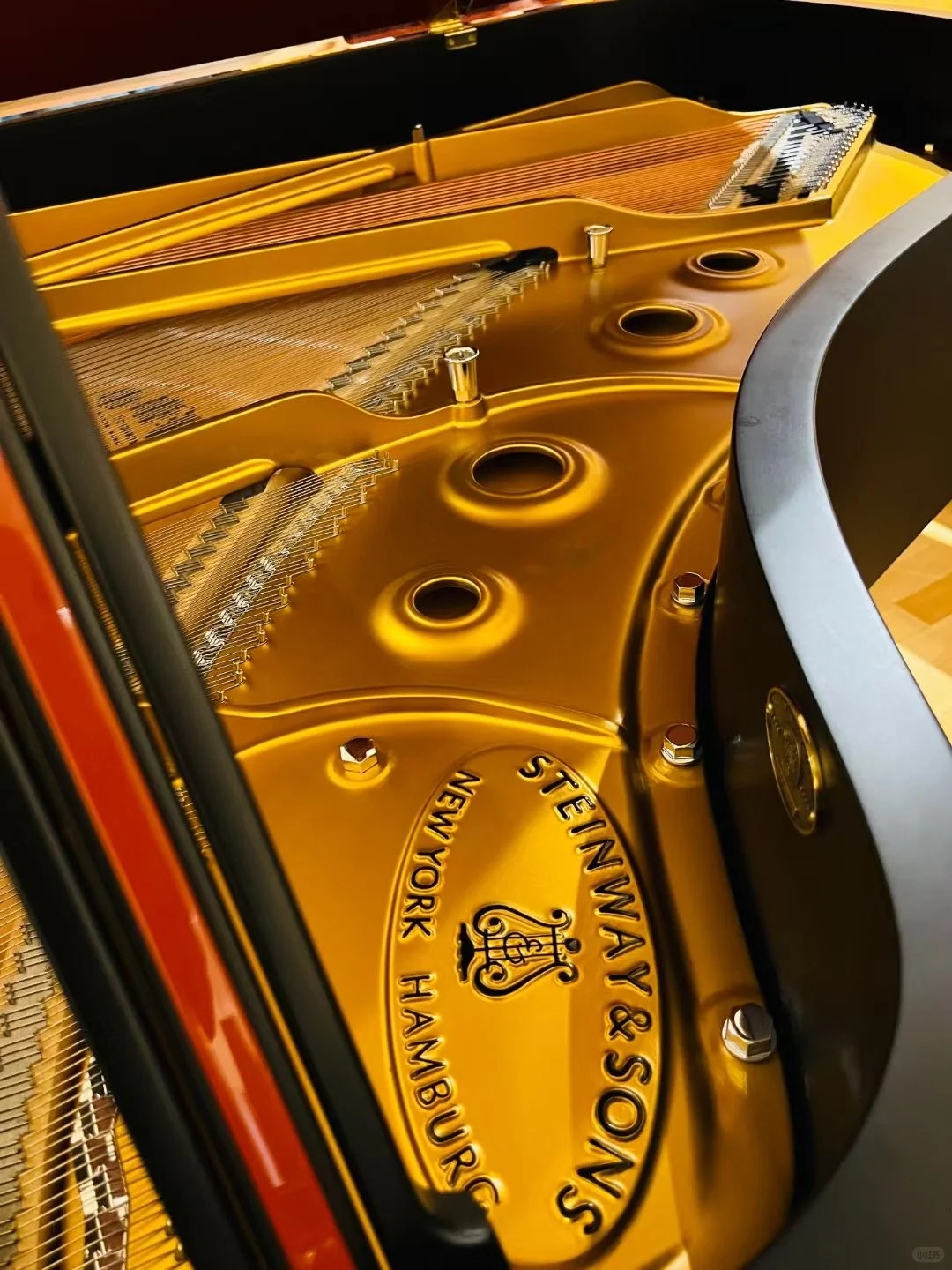
A comprehensive guide for UK buyers. Learn how to select a grand piano by size, tone, action, and budget. Compare leading brands like Steinway, Bösendorfer, Yamaha, and Bechstein for home, academy, or concert use.
Introduction: The Art of Choosing a Grand Piano
Choosing a grand piano is not merely a purchase; it is a deeply personal investment in your artistry and a commitment to a lifelong musical partner. The « best » instrument is a subjective ideal, defined not by brand alone but by a harmonious alignment of your space, budget, technical demands, and—most importantly—the unique tonal character that speaks to you and inspires your playing.
This guide serves as your objective consultant. We will move beyond marketing superlatives to provide expert criteria, demystifying the landscape from the world’s most revered heritage brands to exceptional modern instruments. Our goal is to equip you with the knowledge to make an informed, confident decision, whether you are furnishing a London drawing room, a conservatoire practice studio, or a professional concert stage.
The Grand Piano Market: A Landscape of Legacy & Precision
The grand piano market is stratified by history, craftsmanship philosophy, and technical ambition. Understanding these tiers is the first step in refining your search.
- The Legendary Concert Standards: These are the instruments upon which the modern repertoire was built and are the undisputed choice for the world’s great stages and recording studios.
* Steinway & Sons (Hamburg/New York): The enduring benchmark. Hamburg Steinways are often noted for their crystalline clarity and precise articulation, while New York models traditionally offer a warmer, more robust power. Both represent the pinnacle of consistent, concert-ready performance.
* Bösendorfer (Vienna): The sound of imperial Vienna. Renowned for their uniquely warm, singing, and fundamentally lyrical tone, with a resonant depth in the bass and a delicate, colourful treble. The iconic Imperial 290 features nine extra bass notes.
* Fazioli (Sacile, Italy): The modern masterpiece. Celebrated for its breathtaking clarity, explosive dynamic range, and ultra-responsive action. Fazioli pianos offer a laser-like precision and sustain that is distinctly contemporary.
- The Great German Heritage Houses: These manufacturers represent centuries of European craft, each with a fiercely guarded and distinct tonal identity.
* C. Bechstein (Berlin): Offers a sublime blend of power and poetic colour. Bechstein’s tone is clear, rich, and capable of great warmth, with an action renowned for its sensitivity and control.
* Blüthner (Leipzig): Known for its patented « Aliquot » stringing in the treble, which adds a unique, ethereal shimmer and complexity to the sound. The overall character is round, noble, and particularly suited to the Romantic repertoire.
* Grotrian-Steinweg, Sauter, August Förster, Schimmel Konzert: Each upholds a tradition of impeccable craftsmanship, often with a slightly more intimate or specialised voice compared to the concert giants, making them superb choices for discerning players in private settings.
- Asian Engineering Excellence: These brands have achieved global acclaim through relentless innovation, precision engineering, and remarkable consistency.
* Yamaha CFX & S Series: The CFX is a dominant force on the concert circuit, known for its brilliant, powerful, and incredibly reliable performance. The S Series represents their handcrafted flagship line for the discerning artist.
* Shigeru Kawai: The pinnacle of the Kawai family, where master piano builders oversee the creation of each instrument. They are revered for their complex, colourful tone and the sublime responsiveness of the Millennium III action.
- Understanding Provenance: The choice between new and certified pre-owned is significant. A new piano from a main dealer offers the latest specifications and a full manufacturer’s warranty. A certified pre-owned instrument—such as those offered through Steinway & Sons’ official programme—can provide access to a legendary model at a lower price point, backed by rigorous refurbishment and a new warranty. Specialist dealers are invaluable in this space.
Core Selection Criteria: Beyond the Brand Name
To find your ideal instrument, you must evaluate it against these fundamental pillars.
- Size & Space (The Primary Constraint):
* Baby Grand (under 180cm): Suitable for smaller rooms, but tonal complexity and bass power are physically limited. Ideal as a first serious grand.
* Living Room Grand (180cm – 210cm): The sweet spot for most homes. Instruments like the Steinway Model B (211cm) or Yamaha C3X (186cm) offer a full, balanced scale and sufficient power for domestic and semi-public use.
* Semi-Concert & Concert Grand (210cm+): Require significant space. The longer strings and larger soundboard provide unparalleled power, tonal colour, and sustain. Essential for large venues.
- Tonal Character & Soundboard:
This is the soul of the piano. Listen for:
* American Clarity: Direct, powerful, with a clear fundamental tone (Steinway NY, Boston).
* Viennese Warmth: Singing, lyrical, with complex harmonics (Bösendorfer).
* German Depth: Rich, colourful, with a balance of power and nuance (Bechstein, Blüthner).
* Japanese Precision: Clean, brilliant, and exceptionally consistent (Yamaha CFX, Shigeru Kawai).
* The Soundboard’s Role: This is the piano’s loudspeaker. Look for solid, vertically-grained spruce, often sourced from renowned regions like the Val di Fiemme in Italy. Its craftsmanship dictates the instrument’s resonance and projection.
- Action & Touch (The ‘Keyboard’):
The action is the interface between pianist and string. Key aspects include:
* Responsiveness: How quickly and accurately the hammer responds to the key stroke.
* Touch Weight: The perceived heaviness/lightness of the keys. A well-regulated action should feel even across the entire keyboard.
* Double Escapement: Allows for rapid repetition of notes without fully releasing the key—essential for advanced repertoire.
* Renner Actions: The gold standard for many European brands, known for their durability and nuanced feel.
- Budget & Value (Realistic GBP Figures):
Consider the total cost of ownership:
* Purchase Price: Ranges from £15,000 for a quality baby grand to £200,000+ for a concert instrument.
* Annual Maintenance: Budget £200-£400 for two tunings and basic servicing in the UK. Voicing or regulation are additional.
* Depreciation: Instruments from top-tier brands (Steinway, Bösendorfer, Fazioli) typically hold their value exceptionally well, especially in larger sizes. Mass-produced models depreciate more quickly.
Recommendations by Pianist Profile & Scenario
- The Discerning Amateur / Advanced Student (£20,000 – £50,000):
* Needs: A reliable, expressive action for daily practice; a beautiful, inspiring tone for personal enjoyment; dimensions suited to a domestic space.
* Consider: A high-quality pre-owned Yamaha C Series or Kawai GX Series, a new Schimmel Classic, or the Boston GP-178 (designed by Steinway). For a direct-to-consumer option with full support, retailers like Thomann offer these models with Europe-wide delivery and warranty.
- The Music Academy or Conservatoire (£40,000 – £100,000):
* Needs: Extreme durability for 8-12 hours of daily use; consistent, regulated action for technical training; a clear, projecting tone that can be heard in teaching studios.
* Consider: New Yamaha CX or S Series, Kawai GX or Shigeru Kawai SK models, or C. Bechstein Academy pianos. Their build quality, consistency, and robust construction are ideal for institutional rigour.
- The Concert Pianist or Prestigious Institution (£100,000+):
* Needs: Uncompromising power and dynamic range for a 500+ seat hall; a vast palette of tonal colours; impeccable craftsmanship that endures constant travel and performance.
* Consider: The definitive choices: Steinway Model D, Bösendorfer Imperial 290, Fazioli F278, or Yamaha CFX. Selection here is intensely personal and based on the artist’s specific tonal and tactile requirements.
Grand Piano Recommendation Grid
| Model Category | Example Model | Typical Size | Price Range (GBP) | Ideal For |
| :— | :— | :— | :— | :— |
| Entry-Luxury | Yamaha GC Series, Kawai GL Series | 160cm – 180cm | £15,000 – £28,000 | Serious students, dedicated amateur players seeking a reliable grand. |
| Heritage & Precision | C. Bechstein Academy A Series, Schimmel Konzert | 180cm – 210cm | £45,000 – £85,000 | Advanced amateurs, professors, and smaller performance spaces requiring a distinct European voice. |
| Pre-Owned Concert Tier | Steinway Certified Pre-Owned Model B | 211cm | £75,000 – £130,000 | Discerning buyers seeking the recognised benchmark of a « living room » concert instrument. |
| Modern Masterpiece | Fazioli F183, Shigeru Kawai SK-3 | 183cm – 200cm | £100,000 – £160,000 | Collectors and performers seeking a distinct, modern voice of the highest calibre. |
| The Ultimate Instruments| Steinway Model D, Bösendorfer Imperial 290 | 274cm – 290cm | £150,000+ | Major concert halls, flagship recording studios, and elite institutions. |
The Purchasing Process & Partnering with a Retailer
Never buy a grand piano unheard. An in-person consultation is non-negotiable. Play the instrument yourself, or have your pianist play for you. Listen from different points in the room. Note the feel of the action.
Partner with a reputable retailer. They provide essential services: expert advice, professional preparation (tuning, voicing, regulation), delivery, and after-sales support. A major retailer like Thomann, as Europe’s largest music retailer, offers distinct advantages such as free delivery across Europe, a clear 3-year warranty, and transparent financing options, making a broad selection accessible.
Frequently Asked Questions (FAQ)
What is the minimum room size for a baby grand piano?
A room of at least 4 metres by 5 metres is recommended for a 180cm (5’11 ») grand piano. This allows the sound to develop properly without becoming overwhelming or boomy. In a smaller space, careful positioning, room furnishings (rugs, curtains), and potentially a lower music stand can help manage the volume.
Is a used grand piano a good investment?
A professionally inspected, high-quality used piano from a reputable brand can offer exceptional value. It allows you to access a level of craftsmanship or a specific model that may be beyond the budget for new. Programmes like Steinway Certified Pre-Owned provide significant security. Always insist on an independent technician’s inspection before purchase.
How much does annual maintenance cost in the UK?
You should budget approximately £200-£400 per year. This typically covers two tunings (pianos are sensitive to the UK’s seasonal humidity changes) and a basic service. Additional work, such as action regulation, voicing (adjusting the tone of the hammers), or repairs, will be charged extra.
What’s the difference between Hamburg and New York Steinways?
While both are exceptional, traditional distinctions exist. Hamburg Steinways are often described as having a clearer, more articulate, and slightly brighter « European » tone. New York Steinways have historically been characterised by a warmer, more robust, and powerful bass. Today, the differences are subtler, and individual preparation by the technician plays a huge role in the final character.
Why are some grand pianos so much more expensive than others?
The cost reflects several factors: the use of the finest materials (aged solid spruce, hardrock maple, precious veneers), components that are entirely hand-crafted and fitted (not mass-assembled), hundreds of hours of skilled labour by master technicians, and the brand’s heritage, reputation, and proven resale value. You are investing in a piece of musical art and engineering.
Real-world scenarios: practical use cases
In a city flat
- Tone & Volume: In 40–60 m², a piano’s tone can easily overwhelm. A smaller grand (160-180cm) with a mellower voicing is preferable. The room’s hard surfaces will amplify brightness.
- Neighbour Considerations: A built-in silent system (like Yamaha’s Silent Piano or a retrofit system) is highly recommended for unrestricted practice times. Placing the piano on an insulating caster cup mat can reduce floor-borne vibration.
- Transport & Access: Measure doorways, stairwells, and lifts meticulously. Professional piano movers are essential and will advise on feasibility.
- Climate Control: Fluctuating central heating is the enemy of tuning stability. Consider a dedicated piano humidity control system.
In a concert hall
- Projection & Power: The instrument must fill a large, often acoustically dry space with clear, defined sound. A concert grand (230cm+) is mandatory for its longer strings and greater soundboard area.
- Dynamic Endurance: The piano must maintain its tonal integrity and tuning stability during the intense physical demands of a full-length recital or concerto, from the softest pianissimo to thunderous fortissimos.
- Action Consistency: The touch must be perfectly even and responsive across all 88 keys to allow for flawless technical execution under pressure.
- Technical Support: A resident or travelling technician will prepare the instrument specifically for the hall’s acoustics and the pianist’s preferences before every performance.
In a recording studio
- Behaviour Under Microphones: The piano must have an even scale with no « wolf tones » or weak registers. A complex, colourful tone with long sustain provides more material for the recording engineer to work with.
- Tuning Stability: It must hold a perfect tuning for the duration of long sessions, often under bright studio lights. Instruments with superior pin blocks and stable frames excel here.
- Dynamic Control: The ability to produce a wide range of colours at lower volumes is crucial for close-miking techniques and achieving intimacy in the recording.
- Neutral Character vs. Signature Voice: Some studios prefer a versatile, neutral instrument (like a well-prepped Steinway), while others seek a specific character (like a Bösendorfer’s warmth) for a particular project.
In a conservatoire
- Intensive Daily Use: The piano may be played for 12+ hours a day by different pianists. The action must be robust, durable, and maintain its regulation under heavy wear.
- Versatility: It should be capable of performing a wide range of repertoire convincingly, from Baroque to contemporary, serving as a reliable tool for teaching and learning.
- Consistency: Within a bank of practice room pianos, consistency of touch and tone is highly valued so students can transfer their technique seamlessly between instruments.
- Serviceability: The design should allow for efficient, regular maintenance. Brands known for rugged reliability and readily available parts are often favoured.
Technical specifications
| Specification | Value & Details |
| :— | :— |
| Typical Size Range | 150cm (4’11 ») to 290cm (9’6″) |
| Typical Weight Range | 250kg (baby grand) to 550kg (concert grand) |
| Action Type | Double escapement, wooden or composite action (e.g., Renner, Kawai Millennium III) |
| Soundboard Timber | Solid, vertically-grained spruce (often from Alps, Val di Fiemme, or Sitka) |
| Number of Keys | 88 (standard); Bösendorfer Imperial 290 has 97 |
| Frame | Single-cast iron plate |
| Stringing | Overstrung scale; Blüthner features aliquot stringing in treble |
| Finishes Available | High-gloss polyester (ebony, white, colours), Satin polyester, Open-pore, and premium veneers (walnut, mahogany, etc.) |
Purchase guide
- New Price / Certified Pre-Owned Price:
* New: Expect £25,000+ for a quality baby grand, £50,000-£100,000 for a premium living room grand, and £150,000+ for concert models.
* Certified Pre-Owned: Offers significant savings, typically 20-40% less than a comparable new model, with the security of refurbishment and a new warranty from the manufacturer or authorised dealer.
* Authorised Brand Dealers: For new instruments, full manufacturer warranty, and expert brand-specific knowledge.
* Specialist Piano Retailers: For a curated selection of new and premium used instruments from multiple brands, often with excellent preparation.
* Major Retailers: For convenience and broad access. Thomann, for instance, as Europe’s largest music retailer, offers a wide selection of new grands from brands like Yamaha and Kawai, with the benefit of free European delivery, a clear 3-year warranty, and consumer financing options.
- Annual Maintenance Cost:
* Budget £200-£400 in the UK for two tunings and a basic check. This is a crucial investment to protect your piano’s health and value.
- What to Check Before Buying:
1. Soundboard: Look for cracks (small, stable cracks in very old pianos are not always fatal, but new cracks are a red flag). Tap it lightly; it should resonate.
2. Action Regulation: Play every key, from ppp to fff. Check for evenness of touch, repetition speed, and that no keys stick or are noisy.
3. Pin Block & Tuning Stability: Ask when it was last tuned. A good piano should hold its tune for months in a stable environment. A loose tuning pin is a serious concern.
4. Strings & Hammers: Check for rust on strings and deep grooves or excessive hardening on the hammers.
5. Case & Finish: Inspect for structural damage or major finish flaws.
Always hire an independent, qualified piano technician (not affiliated with the seller) for a pre-purchase inspection on any used instrument.
Laisser un commentaire