
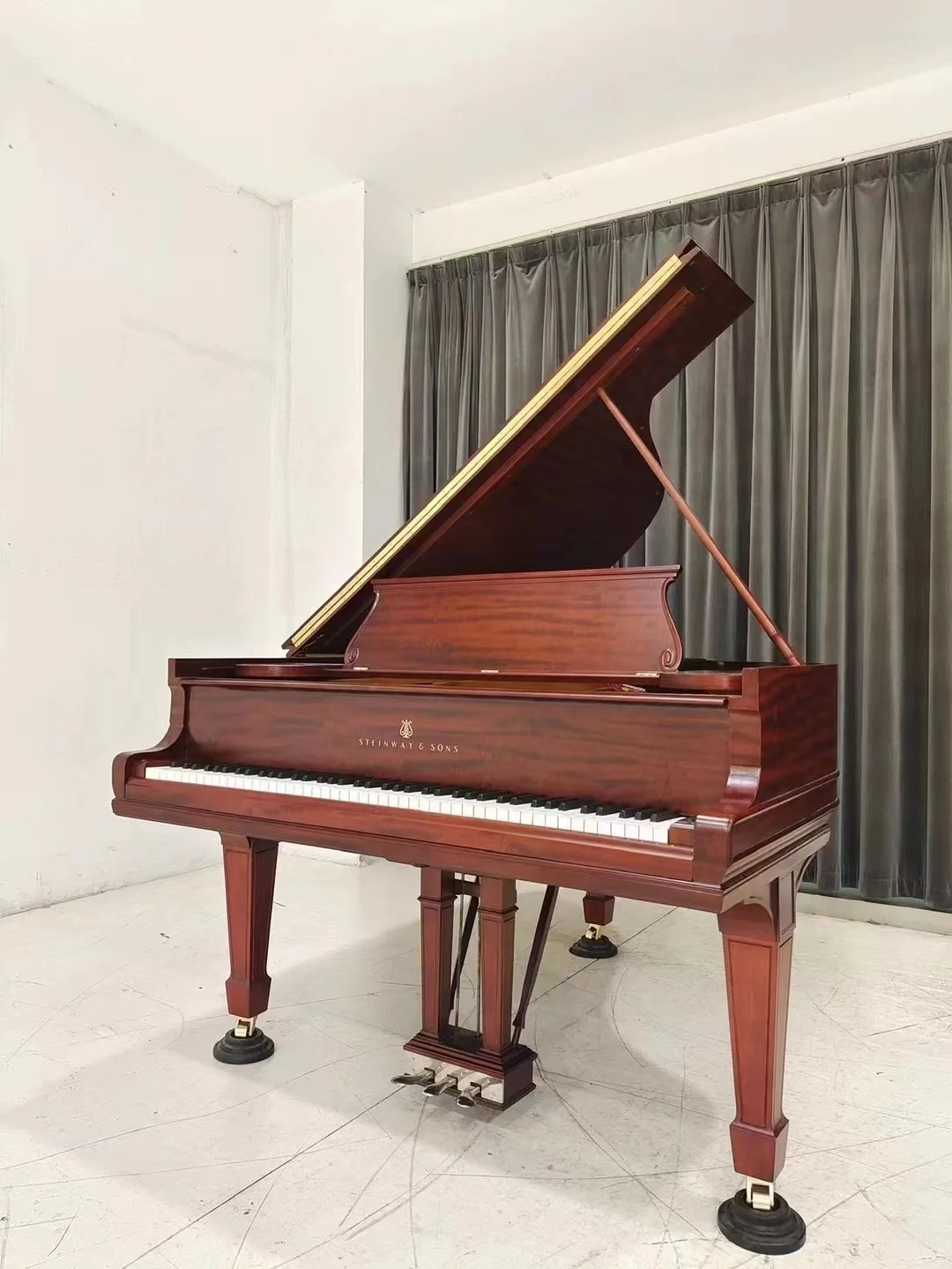
Introduction: The Quest for the Perfect Instrument
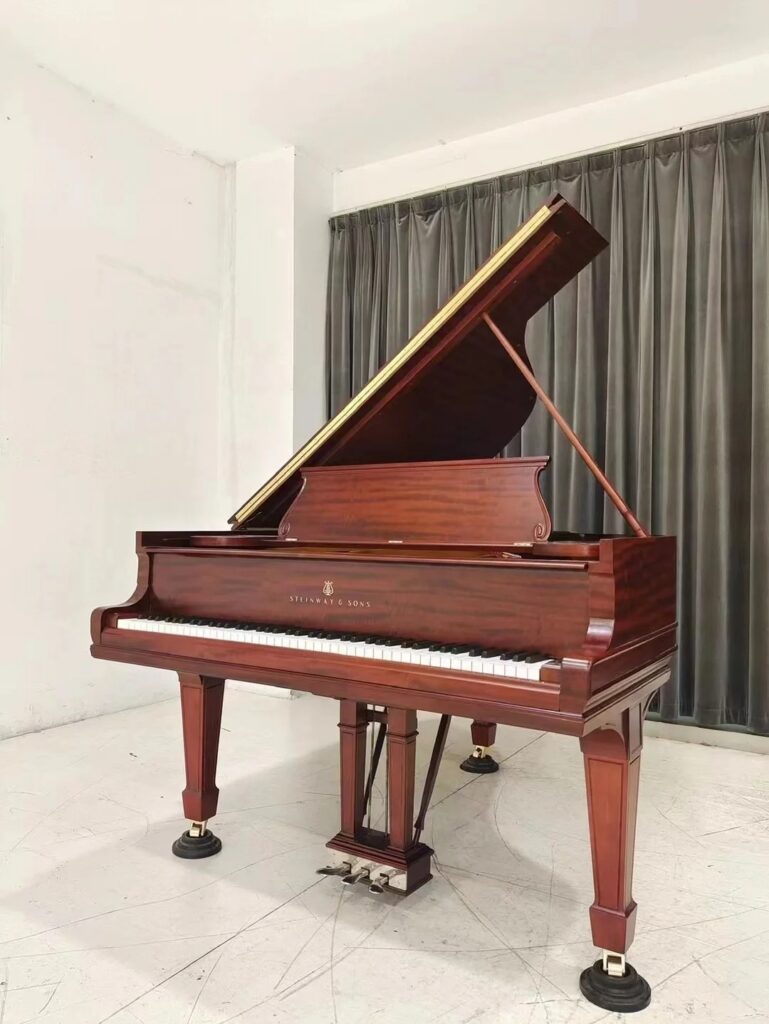
Choosing a grand piano is not merely a purchase; it is a profound investment in artistry, a commitment to a lifelong partner in musical expression. It is the centrepiece of a room, both acoustically and aesthetically, and its selection requires navigating a landscape of legendary manufacturers, distinct tonal philosophies, and precise technical considerations. Whether destined for the intimate drawing room of a London townhouse or the demanding environment of a concert stage, the right instrument must resonate with your ambition, technique, and space. This definitive guide is designed to be your expert companion, providing the clarity and depth needed to make an informed and inspired decision.
Chapter 1: The Grand Piano Landscape – A Connoisseur’s Overview
The world of grand pianos is stratified by heritage, philosophy, and craftsmanship. Understanding this hierarchy is the first step in refining your search.
The Hierarchy of Craft
At the summit sit the artisan-built European masters, where centuries of tradition inform every hand-finished component, resulting in instruments of unique, complex character. Alongside them exists precision-engineered Asian excellence, where technological innovation and relentless consistency produce world-class instruments of remarkable reliability.
Legendary Houses
- Steinway & Sons: The ubiquitous reference. Hamburg Steinways are often described as having a clearer, more European tone with a slightly lighter touch, while New York instruments traditionally offer a warmer, more robust sound with greater bass projection.
- Bösendorfer: The sound of Vienna. Renowned for a uniquely warm, lyrical, and singing tone, with a characteristically soft attack and resonant bass, achieved through a traditional straight-strung design in their larger models.
- Fazioli: The modern pinnacle. Hailing from Sacile, Italy, Fazioli pianos are celebrated for their explosive power, crystalline clarity in the treble, breathtaking sustain, and ultra-responsive action.
Heritage German Makers
Brands like C. Bechstein (clarity and a brilliant, orchestral palette), Blüthner (famous for its patented Aliquot stringing in the treble for added colour), Grotrian-Steinweg, Sauter, and August Förster represent the pinnacle of German engineering, each with a distinct voice—often characterised by depth, complexity, and a « velvet » touch.
Asian Excellence
- Yamaha CFX/S Series: The CFX is a dominant force on the world’s concert stages, known for its brilliant, projective, and consistent tone. The S Series offers similar concert-level engineering in slightly smaller sizes.
- Shigeru Kawai: The hand-built flagship line from Kawai, representing the zenith of Japanese craftsmanship. They offer a mellower, more rounded tone than Yamaha’s concert grands, with an exceptionally nuanced action.
The Value of Provenance
The certified pre-owned market, such as the Steinway & Sons Certified Pre-Owned programme, offers a compelling pathway to legendary instruments. These pianos are meticulously refurbished, carry a new warranty, and can represent significant value compared to a new model, allowing access to a higher tier of craftsmanship.
Chapter 2: Objective Criteria for Selection – Beyond the Brand
Moving beyond marque loyalty, these technical and practical factors are critical to your satisfaction.
Size & Space: The Acoustic Reality
Size is the primary driver of sound. Longer strings and a larger soundboard produce greater volume, richer harmonics, and a more authoritative bass.
- Baby Grands (under 180cm): Suitable for smaller spaces. Tone can be compromised in the bass; careful selection is key.
- Living Room Grands (180cm – 210cm): The sweet spot for most homes, offering a balanced, full tone. A model around 190cm (like a Yamaha C3X) is a benchmark.
- Semi-Concert & Concert Grands (210cm+): Require substantial, acoustically treated spaces. They deliver unparalleled power, dynamic range, and tonal colour.
Tonal Signature & Character
Every great house has a sonic fingerprint.
- American (Steinway): Powerful projection, a clear, singing treble, and a robust bass. Built for clarity in large spaces.
- German (Bechstein, Blüthner): Tonal depth, complexity, and a fundamental warmth. The touch is often described as deeply connected and responsive.
- Viennese (Bösendorfer): A softer attack, a warm, lyrical bass, and a overall gentleness ideal for Classical and Romantic repertoire.
- Japanese (Yamaha, Kawai): Analytical precision, consistency across the keyboard, and a brighter, more immediate attack. Excellent for clarity in complex passages.
Action & Touch: The Interface of Expression
The action is the mechanism that translates finger touch into hammer strike. Look for Renner actions (the industry standard for European pianos) or Kawai’s proprietary Millennium III action. Double escapement allows for rapid note repetition. Crucially, a piano’s touch is defined by its regulation—the precise adjustment of thousands of parts—which should be performed by a master technician.
Construction & Materials: The Foundation of Tone
- Soundboard: Solid, vertically grained resonance spruce from regions like Val di Fiemme or Bavaria is essential for projection and warmth.
- Plate: A single-cast iron frame provides the strength to withstand over 20 tonnes of string tension.
- Bridges: Solid maple bridges efficiently transfer string vibrations to the soundboard.
- Pin Block: A stable, multi-layered beech pin block is crucial for long-term tuning stability.
Chapter 3: The Grand Piano for Your Profile & Setting
The Discerning Amateur & City-Dweller
- Priorities: Space efficiency, volume control (consider a silent system), and aesthetic harmony. The piano is both an instrument and fine furniture.
- Ideal Instruments: High-quality baby grands or small grands (150cm-180cm) from Yamaha, Kawai, or the Boston range by Steinway.
The Music Student & Conservatoire
- Priorities: A consistent, reliable action for technical development, durability under heavy use, and a neutral, clear tone that reveals every detail.
- Ideal Instruments: Workhorse models like the Yamaha C3X or Kawai GX-2, known for their resilience and even response.
The Concert Pianist & Recording Artist
- Priorities: Ultimate dynamic range, a vast palette of tonal colours, projective power to fill a hall, and flawless reliability under pressure.
- Ideal Instruments: Concert grands from Steinway (Model D), Bösendorfer (280VC), Yamaha (CFX), or Fazioli (F308).
The Collector & Institutional Buyer
- Priorities: Investment value, historical significance, brand prestige, and the option for bespoke commissioning (case woods, art cases).
- Ideal Instruments: Limited editions from legendary houses, certified pre-owned classics, or new instruments from Bösendorfer, Fazioli, or Steinway.
Chapter 4: Recommendation Grid: Grand Pianos by Budget
Entry to Mid-Level (£10,000 – £40,000)
- Yamaha GB1K (151cm): A compact, reliable entry-point with Yamaha’s proven build quality. Ideal for smaller rooms where a grand presence is desired.
- Kawai GL-10 (153cm): Features Kawai’s advanced Millennium III action at an accessible price, offering superior touch in its class.
- The Pre-Owned Market: A carefully vetted, older European piano (e.g., a 1980s German model) from a reputable dealer can offer remarkable character in this budget.
Serious Amateur to Advanced (£40,000 – £100,000)
- Yamaha C3X (186cm): A global benchmark. Offers stunning clarity, power, and reliability. The choice of countless studios, conservatoires, and serious pianists.
- Kawai GX-2 (180cm): Built in the same factory as the Shigeru Kawai line. Exceptional craftsmanship, a rich, singing tone, and the superb Millennium III action.
- C. Bechstein Academy A192 (192cm): Provides authentic German heritage, a complex tonal signature, and the renowned Bechstein touch at a relative value point within their range.
Concert & Investment Grade (£100,000+)
- Steinway & Sons Model B (211cm): Often called the « perfect piano. » A 211cm instrument with the power and colour of a concert grand, yet adaptable to large homes and medium-sized halls.
- Bösendorfer 214VC (214cm): The « Vienna Concert » model. Delivers the unique, lyrical Bösendorfer sound with the projection needed for the stage. A instrument of profound musicality.
- Fazioli F183 (183cm): Demonstrates that size isn’t everything. Unrivalled clarity, explosive dynamic range, and breathtaking sustain in a relatively compact case.
Purchasing Channel Note: Retailers like Thomann, Europe’s largest music retailer, offer a curated selection of new grands from brands like Yamaha and Kawai. They provide transparent pricing, free delivery across Europe, a 3-year warranty, and financing options, making them a viable consideration for certain models.
Chapter 5: The Realities of Ownership
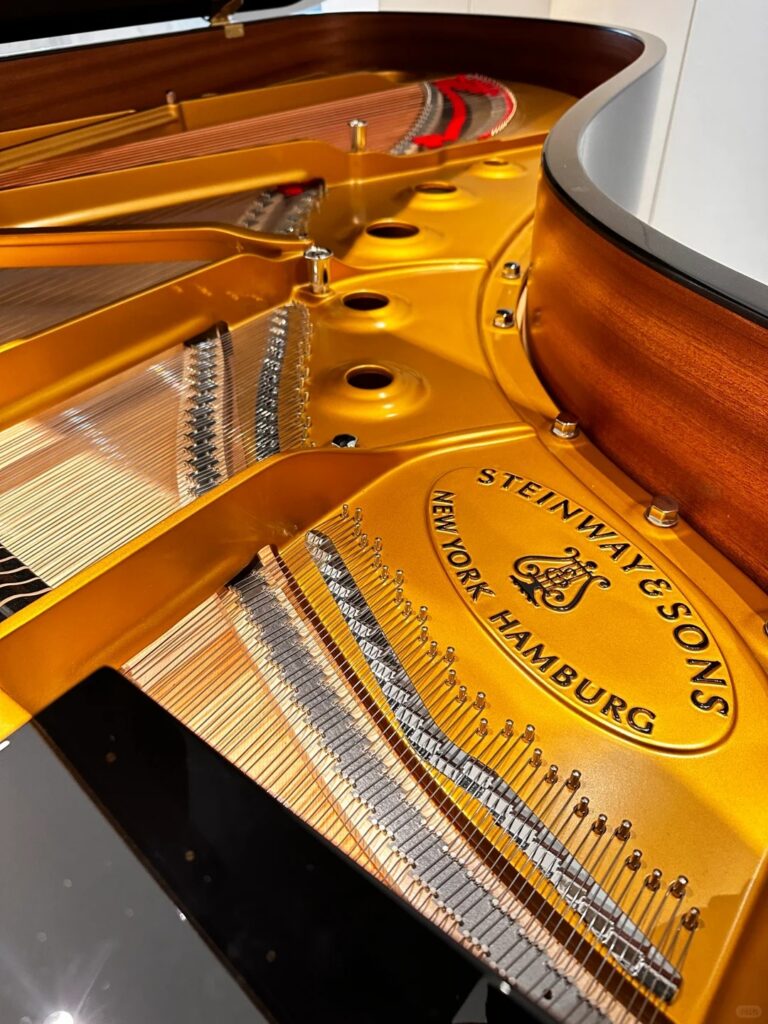
Ongoing Costs
Budget for at least two tunings per year (£100-£150 per tuning). Voicing (adjusting the hammer felt to change tone) and regulation (action adjustment) may be needed every few years, costing several hundred pounds. Consider a humidity control system (e.g., Dampp-Chaser) to protect your investment.
Logistics
Transport is a specialist job. Always use a dedicated piano moving company with appropriate equipment (piano boards, skids, bespoke vans). Costs vary widely based on distance and stairs.
Depreciation & Value
Generally, premium brands (Steinway, Bösendorfer, Fazioli) hold their value exceptionally well, especially in good condition. Mass-produced models depreciate more sharply initially but then stabilise. A well-maintained piano is always a stronger asset.
FAQ: 5 Essential Grand Piano Questions
What is the minimum room size recommended for a baby grand piano (around 150cm)?
A room of at least 25-30 square metres is advisable for a baby grand. This allows the sound to develop without becoming overwhelming. Crucially, ensure there is ample space around the piano—at least 50cm from walls and other furniture for optimal sound projection and for the technician to access the instrument.
How much does it cost to maintain a grand piano annually in the UK?
Annual maintenance typically costs £200-£400. This covers two tunings. You should also budget for a full service (regulation and voicing) every 3-5 years, which can cost from £500 to over £1,000 depending on the work required. Climate control system maintenance adds a small ongoing cost.
What are the key differences between a Hamburg and a New York Steinway?
The differences, while subtle to non-pianists, are distinct. Hamburg Steinways use Renner actions and hammers, resulting in a touch often described as lighter and more precise, with a tone that is clearer, more European, and slightly brighter. New York Steinways use their own proprietary action parts and hammers, yielding a touch with more initial resistance and a tone that is generally warmer, with a more powerful, foundational bass.
Is a certified pre-owned grand piano a better investment than a new mid-range model?
Often, yes. A certified pre-owned instrument from a legendary maker (e.g., a 20-year-old Steinway Model M) will typically retain its value far better than a new mid-range Asian piano. It also offers a level of tonal complexity and resale prestige that is hard to match in the new mid-market. The crucial factor is the certification and warranty from an authoritative dealer.
Can a grand piano be placed on an upper floor in a modern flat?
It is structurally possible but requires professional verification. A typical 180cm grand piano weighs approx. 320kg. You must consult a structural engineer to assess floor loading. The piano should be positioned perpendicular to floor joists, near a load-bearing wall. Always use professional movers experienced in flat deliveries.
Real-world scenarios: practical use cases
In a city flat
- Tone & Space: In a 40–60 m² living area, a grand under 180cm (like a Yamaha C1X or Kawai GL-30) is ideal. Its tone will fill the space richly without forcing the pianist to play timidly.
- Neighbour Considerations: A built-in silent system is highly recommended, allowing for headphone practice at any hour without compromise to the acoustic action.
- Transport: Delivery to an upper-floor flat is a specialist task requiring a skilled team with piano skids and protective equipment. Always get a detailed survey from the moving company first.
- Climate Control: Flats can have dry, central-heated environments. A piano humidity control system is essential to prevent cracking in the soundboard and tuning instability.
In a concert hall
- Projection: The instrument must have the power to project a singing melodic line over a full orchestral tutti in a 1000+ seat hall, without the tone becoming harsh or brittle.
- Power & Colour: A full concert grand (274cm+) offers the dynamic range from a whisper to a thunderous roar, and a wide palette of tonal colours for interpretive depth.
- Endurance: The action must remain perfectly regulated and responsive throughout a demanding 90-minute recital or concerto performance, with no sticking keys or fading repetition.
- Reliability: It must hold its tuning perfectly despite changes in stage temperature and lighting, and respond predictably to every pianist who encounters it.
In a recording studio
- Behaviour under Microphones: The tone must be clean, even, and free of unpleasant harmonics or « wolf tones » that microphones can exaggerate. A smooth decay is crucial.
- Sustain: Long, pure sustain allows for lush, resonant recordings, especially in impressionistic or contemporary music.
- Tuning Stability: The piano must hold a rock-solid tuning over long recording sessions, often under bright lights. A perfectly seasoned soundboard and a stable pin block are non-negotiable.
- Dynamic Control: It must offer exquisite control at very low volumes for intimate passages, while still having headroom for powerful fortes without distortion.
In a conservatoire
- Intensive Daily Use: The piano may be played for 8-12 hours a day by different pianists with varying techniques. The action must be incredibly durable and the finish resistant to wear.
- Durability: Components like hammers, strings, and keys must withstand decades of heavy use. Robust construction is more critical than delicate refinements.
- Versatility: The tone should be clear and neutral enough to serve the entire repertoire from Bach to Ligeti, providing an honest canvas for student development rather than a strongly coloured character.
- Serviceability: The design should allow technicians easy access for frequent regulation, voicing, and repairs to keep the instrument in optimal condition for pedagogical use.
Technical specifications
| Specification | Description & Typical Values |
| :— | :— |
| Common Sizes | Baby Grand (148cm – 180cm), Living Room Grand (180cm – 210cm), Semi-Concert Grand (210cm – 240cm), Concert Grand (240cm – 308cm). |
| Typical Weight | 150cm grand: ~250kg. 180cm grand: ~320kg. 210cm grand: ~380kg. Concert Grand (274cm): ~480kg. |
| Action Type | Double escapement, repetition action. Brands: Renner (European), Steinway (proprietary), Kawai Millennium III (carbon fibre), Yamaha (proprietary). |
| Soundboard Timber | Solid, vertically grained Sitka Spruce or European White Spruce (often from Val di Fiemme, Bavaria, or the Alps). |
| Number of Keys | Standard: 88 keys (7¼ octaves, A0 to C8). Bösendorfer Imperial Grand: 97 keys (8 octaves, C0 to C8). |
| Standard Finishes | Polished Ebony (most common), Polished White, Satin Mahogany, Satin Walnut, Polished Macassar Ebony. Custom art case finishes available from top makers. |
| Frame | Single-cast grey iron plate, designed to withstand 20+ tonnes of string tension. |
| Strings | Bass: Copper-wound steel. Treble: High-tensile steel. Top-quality pianos use individually drawn and tempered strings. |
Purchase guide
New price / Certified pre-owned price
- New Entry-Level (Yamaha GB1K): £15,000 – £20,000
- New Mid-Range (Yamaha C3X): £55,000 – £65,000
- New High-End (Steinway Model B): £120,000 – £150,000+
- Certified Pre-Owned (10-30yr old Steinway Model M/O): £40,000 – £70,000 (varies greatly by condition, age, and source).
Where to buy
- Authorised Brand Dealers: For new instruments, offering full manufacturer warranties, expert preparation, and after-sales service.
- Specialist Piano Retailers: For both new and select pre-owned instruments, often with excellent preparation facilities on-site.
- Major Retailers: For certain brands, retailers like Thomann offer a streamlined purchasing process for new grands, including free European delivery, a 3-year warranty, and finance options. Always ensure the model you seek is prepared by a qualified technician upon delivery.
- Private Sale (Expert Advised): High risk. Never buy without an independent, paid inspection by a qualified piano technician.
Annual maintenance cost
Budget £200 – £400 for two tunings. Set aside a further £1000-£1500 every 3-5 years for comprehensive regulation and voicing.
What to check before buying
1. Soundboard: Look for cracks (small hairline cracks in the crown are often stable, but long cracks radiating from the centre block are serious). Tap it lightly; it should resonate.
2. Action Regulation: Play every key pianissimo to fortissimo. Check for evenness of touch, repetition speed, and that no keys stick or are sluggish.
3. Pin Block Condition: The tuning pins should be firm. If many are loose, it indicates a failing pin block—a very costly repair.
4. String & Hammer Condition: Strings should be bright, not rusty. Hammers should be deeply grooved but not worn through to the wood.
5. Case & Finish: Check for veneer chips, deep scratches, or structural damage to the rim and legs.
6. Tuning Stability: Have the piano tuned. If it falls noticeably out of tune within a few weeks, it indicates instability.
Related Articles
This page contains affiliate links. If you buy through them, we may earn a commission at no extra cost to you.
🎹 Essential accessories for pianists
This page contains affiliate links. If you buy through them, we may earn a commission at no extra cost to you.
- Thermo-hygrometer (humidity): TFA Digital Thermo-Hygrometer
- Caster cup (sold singly): Jahn IsoFloor
- Felt key cover: Jahn Keyboard Dust Cover
- Adjustable piano bench: Thomann KB-15BM