
Introduction: The Mechanical Marvel
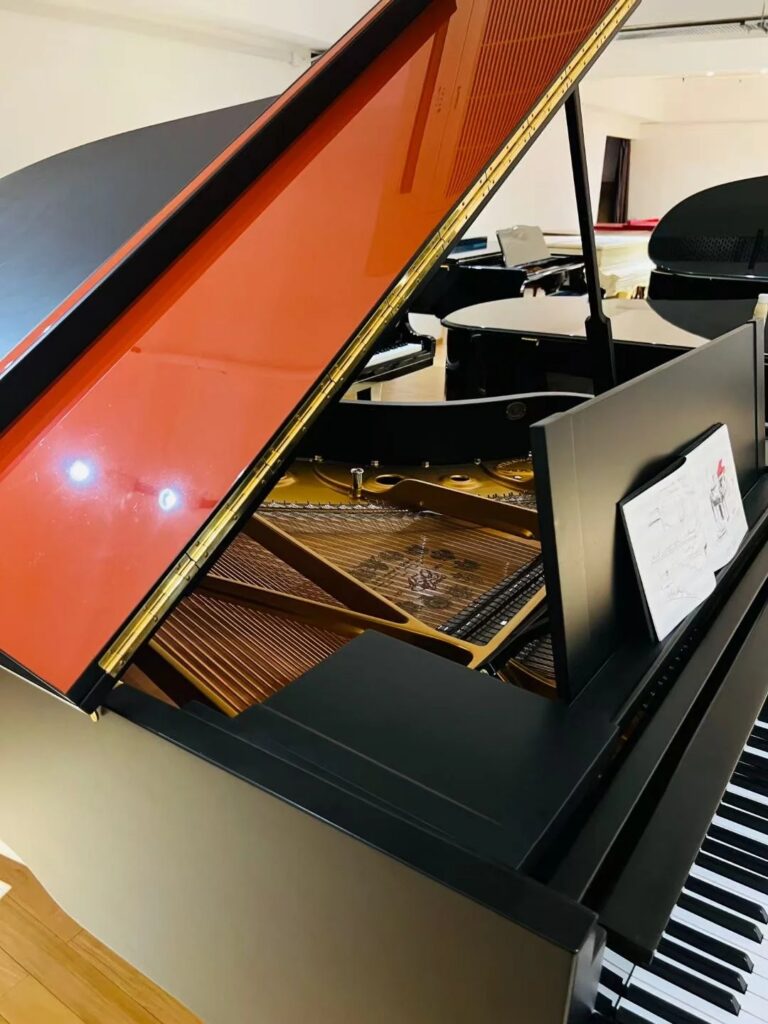
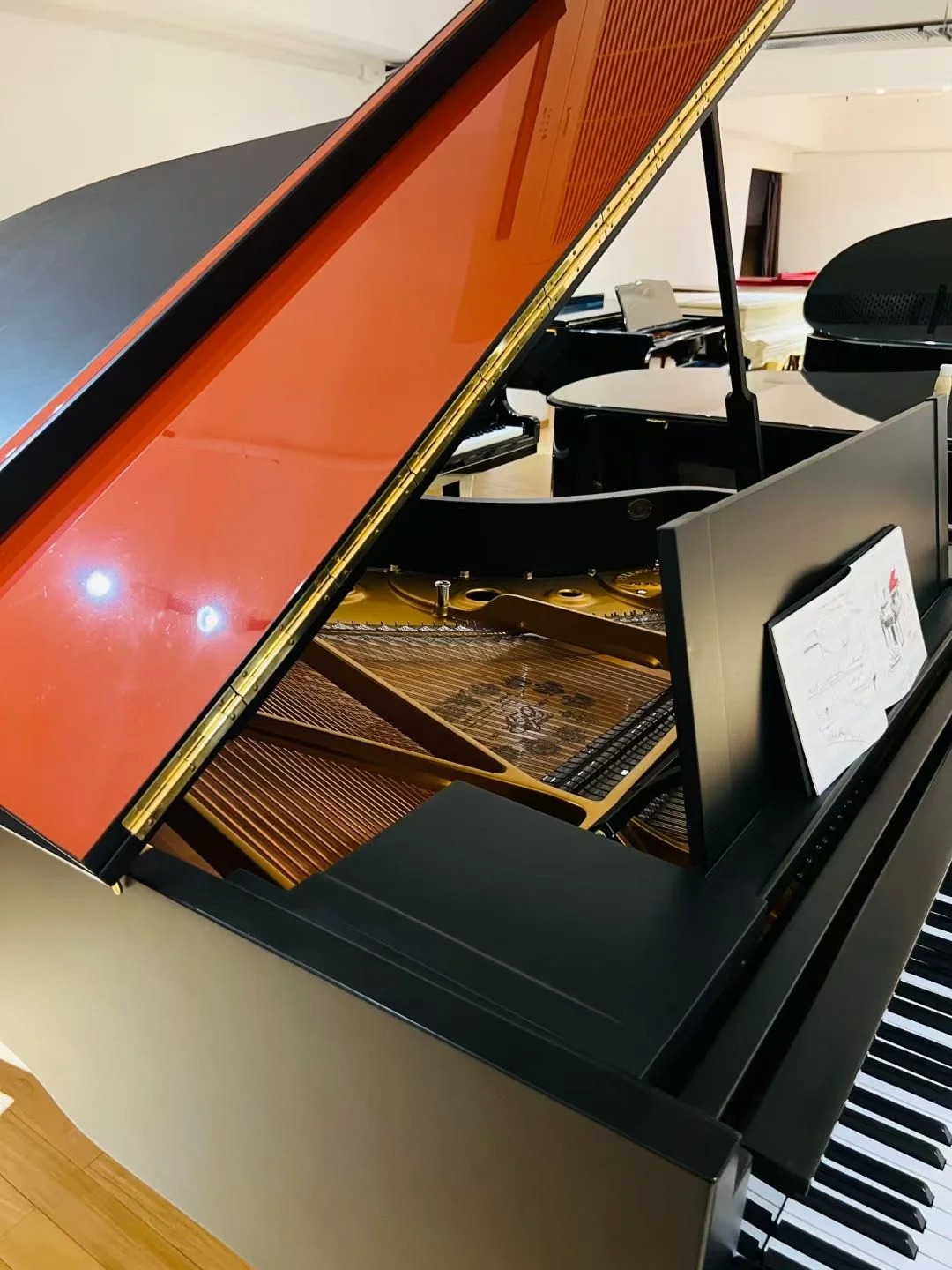
The discovery of a Steinway Pianola for sale is an encounter with a unique chapter in musical and engineering history. It represents the pinnacle of the player piano era, where the legendary craftsmanship of Steinway & Sons met the ingenious automation of the Aeolian Company’s Pianola mechanism. This isn’t merely a used piano; it’s a fascinating hybrid—a concert-quality instrument capable of both intimate personal performance and the ghostly, self-playing reproduction of legendary recordings on paper rolls.
For the UK-based collector, musician, or historian, the question is pressing: is such an instrument a niche collectible destined for a museum corner, or could it be a surprisingly smart and enchanting buy for the discerning enthusiast? This review delves into the specifics of what a Steinway Pianola offers, its practicalities, and its undeniable charm.
Historical & Technical Overview: A Union of Giants
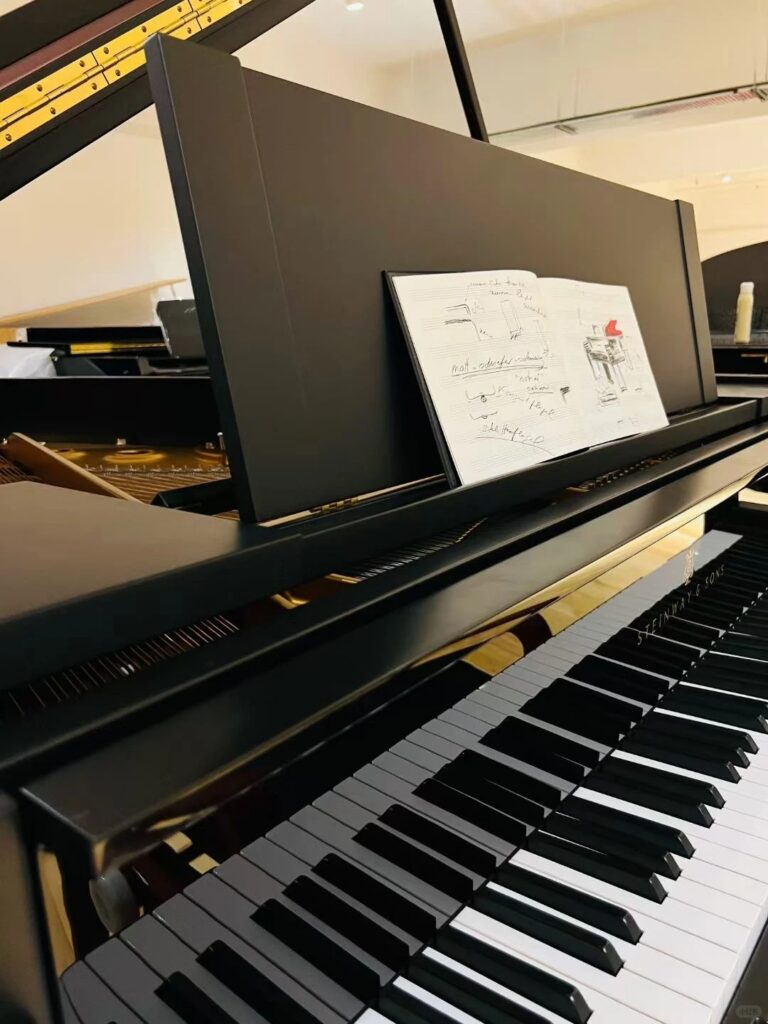
The Steinway Pianola typically refers to a Steinway-built grand piano—often models like the O, L, or M—integrated with a Pianola pedal-playing mechanism installed by the Aeolian Company in the early 20th century (circa 1900-1930). This was not a mass-produced unit but a bespoke marriage of two superior technologies.
- The Instrument: At its heart lies a genuine Steinway grand, featuring the hallmarks of the era: a solid single-cast iron frame, a solid spruce soundboard, and the renowned Steinway action with double escapement. The tonal character is typically warm, fundamental-rich, and possessing the signature singing sustain of a pre-war or early post-war Steinway.
- The Mechanism: The Pianola system is a pneumatic player device operated by foot bellows (or later, electric pumps). As one pedals, air is drawn through a tracking mechanism that « reads » a perforated paper roll. The holes correspond to notes, triggering a series of valves and pneumatic actuators that strike the piano’s keys with remarkable dynamic expression. Many systems allow for manual tempo and volume control via levers, giving the operator (the « Pianolist ») real-time interpretive influence.
Who is this model for?
A Steinway Pianola is a highly specialised instrument. It is ideally suited for:
- The Serious Collector & Historian: Someone who appreciates the artefact value of early 20th-century musical technology and Steinway heritage.
- The Enthusiast of Mechanical Instruments: Individuals fascinated by clockwork, automata, and pre-digital mechanical reproduction.
- Owners of Large Period Properties: A Pianola can be the ultimate atmospheric centrepiece for a Victorian or Edwardian country house, stately home, or period hotel, providing authentic entertainment.
- The Pianist with a Curiosity for the Past: A musician who desires a fine Steinway grand but is also captivated by the ability to « duet » with historic performances via roll.
It is likely not for:
- The pianist seeking a pristine, modern concert instrument for daily practice and performance.
- Those with limited space or budget, given the size, maintenance complexity, and restoration costs.
- Anyone averse to ongoing mechanical upkeep.
Detailed Review: The Playing Experience
As a Conventional Piano
When the player mechanism is disengaged, you are left with a vintage Steinway grand. The touch and tone are subject to its age, condition, and restoration history. A well-maintained or expertly rebuilt example will offer that classic Steinway responsiveness—a deep, controllable touch and a palette of tonal colours from a murmuring pianissimo to a robust forte. The scale (often around 180cm-210cm) is perfectly suited to a large music room. However, action wear and soundboard condition are critical factors that must be assessed by a specialist.
As a Player Piano
This is where the magic—and complexity—lies. Engaging the mechanism transforms the instrument.
- The Operation: Pedalling requires a steady, moderate effort to maintain consistent air pressure and tempo. It’s an engaging, physical experience.
- The Repertoire: The library of available paper piano rolls is vast, encompassing recordings of giants like Rachmaninoff, Gershwin, and Paderewski. Hearing a roll they personally approved is a uniquely historical experience.
- The Sound: A well-regulated Pianola mechanism can produce surprisingly expressive performances, with nuanced phrasing and dynamics. The sound is authentically that of the piano’s hammers striking strings, not an electronic reproduction.
Key Considerations & Potential Drawbacks
- Condition is Everything: These are 80-120 year-old machines. The piano itself may need rebuilding (strings, hammers, action refurbishment). The Pianola mechanism—with its intricate system of leather bellows, valves, and tubing—will almost certainly require expert restoration. Leather perishes, and pneumatics leak.
- Specialist Knowledge Required: Routine tuning is not enough. You will need a technician skilled in vintage player piano restoration and regulation. These specialists are rare and their work is costly.
- Space & Logistics: The mechanism adds internal bulk. Transport is a major undertaking requiring a specialist piano mover with experience in delicate antiques.
- Ongoing Costs: Beyond purchase, budget for significant restoration (£10,000-£30,000+ for a comprehensive job), annual servicing, and the acquisition of paper rolls.
Purchase & Investment Guide
Pricing
Prices vary wildly based on model, case condition, and, most importantly, the state of the piano and player mechanism.
- « As Found » Project: £15,000 – £35,000. Requires full restoration of both piano and mechanism.
- Restored & Working: £50,000 – £100,000+. A fully rebuilt Steinway grand with a meticulously restored Pianola mechanism commands a premium, reflecting the immense skilled labour involved.
Where to Buy & What to Check
The market is niche. Sources include specialised antique piano dealers, auction houses (like Christie’s or Sotheby’s for exceptional examples), and private listings.
Crucial Pre-Purchase Inspection Checklist:
1. Engage a Specialist: Never buy without an inspection by a technician expert in both Steinway pianos and player mechanisms.
2. Piano Assessment: Check the soundboard for cracks, the pin block for tuning stability, and the action for wear. Is the piano structurally sound?
3. Mechanical Assessment: Does the mechanism engage? Do the pedals create suction? Do any keys play via the mechanism? Expect issues—the question is the scale and cost of repair.
4. Documentation: Are there any original ledgers, receipts, or roll catalogues? This adds provenance.
For those interested in modern player systems, retailers like Thomann offer contemporary Yamaha Disklavier or Kawai ATX pianos, which provide digital recording and playback with warranty-backed reliability—a very different, but practical, proposition.
Annual Maintenance Cost
Expect to invest £500 – £1,500+ annually for tuning and mechanical servicing, far more than for a standard grand. Major overhauls are episodic but expensive.
Frequently Asked Questions (FAQ)
Is a Steinway Pianola a good investment?
As a financial investment, it is speculative and illiquid. Its value is preserved by its marque and uniqueness but is highly dependent on condition. As an investment in joy, history, and a unique musical experience, it can be unparalleled. View the purchase price as an entry fee, with significant subsequent investment required to bring it to life.
Can I still get piano rolls for it?
Yes. There is an active community and several businesses that preserve, duplicate, and sell rolls. New rolls are even made for classic systems. The repertoire available is enormous.
How loud is the player mechanism itself?
There is inherent operational noise: the sound of pedalling, the rustle of the paper roll, and the soft « thump » of the pneumatic valves. This is part of its authentic charm but means it’s not a silent, background device.
Can the Pianola mechanism be removed if I just want the Steinway piano?
Technically, yes, but it is a complex, invasive process that can devalue the instrument as a historic artefact. It would leave the piano case internally altered. The better path is to buy a standard Steinway grand if the player mechanism is not desired.
Is it possible to connect it to a modern digital system?
While purists may balk, some specialist restorers can integrate modern optical roll readers or even MIDI capture systems, allowing you to record your own performances or play digital files while preserving the original pneumatic playing action. This is a bespoke and costly modification.
Real-world scenarios: practical use cases
In a period country house
Here, the Steinway Pianola is in its natural habitat. The acoustics of a high-ceilinged drawing room suit its tone. It provides authentic, atmospheric entertainment for guests, bringing the Edwardian era to life. The operational noise blends into the character of the home.
In a private collection or small museum
As a display piece, it demonstrates the zenith of mechanical musical reproduction. It can be operated for visitors, offering an interactive historical experience that a static piano cannot. Condition and presentation are paramount.
In a recording studio for historical projects
For recordings aiming to authentically recreate the sound of early player piano rolls, a perfectly restored Pianola is the only tool for the job. Its behaviour under microphones—the full mechanical sound—is part of the authentic texture.
In a musician’s large residence
For a pianist fascinated by music history, it offers a « duet partner » from the past. They can practise on a fine Steinway, then engage the mechanism to hear how a master approached the same piece, all on one instrument. It requires a dedicated, sizeable music room.
Technical specifications
| Specification | Value / Description |
| :— | :— |
| Core Instrument | Steinway & Sons Grand Piano (Model O, L, M, or A typical) |
| Player System | Aeolian Pianola (Pneumatic, pedal-operated) |
| Typical Size | 180 cm (5’10 ») to 210 cm (6’11 ») |
| Weight | 300 kg – 400 kg (varies significantly with mechanism) |
| Action | Original Steinway action with double escapement |
| Soundboard | Solid Sitka Spruce |
| Frame | Single-cast iron plate |
| Keys | 88 (or sometimes 85 on very early models) |
| Finishes Available | Typically Polished Ebony, Walnut, or Mahogany of the period |
| Roll System | 65-note or 88-note scale, spool type |
Purchase guide
- New Price: Not applicable (historical instrument).
- Certified Pre-Owned / Restored Price: £50,000 – £100,000+ for a professionally restored, turn-key instrument.
- Project Instrument Price: £15,000 – £35,000.
- Where to Buy:
* Specialised antique and piano auction houses.
* Niche dealers in mechanical instruments.
* Private sales through collector networks.
(For contrast: For a new piano with modern player technology, retailers like Thomann offer brands like Yamaha with Disklavier systems, including free European delivery and a 3-year warranty.)*
- Annual Maintenance Cost: £500 – £1,500+ for combined tuning and mechanical service.
- What to Check Before Buying:
1. Condition of Soundboard & Bridges: Look for cracks or separation.
2. Pin Block & Tuning Stability: Can the piano hold a tune?
3. Action Regulation & Hammer Condition: Is the touch even and responsive?
4. Pianola Mechanism Integrity: Do the bellows hold suction? Do the pneumatics activate? Is the leather supple or crumbling?
5. Professional Inspection: This is non-negotiable. Hire an expert in vintage player pianos.
Final Verdict: A Steinway Pianola for sale is unequivocally a niche collectible. However, for the right person—with the space, passion, and financial means to support its restoration and care—it transforms from a mere collectible into a profoundly smart and rewarding buy. It is not just an instrument, but a portal to another time, offering a unique, tactile connection to musical history that no modern reproduction can match. Your decision hinges on whether you seek a tool for performance or a living piece of heritage to steward and enjoy.
Related Articles
This page contains affiliate links. If you buy through them, we may earn a commission at no extra cost to you.
🎹 Essential accessories for pianists
This page contains affiliate links. If you buy through them, we may earn a commission at no extra cost to you.
- Thermo-hygrometer (humidity): TFA Digital Thermo-Hygrometer
- Caster cup (sold singly): Jahn IsoFloor
- Felt key cover: Jahn Keyboard Dust Cover
- Adjustable piano bench: Thomann KB-15BM