
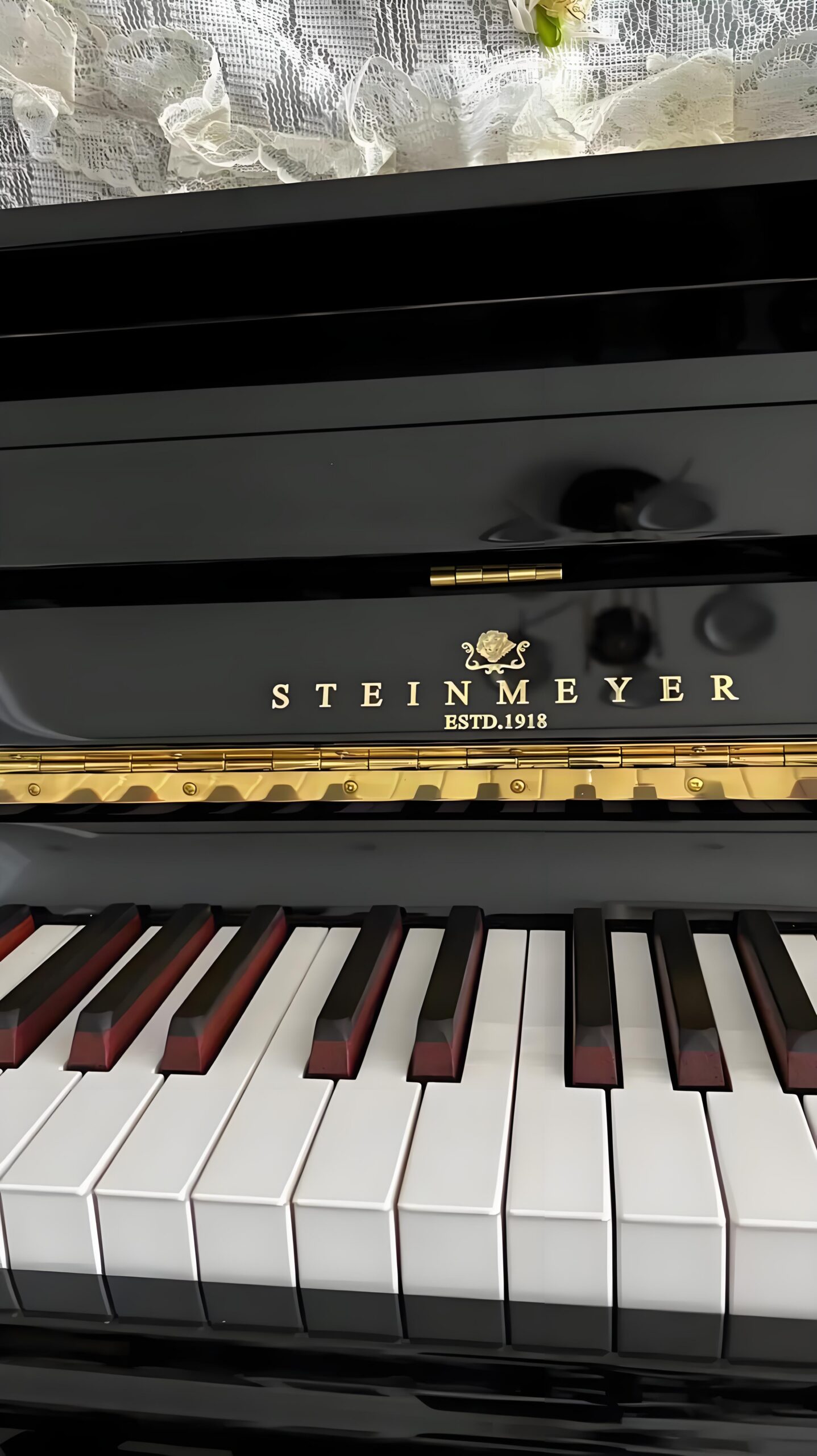
In short: for a digital piano, a good pair of headphones changes everything — they reveal the nuances of the sampling and let you play at any hour without disturbing anyone. Favour circumaural (over-ear) headphones, comfortable over time, with balanced reproduction. Here’s how to choose by level and budget.
Why headphones matter on a digital piano
On a digital instrument, headphones are your sound system: they shape what you hear of dynamics, harmonics and spatial depth. Cheap headphones flatten the nuances and tire the ear; good ones faithfully render the sample (often from a Steinway, Yamaha CFX or Bösendorfer) and make practice far more rewarding.
Open or closed?
- Closed-back: isolate from outside noise and emit almost nothing around you — ideal for playing at night. The most versatile choice.
- Open-back: a more natural, airy soundstage and lasting comfort, but they leak sound. For solo practice in a quiet space.
How to choose
Comfort
Over-ear pads, a well-distributed headband, moderate weight: essential for long sessions.
Sound
Aim for balanced, neutral reproduction (neither inflated bass nor harsh treble) to hear the piano as it is. Moderate impedance is enough with a digital piano’s headphone output.
Connection
Most digital pianos have a 6.35 mm jack: check the connector (or use a good 3.5 → 6.35 mm adapter).
Impedance and amplification
Impedance, measured in ohms, indicates how much current headphones need to reach a proper volume. A digital piano’s headphone output drives moderate-impedance models (32–80 ohms) without trouble, which makes them the sensible choice. Very high-impedance headphones (250 ohms and up) are designed for dedicated amps and may stay too quiet plugged straight into the instrument. If the level seems weak, check this figure before blaming the headphones.
Wired, always
For playing, a wired connection is not a detail: Bluetooth introduces latency — a small delay between key and sound — that becomes distracting on an instrument and undermines your sense of time. Keep wireless for listening or reading scores, never for performance. A cable of sensible length, ideally detachable, also avoids dragging the instrument when you stand up.
Mistakes to avoid
Three common traps: choosing bass-heavy headphones that inflate the sound and distort your reading of dynamics; picking light models with thin pads that grow uncomfortable after half an hour; and forgetting the 6.35 mm adapter often needed with the piano’s output. Neutral reproduction, genuine comfort and the right connection matter far more than any showy effect.
Our picks by budget
- Entry level: Yamaha HPH-50 or AKG K72 — closed, affordable, perfect to start.
- Best value: Audio-Technica ATH-M40x or Yamaha HPH-150 — reliable sound, comfort, durability.
- High end: Beyerdynamic DT 880 or Sennheiser HD 600 — reference refinement and comfort.
Cabling and practical setup
A final consideration is the ergonomics of the playing position. A cable that is too short forces you to lean towards the instrument; one that is too long tangles underfoot — the ideal length is around three metres, ideally with a detachable cable so it can be replaced if it wears. If several people share the piano, a small splitter or the dual headphone socket found on some instruments allows lessons for two. And store the headphones on a hook rather than resting them on the keys: it is the simplest way to extend their life.
Frequently asked questions
Open or closed headphones for night playing?
Closed: they emit almost nothing around you and isolate from noise. Open-back ones leak sound.
Do I need a headphone amp?
No, in most cases: the piano’s headphone output is enough for moderate-impedance headphones.
The pianist’s essential accessories
Build a complete, well-protected setup with our practical guides:
- Choosing a piano bench
- Controlling humidity for your piano
- Choosing a piano cover
- Metronome and piano lamp
Read also: Which piano bench should you choose? Buying guide
🎹 Essential accessories for pianists
This page contains affiliate links. If you buy through them, we may earn a commission at no extra cost to you.
- Closed-back headphones: Yamaha HPH-100B
- X-style keyboard stand: Millenium KS-1010
- Sustain pedal (piano-style): M-Audio SP-2
- Adjustable keyboard bench: K&M 14066