
Introduction: The Heart of the Piano World
What is a grand piano? It is the definitive acoustic piano, an instrument where the strings and soundboard lie horizontally, allowing for longer strings, a larger resonating surface, and an action that responds with unparalleled speed and subtlety. This design grants the grand its supremacy in touch, tonal complexity, and dynamic projection. For the serious musician, institution, or connoisseur, selecting a grand piano is not a mere purchase; it is the beginning of a lifelong artistic partnership. This guide navigates the nuanced landscape of grand pianos for the UK market, offering expert advice to inform your journey towards finding the instrument that speaks to you.
Chapter 1: Understanding the Grand Piano Market – A Landscape of Legends
The grand piano world is stratified by heritage, philosophy, and craftsmanship. Understanding these tiers is the first step in refining your search.
The Apex: Concert & Artist Instruments
These are the instruments built for the world’s greatest stages and most demanding artists. They represent the absolute pinnacle of power, durability, and tonal palette.
- Examples: Steinway & Sons Model D (Hamburg/New York), Bösendorfer Imperial 290, Fazioli F308, Yamaha CFX.
- Character: Uncompromising dynamic range, immense projective power, and actions regulated to withstand the rigours of concert use.
The European Heritage Houses
Centuries of tradition inform these German and Austrian makers, each with a distinct tonal philosophy and meticulous hand-craftsmanship.
- Examples: C. Bechstein, Blüthner, Grotrian-Steinweg, Sauter, August Förster.
- Character: Often a depth and colouristic richness described as a « singing » tone. The action is typically a refined Renner or proprietary equivalent, prized for its tactile feedback and control.
Asian Excellence & Precision Engineering
Post-war innovation and relentless quality control have positioned these brands as benchmarks for reliability, consistency, and crystalline clarity.
- Examples: Yamaha CF, S & CX Series, Shigeru Kawai.
- Character: Remarkably even scale, brilliant trebles, and actions known for their precision and longevity. The Shigeru Kawai line incorporates profound hand-finishing for a more nuanced, European-influenced voice.
The American Icon
Steinway & Sons’ New York factory produces instruments with a character distinct from their Hamburg counterparts, often described as more direct and powerfully projective, with a brighter, more immediate tonal attack.
The Certified Pre-Owned Market
This sector offers exceptional value and provenance. Programmes like the Steinway & Sons Certified Pre-Owned scheme involve comprehensive rebuilding, regulation, and a new warranty. It is a viable route to owning a legendary instrument at a reduced capital outlay.
Chapter 2: Your Objective Selection Criteria – Beyond the Brand
Move beyond marque prestige and focus on these four objective pillars to find your match.
Size & Space (The Primary Constraint)
Size directly influences tonal body and bass response. Always measure your room, considering the piano’s lid space and the need for a technician to access it.
- Baby Grands (approx. 150–168 cm / 5’–5’6”): Suit smaller music rooms or London flats. Bass can be less authoritative.
- Medium Grands (approx. 173–193 cm / 5’8”–6’4”): The sweet spot for most homes, offering a balanced scale and robust tone.
- Parlour/Studio Grands (approx. 208–212 cm / 6’10”–7’): For larger living spaces, conservatoires, and small halls.
- Concert Grands (228 cm+ / 7’6”+): Require dedicated, acoustically treated spaces like concert halls or large private residences.
Tonal Character & Signature
This is the instrument’s voice. It is shaped by the soundboard (often solid, vertically grained resonance spruce), scale design, and hammer felt density.
- German/Austrian Depth: A fundamental warmth, complex harmonics, and a velvet-like finish (Bösendorfer, Bechstein).
- American Projection: A direct, clear, and powerful tone with strong fundamentals (Steinway New York).
- Japanese Clarity: An analytical, precise, and brilliantly clear tone with exceptional note-to-note consistency (Yamaha, Kawai).
- Italian Artistry: A breathtaking clarity, extremely long sustain, and almost bell-like purity in the treble (Fazioli).
The Action – The ‘Touch’
The action is the mechanical interface between pianist and string. Key components include the Renner action (or equivalent), double escapement for rapid repetition, and meticulous regulation. Touch is deeply personal; some prefer a heavier, more substantive feel, others a lighter, faster response. It must be tested extensively.
Budget & Value Realities (in GBP)
Be realistic about total cost of ownership.
- Entry-Level New Grands: £10,000 – £25,000 (e.g., Yamaha GB1K, Kawai GL-10).
- The Core Market: £25,000 – £70,000 (e.g., Yamaha C3X, Kawai GX-2, Schimmel Konzert).
- Heritage & Institutional: £70,000 – £150,000 (e.g., C. Bechstein Academy, Bösendorfer VC Series, Steinway Model A).
- The Pinnacle: £150,000 – £300,000+ (Concert Grands from top-tier makers).
- Additional Costs: Factor in specialist piano transport (hundreds to thousands of GBP), annual tuning (£100-£150), plus periodic voicing and regulation.
Chapter 3: Recommendations by Pianist Profile & Scenario
The Discerning Amateur & Advanced Student
You seek a lifetime instrument for daily practice and home enjoyment. Tonal beauty and a responsive touch in a manageable size are paramount.
- Focus: Medium grands (5’8” – 6’4”) from the core market.
- Budget: £30,000 – £60,000.
- Consider: Yamaha C3X, Kawai GX-3, Schimmel Konzert K 195, or a certified pre-owned instrument from a heritage brand.
The Music Academy, Conservatoire or University
Requirements centre on durability, consistent action for pedagogical use, and sufficient projection for masterclasses and small recitals.
- Focus: Robust parlour grands (6’10” – 7’6”) known for reliability.
- Budget: £50,000 – £100,000.
- Consider: Yamaha CF Series, Kawai SK-3, C. Bechstein Academy A 208, or Boston (by Steinway) GP-215.
The Concert Pianist & Recording Artist
Instruments must meet the highest professional demands for dynamic range, tonal palette, and absolute reliability under pressure.
- Focus: Concert grands from the apex tier. The choice is intensely personal and often brand-affiliated.
- Budget: £120,000+.
- Consider: Steinway Model D, Bösendorfer 280VC, Fazioli F212, Yamaha CFX.
The Collector & Connoisseur
Investment in artistic legacy, unique tonal character, or historical significance is key.
- Focus: Limited editions, rare finishes, or brands with unique features like Bösendorfer’s Imperial 97-key model.
- Budget: Variable, often £150,000+.
- Consider: Bespoke commissions, art-case models, or impeccably restored historic instruments from the great European houses.
Chapter 4: Curated Selection Grid – Grand Pianos by Budget Tier
Tier 1: Entry-Point Excellence (£10,000 – £25,000)
- Yamaha GB1K Baby Grand (151 cm / 4’11”): A compact, reliable instrument with Yamaha’s characteristic clear tone. Ideal for a first grand where space and budget are tight.
- Kawai GL-10 Baby Grand (153 cm / 5’1”): Features Kawai’s Millennium III action for a responsive touch. Offers a warm, mellow tone in a small footprint.
Tier 2: The Heart of the Market (£25,000 – £60,000)
- Yamaha C3X Studio Grand (186 cm / 6’1”): A benchmark studio instrument. Exceptional clarity, even scale, and superb dynamic control. A favourite for advanced students and home studios.
- Kawai GX-2 (180 cm / 5’11”): Represents a significant step up in tonal richness and power. The solid spruce soundboard and longer keys provide a more concert-like feel.
- Schimmel Konzert K 175 (175 cm / 5’9”): German craftsmanship at an accessible point. A warm, singing European tone with a precise, responsive action.
Tier 3: Heritage & Institutional (£60,000 – £150,000)
- C. Bechstein Academy A 190 (190 cm / 6’3”): Offers the sublime touch and complex, colourful tone of the Bechstein tradition. A profound instrument for the serious pianist.
- Bösendorfer VC 170 (170 cm / 5’7”): The legendary Viennese warmth in a compact form. Noted for its lyrical treble and uniquely resonant bass.
- Steinway & Sons Model A (188 cm / 6’2” – Hamburg): The quintessential “goldilocks” Steinway for many. Combines the power and tonal sophistication of the larger models with domestic practicality.
Tier 4: The Pinnacle (£150,000+)
- Steinway & Sons Model D (274 cm / 8’11”): The undisputed king of the concert stage. Unmatched projective power, a vast tonal palette, and an action built for endurance.
- Fazioli F212 (212 cm / 7’0”): Represents the pinnacle of Italian piano art. Breathtaking clarity, extraordinarily long sustain, and a touch of sublime sensitivity.
Chapter 5: The Purchasing Process & Partnership
The Essential In-Person Trial
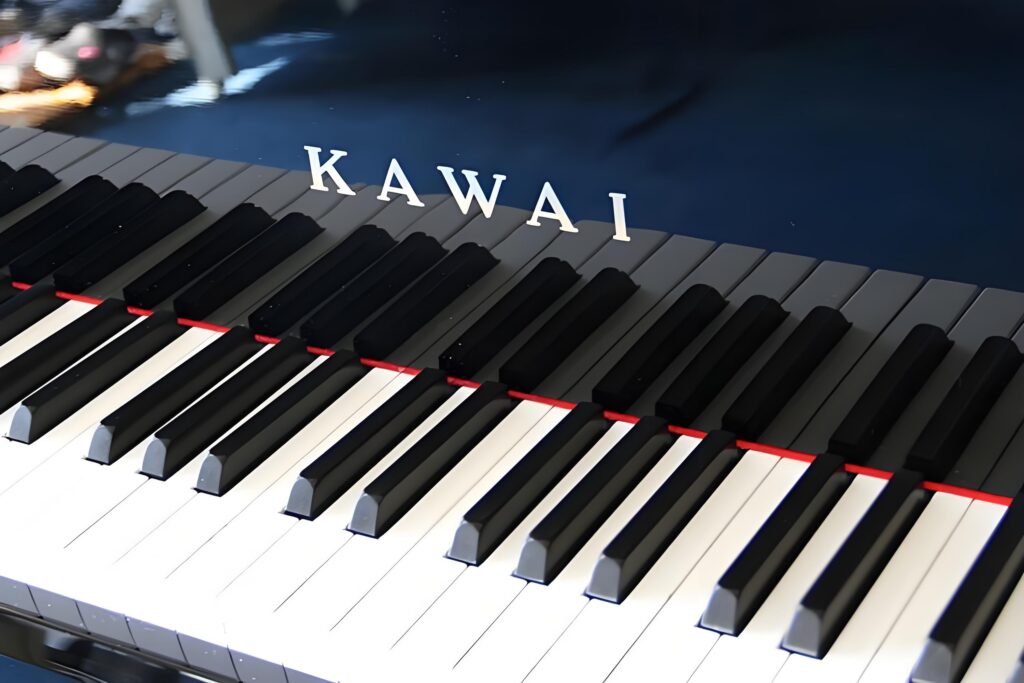
Play scales, chords, and passages from soft pianissimo to roaring fortissimo. Test the repetition speed. Listen for tonal evenness across all registers. Bring a piece you know intimately.
Understanding Warranties & Aftercare
A robust manufacturer’s warranty (often 5-10 years, sometimes lifetime for the original owner) is crucial. Ensure there is a network of qualified concert technicians in your area for regulation and voicing.
A Note on Retailers
While visiting a specialist piano showroom for a hands-on trial is irreplaceable, for those who have done their research, major retailers like Thomann offer a wide selection, secure UK delivery, financing options, and the security of a comprehensive 3-year warranty.
Frequently Asked Questions (FAQ)
What is the main difference between a Hamburg and a New York Steinway?
The differences are philosophical and material. Hamburg Steinways are often described as having a more refined, nuanced, and European tone with a slightly lighter touch. New York Steinways typically offer a more direct, powerfully projective sound with a heavier action. Both are exceptional; the choice is tonal preference.
Is a baby grand (under 5’5”) a worthwhile investment for a serious pianist?
It is a compromise. While a quality baby grand offers superior touch and tone to most uprights, its shorter strings and smaller soundboard limit bass authority and overall tonal complexity. For serious daily practice, a medium grand is vastly preferable if space allows.
How much space do I realistically need for a 6-foot grand piano?
A minimum room size of 5m x 4m is recommended. The piano itself will be ~1.8m wide and 1.5m deep with the lid closed. You must also allow space for the lid to open (for tuning and performance), the bench, and free movement around the instrument.
What are the ongoing annual maintenance costs for a grand piano in the UK?
Budget for at least two tunings per year (£100-£150 each). Voicing (tone regulation) and action regulation are needed less frequently but are vital; a full service can cost £300-£600 every few years, depending on usage.
Should I consider a high-quality pre-owned grand piano, and what should I look for?
Absolutely. It can be the best route to a higher-tier instrument. Always hire an independent piano technician to inspect it. They will check the soundboard for cracks or separation, the pin block for tuning stability, the action for wear, and the strings and hammers for condition. Provenance and service history are key.
Real-world scenarios: practical use cases
In a city flat
- Space & Tone: A grand under 180cm (5’11”) is advisable for rooms of 40–60 m². Focus on instruments with a controlled, beautiful tone at lower volumes, like a Bösendorfer VC or a Yamaha C2X.
- Neighbours: Consider a silent system (acoustic play with headphones) to allow for unrestricted practice at any hour.
- Transport: Ensure stairwells, lifts, and doorways can accommodate the move. Specialist piano movers are essential.
- Acoustics: Use rugs and soft furnishings to prevent the sound from becoming overly bright in a small, reflective space.
In a concert hall
- Projection: The instrument must fill the hall with clarity, not just volume. A concert grand’s scale design ensures even projection to the back row.
- Power & Endurance: The action must withstand the physical demands of a full recital programme, offering consistent response from the first to the last note.
- Tonal Palette: The pianist requires an immense range of colours, from the most delicate whispers to thunderous climaxes, all without distortion.
- Reliability: It must hold its tuning and regulation perfectly under stage lighting and varying humidity.
In a recording studio
- Behaviour Under Microphones: The tone must be clean, complex, and free of unpleasant mechanical noises. A perfectly regulated action is non-negotiable.
- Sustain: A long, pure, and even decay across the register is critical for creating a lush recorded soundscape.
- Tuning Stability: The piano must hold a rock-solid tuning for the duration of a session, often under hot lights.
- Character: The chosen instrument’s inherent voice (warm, clear, colourful) becomes a fundamental part of the production.
In a conservatoire
- Intensive Daily Use: The piano may be played for 8-12 hours daily by different pianists. Extreme durability of action parts and strings is paramount.
- Versatility: It must serve equally well for Baroque, Romantic, and contemporary repertoire, offering a neutral yet inspiring palette for students.
- Durability & Serviceability: Robust construction and easy access to replacement parts are key. Brands with a global service network are preferred.
- Consistency: Within a teaching studio, having multiple instruments of the same model with similar touch and tone is highly beneficial for pedagogical consistency.
Technical specifications
| Specification | Description / Typical Value |
| :— | :— |
| Typical Length Range | 150 cm (4’11”) to 308 cm (9’10”) |
| Typical Width | 148 cm – 160 cm |
| Typical Weight | 250 kg (baby grand) to 550 kg (concert grand) |
| Action Type | Double escapement, typically with wooden or composite parts (e.g., Renner, Kawai Millennium III) |
| Soundboard Timber | Solid, vertically grained Sitka or European Spruce |
| Number of Keys | 88 (standard); 92 or 97 on select Bösendorfer models |
| Frame | Single-cast iron plate |
| Pin Block | Multi-laminated hard rock maple or beech |
| Finishes Available | High-gloss Polished Ebony, Mahogany, Walnut; Satin finishes; various veneers. |
Purchase guide
New price / Certified pre-owned price
- New: Prices start from around £10,000 for an entry-level baby grand and can exceed £300,000 for a top-tier concert grand from a legendary maker.
- Certified Pre-Owned: Offers significant savings, typically 30-50% less than a comparable new instrument. Programmes from makers like Steinway & Sons provide rebuilt instruments with new warranties, offering exceptional value.
Where to buy
1. Specialist Piano Showrooms: Essential for in-person trials and expert, personalised advice. They offer aftercare and long-term relationships.
2. Major Retailers: For those confident in their choice, retailers like Thomann provide a vast online selection, transparent pricing, free delivery across Europe, financing options, and the security of a 3-year warranty.
3. Auction Houses & Private Sales: Can offer opportunities but carry higher risk. An independent technical inspection is mandatory.
Annual maintenance cost
Budget approximately £300-£500 per year. This covers two tunings (£200-£300) and a contribution towards periodic regulation and voicing, which may be needed every 1-3 years depending on use and environment.
What to check before buying
- Condition of Soundboard: Look for visible cracks or, more importantly, listen for a “dead” tone which can indicate loss of crown (resonance).
- Action Regulation & Evenness: Play every key at multiple volumes. The touch should be even, and the repetition fast and reliable.
- Pin Block & Tuning Stability: A technician will check the torque of the tuning pins. Loose pins mean the piano will not hold tune.
- String & Hammer Condition: Look for rust on strings and deep grooves or hardening in the hammer felt.
- Case & Finish: Check for structural damage or major finish flaws, though these are often cosmetic.
Related Articles
This page contains affiliate links. If you buy through them, we may earn a commission at no extra cost to you.
🎹 Essential accessories for pianists
This page contains affiliate links. If you buy through them, we may earn a commission at no extra cost to you.
- Thermo-hygrometer (humidity): TFA Digital Thermo-Hygrometer
- Caster cup (sold singly): Jahn IsoFloor
- Felt key cover: Jahn Keyboard Dust Cover
- Adjustable piano bench: Thomann KB-15BM