
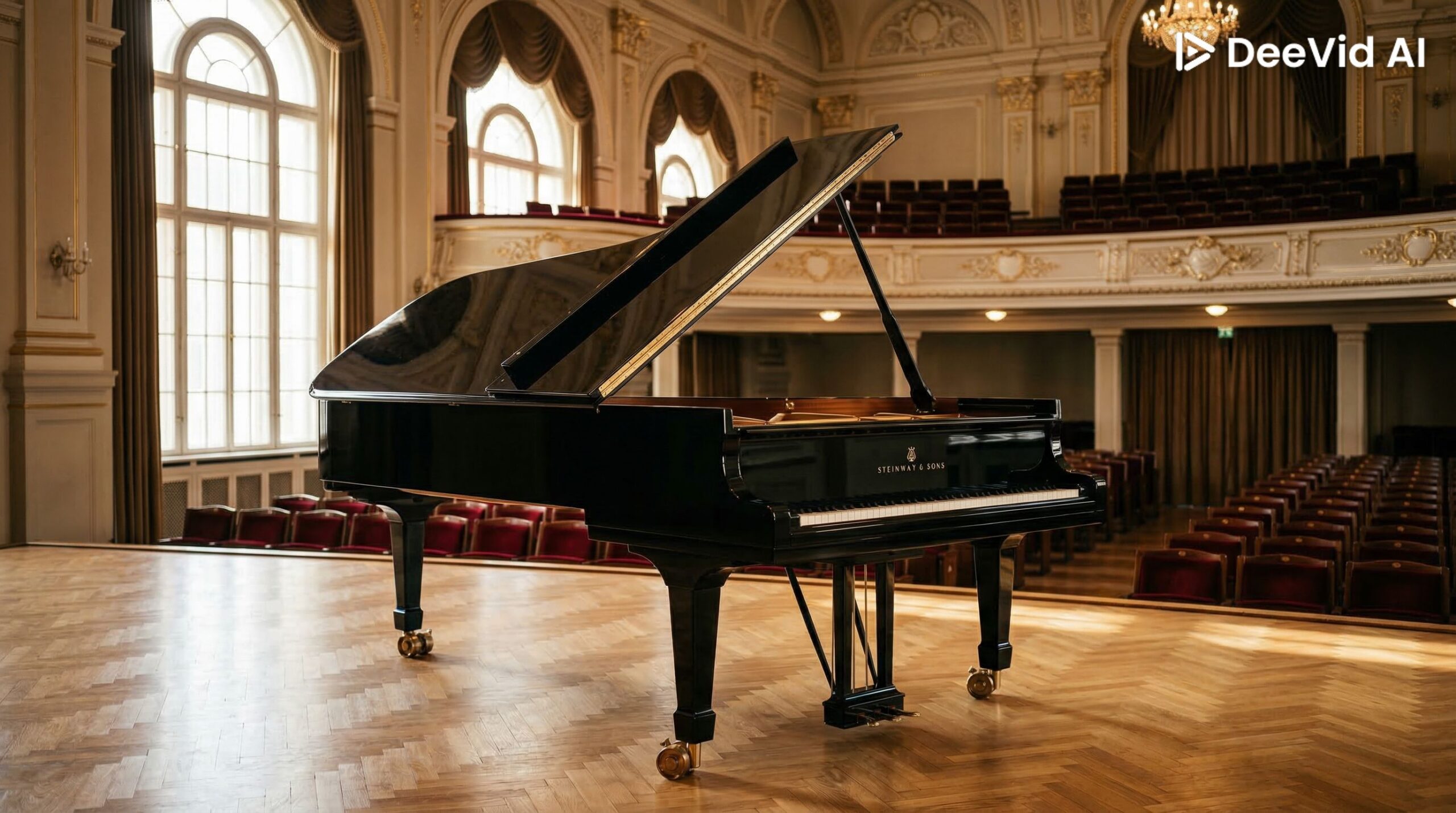
Navigating the world of grand pianos? Our expert guide for UK musicians covers Steinway, Yamaha, Bösendorfer & more. Learn how to choose by size, tone, action, and budget from £10,000 to £200,000+.
Introduction: The Grand Piano as a Lifelong Investment
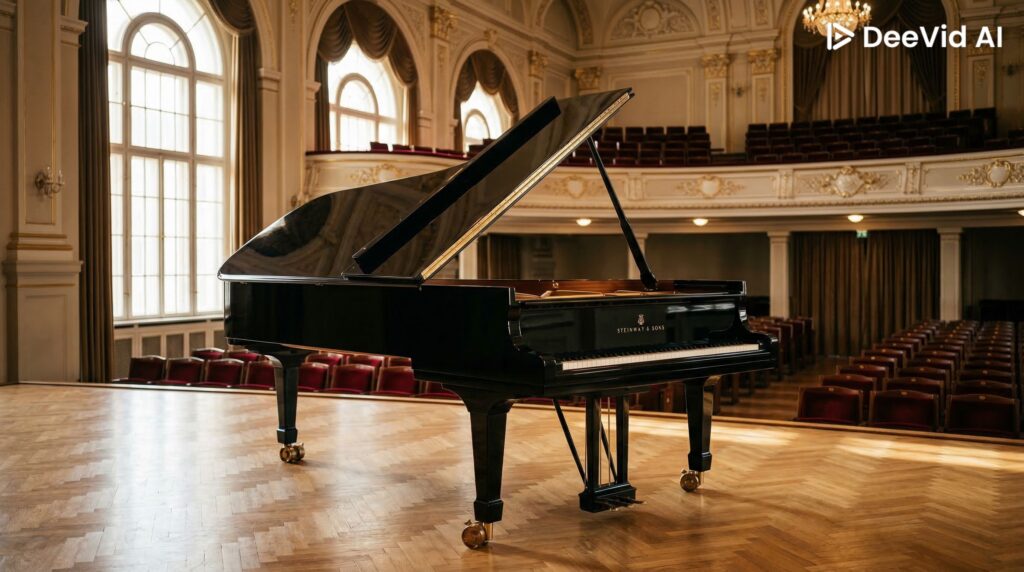
Choosing a grand piano is not merely a purchase; it is a deeply personal decision that balances acoustic goals, physical space, and budget. It represents a commitment to an instrument of both profound artistic expression and peerless fine engineering. This guide provides the objective framework for that choice, whether you are selecting the cherished centrepiece for a London drawing room or the demanding, resonant voice for a concert hall.
The grand piano occupies a unique role, a masterpiece of craftsmanship where physics and emotion converge. Setting realistic expectations is crucial: the instrument you choose must suit its environment, from the intimate acoustics of a home to the rigorous demands of professional performance.
Chapter 1: The Landscape of Grand Piano Manufacture
The modern grand piano is the culmination of centuries of refinement. Understanding the major schools of craftsmanship is key to identifying the tonal philosophy that resonates with you.
- The German/Austrian Tradition: Exemplified by Steinway & Sons Hamburg, C. Bechstein, Bösendorfer, and Blüthner. This school prioritises depth, harmonic complexity, and a singing, sustained tone. The sound is often described as warm, colourful, and capable of great lyrical warmth, ideal for the core Germanic repertoire from Beethoven to Brahms.
- The American Approach: Best represented by Steinway & Sons New York. Here, the focus is on power, projective clarity, and a robust, responsive action. The tone is direct, with a brilliant treble and a foundational bass, designed to fill large spaces with unmistakable presence.
- The Japanese Precision: Pioneered by Yamaha’s CF/S Series and Shigeru Kawai. These instruments are celebrated for their remarkable consistency, clarity, and analytical precision. The action is exceptionally even, and the tone is clean and well-defined, making them favourites in conservatoires and recording studios worldwide.
- The Italian Artisan: The house of Fazioli stands apart. Their instruments are known for breathtaking brilliance in the highs, a powerful, clear bass, and an exceptional dynamic range. The craftsmanship is obsessive, using materials like red spruce from Val di Fiemme, resulting in a uniquely transparent and responsive sound.
Chapter 2: Your Objective Selection Criteria
Beyond brand prestige, your decision must be grounded in practical and acoustic realities.
Size & Space: The Acoustic Reality
A piano must fit its room, both physically and sonically. Grand pianos range from the baby grand (around 155cm/5’1″) to the concert grand (274cm/9′). A larger soundboard and longer strings generally produce a richer, more powerful tone. However, a 9-foot concert grand in a modest room will sound overwhelming and muddy. Consider room dimensions, ceiling height, and flooring—soft furnishings absorb sound, while hard surfaces amplify it.
Tonal Character: Finding Your Voice
Play scales and chords across the entire keyboard. Listen critically to:
- Bass: Does it have depth and clarity, or is it boomy?
- Midrange: Is it lyrical and warm, or more neutral?
- Treble: Is it brilliant and penetrating, or sweet and singing?
Every piano has a unique personality; your goal is to find one whose character inspires you.
The Action & Touch: The Interface of Expression
The action—the mechanism that translates finger motion into sound—is paramount. Look for terms like Renner action (a gold-standard German manufacturer) and double escapement, which allows for rapid note repetition. The touch should feel even from key to key, with a weight that is substantial but not heavy, offering total control from pianissimo to fortissimo.
Construction & Materials: The Foundations of Quality
Key components define longevity and sound:
- Solid Spruce Soundboard: The heart of the piano’s resonance. Premium makers use slow-grown, quarter-sawn spruce.
- Single-Cast Iron Frame: Bears the immense string tension (up to 20 tonnes) and ensures stability.
- Hard Maple Bridges: Precisely transmit string vibrations to the soundboard.
- Premium Felt: On hammers and dampers, crucial for tone and control.
Budget & Value: The Total Cost of Ownership
Budget encompasses more than the purchase price. Consider:
- New vs. Certified Pre-Owned: A certified pre-owned instrument from a programme like Steinway & Sons Certified Pre-Owned can offer exceptional value and proven stability.
- Depreciation: Top-tier brands often hold their value remarkably well.
- Lifetime Costs: Factor in regular tuning, voicing, regulation, and the significant cost of specialist piano transport.
Chapter 3: Grand Pianos for Every Profile and Setting
The Discerning Amateur & City-Dweller
- Needs: A compact grand (155cm–170cm) with a refined, controllable tone for domestic acoustics. A silent system can be a wise addition for urban living.
- Brands to Consider: Yamaha GB1K, Kawai GL-10, Schimmel Classic. These offer quality craftsmanship in a space-efficient design.
The Advancing Student & Music Academy
- Needs: A robust, tonally consistent instrument (170cm–212cm) for technical development and ensemble work. Durability and even action are critical.
- Brands to Consider: Yamaha C3X, Kawai GX-2, Boston by Steinway. The Boston, designed by Steinway and built by Kawai, offers a compelling blend of tonal philosophy and reliable engineering.
The Concert Pianist & Prestigious Institution
- Needs: Uncompromising power, projection, and nuanced colour (212cm–274cm). These are the reference instruments.
- The Benchmarks: Steinway & Sons Model D, Bösendorfer Imperial 290, Fazioli F278, Yamaha CFX. Each provides the dynamic range and endurance for the world’s great stages.
The Collector & Aficionado
- Needs: Unique tonal signature, historical pedigree, or bespoke craftsmanship.
- Brands to Consider: Bösendorfer with extra keys (the 97-key Imperial), Blüthner with its patented aliquot stringing for added shimmer, or the exquisite handcrafted instruments from Sauter and Grotrian-Steinweg.
Chapter 4: Recommendation Grid by Budget
£10,000 – £30,000: The Entry-Point for Quality
This tier is dominated by compact new models from Yamaha and Kawai, or well-maintained, pre-owned instruments from European makers. It’s the starting point for a genuine grand piano experience. Retailers like Thomann offer accessible options in this range with the security of a 3-year warranty and free delivery across Europe.
£30,000 – £70,000: The Professional Domestic & Institutional Tier
Here you find superb mid-size grands like the Yamaha CX Series or Kawai GX Series, which are capable of professional performance. This budget also opens the door to expertly restored pre-owned Steinways (Models M or O) or larger Schimmel Konzert models.
£70,000 – £150,000: The Premium Heritage Tier
This is the realm of new mid-size instruments from the most revered houses: the sublime Steinway & Sons Model B (the “gold standard” for homes), magnificent C. Bechstein grands, and larger models from Fazioli or Bösendorfer.
£150,000+: The Investment & Concert Tier
Reserved for new concert grands and the most exclusive limited editions. These are instruments of legacy, built for the world’s finest halls and most discerning collectors.
Chapter 5: The Purchasing Process & Aftercare
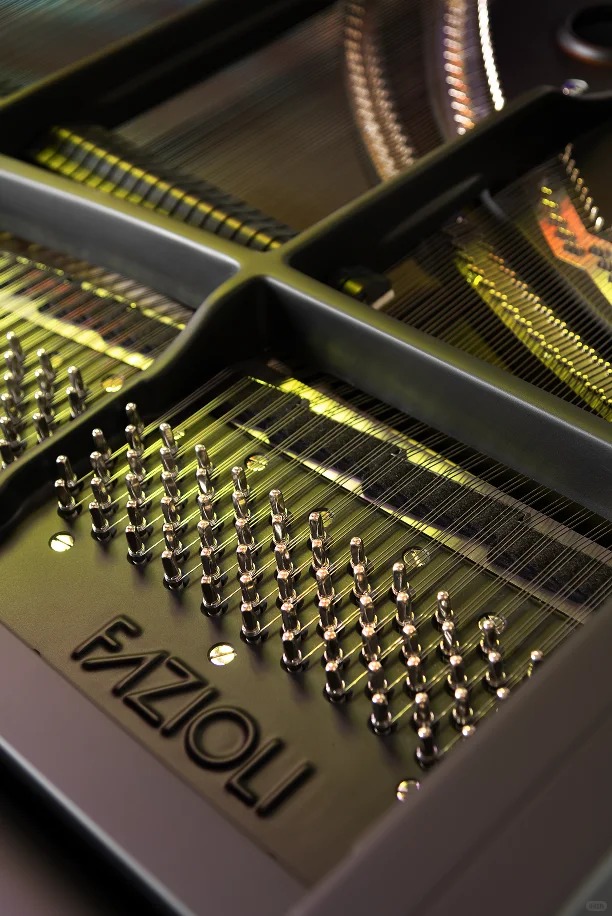
- Where to Buy: Visit specialist piano showrooms to play a wide range. For the well-researched buyer, trusted large-scale retailers like Thomann provide a curated selection, comprehensive specifications, and the convenience of direct delivery.
- The Essential Inspection: Never buy a pre-owned piano without an independent assessment by a qualified piano technician. They will check the soundboard, pin block, action, and structural integrity.
- Lifetime Stewardship: Your relationship with the piano begins at purchase. Schedule regular tuning (at least twice yearly), and periodic voicing and regulation to maintain its optimal character and responsiveness.
Frequently Asked Questions (FAQ)
What is the minimum room size for a baby grand piano?
Ideally, the room should be at least 20m² with a good volume of space above the piano. The presence of soft furnishings like carpets, curtains, and upholstered furniture will help balance the sound and prevent it from becoming overly bright or overwhelming in a small space.
Is a used Steinway piano a better investment than a new Yamaha?
It depends entirely on condition and provenance. A certified, expertly restored Steinway from an official programme can be a superb asset that holds its value exceptionally well. A new Yamaha, however, offers predictable performance, modern reliability, and a full manufacturer’s warranty. The choice is between heritage/ potential value retention and guaranteed consistency.
How often does a grand piano need tuning and maintenance?
In a stable home environment, tuning at least twice a year is standard. Concert instruments are tuned before every performance. Beyond tuning, a full regulation of the action should be performed every 5-10 years depending on use, and voicing (adjusting the hammer felt to change tone) is done as needed to maintain the desired sound.
What does ‘voicing’ a piano mean?
Voicing is the process of adjusting the tonal character of the piano by needling the hammer felt to soften it (for a warmer, mellower tone) or applying lacquer to harden it (for a brighter, more penetrating sound). It is a subtle art that tailors the instrument to its environment and the owner’s preference.
Can I buy a grand piano online without trying it first?
While it is possible—some retailers like Thomann offer detailed sound samples and robust return policies—it is always strongly recommended to play the exact instrument, or an identical model in a showroom, first. The touch and tone of each piano are unique, and a personal connection is vital for such a significant investment.
Real-world scenarios: practical use cases
In a city flat
- Tone & Size: A compact grand (155cm-170cm) is essential. Look for an instrument with a controllable, warm tonal character that won’t become harsh in a 40–60 m² living space.
- Neighbour Considerations: A built-in silent system (with headphones) is highly recommended for unrestricted practice at any hour.
- Transport: Ensure building access and stairwell dimensions can accommodate the move; specialist piano movers are a must.
- Climate Control: Central heating can dry out the air; consider a humidity control system to protect the wood and tuning stability.
In a concert hall
- Projection & Power: A full concert grand (274cm/9′) is typically required. The instrument must project a clear, balanced tone to the very back of the hall without the sound breaking up under maximum force.
- Endurance: The action must remain perfectly regulated and the tuning stable throughout demanding repertoire and under the hot stage lights.
- Nuance: It must also be capable of the most delicate pianissimo, offering a vast palette of colours for artistic interpretation.
In a recording studio
- Behaviour Under Microphones: The tone must be even and consistent across all registers, with no “wolf tones” or uneven harmonics that are exaggerated by close-miking.
- Sustain & Clarity: A clean, clear sustain is vital, allowing notes to decay naturally without unwanted sympathetic resonances.
- Tuning Stability: The piano must hold a perfect tuning for the duration of long recording sessions, often under bright studio lights.
In a conservatoire
- Intensive Daily Use: The action must be incredibly durable and maintain its regulation despite 12-16 hours of daily playing by different pianists.
- Versatility: The tonal character should be neutral-to-bright, providing clear feedback to students across a wide range of repertoire from Baroque to contemporary.
- Durability: The cabinet and hardware must withstand constant use. Instruments like the Yamaha C3X or Kawai GX-2 are renowned for this robust, consistent performance.
Technical specifications
| Specification | Typical Value Range for a Medium Grand (180cm-210cm) |
| :— | :— |
| Length | 180 cm – 210 cm (5’11 » – 6’11 ») |
| Width | 148 cm – 155 cm |
| Height (lid closed) | 100 cm – 102 cm |
| Weight | 320 kg – 400 kg |
| Action Type | Double escapement, with Renner or proprietary manufacturer actions common |
| Soundboard Timber | Solid, quarter-sawn Sitka or European Spruce |
| Number of Keys | 88 (standard); 92 or 97 on select Bösendorfer models |
| Finishes Available | High-gloss Polished Ebony, Satin Ebony, Polished White, and various premium wood veneers (Mahogany, Walnut, etc.) |
Purchase guide
- New Price / Certified Pre-Owned Price: For a premium mid-size grand (e.g., Steinway Model B equivalent), new prices start from approximately £85,000. A certified pre-owned model in excellent condition may range from £50,000 to £70,000, depending on age and restoration level.
- Where to Buy: Authorised brand dealers offer expertise and after-sales support. For a broad selection and competitive service packages, Europe’s largest music retailer, Thomann, is a viable option, offering free European delivery, a 3-year warranty, and financing plans.
- Annual Maintenance Cost: Budget approximately £200-£400 for two tunings per year. A full regulation or voicing session every few years may cost £500-£1,000+.
- What to Check Before Buying:
* Condition of Soundboard: Look for cracks or separations at the ribs. A single, long hairline crack is often not critical, but multiple cracks can be.
* Action Regulation: Test for evenness of touch, repetition speed, and check for excessive wear on hammers and dampers.
* Pin Block Condition: The tuning pins should be tight. A technician will assess this to ensure the piano can hold stable tuning.
Related Articles
This page contains affiliate links. If you buy through them, we may earn a commission at no extra cost to you.
🎹 Essential accessories for pianists
This page contains affiliate links. If you buy through them, we may earn a commission at no extra cost to you.
- Thermo-hygrometer (humidity): TFA Digital Thermo-Hygrometer
- Caster cup (sold singly): Jahn IsoFloor
- Felt key cover: Jahn Keyboard Dust Cover
- Adjustable piano bench: Thomann KB-15BM