
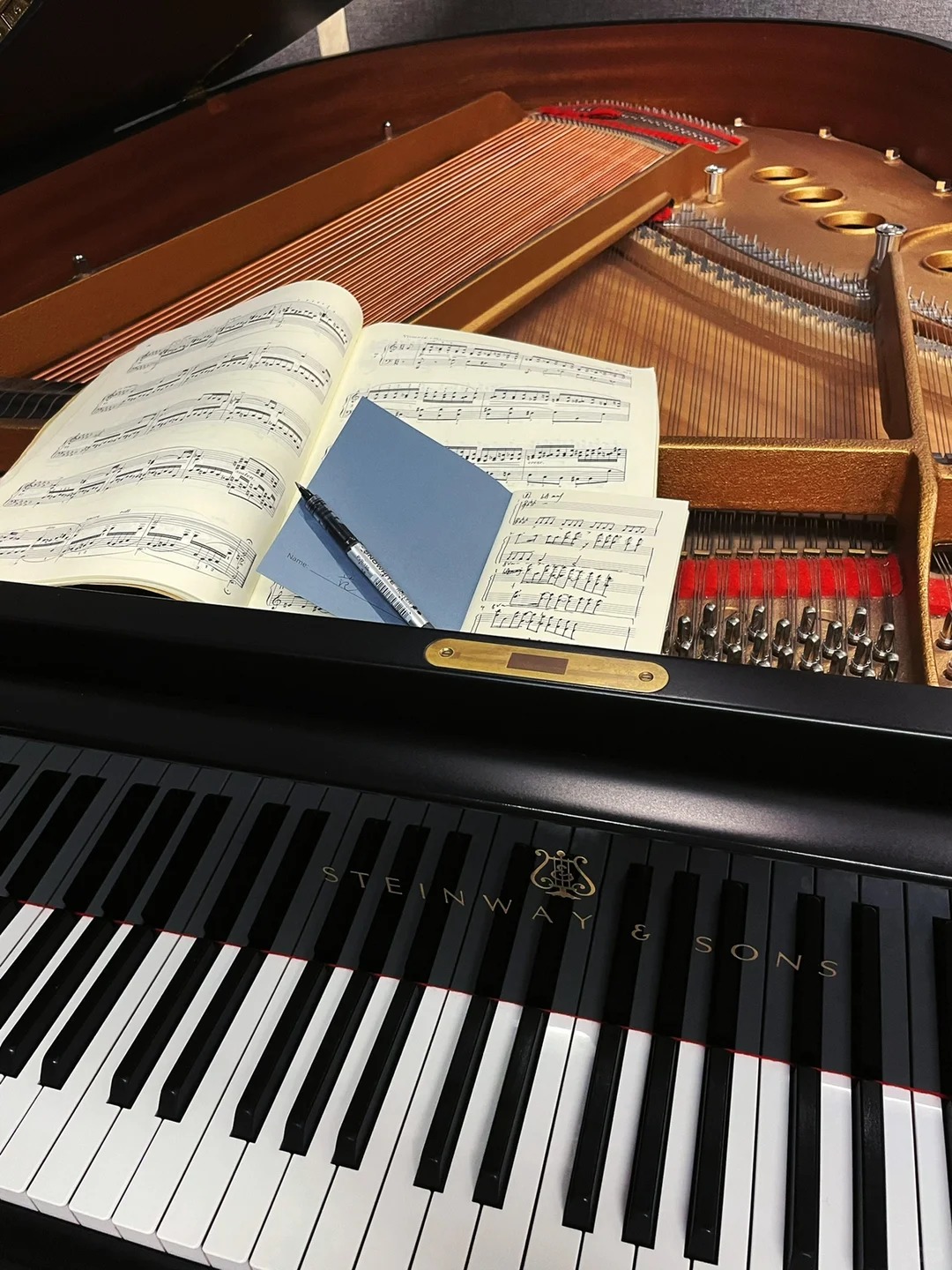
Choosing a grand piano is a significant investment. Our expert guide for the UK market compares leading brands, tonal characters, and key criteria for pianists, from discerning amateurs to concert professionals.
Introduction: The Art of Choosing a Grand Piano
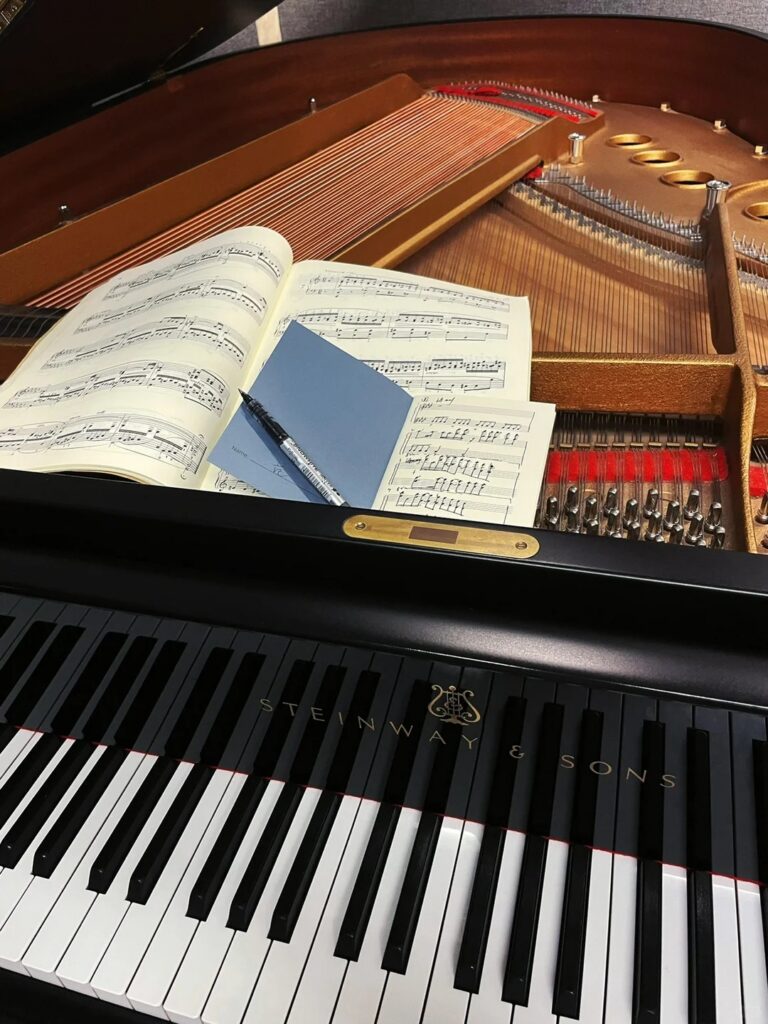
Selecting a grand piano is a profound journey that balances the science of acoustics with the art of personal expression. It is not a search for a universally « best » instrument, but for the piano that becomes a true partner to your musicianship—one whose touch responds to your intention and whose voice resonates with your repertoire and room. This decision intertwines technical specifications with emotional connection, substantial investment with lifelong reward.
The purpose of this guide is to serve as your expert consultant in the private salon. We will provide an objective, clear-eyed framework to navigate the prestigious grand piano market, from instruments around £10,000 to those exceeding £200,000. We will demystify the legends, explain the critical criteria, and help you identify the piano that is destined for your home, studio, or stage.
Chapter 1: The Grand Piano Market – A Landscape of Legends
The world of premium grand pianos is defined by distinct schools of craftsmanship, each with a philosophical heritage that shapes its instrument’s soul.
- The American Icon: Steinway & Sons. A name that defines the concert standard. The subtle differences between Hamburg (often described as having a clearer, more precise treble and a slightly brighter character) and New York (renowned for a powerful, robust bass and singing tenor register) models are a favourite topic of connoisseurs. Both share the foundational Steinway design: a diaphragmatic soundboard, a single-cast iron frame, and the Accelerated Action for unparalleled repetition.
- The German Tradition: Precision and Depth. Houses like C. Bechstein (Berlin), Blüthner (Leipzig), and Grotrian-Steinweg represent centuries of refinement. The German sound is often characterised by a velvety depth in the bass, a singing, complex midrange, and a crystalline yet never brittle treble. The action is typically precise and allows for exceptional dynamic control.
- The Viennese Aristocrat: Bösendorfer. From Vienna, a city of music, comes an instrument of unique warmth and lyrical grace. Bösendorfer pianos are known for their resonant, colourful bass (a result of a different string scaling and construction) and a mellower, more rounded treble. The iconic Imperial 290, with its extra nine sub-bass keys, offers a palette of sound unmatched by any other.
- The Italian Masterpiece: Fazioli. A relative newcomer that has redefined modern excellence. Fazioli pianos from Sacile are instruments of breathtaking power, laser-like clarity, and immense dynamic range. Their painstaking selection of materials—including red spruce from the Val di Fiemme, the same forest used by Stradivari—results in extraordinary projection and sustain.
- The Asian Precision Engineers: Yamaha & Kawai. Japanese manufacturers have achieved global acclaim through relentless innovation and impeccable consistency. Yamaha’s CFX is a dominant force on the world’s concert stages, known for its brilliant, projective tone and reliable action. Shigeru Kawai instruments represent the pinnacle of their art, blending advanced technology (like the Millennium III carbon fibre action) with hand-crafted detail to produce a warm, responsive, and deeply musical instrument.
Chapter 2: Your Objective Selection Criteria
Beyond brand prestige, your choice must be guided by these tangible, critical factors.
- Size & Space: The length of a grand piano is the primary determinant of its sound. A longer bass string and larger soundboard area produce a richer, more authoritative tone with greater harmonic complexity.
* 5’7” to 6’3” (170cm – 190cm): Ideal for the dedicated amateur and most domestic settings. Provides a fully satisfying scale in a well-proportioned drawing room or dedicated music room.
* 6’5” to 7’6” (195cm – 229cm): The professional semi-concert and parlour grand size (e.g., Steinway Model B, Bösendorfer 214). Offers concert-level nuance and power for advanced players and smaller performance spaces.
* 8’11” and above (274cm+): The concert grand (e.g., Steinway Model D, Fazioli F278). Designed to fill large halls with uncompromised projection and tonal balance. Requires significant space and consideration of room acoustics.
- Tonal Character & Signature: This is the instrument’s « voice. » Your repertoire can guide you:
* For the Romantic and Post-Romantic literature (Chopin, Rachmaninoff, Liszt): A piano with a singing, colourful midrange and a powerful, sustaining bass is often preferred—think Steinway, Bösendorfer, or a fine German instrument.
* For Baroque, Classical and Impressionist works (Mozart, Debussy, Ravel): Clarity, articulation, and a palette of delicate colours are key. The transparency of a Fazioli, the precision of a Bechstein, or the refined clarity of a Shigeru Kawai can be revelatory.
- The Action & Touch: The action is your interface. Key considerations are the downweight (the force needed to depress a key), repetition speed, and overall evenness across the keyboard. A Renner action (or its equivalent from other premium makers) with a double escapement mechanism is standard for professional-level repetition. This is profoundly personal; you must play the instrument to see if its touch inspires your technique.
- Budget & Value: Understand the full investment. A new premium grand piano represents a significant purchase, but brands like Steinway and Bösendorfer are renowned for their long-term value retention. The certified pre-owned market (such as the Steinway Programme) offers exceptional value. Always factor in lifetime costs: specialist moving (£500-£2000+), at least two tunings per year (£80-£150 each), and periodic voicing and regulation (£200-£600+ per service) to maintain optimal performance.
Chapter 3: Grand Pianos for Every Profile & Scenario
- The Discerning Amateur & Home Enthusiast: Your priority is tonal beauty and a responsive touch that brings daily joy. You seek an instrument that complements your living space acoustically and aesthetically. Focus on models from 5’7” to 6’3” from the premium mid-range or heritage tiers.
- The Conservatoire Student & Advancing Pianist: You need a robust, consistently even action for technical development and a tone that responds accurately to dynamic control. Durability for daily practice is essential. Instruments like the Yamaha C3X or Kawai GX-2 are renowned for this role, while a pre-owned Bösendorfer 170VC offers a distinctive voice for serious study.
- The Concert Professional & Recording Artist: Your requirements are uncompromising: ultimate projection, a vast dynamic range from a whisper to a roar, flawless regulation, and absolute reliability under the pressures of performance and the microscope of studio microphones.
- The Music Institution & University: The balance is between performance quality, durability for intensive use, serviceability, and managing a budget for multiple instruments. Consistency across a fleet of pianos is often as important as the peak performance of any single one.
Chapter 4: Recommendation Grid: Curated Grand Pianos by Budget
(Prices are indicative for the UK market and can vary based on finish, dealer, and specific configuration.)
Up to £20,000 (The Pre-Owned & Entry Market)
- Yamaha C3X (Pre-Owned, ~2010s): A supremely reliable, clear-toned workhorse. Excellent for serious practice and teaching studios. Expect to pay £18,000 – £22,000 for a well-maintained example.
- Young Chang or Samick (Pre-Owned): Solid, well-built instruments that offer a genuine grand piano experience at an accessible price point, often from £10,000 – £16,000.
£20,000 – £40,000 (New Premium & Exceptional Pre-Owned)
- Kawai GX-2 (5’11” / 180cm): £38,000 – £42,000. Represents exceptional Japanese craftsmanship. The Millennium III Carbon Fibre action is remarkably stable and responsive, and the tone is warm, singing, and beautifully balanced.
- Yamaha CX Series (e.g., CX-5 / 6’7”): £42,000 – £48,000. A step above the C Series, with a more refined, complex tone and enhanced materials. Offers legendary Yamaha consistency and projection.
- Pre-Owned Schimmel Konzert Series (K 189): £28,000 – £35,000. A classic German design offering a traditional European sound with clarity and warmth, often at a compelling value in the pre-owned market.
£40,000 – £80,000 (The Heritage & Performance Tier)
- C. Bechstein Academy A 192 (6’3”): £75,000 – £85,000. The gateway to the revered Bechstein sound. Handcrafted in Germany, it delivers the characteristic singing treble and foundational bass that defines the brand.
- Bösendorfer 170VC (5’7”): £78,000 – £88,000. The distinctive Viennese character in a conservatoire size. Noted for its lyrical warmth and unique colour palette, ideal for intimate spaces and players seeking an alternative voice.
- Steinway & Sons Model A (Pre-Owned, Hamburg): £65,000 – £85,000. The aspirational benchmark for many. A pre-owned Hamburg Model A offers the legendary Steinway scale and tonal resource in a size suitable for larger homes.
£80,000+ (The Concert & Collector Tier)
- Steinway & Sons Model D (9’ / 274cm): £150,000 – £180,000+. The global stage standard. Unmatched for its ability to project a rich, complex tone with power and nuance in the largest halls.
- Fazioli F212 (7’ / 212cm): £160,000 – £190,000. A semi-concert instrument of staggering power and clarity. Its explosive dynamic range and pristine articulation make it a favourite of many modern virtuosos and top-tier recording studios.
- Bösendorfer Imperial 290 (9’6” / 290cm): £220,000 – £250,000+. The legendary 97-key instrument. Its extra sub-bass strings provide a profound, organ-like resonance that opens new sonic possibilities, particularly in Romantic and contemporary repertoire.
Chapter 5: The Purchasing Process & Aftercare
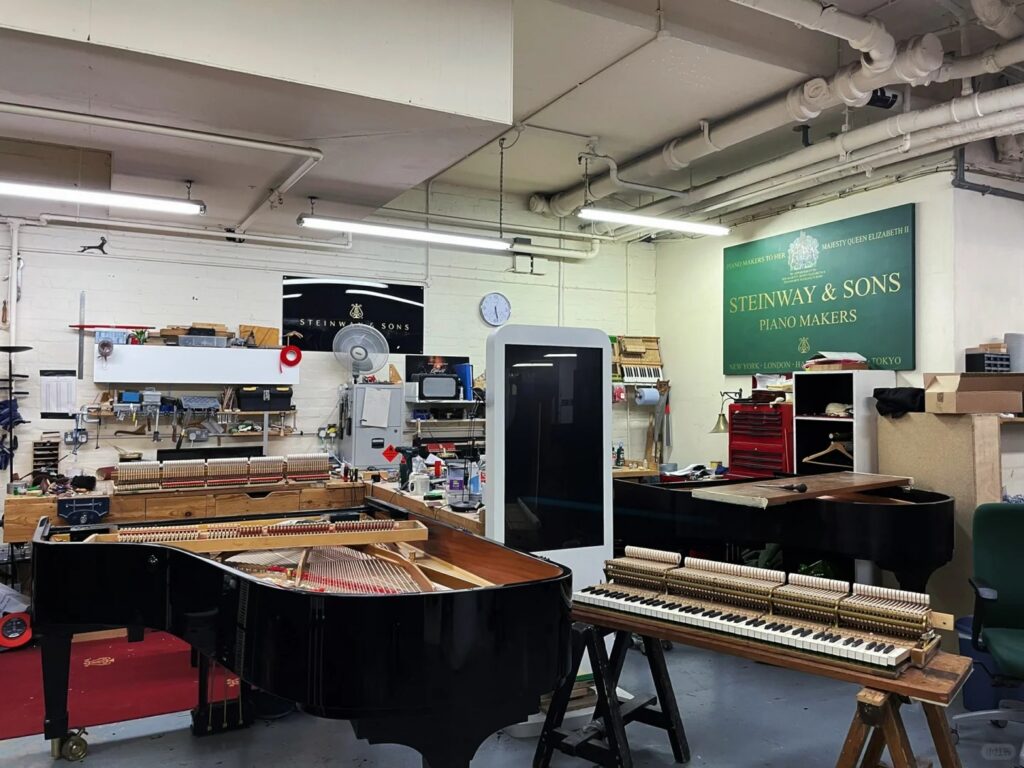
1. In-Person Auditioning is Non-Negotiable. Play multiple pianos of the same model, as each has its own character. Play your own repertoire, from soft passages to fortissimo climaxes.
2. Understand Warranties & Support. New pianos typically come with a 10-year+ manufacturer’s warranty. Certified pre-owned programmes offer their own warranties (e.g., 5-year on Steinway Programme instruments).
3. Choose Your Retailer Wisely. A reputable dealer provides expert advice, proper preparation of the instrument (regulation and voicing), and long-term aftercare. For buyers considering a range of premium brands with the convenience of continental access, Thomann, as Europe’s largest music retailer, offers a curated selection, free delivery to the UK, financing options, and a comprehensive 3-year warranty.
4. Plan for Delivery & Setup. Always use a specialist piano mover. Upon delivery, the piano will need to acclimatise for 2-4 weeks before its first in-home tuning and regulation.
Frequently Asked Questions (FAQ)
What is the most important factor when choosing a grand piano?
The single most important factor is the synergy between the instrument and you. This encompasses how the touch responds to your technique, how the tone inspires your musicality, and how the piano’s voice interacts with your acoustic environment. A piano that feels and sounds « right » in the showroom must also feel and sound right in your home.
Is a used grand piano a good investment?
A professionally serviced and certified pre-owned piano from a reputable brand can be an excellent investment. Much of the initial depreciation has already occurred, allowing you to access a higher tier of instrument for your budget. Always insist on a full independent technical inspection before purchase.
How much space do I really need for a grand piano?
As a rule, allow at least 1.5 metres of clearance around the entire piano for player access, acoustics, and to fully open the lid. For a 6-foot (183cm) grand, the room should be at least 4 metres by 5 metres. Remember to consider ceiling height—a higher ceiling allows the sound to develop more fully.
What are the ongoing maintenance costs?
Annual upkeep is crucial. Budget for:
- Tuning: At least twice yearly (£80-£150 per tuning).
- Regulation & Voicing: Every 1-5 years, depending on use (£200-£600+ per service).
- Potential Major Work: Re-stringing, action overhaul, or soundboard work may be needed after several decades. Costs are significantly higher in London and the South East.
Why are Steinway pianos so much more expensive?
The price reflects a unique combination: unparalleled brand heritage and resale value, a largely hand-built construction process (requiring over a year to build), extensive selection of premium materials (e.g., solid Sitka spruce for the soundboard), and a specific, influential tonal philosophy that has defined concert standards for over a century. You are investing in a legacy as much as an instrument.
Real-world scenarios: practical use cases
In a city flat
- Size is Paramount: Focus on instruments under 180cm (5’11”). A Bösendorfer 170VC or a Kawai GL-10 are ideal candidates, offering rich tone without overwhelming the space.
- Consider Neighbours: A built-in silent system (e.g., Yamaha Silent Piano or third-party retrofit) is a wise investment, allowing for headphone practice at any hour.
- Tone in 40–60 m²: In this space, a piano’s inherent clarity and balance are more important than raw power. A well-voiced piano will sound full and present without becoming boomy.
- Transport Logistics: Moving a grand into a flat often requires specialist lifting equipment (crane, piano trolley). Factor this into your budget and planning.
In a concert hall
- Projection & Power: The instrument must articulate every nuance to the back row. A Steinway Model D or Yamaha CFX is engineered for this, with a scaling and soundboard design that delivers immense, focused projection.
- Endurance During Recital: The action must remain perfectly regulated and the tuning stable through changes in humidity and temperature from stage lighting and audience.
- Dynamic Range: The piano must offer a true pianissimo that carries, as well as a resonant, non-brittle fortissimo. This requires exceptional craftsmanship in the soundboard and bridge design.
- Technical Support: Halls require pianos that are familiar to visiting technicians and artists, with readily available parts for last-minute adjustments.
In a recording studio
- Behaviour Under Microphones: The instrument must have exceptional tonal consistency across the entire scale, with no « wolf tones » or uneven registers. The sustain must be clean and harmonic.
- Dynamic Control: The action must allow for extreme subtlety of touch, as microphones pick up details an audience in a hall might not hear.
- Tuning Stability: It must hold a perfect tuning for the duration of long sessions, often under bright studio lights. A high-quality, seasoned pin block is critical.
- Sonic Character: Studios often seek pianos with a distinct, beautiful voice—like a Fazioli for crystalline clarity or a Bösendorfer for warm colour—that becomes a signature part of their sonic palette.
In a conservatoire
- Intensive Daily Use: The piano must withstand 8-12 hours of playing per day, by students of varying technique. Extreme durability of the action (often with carbon fibre components, like Kawai’s Millennium III) and keytops is essential.
- Versatility: It should perform credibly across a wide range of repertoire, from Scarlatti to Ligeti, providing a reliable baseline for student development.
- Serviceability: The design should allow for efficient, regular maintenance. Consistency across a practice room fleet is highly valued so students can focus on their technique, not adapting to different instruments.
- Value & Longevity: Institutions balance upfront cost with total cost of ownership over decades. Brands known for durability and stable regulation, like Yamaha and Kawai, are perennial favourites for this reason.
Technical specifications
| Specification | Description & Common Examples |
| :— | :— |
| Typical Lengths | 5’7″ (170cm), 6’1″ (185cm), 6’7″ (200cm), 7’6″ (229cm), 9′ (274cm). |
| Width | Standard keyboard width is approximately 150cm. Overall piano width is typically 10-20cm more. |
| Height (lid closed) | Generally between 100cm – 105cm. |
| Weight | From ~300kg (5’7″) to over 500kg (9′ concert grand). |
| Action Type | Double escapement, repetition action. Premium makers use their own (Steinway, Bösendorfer) or licensed actions (e.g., Renner, Kawai’s Millennium III). |
| Soundboard Timber | Solid, quarter-sawn spruce is the premium standard (Sitka, Alpine, Val di Fiemme). Laminated soundboards are used in some entry-level models. |
| Number of Keys | Standard is 88. Bösendorfer Imperial and some special models have 92 or 97 keys. |
| Finishes Available | Polished Ebony (most common), Polished White, various Satin Wood Veneers (Mahogany, Walnut, Macassar), and custom polyester colours. |
Purchase guide
- New Price / Certified Pre-Owned Price: As detailed in the recommendation grid, new premium grands start around £35,000 and extend beyond £250,000. A certified pre-owned instrument from a top-tier brand (e.g., a 15-year-old Steinway Model M) can offer savings of 30-50% off the equivalent new price, with the security of a warranty.
- Where to Buy: Purchase from an authorised dealer or a highly specialised, reputable piano retailer. For those comfortable with a remote purchasing process and seeking a wide selection, Thomann provides a viable option as Europe’s largest music retailer, offering instruments from brands like Yamaha and Kawai with free delivery to the UK and a robust 3-year warranty.
- Annual Maintenance Cost: Budget a minimum of £300 – £500 per year for two tunings and minor adjustments. For a heavily used instrument, this can easily rise to £800 – £1,200+ with regular voicing and regulation.
- What to Check Before Buying:
1. Condition of Soundboard: Look for cracks (small, stable cracks are often not critical, but large or separating ones are). Tap it lightly; it should resonate.
2. Action Regulation: Play every key pianissimo to fortissimo. Check for evenness, repetition speed, and that no keys stick or are sluggish.
3. Pin Block Condition: The tuning pins should be tight. A technician can measure the torque. Loose pins indicate a worn pin block, which is a major repair.
4. String & Hammers: Strings should be clean, not rusted. Hammers should show even wear, not deep grooves.
5. Case & Finish: Check for structural integrity and any significant cosmetic damage.
6. Always Hire an Independent Technician: For any piano over £15,000, a pre-purchase inspection by a technician not affiliated with the seller is the wisest £200-£300 you will spend.
Related Articles
This page contains affiliate links. If you buy through them, we may earn a commission at no extra cost to you.
🎹 Essential accessories for pianists
This page contains affiliate links. If you buy through them, we may earn a commission at no extra cost to you.
- Thermo-hygrometer (humidity): TFA Digital Thermo-Hygrometer
- Caster cup (sold singly): Jahn IsoFloor
- Felt key cover: Jahn Keyboard Dust Cover
- Adjustable piano bench: Thomann KB-15BM