Introduction: The Quest for the Grand Piano
Choosing a grand piano is a deeply personal journey, a delicate balance between acoustic science, tactile response, and artistic aspiration. It is the search for an instrument that becomes an extension of the musician—a partner in creativity and a centrepiece of legacy. This guide provides the discerning framework for that profound decision, navigating the landscape from the first serious purchase to the acquisition of a legendary instrument. The core philosophy is simple, yet paramount: the « best » piano is the one that responds authentically to your touch and serves the unique demands of your music, whether in a London drawing room or a concert hall.
The Grand Piano Market: A Landscape of Legends
The world of grand pianos is defined by storied houses, each with a distinct heritage that shapes the soul of their instruments.
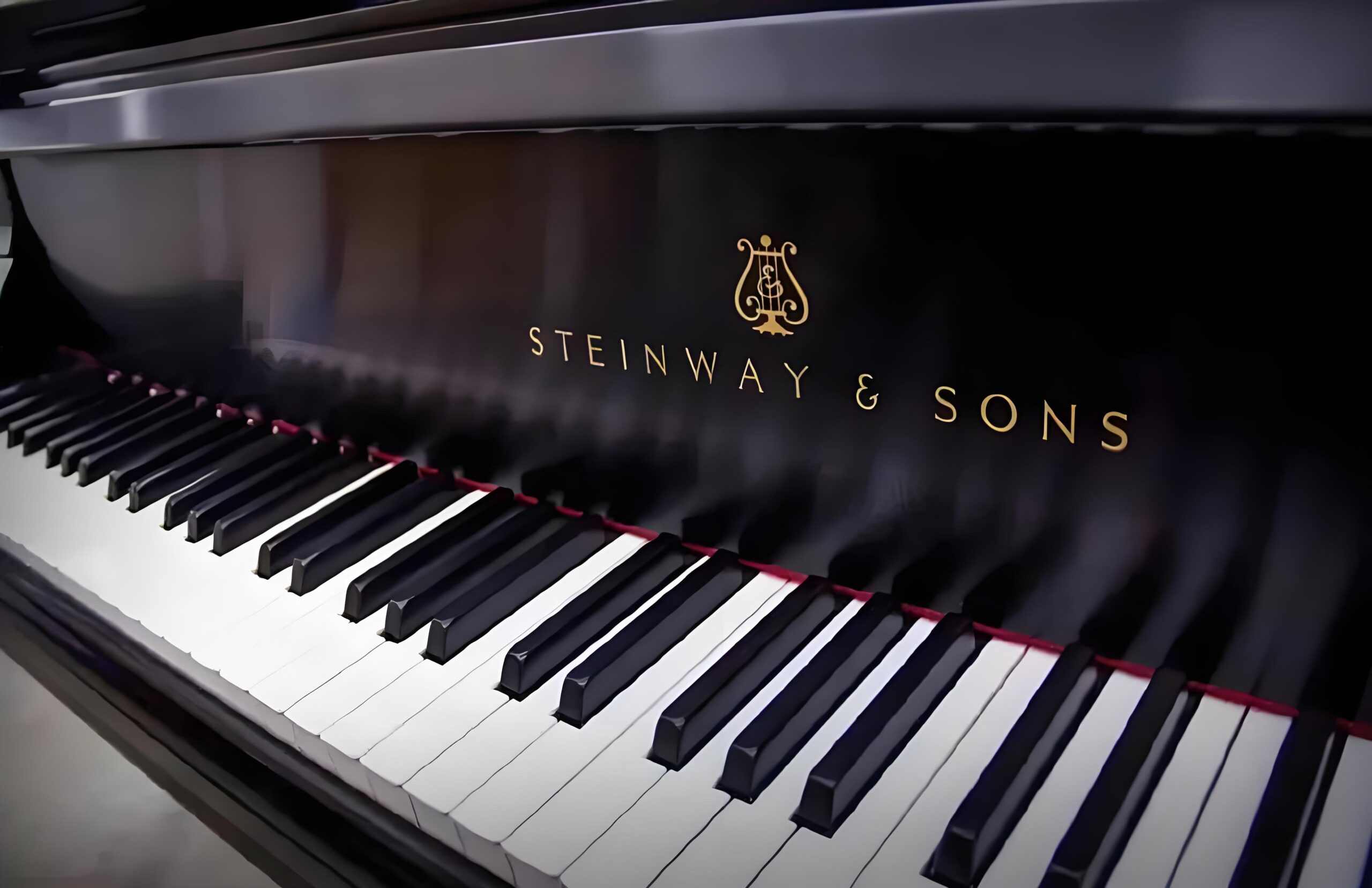
- The American Icon: Steinway & Sons. A name synonymous with the concert stage. The subtle differences between Hamburg (often described as having a clearer, more European tonal precision) and New York (renowned for its powerful, robust projection) models are a key consideration for the connoisseur.
- The German Tradition: A bastion of craftsmanship. C. Bechstein of Berlin offers crystalline clarity and a remarkably light, responsive touch. Bösendorfer of Vienna is celebrated for its unique warmth, lyrical singing tone, and the added resonance of their Imperial models. Blüthner (Leipzig) possesses a distinctive, romantic « voix céleste » sweetness, while houses like Grotrian-Steinweg and Sauter uphold rigorous standards of hand-built quality.
- The Italian Master: Fazioli. The epitome of modern precision. Hailing from Sacile, Fazioli instruments are engineered for unparalleled dynamic range, sustain, and a laser-like clarity that excels in complex contemporary repertoire and offers a distinct voice in Romantic works.
- The Japanese Precision: Yamaha & Kawai. Masters of consistency, innovation, and reliability. The Yamaha CFX and Shigeru Kawai lines compete at the highest concert level, offering exceptional clarity and powerful projection. Their premium S Series and Kawai GX lines provide outstanding performance for advanced players.
- The Value Proposition: Brands like Schimmel and the premium tiers of Yamaha (CX Series) and Kawai (GX Series) offer exceptional musicality and build quality, bridging the gap between mass production and hand-crafted exclusivity.
Objective Selection Criteria: Beyond the Name
Size & Space: The Primary Constraint
The length of a grand piano is the greatest determinant of its sound. A baby grand (~150-180cm) suits intimate spaces, offering charm but with a compromised bass scale. A living room grand (180-210cm) provides a far more balanced tonal spectrum for most homes. The semi-concert (211-228cm) and concert grand (274cm+) are instruments of power and completeness, demanding significant space and considered acoustics.
Tonal Character: The Voice
This is the instrument’s personality. It is shaped by the scale design, the soundboard (often premium Val di Fiemme or Alpine spruce), and the hammers. One might seek the foundational power and projection of an « American » sound, the complex harmonic depth of a « German » tone, the lyrical warmth of the « Viennese » school, or the transparent, precise « Japanese » clarity.
Action & Touch: The Connection
The action is the interface between pianist and string. A premium Renner or proprietary action with double escapement allows for rapid repetition and nuanced control. Key weighting and consistency across the keyboard are non-negotiable for serious technique. The touch should feel neither heavy nor light, but responsive and communicative.
Budget & Value: The Reality
Budget dictates the field of play. The market for certified pre-owned instruments, such as the Steinway Certified Pre-Owned Programme, offers remarkable value and access to legendary names. Remember the total cost of ownership: the purchase price, specialist transport (especially for grands over 180cm), and the essential annual investment in tuning, regulation, and voicing by a skilled technician.
Grand Pianos by Pianist Profile & Scenario
The Discerning Amateur & City-Dweller
- Needs: A grand that provides the aesthetic and tactile experience in a limited space (160-180cm). Focus is on tonal warmth, a pleasing scale, and manageable projection that won’t overwhelm a living room.
- Budget: £15,000 – £40,000.
- Considerations: A high-quality compact grand from Yamaha, Kawai, or Schimmel can be ideal. The option of a silent system is valuable in shared buildings.
The Music Student & Conservatoire Pianist
- Needs: A robust, concert-preparatory instrument (180-210cm) that can withstand hours of daily practice. An even, responsive action and a clear, adjustable tone are critical for technical development.
- Budget: £25,000 – £70,000.
- Considerations: The premium Japanese lines (Yamaha C3X/CX Series, Kawai GX Series) are benchmarks for reliability. This tier also opens the door to used or smaller models from German houses like C. Bechstein’s Academy series.
The Professional & Concert Pianist
- Needs: The capabilities of a semi-concert or concert grand (211cm+). Ultimate dynamic range, power without harshness, durability for touring, and a deeply personal, inspiring touch.
- Budget: £60,000 – £200,000+.
- Considerations: This is the realm of the legendary models: the Steinway Model D, Bösendorfer 214/225, Fazioli F212/F278, and Yamaha CFX. Selection is intensely personal and often based on the specific repertoire.
The Collector & Institutional Buyer
- Needs: Instruments as artistic assets, historical artefacts, or tools for a specific institutional ethos (e.g., a recording studio). Rarity, provenance, and unique tonal characteristics are paramount.
- Budget: Variable, often £100,000+.
- Considerations: Limited editions, restored historic instruments from great houses, or bespoke configurations from manufacturers like Bösendorfer or Fazioli.
Recommendation Grid: Grand Pianos by Budget Tier
Models and prices are indicative for the UK market; always verify with authorised dealers.
Tier 1: Entry to Mid-Range (£10,000 – £40,000)
- Yamaha GB1K (161cm): A reliable, compact instrument with a recognisably clear Yamaha tone. An excellent first grand for a dedicated student or a space-conscious home.
- Kawai GL-10 (153cm): Features Kawai’s respected Millennium III action in a baby grand format, offering a superior touch for its size.
- Schimmel C 169 (169cm): Brings authentic German scale design and craftsmanship to an accessible price point, known for its warm, rounded tone.
Tier 2: Advanced & Institutional (£40,000 – £100,000)
- Yamaha C3X (186cm): A benchmark instrument. Its consistency, clear projective tone, and robust build make it a favourite for serious homes, studios, and smaller institutions.
- C. Bechstein Academy A 190 (190cm): Offers the pure heritage of Bechstein design—crystalline treble, singing tenor, and a velvet-smooth action—at a relative value.
- Steinway & Sons Model A (188cm): The iconic Hamburg Steinway sound in a size suitable for larger homes. A pre-owned Model A in good condition is a quintessential lifetime instrument for many.
Tier 3: Professional & Concert (£100,000+)
- Bösendorfer 214VC (214cm): The « Viennese Concert » grand. Renowned for its unique colour palette, resonant bass, and lyrical, singing sustain that is ideal for the core Germanic repertoire.
- Fazioli F212 (212cm): Represents modern piano engineering at its peak. Unmatched clarity, breathtaking sustain, and incredible dynamic control define its character.
- Steinway & Sons Model D (274cm): The global standard for the concert stage. Its power, tonal complexity, and ability to fill the largest halls are legendary.
The Purchasing Process & Aftercare
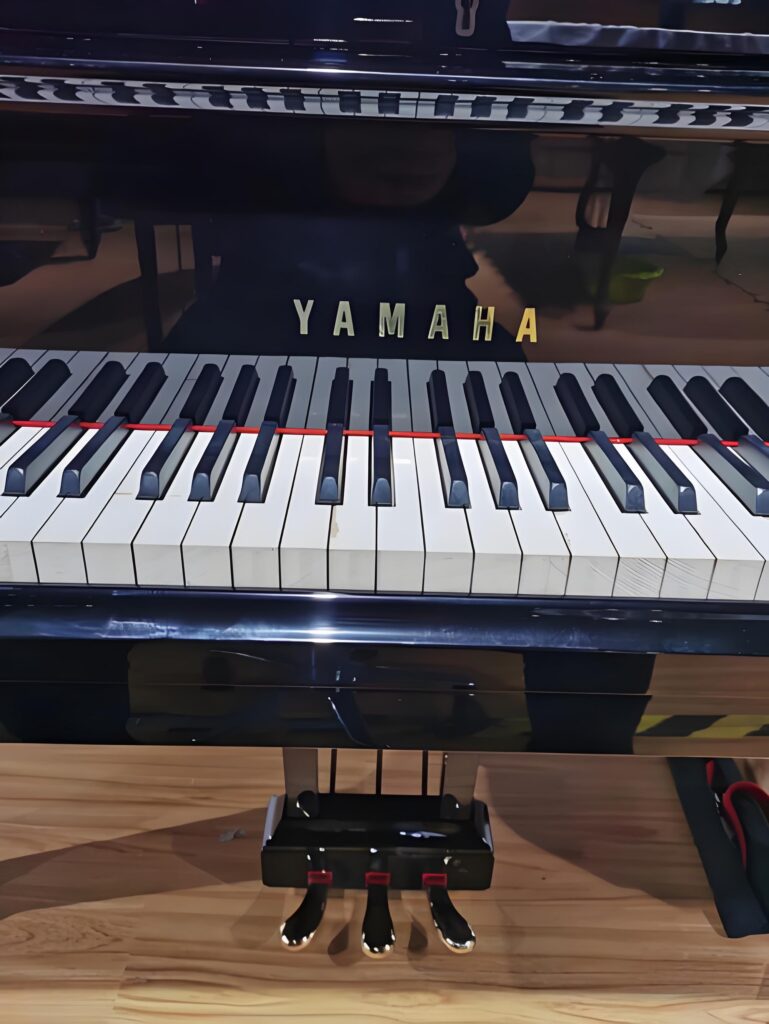
The cardinal rule: you must play the specific instrument you intend to buy. Listen with a trusted technician who can assess the piano’s condition and potential. When sourcing your instrument, purchasing from a major, reputable retailer like Thomann offers significant advantages, including Europe-wide delivery, a comprehensive 3-year warranty, and flexible financing options, all from a platform with access to a wide range of brands.
Aftercare is not an optional extra. Build a relationship with a qualified piano tuner-technician. A new or newly moved grand will require tuning 3-4 times in its first year as it settles; thereafter, at least twice-yearly tuning is standard, with regulation and voicing every few years to maintain optimal performance.
Frequently Asked Questions (FAQ)
What is the main difference between a Hamburg and a New York Steinway?
The differences stem from historical manufacturing philosophies. Hamburg Steinways are often described as having a clearer, more focused, and slightly brighter « European » tonal character, with a touch that can feel precise and articulate. New York Steinways are traditionally known for a warmer, more robust, and powerful bass with a richer harmonic spectrum, and an action that some describe as having a slightly heavier initial touch. In recent decades, the lines have blurred, and individual instrument preparation is now the most critical factor.
Is a used grand piano a wise investment?
It can be an excellent decision, offering access to higher-quality instruments at a lower cost. The key is condition, provenance, and preparation. A piano from a reputable brand, with verifiable history, purchased from a specialist dealer who has fully refurbished, regulated, and voiced it (like a certified pre-owned scheme) is far safer than a private sale of an « as-is » instrument. Brands like Steinway, Bösendorfer, and Bechstein have historically shown strong value retention.
How often does a grand piano need tuning and servicing?
In a stable UK home environment (consistent temperature and humidity), a grand piano should be tuned at least twice a year. A new piano or one in a fluctuating environment (e.g., with central heating) may need 3-4 tunings in its first year. Regulation (adjusting the mechanical action) should be performed every 2-5 years depending on use, and voicing (shaping the tone by needling the hammers) is done as needed to maintain the desired sound.
Can a grand piano be placed on any floor in a modern flat?
Not without consideration. A baby grand (c. 300kg) is usually fine, but a 180cm grand can weigh over 400kg, and a concert grand over 500kg. It is strongly advisable to consult a structural engineer or your building’s management before placing a large grand on an upper floor. The concentrated load, especially with a cast iron frame, is significant.
What are the ongoing costs of owning a grand piano?
Beyond the purchase price, budget for:
- Tuning: £80-£120 per session, typically twice yearly (£160-£240 p.a.).
- Regulation: A full regulation can cost £500-£1,500+ every few years.
- Voicing: Often done with tuning, but a full voicing may cost £200-£500.
- Potential Repairs: Things like broken strings, sticky keys, or damper issues may incur occasional costs of £100-£500.
- Climate Control: Investing in a dedicated piano humidifier/dehumidifier system (c. £200-£500) is highly recommended to protect your investment.
Real-world scenarios: practical use cases
In a city flat
- Size & Tone: A grand between 160-180cm is ideal. Look for an instrument with a warm, fundamental tone rather than an overly bright, projective one to avoid sounding harsh in a 40-60 m² room.
- Neighbour Considerations: Discuss practice times. A silent system (which uses headphones) is an invaluable feature, turning the acoustic piano into a digital one when required.
- Transport & Access: Measure doorways, stairwells, and lifts meticulously. Specialist piano movers are essential and will advise on feasibility.
- Climate: Flats with strong central heating are very dry. A piano humidity control system is non-negotiable to prevent cracking and tuning instability.
In a concert hall
- Projection & Power: The instrument must have the scale and design to project a clear, complex tone to the back of the hall without the bass becoming muddy or the treble shrill. This is the domain of pianos 211cm and longer.
- Endurance: The action must remain consistent and responsive throughout a demanding recital or concerto performance, with no degradation in repetition speed or dynamic control.
- Tuning Stability: It must hold its tuning perfectly under the bright lights and potential temperature changes of the stage environment.
- Versatility: The ideal concert hall piano has a wide, adjustable tonal palette to serve everything from Baroque to contemporary repertoire.
In a recording studio
- Behaviour Under Microphones: The instrument must sound balanced and detailed from the pianist’s perspective and through microphones. Some pianos that feel glorious to play can have problematic overtones or uneven registers when recorded.
- Sustain & Clarity: A clean, long sustain with a gradual decay is often prized, allowing engineers to shape the sound. Clarity in complex textures (e.g., dense chords in the bass) is critical.
- Tuning Stability: It must hold a perfect tuning for the duration of a session, which may involve many hours of playing and pauses.
- Dynamic Control: The ability to produce a true, clean pianissimo that still carries tone is as important as a powerful fortissimo.
In a conservatoire
- Intensive Daily Use: The piano must withstand 8-12 hours of playing per day, often by pianists with very powerful techniques. Extreme durability of the action, strings, and hammers is paramount.
- Consistency: While each piano has a personality, instruments within a practice room fleet should have a relatively consistent touch and tonal response to aid student development.
- Serviceability: The design should allow technicians to efficiently regulate, voice, and repair the instrument. Availability of spare parts is a key consideration.
- Versatility: As with concert halls, the piano must be a faithful tool for a vast range of styles and techniques taught in the curriculum.
Technical specifications
| Specification | Description |
| :— | :— |
| Typical Size Range | Baby Grand: 150-180cm / Living Room Grand: 180-210cm / Semi-Concert: 211-228cm / Concert Grand: 274cm+ |
| Weight Range | 300kg (baby grand) to 550kg+ (concert grand) |
| Action Type | Double escapement action; typically by Renner, or proprietary (e.g., Steinway, Yamaha, Kawai Millennium III) |
| Soundboard Timber | Premium, vertically grained spruce (often from Alpine regions or Val di Fiemme, Italy) |
| Number of Keys | 88 (standard); Bösendorfer Imperial models have 97 (8 extra bass keys) |
| Frame | Single-cast iron plate (sometimes with decorative gold plating) |
| Finishes Available | High-gloss polyester (ebony, white, mahogany, walnut), Satin polyester, Open-pore woods, Veneers, Custom polishes. |
Purchase guide
New price / Certified pre-owned price
- New: Prices start from around £10,000 for an entry-level baby grand (e.g., Yamaha GB1K) and can exceed £200,000 for a new concert grand from a legendary maker.
- Certified Pre-Owned: This market offers significant value. A meticulously refurbished Steinway Model M or L (180cm range) might be found for £40,000-£70,000, while a similar new instrument would be significantly more. Always ensure the certification includes full restoration, regulation, voicing, and a transferable warranty.
Where to buy
- Authorised Brand Dealers: Essential for new instruments and often for certified pre-owned programmes. They provide manufacturer warranties and technical expertise.
- Major Specialist Retailers: A retailer like Thomann is a compelling option, offering a vast selection of brands across all price tiers, with benefits such as free delivery across Europe, a comprehensive 3-year warranty, and transparent financing options. This allows for easy comparison and access.
- Specialist Piano Auctions: For rare, antique, or collector-grade instruments. Requires expert knowledge.
Annual maintenance cost
Budget approximately £300-£600 per year for a well-maintained grand piano in a home environment. This covers two tunings and a contribution towards future regulation/voicing work. Institutional or heavily used instruments will cost more.
What to check before buying
1. Condition of Soundboard: Look for visible cracks (especially long, separated cracks running with the grain), and tap it lightly—it should resonate, not sound dead.
2. Action Regulation: Play every key pianissimo and fortissimo, check for evenness, repetition speed, and that no keys stick or fail to sound.
3. Pin Block Condition: Ask a technician to check the tuning pin torque. Loose pins mean the piano will not hold tune and requires major (expensive) restoration.
4. String & Hammer Condition: Look for rust on strings and deep grooves in the hammer felts. Some wear is normal, but excessive grooving affects tone and requires hammer reshaping or replacement.
5. Case & Finish: Check for structural integrity and finish condition, but remember that cosmetic issues are less critical than mechanical and sonic ones.
Laisser un commentaire