
Choosing a grand piano is a significant investment. Our expert guide for the UK market compares Steinway, Bösendorfer, Yamaha, Kawai, and Bechstein. Learn about size, action, tone, and budgets from £10,000 to £200,000+.
Introduction: The Art of the Grand Piano
Selecting a grand piano is a profound journey that balances the science of acoustics with the art of touch, all framed by practical considerations of space and budget. There is no single « best » piano; rather, there is the best instrument for your specific needs, artistic sensibility, and the room it will call home. A grand piano is more than furniture; it is a centrepiece of craftsmanship, a repository of musical heritage, and a lifelong investment in artistry. This guide is designed to provide the discerning UK buyer—from the dedicated amateur to the institutional director—with a structured, objective framework for making this pivotal decision.
Chapter 1: Understanding the Grand Piano Market
The world of grand pianos is defined by distinct schools of craftsmanship, each with a unique philosophical approach to sound and construction.
The Hierarchy of Craftsmanship
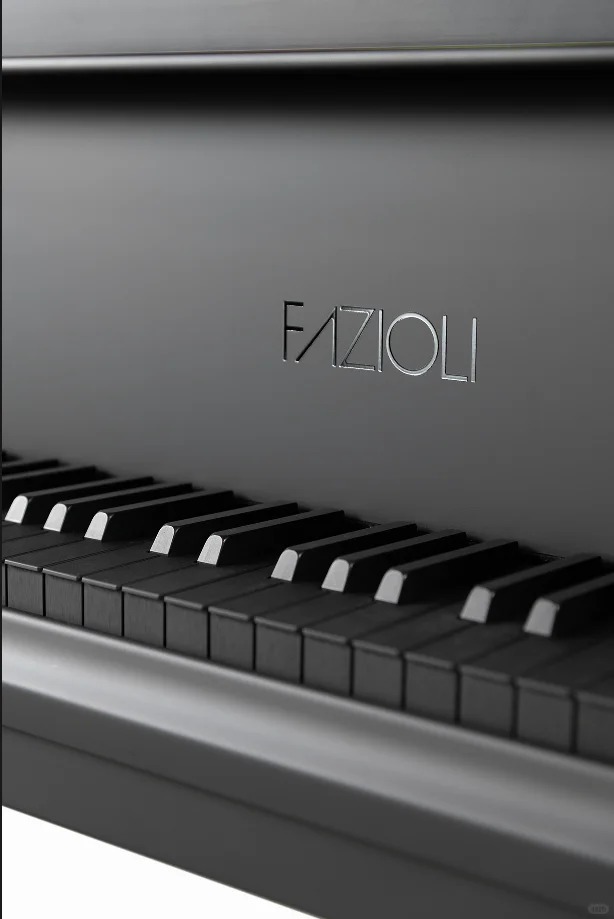
- The Legendary Houses: These are the names synonymous with the pinnacle of the art. Steinway & Sons (Hamburg and New York) sets the global standard for concert performance. Bösendorfer of Vienna offers a uniquely warm, lyrical, and orchestral tone. Fazioli from Italy represents modern perfection with breathtaking clarity and power.
- The German Heritage: Houses like C. Bechstein, Blüthner, Grotrian-Steinweg, Sauter, and Schimmel represent centuries of European tradition, prized for their complex, colour-rich tones and impeccable Renner actions.
- Asian Precision Engineering: Yamaha (CFX/S Series) and Shigeru Kawai have achieved world-class status through meticulous engineering, offering brilliant, consistent, and highly reliable instruments that excel in both concert and studio settings.
The UK Market Context
In the United Kingdom, buyers have access to both new instruments from authorised dealers and a robust market for certified pre-owned pianos. Specialist dealers are invaluable, offering expert advice, preparation, and aftercare. A personal listening trial is not a luxury but an absolute necessity; the character of each piano, even within the same model, is unique.
Chapter 2: Your Objective Selection Criteria
1. Size & Space (The Primary Constraint)
The length of a grand piano is the greatest determinant of its sound potential and spatial requirements.
- Baby Grands (160cm – 180cm): Ideal for the private drawing room, music room in a country house, or a city flat. They offer the grand piano form and action but with a more compact soundboard and string length.
- Medium Grands (180cm – 210cm): This is the sweet spot for most serious pianists. Models like the Steinway Model B (211cm) or Yamaha C3X (186cm) provide an ideal balance of tonal richness, projection, and domestic practicality.
- Concert Grands (210cm – 308cm): Instruments like the Steinway Model D (274cm) or Bösendorfer Imperial (290cm) are designed for large spaces—concert halls, conservatoire stages, and recording studios—where ultimate power, sustain, and dynamic range are required.
- Practical Advice: Measure your room carefully. A grand piano needs space to breathe acoustically. Consider flooring (a hard surface is better than deep carpet), and be mindful of neighbours; the profound bass of a grand piano carries.
2. Tonal Character & Signature
Each manufacturer has a distinct sonic fingerprint.
- American (Steinway New York): Powerful, direct, and projective with a clear, singing treble and a robust, foundational bass. Ideal for Romantic and modern repertoire.
- German (Hamburg Steinway, Bechstein): Often described as having more « colour » and complexity. The tone is rich, with a velvet-like depth and a slightly more rounded attack than its American counterpart.
- Viennese (Bösendorfer): Softer, warmer, and fundamentally lyrical. The bass retains remarkable clarity, and the overall character is singing and orchestral, perfect for the classical and Romantic periods.
- Japanese (Yamaha, Kawai): Brilliant, precise, and analytically clear. The tone is exceptionally consistent across the register, making these pianos favourites for recording and situations where absolute clarity is paramount.
3. The Action & Touch
The action is the mechanical heart that translates finger touch into hammer strike.
- The Heart of Response: Look for terms like Renner action (the gold standard for premium European actions), double escapement (allows for rapid note repetition), and meticulous regulation (the adjustment of thousands of parts for evenness). The action should offer effortless control from the faintest pianissimo to a thunderous fortissimo.
- Importance of Consistency: A well-regulated action feels predictable and responsive, allowing the pianist to forget the mechanism and focus purely on musical expression.
4. Budget & Value
- New vs. Certified Pre-Owned: A new piano from a premier maker is a significant investment. Certified pre-owned programmes, such as the Steinway & Sons Certified Pre-Owned programme, offer access to legendary instruments at a lower price point, backed by restoration and warranty.
- Total Cost of Ownership: Beyond the purchase price, factor in specialist delivery (often £500-£1,500), at least two tunings per year (£80-£120 each), and periodic voicing and regulation (£200-£600). Depreciation varies greatly; instruments from the legendary houses often hold their value exceptionally well.
- Financing Options: Purchasing channels have evolved. While a local specialist is crucial for trials, retailers like Thomann—Europe’s largest music retailer—offer an alternative route for certain brands, with benefits like free delivery across Europe and a comprehensive 3-year warranty, often with financing options.
Chapter 3: Recommendations by Pianist Profile & Budget
The Discerning Amateur / Advanced Student (£10,000 – £40,000)
- Focus: Reliability, a consistent and responsive touch, and a beautiful, inspiring tone for daily practice.
- Examples:
* Yamaha GB1K (151cm): A compact and reliable entry-point baby grand with a clear tone.
* Kawai GL-10 (153cm): Features Kawai’s reputable Millennium III action in a baby grand format.
* C. Bechstein Academy A 160 (160cm): Offers a true taste of German craftsmanship and tonal complexity at this price point.
The Music Academy or Serious Pianist (£40,000 – £80,000)
- Focus: Professional-grade action capable of withstanding hours of daily practice, a nuanced and colourful tonal palette for advanced repertoire, and exceptional durability.
- Examples:
* Steinway & Sons Model A (188cm, Hamburg): The quintessential « drawing room » Steinway, with the full Hamburg character and scale.
* Yamaha C3X (186cm): A benchmark for medium grands, known for its brilliant clarity, power, and unshakeable reliability.
* Bösendorfer 170 (170cm): A smaller grand that defies its size with a remarkably warm, singing Viennese tone.
* Shigeru Kawai SK-2 (180cm): A handcrafted instrument representing the pinnacle of Kawai, with a rich, complex voice.
The Concert Artist, Collector, or Institution (£80,000+)
- Focus: Ultimate tonal resources, immense projection, flawless action, and an instrument that is a legacy investment.
- Examples:
* Steinway & Sons Model D (274cm): The undisputed king of the concert hall, with unparalleled power and dynamic range.
* Bösendorfer 280VC (280cm) or Imperial 290 (290cm): The VC (Vienna Concert) series offers modern power with Viennese soul, while the legendary Imperial has nine extra bass notes for a uniquely orchestral depth.
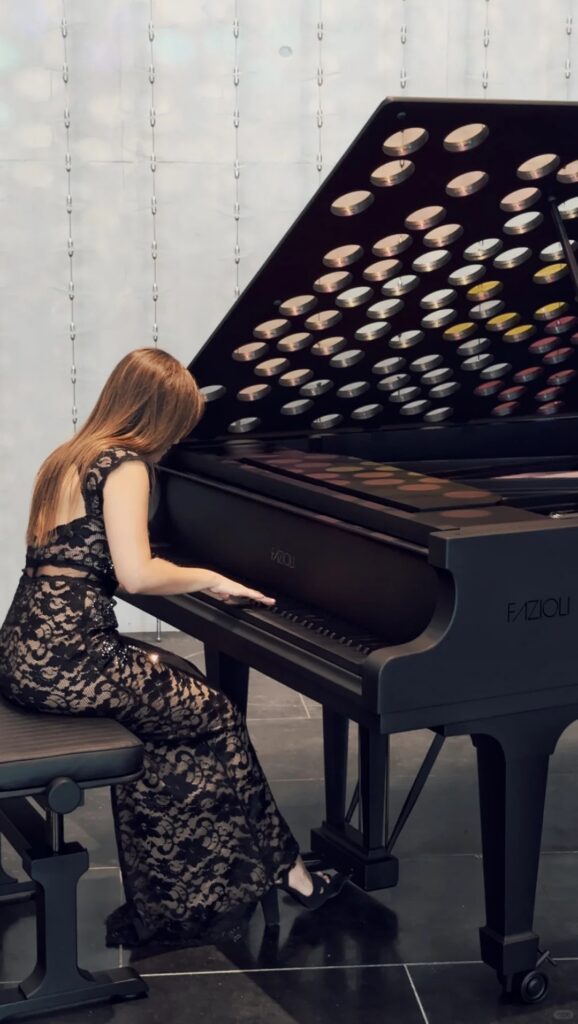
* Fazioli F278 (278cm): The epitome of modern Italian design and precision, with a crystalline treble, fast action, and breathtaking sustain.
* C. Bechstein Concert 8 (208cm): A formidable German concert grand, known for its powerful, colourful, and deeply resonant voice.
Chapter 4: The Purchasing Process
1. Define Your Needs: Use the criteria in Chapter 2 to establish your non-negotiables for size, tone, and budget.
2. Research & Shortlist: Identify 3-5 models from different manufacturers that fit your profile.
3. The Essential Listening Trial: Play the same piece of music on each shortlisted piano. Listen for tonal balance, dynamic response, and the « feel » of the action. Trust your emotional connection to the instrument.
4. Technical Inspection & Provenance: For new pianos, ensure it’s from an authorised dealer. For used instruments, insist on an independent technician’s report checking the soundboard, pin block, bridges, and action wear.
5. Negotiation, Delivery, and Aftercare: Agree on a final price including delivery and first tuning. Ensure you understand the warranty terms and have a recommended technician for ongoing maintenance.
Frequently Asked Questions (FAQ)
What is the main difference between a Hamburg and a New York Steinway?
While sharing the Steinway design philosophy, they have distinct characters. Hamburg Steinways are often described as having a more refined, complex, and colour-rich tone with a slightly lighter touch. New York Steinways are known for a more direct, powerful, and projective sound with a robust bass. The choice is subjective and rooted in personal tonal preference.
Is a used grand piano a wise investment?
It can be, provided it is thoroughly vetted. A well-maintained piano from a top-tier manufacturer (Steinway, Bösendorfer, Bechstein) often holds its value superbly. The smartest buys are often « certified pre-owned » instruments from the manufacturer or reputable dealers, which come with restoration and warranty. Always invest in an independent technical inspection before purchase.
How often does a grand piano need servicing, and what does it cost?
A grand piano should be tuned at least twice a year, with costs ranging from £80 to £120 per tuning in the UK. Every 3-5 years, it will benefit from regulation (adjusting the mechanical action) and voicing (adjusting the tone by needling the hammers), which can cost between £200 and £600 for each service. Neglecting this leads to a decline in performance.
Can a grand piano be placed in a modern home with underfloor heating?
This is a significant challenge. Grand pianos are made of wood and are highly sensitive to humidity and temperature fluctuations caused by underfloor heating, which can lead to cracking, tuning instability, and action problems. The piano must be placed as far from the heat source as possible, and a high-quality piano humidity control system (a built-in humidifier/dehumidifier) is an essential, non-negotiable investment.
Why are some grand pianos significantly more expensive than others of the same size?
The price reflects materials, labour, and heritage. A £150,000 piano uses aged, quarter-sawn spruce for the soundboard, a single-cast iron frame, premium hardwoods for the rim, and a hand-crafted action with parts fitted and regulated by master technicians over hundreds of hours. A £20,000 piano may use more efficient manufacturing techniques, composite materials, and less time-intensive labour, resulting in a fine instrument but with different tonal and tactile resources.
Real-world scenarios: practical use cases
In a city flat
- Size & Tone: Opt for a baby grand (160-180cm). A Bösendorfer 170 or C. Bechstein A160 offers a warm, complex tone that won’t overwhelm a 40–60 m² space.
- Neighbour Considerations: Felt practice mute systems are available, but discuss placement with neighbours. Avoid placing the piano on a shared wall.
- Transport: Ensure your building has suitable access; a professional piano mover is essential.
- Silent System: A built-in silent system (like a Yamaha Silent Piano variant) can be a worthwhile investment for late-night practice, allowing you to play with headphones.
In a concert hall
- Projection: A concert grand (210cm+) is mandatory. The Steinway Model D or Fazioli F278 are engineered to project a clear, detailed sound to the very back of a large auditorium.
- Power & Dynamic Range: The instrument must have immense power in reserve (fortissimo) while retaining crystal clarity and control at the softest levels (pianissimo).
- Endurance: The action must be perfectly regulated to perform flawlessly under the physical demands of a full recital programme, from delicate Mozart to thunderous Prokofiev.
In a recording studio
- Behaviour Under Microphones: The piano must have exceptional clarity and evenness across all registers. Yamaha CFX and Fazioli pianos are studio favourites for their precise, clean, and articulate sound that microphones capture beautifully.
- Sustain: A long, pure, and controllable sustain is critical for creating lush soundscapes and for note clarity in complex chords.
- Tuning Stability: The piano must hold its tuning perfectly over long sessions, requiring a robust pin block and a stable environment.
In a conservatoire
- Intensive Daily Use: The action must be incredibly durable and maintain its regulation despite 8-12 hours of daily use by different pianists. Yamaha C3X/C6X and Kawai GX series are renowned for this resilience.
- Versatility: The piano must be a chameleon, capable of serving the needs of a Baroque specialist, a Romantic virtuoso, and a contemporary music student with equal competence.
- Serviceability: The design should allow technicians easy access for frequent maintenance and regulation to keep a large fleet of instruments in peak condition.
Technical specifications
| Specification | Description |
| :— | :— |
| Typical Size Range | Baby Grand: 150cm – 180cm / Medium Grand: 180cm – 210cm / Concert Grand: 210cm – 308cm |
| Weight Range | 250kg (baby grand) to 550kg (concert grand) |
| Action Type | Double escapement, wooden or composite parts (e.g., Renner, Kawai Millennium III) |
| Soundboard Timber | Solid, quarter-sawn Sitka or European spruce (premium), or laminated spruce (entry-level) |
| Number of Keys | 88 standard (Bösendorfer Imperial 290 has 97) |
| Finishes Available | Polished ebony (most common), polished mahogany/walnut, satin finishes, custom veneers. |
Purchase guide
- New Price / Certified Pre-Owned Price:
* New: Entry-level baby grands (Yamaha, Kawai) start from £15,000-£25,000. Premium European grands (Bechstein, mid-range Steinway) begin around £60,000-£90,000. Top-tier concert grands exceed £120,000, often reaching £200,000+.
* Certified Pre-Owned: Offers significant savings. A 10-20 year old Steinway Model B might be £60,000-£80,000 versus £100,000+ new.
- Where to Buy:
* Authorised Dealers: Essential for brands like Steinway, Bösendorfer, Fazioli for warranty and provenance. They offer expert advice, preparation, and aftercare.
* Major Retailers: For brands like Yamaha, Kawai, and Schimmel, retailers like Thomann provide a viable option with competitive pricing, free European delivery, and a 3-year warranty. Always complement this with a local trial if possible.
* Specialist Auctions & Dealers: The best source for vintage and restored instruments, but expert guidance is crucial.
- Annual Maintenance Cost: Budget approximately £250-£400 per year for two tunings and a basic check-up. Set aside a further £500-£1,000 every 3-5 years for regulation and voicing.
- What to Check Before Buying:
* Soundboard: Look for cracks (small crown cracks can be normal, long radiating cracks are problematic). Tap it; it should resonate.
* Action Regulation: Play every key softly and loudly. Check for evenness of touch and sound. Test repetition speed.
* Pin Block Condition: The tuning pins should be tight. Ask a technician to check torque if possible. A loose pin block is a major repair.
* Strings & Hammers: Look for rust on strings and deep grooves on hammers. Some wear is expected on used pianos.
* Case & Finish: Check for structural integrity and finish condition, but remember this is largely cosmetic.
Related Articles
This page contains affiliate links. If you buy through them, we may earn a commission at no extra cost to you.
🎹 Essential accessories for pianists
This page contains affiliate links. If you buy through them, we may earn a commission at no extra cost to you.
- Thermo-hygrometer (humidity): TFA Digital Thermo-Hygrometer
- Caster cup (sold singly): Jahn IsoFloor
- Felt key cover: Jahn Keyboard Dust Cover
- Adjustable piano bench: Thomann KB-15BM