
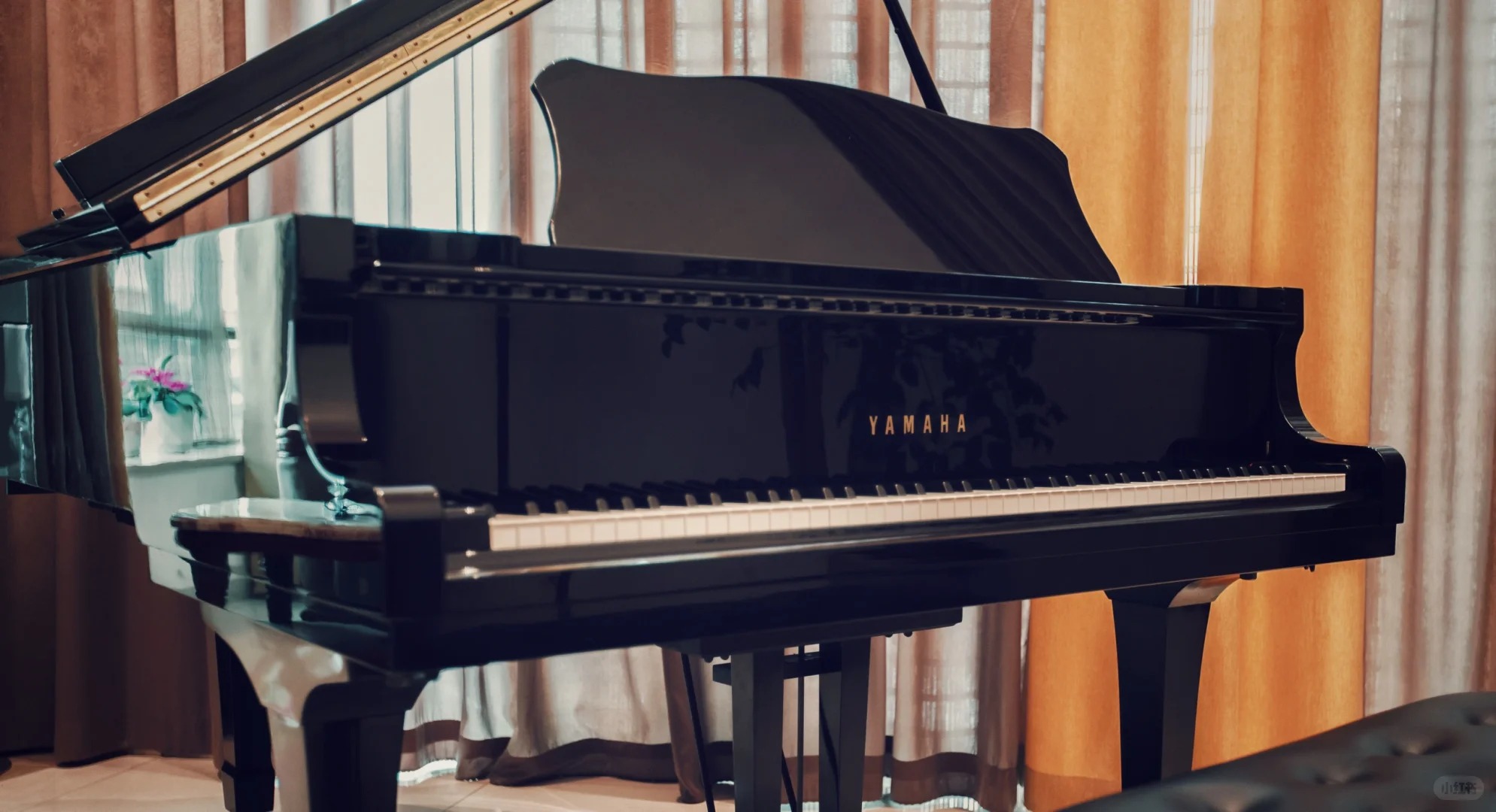
Choosing a grand piano is one of the most profound and personal investments a musician can make. It is not merely a piece of furniture, but a living, breathing instrument that becomes a partner in your musical journey. For the discerning pianist in the UK, navigating the world of premier piano houses—from the legendary ateliers of Hamburg and Vienna to the precision workshops of Japan—requires both technical knowledge and an understanding of your own artistic voice. This guide is designed to be your expert companion, demystifying the selection process and helping you find the instrument that resonates with your aspirations, space, and budget.
Introduction: The Art of Choosing a Grand Piano
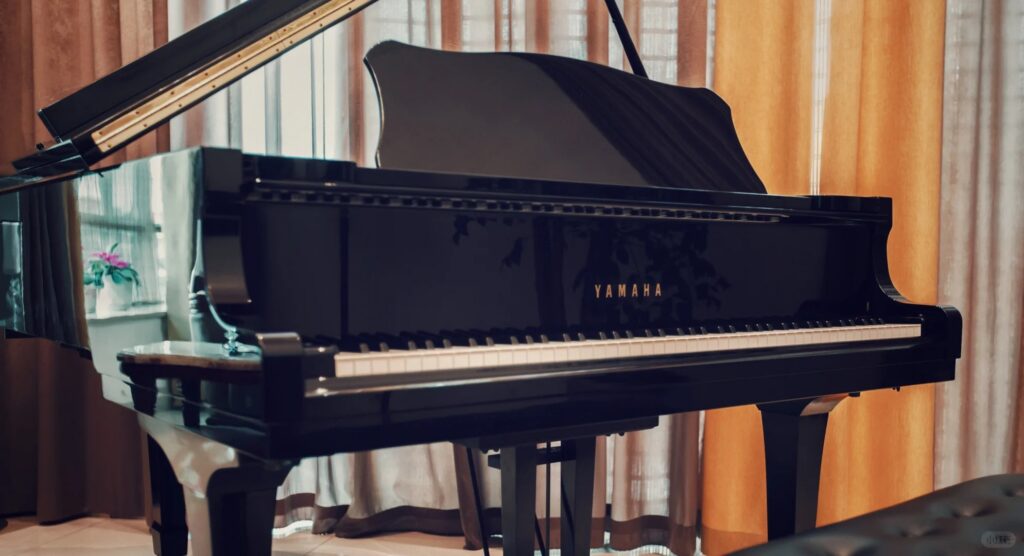
Brief Answer: There is no single « best » grand piano. The perfect instrument is the one that achieves an exquisite balance between its inherent tonal character, the responsiveness of its action, the acoustics of your room, and your personal budget. The journey is as much about self-discovery as it is about craftsmanship.
The Grand Piano as a Lifetime Investment
A grand piano is a unique confluence of art, engineering, and heritage. Unlike most possessions, a well-crafted grand does not depreciate in spirit; its voice matures, and its value often endures. For the UK enthusiast, this purchase represents a commitment to a lifetime of musical exploration. It is the centrepiece of a home, the tool of a professional, and a legacy item that can be passed through generations. The process, therefore, demands careful consideration, patience, and, above all, the irreplaceable experience of playing many instruments to find your piano.
Chapter 1: Understanding the Grand Piano Market & Legendary Brands
The Hierarchy of Craftsmanship
The grand piano market is tiered, reflecting centuries of tradition, innovation, and artistic philosophy. Understanding this landscape is the first step in refining your search.
The Legendary Manufacturers
These are the names that grace the world’s great concert stages and set the standard for piano making.
- Steinway & Sons: The ubiquitous benchmark. Hamburg Steinways (typically found in the UK and Europe) are often described as having a clearer, more focused tone with a slightly lighter touch. New York Steinways offer a warmer, more robust colour with a deeper bass. The Model B (6’10.5” or 211 cm) is considered the quintessential artist’s home piano, while the Model D (8’11.75” or 274 cm) is the undisputed king of the concert hall.
- Bösendorfer: The Viennese aristocrat. Renowned for a uniquely singing, complex, and velvety tone, with a resonant bass that never becomes harsh. Their iconic Imperial 290 (9’6” or 290 cm) features nine extra bass keys. Bösendorfer pianos offer a touch that is deeply responsive, favouring lyrical phrasing and nuanced colour.
- Fazioli: The Italian precision instrument. Hailing from Sacile, Fazioli pianos are celebrated for their explosive dynamic range, crystalline, bell-like treble, and breathtaking clarity across all registers. They offer a remarkably fast and precise action, favoured by pianists seeking ultimate control and transparency of sound.
The Great German Heritage Houses
Germany’s piano-building tradition is rich and varied, offering distinct alternatives.
- C. Bechstein (Berlin): A piano of powerful, singing tone and robust construction. Bechstein’s concert grands are known for their carrying power and rich harmonic development, with a touch that is substantial yet fluid.
- Blüthner (Leipzig): Famous for its patented Aliquot stringing in the treble, which adds a unique, ethereal shimmer and resonance. The Blüthner tone is poetic, warm, and fundamentally romantic.
- Grotrian-Steinweg, Sauter, August Förster: Each of these houses guards its own secrets in scale design and rim construction, producing instruments with exceptional individuality, from Grotrian’s « bell-like » sonority to Sauter’s exquisite craftsmanship.
Asian Precision & Excellence
Post-war innovation led to a new standard of consistency and technological advancement.
- Yamaha CFX & S Series: The Yamaha CFX concert grand is a modern powerhouse, with a brilliant, clear, and highly projective tone that excels in large halls and contemporary repertoire. The Yamaha S Series (e.g., S3X, S6X) brings this concert-hall philosophy into a domestic scale.
- Shigeru Kawai: The hand-built pinnacle of the Kawai brand. Each Shigeru is personally inspected and voiced by Master Piano Artisans. They are known for a warm, colourful, and deeply expressive tone that rivals the best European instruments, coupled with Kawai’s advanced Millennium III action with carbon fibre components.
The Certified Pre-Owned Market
For many, the most compelling value lies in a previously owned instrument from a premier maker. Official programmes, such as Steinway & Sons Certified Pre-Owned, offer instruments that have been meticulously refurbished to exacting standards by the manufacturer’s technicians, complete with a new warranty. This route can provide access to a tier of piano that might otherwise be beyond reach.
Chapter 2: Your Objective Selection Criteria
Size & Space: The Foundation of Sound
The length of a grand piano is the primary determinant of its bass response, tonal complexity, and volume. Always measure your room carefully, allowing at least 1 metre of space around the piano for sound to bloom and for access.
- Baby Grand (5’ – 5’5” / 152 – 168 cm): Suitable for smaller living rooms or flats where space is at a premium. Tonal compromise is most noticeable here, with a shorter bass scale.
- Living Room Grand (5’7” – 6’5” / 170 – 196 cm): The most popular category for dedicated homes. Instruments like the Steinway Model A or Yamaha C3X offer an excellent balance of musicality and domestic practicality.
- Professional/Artist Grand (6’7” – 7’7” / 200 – 231 cm): Including the legendary Steinway Model B. This size delivers a fully developed scale with a powerful, singing bass and is the choice of serious pianists and institutions.
- Concert Grand (9’ and above / 274 cm+): Designed to fill large auditoriums. Their scale allows for unparalleled power, sustain, and tonal colour, but they require a substantial, acoustically treated space.
Tonal Signature & Character: Finding Your Voice
A piano’s « voice » is shaped by its scale design, hammer density, and soundboard construction.
- American (Steinway – New York): Characterised by projective power, a robust bass, and a colourful, sometimes « rustic » warmth. Ideal for Romantic and 20th-century repertoire.
- German/Austrian (Bösendorfer, Bechstein, Blüthner): Prioritises depth, harmonic complexity, and a velvet-like warmth. The tone sings with a fundamental richness, perfect for the Classical and Romantic canons.
- Japanese (Yamaha, Kawai): Known for analytical precision, consistency, and a clear, bright attack. The sound is often described as « clean » and « controllable, » excelling in modern and percussive works.
- Italian (Fazioli): Offers crystalline treble clarity, an explosive dynamic range from pppp to ffff, and a laser-like precision across the keyboard. A favourite for solo and contemporary chamber music.
The Action & Touch: The Interface of Expression
The action is the mechanical heart of the piano. Key terms include:
- Renner Actions: The gold-standard German action found in most European premium pianos, known for its nuanced responsiveness and double escapement for rapid repetition.
- Touch Weight: The measured grams of force required to depress a key. More important is the balance and progression of weight across the keyboard, and the pianist’s subjective feel of connection to the hammer.
- Responsiveness: How instantly and faithfully the key motion translates into sound. A great action feels like an extension of the pianist’s fingers, allowing for effortless control of articulation and dynamics.
Budget & Value: A Realistic Spectrum
Be transparent with yourself about your total budget, including delivery, a quality bench, and the first year’s maintenance.
- Entry-Level New / Quality Pre-owned (£10,000 – £40,000): Encompasses smaller new models from Yamaha, Kawai, and Boston, or well-maintained pre-owned instruments from the same families.
- Mid-Range & Professional (£40,000 – £100,000): The core market for new premium Japanese models (Yamaha CX, Kawai GX), European heritage brands (Schimmel Konzert), and a wide selection of exemplary pre-owned Steinways, Bösendorfers, and Bechsteins.
- Investment-Grade & Concert Instruments (£100,000+): The realm of new instruments from the legendary and great European houses, as well as pristine concert grands from any era.
Chapter 3: Grand Pianos for Every Profile & Scenario
The Discerning Amateur & Home Enthusiast
Your priority is an instrument that inspires daily practice and brings joy for decades. Focus on tonal beauty, a rewarding touch, and a size that suits your room. A Living Room Grand from a quality maker will provide endless musical satisfaction. Consistency and durability are key.
The Music Student & Conservatoire Applicant
You need an instrument that will support, not hinder, technical development. The action must be even and responsive enough for advanced repertoire. A robust, reliable piano with professional-standard regulation—such as a Yamaha C3X or a Kawai GX-2—is essential. It is a tool for growth.
The Professional Pianist & Recording Artist
Your piano is your voice. It must have a distinct, personal character, impeccable consistency, and the ability to project its personality in a hall or under microphones. You will be searching for a specific individual instrument, often a Professional Grand like a Steinway B, Bösendorfer 200, or Fazioli F212, whose unique qualities align with your artistic vision.
The Institution & Concert Hall
Durability, serviceability, and the ability to fill a large acoustic space with clear, balanced sound are paramount. Instruments must withstand hours of daily use by different pianists. This is the domain of the Concert Grand, with manufacturers offering specific institutional specifications and long-term service contracts.
Chapter 4: Recommendation Grid: Grand Pianos by Budget
Budget: £10,000 – £30,000
This range is the gateway to grand ownership, focusing on intelligent compromises. A new Yamaha GB1K (5’ / 151 cm) baby grand offers reliability and a recognisable tone in a compact form. The Kawai GL-10 (5’ / 153 cm) presents a slightly warmer alternative. The most compelling value, however, often lies in a carefully vetted, pre-owned instrument from the previous generation: a well-maintained Yamaha C3 (6’ / 183 cm) or Kawai RX-2 (5’10” / 178 cm) from a reputable dealer can provide a significantly more mature musical experience than a new baby grand.
Budget: £30,000 – £70,000
Here lies the heart of the serious home and institutional market. You are investing in instruments built to professional standards. The Yamaha C3X (6’1” / 186 cm) sets a global benchmark for clarity and consistency. Its natural rival, the Kawai GX-2 (5’11” / 180 cm), counters with a warmer, more rounded tonal character. The German-made Schimmel Konzert C 169 (5’7” / 169 cm) offers a distinctly European voice of great refinement. The Boston GP-178 (5’10” / 178 cm), designed by Steinway & Sons and built by Kawai, provides a taste of the Steinway scale design philosophy at this price point.
Budget: £70,000 – £150,000
This tier opens the door to the world’s premium heritage brands and the finest Japanese craftsmanship. The C. Bechstein Academy A 192 (6’4” / 192 cm) is a piano of commanding presence and singing tone. The Bösendorfer 170 (5’7” / 170 cm) delivers the legendary Viennese warmth in a surprisingly compact case. The Shigeru Kawai SK-3 (6’ / 183 cm) represents the zenith of hand-crafted Japanese piano making. This budget also allows for a superb Steinway & Sons Model A (6’2” / 188 cm) from the certified pre-owned programme, a truly timeless investment.
Budget: £150,000+
You are acquiring a legacy instrument at the pinnacle of the craft. A new Steinway & Sons Model B (6’10.5” / 211 cm) is the undisputed gold standard for the artist’s home. The Bösendorfer 225 (7’4” / 225 cm) offers a majestic, orchestral palette. The Fazioli F183 (6’ / 183 cm) provides breathtaking clarity and dynamic explosiveness. At this level, the choice is purely one of personal artistic affinity with the individual instrument’s soul.
Chapter 5: The Purchase & Ownership Journey

Trying and Selecting: The Imperative of Play
Never buy a grand piano unheard. Play as many instruments as possible, even those beyond your budget, to educate your ear and touch. Play the same piece of music on each to compare. Visit reputable dealers in the UK and take your time.
Understanding the Quote
A formal quote should detail the piano model and serial number, include a quality artist’s bench (not a basic stool), professional delivery and placement in your home, and at least one initial tuning after the piano has acclimatised to its new environment.
The Retailer Consideration
Purchasing from an authorised dealer ensures manufacturer warranty, proper preparation, and aftercare support. For those who have done extensive research and know precisely which model they seek, Thomann, as Europe’s largest music retailer, offers a compelling alternative with a broad selection of new grands from brands like Yamaha and Kawai, complete with secure UK delivery, a 3-year warranty, and transparent financing options.
Aftercare: Protecting Your Investment
A grand piano is a mechanical device under immense tension, sensitive to humidity and use. An annual service by a qualified Concert Technician is non-negotiable. This includes tuning, regulation (adjusting the mechanical action), and voicing (shaping the hammers to refine the tone). Budget approximately £150-£300 per service, depending on location and the technician’s expertise.
Frequently Asked Questions (FAQ)
What is the main difference between a Hamburg and a New York Steinway?
The differences are subtle but discernible to a trained ear and touch. Hamburg Steinways, typically found in the UK, are often described as having a clearer, more focused, and slightly brighter tone with a lighter, quicker action. New York Steinways tend to have a warmer, darker, and more robust tonal colour with a heavier, deeper touch. Both are exceptional; the preference is highly personal and repertoire-specific.
Is a baby grand (under 5’5″) a « real » grand piano, or should I buy an upright?
A baby grand is a real grand piano in its horizontal action and stringing. However, due to its shorter strings and soundboard area, it makes significant acoustic compromises, particularly in bass power and tonal complexity. A high-quality upright piano over 48 inches (122 cm) tall, such as a Yamaha YUS5 or Kawai K-800, will often deliver a more satisfying and musically complete sound than a baby grand under 5’5”. Choose a baby grand primarily for its aesthetic and the feel of a grand action, not superior sound.
How much space do I realistically need for a 6-foot grand piano?
A 6-foot (183 cm) grand piano requires a room of at least 4.5 x 6 metres (15 x 20 feet) to allow the sound to develop properly without becoming overwhelming. You must account for the piano’s length, plus the space needed to fully open the lid (about 1.5 metres), and space for the bench and circulation. Always consult with a dealer or acoustician.
What are the ongoing annual maintenance costs for a grand piano in the UK?
Budget between £150 and £300 for an annual service from a qualified technician. This typically includes tuning, a basic check of regulation, and minor adjustments. A full regulation or voicing session every 3-5 years may cost an additional £300-£600. Costs are higher in London and the South East. Stable humidity (40-60% RH) via a dedicated piano humidifier system is highly recommended to reduce maintenance needs and protect your investment.
Is a certified pre-owned Steinway from their official programme a better investment than a new piano from another premium brand?
This depends on your goals. A Steinway & Sons Certified Pre-Owned piano comes with a factory-backed warranty and restoration, offering the Steinway tone, touch, and residual value at a lower entry point. It is an excellent investment in the Steinway legacy. A new piano from a premium brand like C. Bechstein, Bösendorfer, or Shigeru Kawai offers the latest specifications, a full manufacturer warranty, and the joy of a brand-new instrument with its own unique heritage. The « better » choice is the instrument that speaks to you most powerfully.
Real-world scenarios: practical use cases
In a city flat
- Size & Tone: Prioritise a compact grand (5’5” – 5’11”) or a premium upright. The room’s 40–60 m² volume will be quickly filled; a overly large piano will sound boomy and loud.
- Neighbour Considerations: A silent system (acoustic play with headphones) is a highly recommended addition for unrestricted practice times.
- Transport Logistics: Ensure building access, stairwell dimensions, and elevator size can accommodate the piano’s crate. Professional movers are essential.
- Climate Control: Flats can have dry, central-heated air. A piano humidity control system is crucial to protect the soundboard and tuning stability.
In a concert hall
- Projection & Power: The instrument must have the scale (ideally 9’/274 cm+) and power to project a clear, balanced tone to the back row without the pianist over-playing.
- Tonal Evenness: Every note, from the lowest bass to the highest treble, must speak with equal clarity and colour to do justice to the full repertoire.
- Action Endurance: The mechanism must remain perfectly regulated and responsive throughout a demanding two-hour recital, allowing for flawless repetition and dynamic control.
- Serviceability: Hall pianos require frequent, expert maintenance. A reliable, local concert technician and a strong relationship with the manufacturer/dealer are vital.
In a recording studio
- Behaviour Under Microphones: The piano must have a clean, detailed tone without unpleasant harmonics or excessive mechanical noise. A smooth dynamic scale is essential.
- Sustain & Tonal Bloom: The sound should decay musically and evenly, allowing engineers to capture the natural resonance of the instrument.
- Tuning Stability: It must hold a perfect tuning across multiple takes and sessions, often under bright studio lights. A rock-solid pin block and stable environment are non-negotiable.
- Versatility: The piano should be capable of producing a wide palette of colours to suit different genres, from classical to jazz and film scoring.
In a conservatoire
- Intensive Daily Use: The piano must withstand 8-12 hours of playing per day by students of varying technique. Extreme durability of the action, keys, and finish is required.
- Consistency Across Practice Rooms: A fleet of pianos (often of the same model, like the Yamaha C3X or Steinway Model B) must offer a relatively uniform touch and tone to provide a reliable baseline for student development.
- Ease of Maintenance: The design should allow technicians to efficiently regulate, voice, and tune on a tight schedule. Availability of spare parts is critical.
- Versatile Tone: It should be equally suited to Baroque counterpoint, Romantic virtuosity, and contemporary techniques, serving a diverse curriculum.
Technical specifications
| Specification | Typical Value Range & Details |
| :— | :— |
| Length | 5’0” to 9’6” (152 cm to 290 cm). The primary factor determining bass scale and overall power. |
| Width | Approximately 59” (150 cm) at the keyboard end for all grand pianos. |
| Height (lid closed) | Varies by model, typically 39” – 42” (99 – 107 cm) to the top of the lid. |
| Weight | 250 kg (baby grand) to 550 kg (concert grand). Requires professional moving. |
| Action Type | Double escapement grand action. Components by Renner (Europe), or proprietary actions by Steinway, Yamaha (NWX), Kawai (Millennium III). |
| Soundboard Timber | Solid, quarter-sawn Sitka spruce or European spruce. The heart of the piano’s resonance. |
| Number of Keys | 88 standard (A0 to C8). Bösendorfer Imperial models have 97 keys (C0 to C8). |
| Finishes Available | High-gloss polyester (black, white, ebony), satin polyester, and premium natural wood veneers (mahogany, walnut, macassar ebony). |
Purchase guide
New price / Certified pre-owned price
- New: Prices start from around £12,000 for an entry-level baby grand (Yamaha GB1K) and can exceed £200,000 for a new Steinway Model D or Fazioli F308.
- Certified Pre-Owned: A Steinway & Sons Certified Pre-Owned Model M or O typically ranges from £45,000 to £70,000. A Certified Pre-Owned Model B may range from £80,000 to £120,000, depending on age and condition.
Where to buy
- Authorised Brand Dealers: The traditional route for expert advice, preparation, and long-term aftercare support. Essential for trying multiple instruments.
- Specialist Piano Retailers: Often carry a curated selection of both new and pre-owned instruments from various premium brands.
- Thomann: As Europe’s largest music retailer, Thomann offers a direct-buy option for those who have definitively chosen a specific new model from brands like Yamaha or Kawai. They provide free delivery across Europe, a 3-year warranty, and financing plans, representing a convenient and secure purchasing channel.
Annual maintenance cost
Budget £150 – £300 for a standard annual tuning and check-up by a qualified technician. Additional work for regulation or voicing will incur extra costs. Investing in a room humidifier system (£200-£600) can significantly reduce long-term maintenance issues and costs.
What to check before buying
1. Condition of Soundboard: Look for visible cracks (small crown cracks can be normal), but listen for a dead, non-resonant tone which indicates serious issues.
2. Action Regulation: Play pianissimo repetitions, check for evenness of touch across all keys, and ensure the let-off and drop are consistent. Keys should not wobble.
3. Pin Block Condition: The tuning pins should be tight. Ask a technician to check the tuning stability and torque of the pins. A loose pin block is a major repair.
4. String & Hammer Condition: Strings should be bright, not rusted. Hammers should show even grooves from playing, not deep cuts or excessive hardening.
5. Case & Finish: Inspect for significant damage or poor repairs. Minor cosmetic wear is expected on a pre-owned instrument.
Related Articles
This page contains affiliate links. If you buy through them, we may earn a commission at no extra cost to you.
🎹 Essential accessories for pianists
This page contains affiliate links. If you buy through them, we may earn a commission at no extra cost to you.
- Thermo-hygrometer (humidity): TFA Digital Thermo-Hygrometer
- Caster cup (sold singly): Jahn IsoFloor
- Felt key cover: Jahn Keyboard Dust Cover
- Adjustable piano bench: Thomann KB-15BM
2 thoughts on “Grand Pianos for Sale: Our Verdict on UK Retailers & Dealers”
Comments are closed.