
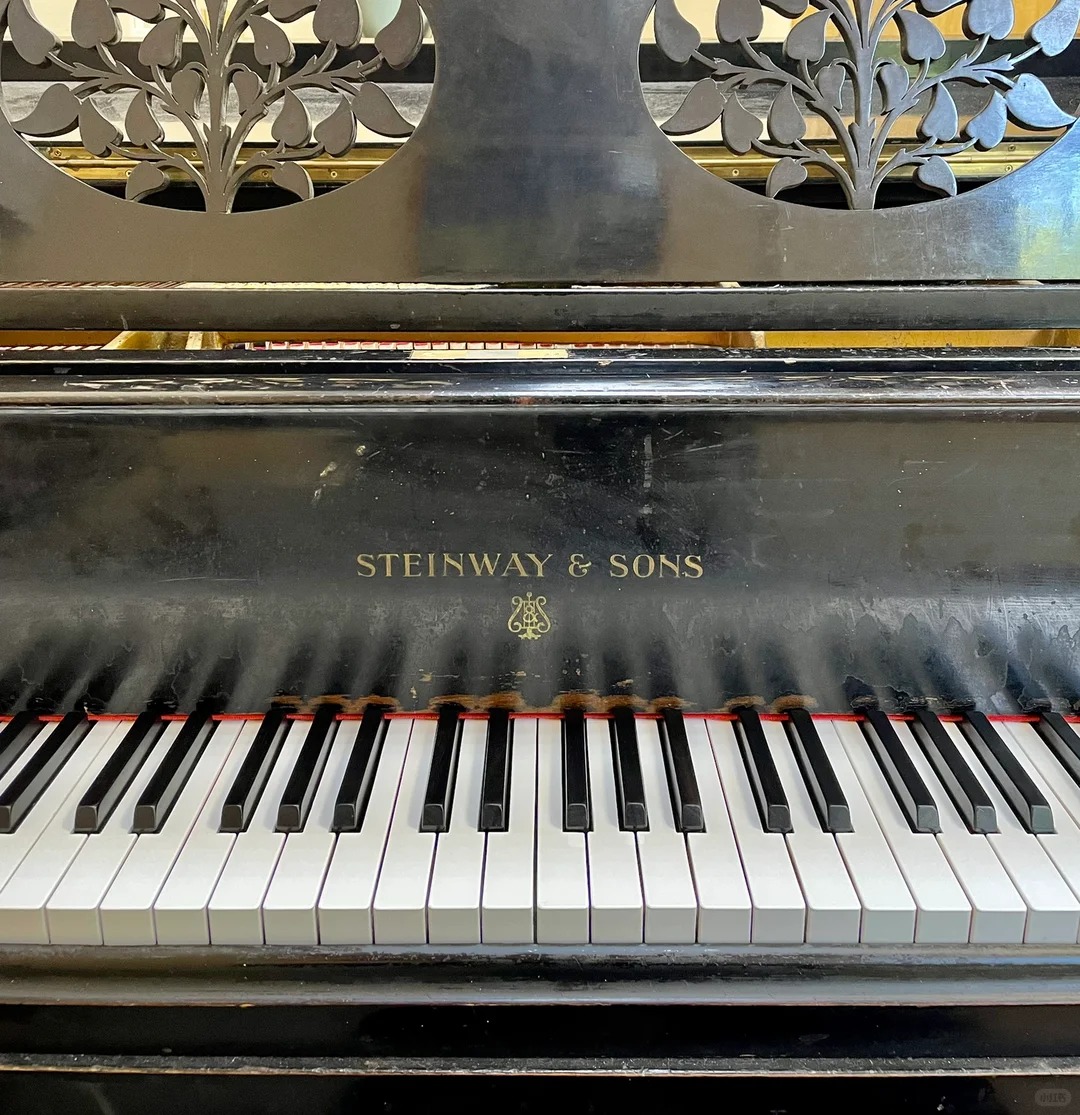
Choosing a grand piano is a deeply personal investment in artistry, a commitment that bridges the gap between furniture and a living, breathing musical entity. The search for the “best” instrument is a nuanced journey, where the final decision harmonises your available space, technical demands, tonal preference, and budget. This guide serves as your impartial consultant, demystifying the market from globally respected mass producers to legendary ateliers where instruments are still voiced by ear and hand.
The Grand Piano Market – A Landscape of Legends & Precision
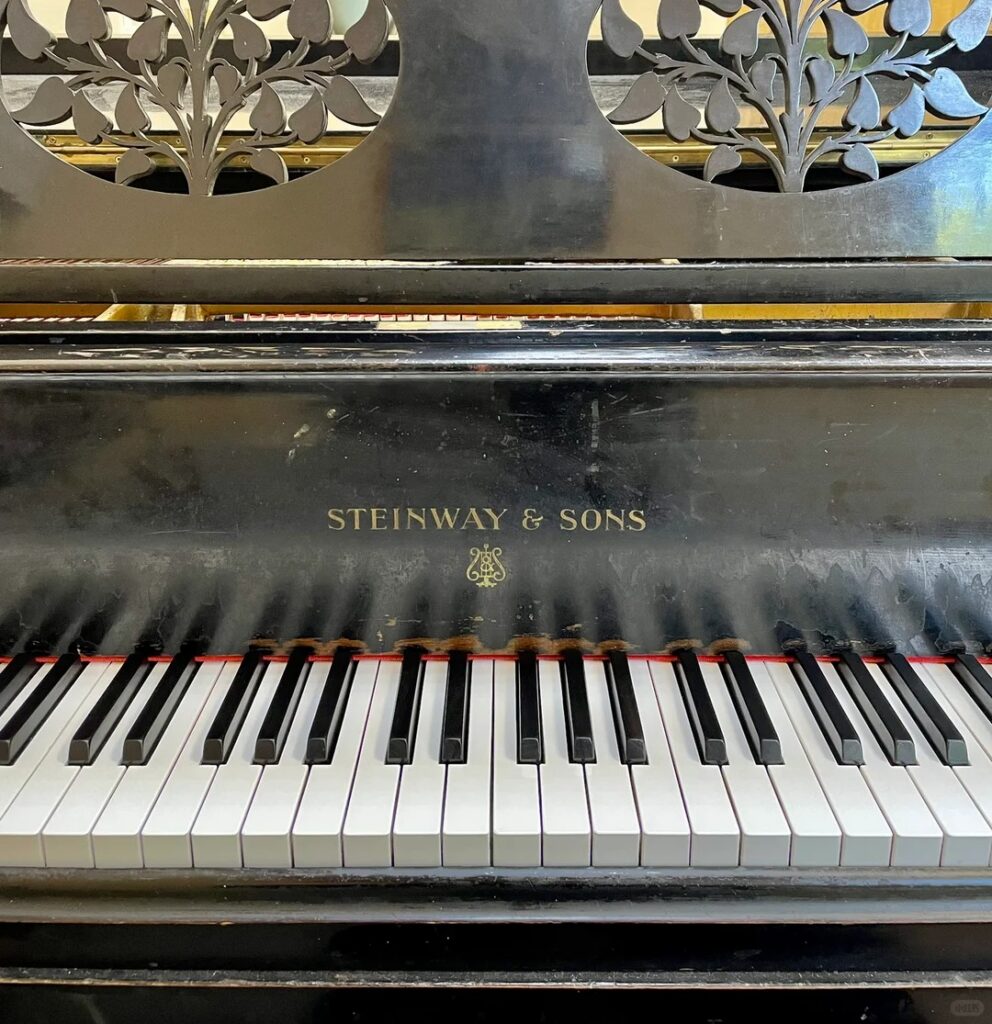
Navigating the world of grand pianos means understanding a hierarchy built on heritage, craftsmanship, and distinct musical philosophies.
- The Concert Legends: These are the instruments upon which recording history and concert hall reputations are built. They represent the pinnacle of artistic ambition and price.
* Steinway & Sons (Hamburg/New York): The ubiquitous benchmark. Hamburg models are often described as having a clearer, more articulate European tone, while New York pianos traditionally offer a warmer, more robust American sound.
Bösendorfer (Vienna): Renowned for a uniquely singing, warm, and complex tone, partly due to their patented Imperial* construction and, in the majestic Model 290, an extra nine keys in the bass.
* Fazioli (Sacile, Italy): The modern challenger, famed for extraordinary power, crystalline clarity in the treble, and a lightning-fast, responsive action.
- The German Heritage Houses: Centuries of tradition inform these brands, each with a fiercely guarded identity.
C. Bechstein (Berlin): Offers both the exquisite, handcrafted Concert series and the more accessible Academy* line. Tonal character is rich, colourful, and profoundly resonant.
Blüthner (Leipzig): Distinct for its Aliquot* stringing in the treble, which adds a characteristic shimmer and complexity to the sustain.
* Grotrian-Steinweg, Sauter, August Förster: Each represents a slightly different school of German piano building, from the powerful, direct sound of Grotrian to the delicate precision of Sauter.
- Asian Engineering Excellence: These manufacturers have achieved global acclaim through relentless precision engineering and consistency.
* Yamaha CFX/S Series: The CFX is a modern concert hall staple, known for its brilliant, projective tone and incredibly reliable action. The S Series represents their handmade Shizuoka workshop instruments.
Shigeru Kawai: The pinnacle of Kawai’s craft, where master piano builders (Meister*) personally voice each instrument. The tone is often described as beautifully rounded and lyrical.
- The Premium Access Point: This tier offers exceptional quality for the serious amateur, student, or institution.
* Yamaha C/CX Series & Kawai GX Series: The workhorses of many music studios and universities worldwide. They offer superb consistency, durability, and a professional-level touch and tone.
* Schimmel Konzert Series: A respected German brand offering a clear European tonal signature at a relatively accessible price point.
* Boston & Essex (by Steinway): Designed by Steinway & Sons and built by Kawai (Boston) and Pearl River (Essex) to specific Steinway criteria, offering a taste of the Steinway scale design at a lower price.
Your Objective Selection Criteria
Beyond brand prestige, focus on these tangible, critical factors.
Size & Space: The Foundation of Sound
The length of a grand piano (measured from the front of the keyboard to the back of the tail) is the primary determinant of its sonic potential.
- Baby Grands (approx. 5’ – 5’7”): Suitable for smaller rooms (approx. 30-40 m²). Shorter bass strings can limit depth and power in the lowest octaves.
- Medium Grands (approx. 5’8” – 6’5”): The sweet spot for most homes. Models like the Steinway Model A or Yamaha C3X offer a balanced scale with a credible bass and singing treble. Ideal for rooms of 40-60 m².
- Parlour/Concert Grands (6’6” and above): Require significant space (60 m²+) to allow the sound to develop. The longer strings and larger soundboard provide unparalleled tonal complexity, sustain, and dynamic range.
Tonal Signature: The Instrument’s Voice
Each manufacturing tradition cultivates a distinct sound.
- American (Steinway NY, Mason & Hamlin): Powerful, direct, and projective with a fundamental-rich bass. Ideal for Romantic and modern repertoire.
- German/Austrian (Bechstein, Bösendorfer, Blüthner): Tonal complexity, depth, and colour. The sound has multiple layers, often described as “singing” or “orchestral.”
- Japanese (Yamaha, Kawai): Clarity, precision, and consistency across the dynamic range. The tone is clean, well-balanced, and excellent for articulate passagework.
- Italian (Fazioli): Brilliant, penetrating treble, extremely fast attack, and immense power. A modern, highly defined sound.
The Action & Touch: Your Connection to the Sound
The action is the mechanical heart. Key aspects include:
- Responsiveness: A good action should feel immediate and connected, translating the slightest finger movement into sound.
- Repetition Speed: The double escapement mechanism allows notes to be repeated rapidly without fully releasing the key—essential for advanced literature.
- Weight & Regulation: Touch weight is personal. More important is evenness across the keyboard, achieved through expert regulation. Renner actions are the German gold standard, while Kawai’s Millennium III action with carbon components is renowned for stability and speed.
Budget & Value: The Total Cost of Ownership
The price is just the beginning.
- New vs. Certified Pre-Owned: Brands like Steinway (Steinway & Sons Programme) and others offer meticulously refurbished instruments with new warranties, providing access to higher-tier models.
- Depreciation: Mass-produced premium pianos (Yamaha, Kawai) depreciate more predictably. Handmade European instruments can hold value exceptionally well.
- Annual Maintenance: Budget for at least two tunings per year (£80-£150 each) and periodic voicing (adjusting the tone) and regulation (£300-£600+) to keep the piano in optimal condition.
Grand Pianos for Every Profile & Scenario
The Discerning Amateur & City-Dweller
- Needs: A compact size (5’ – 5’8”), controlled projection to respect neighbours, a refined and enjoyable action for daily practice.
- Budget: £15,000 – £40,000.
- Consider: Yamaha C1X, Kawai GX-1, Schimmel C 169, C. Bechstein Academy A 160. A quality silent system can be a wise addition.
The Music Student & Conservatoire
- Needs: A robust, consistent action for 4-6 hours of daily practice, clear tonal definition for self-critique, and resilience.
- Budget: £20,000 – £50,000.
- Consider: Yamaha C3X, Kawai GX-2, Boston GP-178. These are the ubiquitous tools of the trade in music departments worldwide.
The Concert Pianist & Professional
- Needs: Uncompromising dynamic range, a powerful and clear bass, flawless regulation, and the potential for individual voicing to match the artist’s touch.
- Budget: £60,000+.
- Consider: Steinway Model B, Bösendorfer 200, Fazioli F183, Yamaha CF4. This is an investment in a professional partner.
The Collector & Institutional Buyer
- Needs: Investment-grade instruments, unique timbres (e.g., Bösendorfer Imperial 97-key), historical or artisan value for a museum, gallery, or flagship performance space.
- Budget: £100,000 – £300,000+.
- Consider: Steinway Model D, Fazioli F308, Bösendorfer Imperial 290, hand-selected art case pianos.
Recommendation Grid by Budget
| Budget Bracket | Ideal For | Model Recommendations (New, unless stated) | Key Considerations |
| :— | :— | :— | :— |
| £10,000 – £25,000 | Premium Entry / Small Home | Yamaha GB1K, Kawai GL-10, Essex EUP-116E (by Steinway) | Solid fundamentals in a compact size. Ideal for reigniting a passion. |
| £25,000 – £50,000 | Serious Amateur / Advancing Student | Yamaha C3X, Kawai GX-2, Boston GP-178, C. Bechstein Academy A 175 | The core of the serious market. Professional-grade performance for the dedicated player. |
| £50,000 – £100,000 | Advanced Amateur / Professional | Steinway Model A (certified pre-owned), Bösendorfer 170, Shigeru Kawai SK-3, Fazioli F156 | Entry into the world of handmade, artist-grade instruments. |
| £100,000+ | Concert Artist / Institutional Investment | Steinway Model D, Fazioli F212, Bösendorfer 214, C. Bechstein Concert 8 | The ultimate instruments. Power, nuance, and legendary status. |
The Purchasing Process & Aftercare
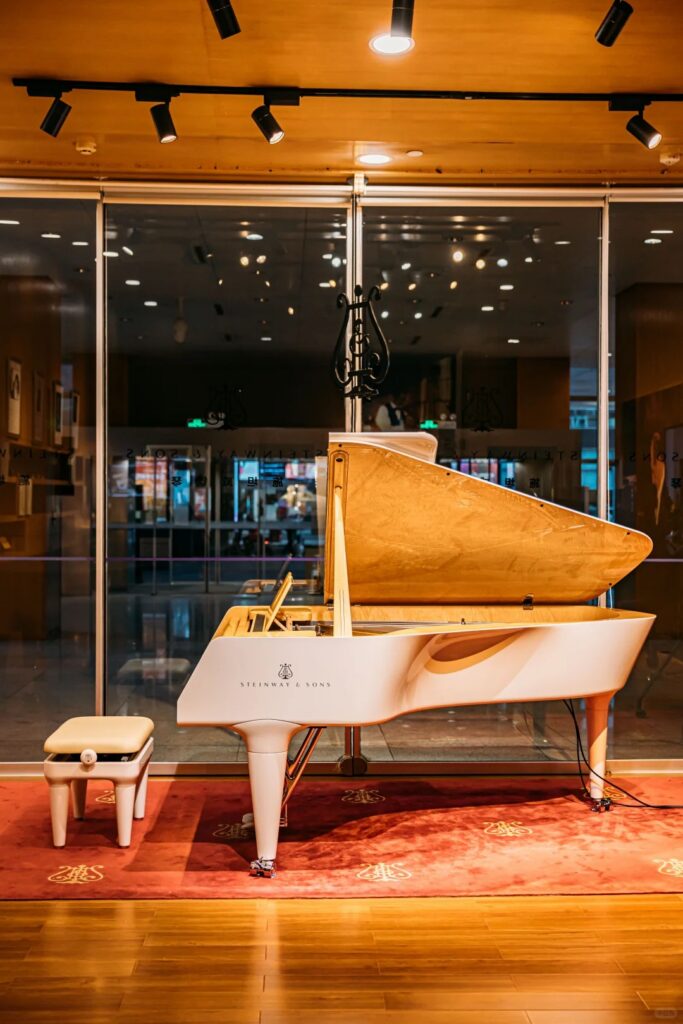
1. In-Person Auditioning is Non-Negotiable: Play multiple pianos of the same model, as each has minor tonal variations. Play softly, loudly, with pedal, without. Listen from across the room.
2. Understand Warranties: Most new pianos come with a 5-10 year manufacturer’s warranty. Certified pre-owned schemes offer similar peace of mind.
3. Choosing a Retailer: Work with a reputable dealer. For those in the UK considering a broad selection with the convenience of home delivery, Thomann, as Europe’s largest music retailer, is a significant channel. They offer a wide range of models from brands like Yamaha and Kawai, with transparent pricing, free delivery across Europe, and a comprehensive 3-year warranty.
4. Logistics: Always use a specialist piano mover. Schedule the first tuning for 2-4 weeks after delivery, once the piano has acclimatised to your home.
Frequently Asked Questions (FAQ)
What is the minimum room size for a baby grand piano?
A room of approximately 30-40 square metres is advisable for a baby grand (around 5’). This allows space for the piano itself and for the sound to resonate without becoming overwhelming. Consider room furnishings—carpets, curtains, and soft furniture will absorb sound, while hard floors and walls will make it more lively.
What are the main differences between a Hamburg and a New York Steinway?
While both adhere to the “Steinway Standard,” historical differences exist. Hamburg Steinways typically use Renner actions and hammers, resulting in a touch often described as slightly lighter and a tone that is clearer, more articulate, or “European.” New York Steinways use Steinway’s own action parts and hammers, traditionally yielding a warmer, more foundational tone and a touch with slightly more resistance. In recent years, the differences have become subtler.
Is a certified pre-owned grand piano a good investment?
For tier-one brands like Steinway, Bösendorfer, and Fazioli, it can be an excellent route. These certified programmes (e.g., the Steinway & Sons Programme) involve extensive rebuilding, regulation, and voicing by master technicians, and come with a new warranty. They offer access to a legendary model at a price below a new equivalent, with much of the steep initial depreciation already absorbed.
How much does it cost annually to maintain a grand piano?
Budget between £200 and £500 per year. This typically covers two tunings (£80-£150 each) and a contribution towards longer-term servicing. Every 3-5 years, you may need regulation (mechanical adjustment) and voicing (tonal adjustment), which can cost £300-£800 depending on the work required. Climate control (avoiding extreme humidity swings) is the most effective way to reduce maintenance costs.
Why are some grand pianos significantly more expensive than others of the same size?
The price reflects materials, labour, and provenance. A £100,000+ piano uses the finest, often individually selected, aged timbers (e.g., solid spruce soundboards, slow-growth maple for the action). It is assembled almost entirely by hand by highly specialised craftsmen over hundreds of hours. The scale design (string lengths, plate design) is the result of generations of refinement. Finally, the brand’s heritage and its use by legendary artists contribute to its value.
Real-world scenarios: practical use cases
In a city flat
- Tone & Volume: Opt for a medium-sized grand (5’8” to 6’) with a mellower voicing. The larger soundboard will produce a richer tone at lower volumes than a very small baby grand.
- Neighbour Considerations: Felt practice pedals or a built-in silent system (like Yamaha’s Silent Piano or Kawai’s Anytime system) are invaluable for late-night practice.
- Transport: Measure doorways, lifts, and staircases meticulously. A professional mover will do a pre-delivery survey.
- Climate Control: Flats can have dry, central-heated air. A piano humidity control system is a wise investment to protect the wood and tuning stability.
In a concert hall
- Projection & Power: A full concert grand (8’11” and above) is essential. The scale is designed to project a clear, balanced tone to the back of a large auditorium.
- Endurance: The instrument must hold its regulation and tuning through hours of rehearsal and performance under powerful, dynamic playing.
- Versatility: It must respond equally well to the delicate textures of Mozart and the thunderous demands of Prokofiev. A concert technician will often “voice” the piano to suit the specific artist and repertoire.
In a recording studio
- Behaviour Under Microphones: The instrument must have exceptional clarity and evenness across all registers, with no “wolf tones” or dead spots. A complex, colourful tone can be a great asset.
- Sustain & Control: A long, clean sustain allows for beautiful ambient recording. The action must allow for extreme dynamic control.
- Tuning Stability: It must hold a perfect tuning for the duration of a session, often under bright studio lights. Superior pin blocks and stable construction are critical.
In a conservatoire
- Intensive Daily Use: The action must be incredibly durable and consistent from piano to piano within a practice room suite. Brands like Yamaha and Kawai are favoured for this reliability.
- Durability: The finish and internal components must withstand constant use from hundreds of different players.
- Versatility: The piano should be a neutral, clear tool for learning, allowing students to develop their own touch without the instrument imposing too strong a character.
Technical specifications: A typical premium medium grand
| Specification | Value & Details |
| :— | :— |
| Model Example | Yamaha C3X |
| Category | Premium Professional Grand |
| Length | 186 cm (6’ 1”) |
| Width | 149 cm |
| Weight | 330 kg |
| Action | Yamaha CX Series Action with Synthetic Ivory Keytops |
| Soundboard | Solid Sitka Spruce |
| Ribs | Solid Sitka Spruce |
| Backframe | Solid Spruce, vertically laminated |
| Bridges | Solid Maple, capped with Maple |
| Pin Block | Multi-laminated Hard Maple |
| Strings | German Roslau Strings, double-strung in the bass |
| Hammers | Yamaha Premium Felt Hammers |
| Keys | 88 (52 White, 36 Black) |
| Finishes Available | Polished Ebony, Polished White, Satin Walnut, others may vary |
Purchase guide
- New Price: For a model like the Yamaha C3X, expect a price range of £45,000 – £55,000 depending on finish and retailer.
- Certified Pre-Owned Price: A 5-10 year old model in excellent condition could range from £28,000 – £38,000.
- Where to Buy:
* Authorised Brand Dealers: Essential for top-tier brands (Steinway, Bösendorfer, etc.) for full after-sales support and manufacturer warranty.
* Major Retailers: For brands like Yamaha and Kawai, retailers such as Thomann offer a streamlined purchasing process. Their service includes free delivery across Europe, a clear 3-year warranty, and often flexible financing options, making them a practical choice for many UK buyers.
- Annual Maintenance Cost: Budget £200 – £500 for two tunings and a contingency for minor adjustments.
- What to Check Before Buying:
* Soundboard: Look for cracks (small, non-viable cracks along the grain are sometimes acceptable in older instruments; new should be flawless). Tap it lightly—it should resonate.
Action Regulation: Play every key pianissimo to fortissimo*. The response should be even. Check for silent key depression (without sound) to test escapement.
* Pin Block & Tuning Stability: A technician can check the torque on the tuning pins. Loose pins mean an expensive rebuild.
* Strings & Hammers: Strings should be clean, not rusty. Hammers should show even wear, with deep grooves indicating heavy use.
* Case & Finish: Inspect for major damage. Minor scratches are often cosmetic.
Related Articles
This page contains affiliate links. If you buy through them, we may earn a commission at no extra cost to you.
🎹 Essential accessories for pianists
This page contains affiliate links. If you buy through them, we may earn a commission at no extra cost to you.
- Thermo-hygrometer (humidity): TFA Digital Thermo-Hygrometer
- Caster cup (sold singly): Jahn IsoFloor
- Felt key cover: Jahn Keyboard Dust Cover
- Adjustable piano bench: Thomann KB-15BM