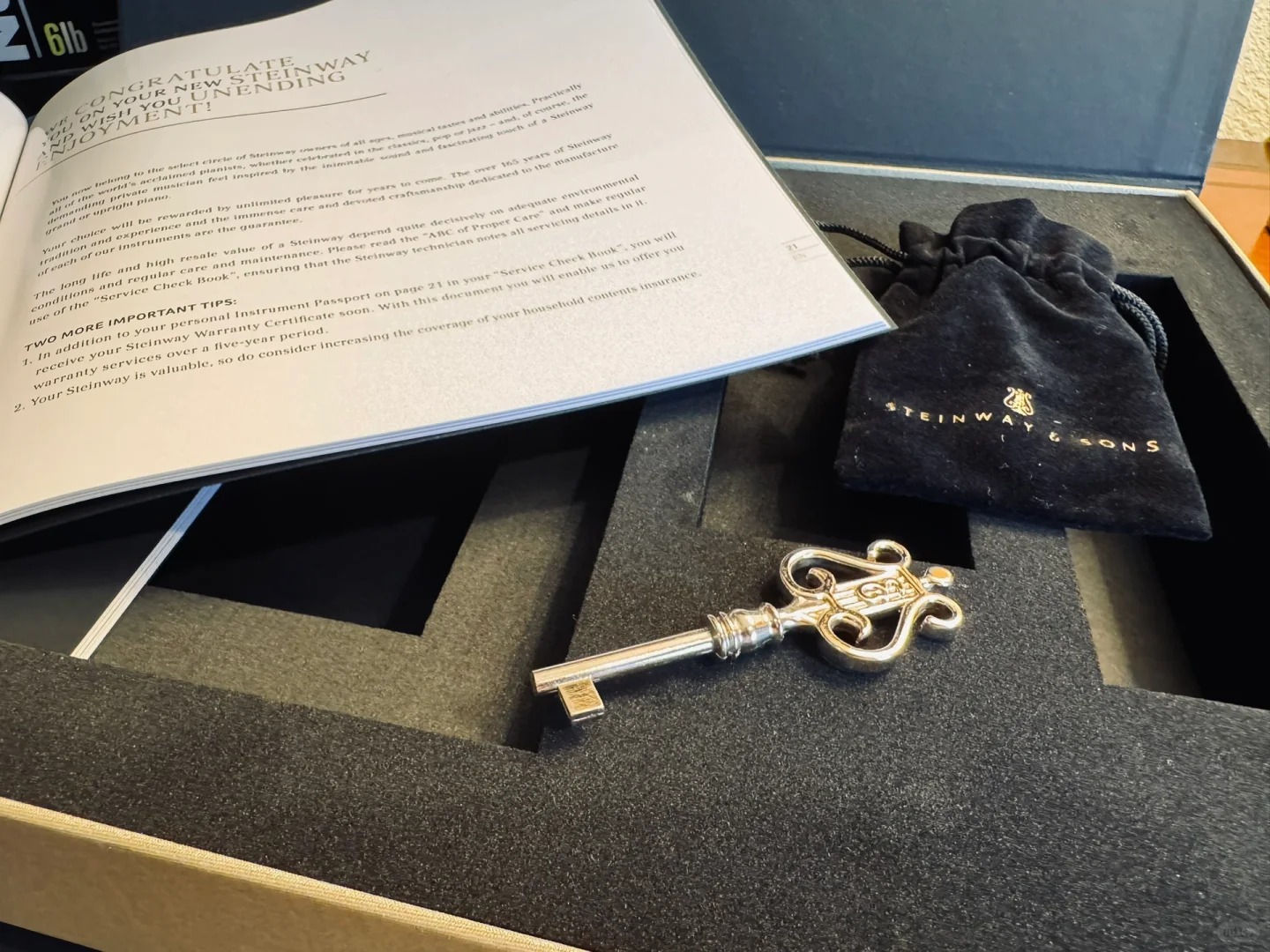
Considering a grand piano? Our expert guide for the UK market covers Steinway, Yamaha, Bösendorfer & more. Learn how to choose by size, tone, action & budget from £10,000 to £200,000+.
Introduction: The Grand Piano Defined
A grand piano is not merely a musical instrument; it is the pinnacle of acoustic piano design and a profound artistic partner. Its defining horizontal layout allows for longer strings, a larger, optimally tensioned soundboard, and a more responsive, gravity-assisted action. This engineering translates into superior tonal projection, a wider dynamic range—from the most delicate pianissimo to a thunderous fortissimo—and a nuanced palette of colours unattainable in a vertical piano. This guide is crafted for the serious pianist, the dedicated educator, and the discerning collector in the United Kingdom. It is an invitation to understand the subtleties that transform a significant purchase into a lifelong investment in artistry.
The Grand Piano Market: A Landscape of Legends & Precision
Navigating the world of grand pianos is to explore a history of craftsmanship, national traditions, and distinct sonic philosophies. The market is thoughtfully tiered, each level offering a different proposition.
- Legendary Concert Instruments: These are the reference standards, built in limited numbers with obsessive attention to detail. Steinway & Sons (Hamburg and New York) defines the modern concert hall sound with its powerful, sustaining tone. Bösendorfer of Vienna offers a uniquely lyrical, warm, and resonant character, famously embodied in the Imperial Grand’s 97 keys. Fazioli, the modern master from Italy, is celebrated for its breathtaking clarity, crystalline treble, and explosive dynamic power.
- German Heritage Houses: Centuries of tradition inform these marques, prized for their depth of colour and architectural precision. C. Bechstein (Berlin) delivers a touch of velvet and a tone that is both powerful and richly complex. Blüthner (Leipzig) employs its patented Aliquot stringing in the treble for a uniquely ethereal, singing quality. Alongside them, Grotrian-Steinweg, Sauter, and Schimmel uphold the highest standards of European craftsmanship.
- Asian Precision Engineering: Representing a blend of technological innovation and refined artistry, Yamaha (CFX and S Series) and Shigeru Kawai produce instruments of remarkable consistency, reliability, and clear, focused tonal projection. They are mainstays in conservatoires and professional studios worldwide.
In the UK context, accessing these instruments involves a network of specialist dealers, often in major cities like London, Manchester, or Edinburgh. The certified pre-owned market, such as the official Steinway & Sons Certified Pre-Owned Programme, is a vital avenue, offering meticulously refurbished instruments with renewed warranties, providing a more accessible entry point to legendary brands.
Core Selection Criteria: Beyond the Brand Name
Choosing a grand piano requires balancing practical constraints with artistic aspiration. The brand is a starting point, but these core criteria determine the perfect match.
- Size & Space (The Primary Constraint): Size directly influences tone. Baby grands (approx. 150–168 cm) suit intimate spaces but can compromise bass string length. Medium grands (180–210 cm) offer an ideal balance for most homes and teaching studios. Concert grands (274 cm and above) require significant space to allow their full sound to develop. Always consider room acoustics: high ceilings and soft furnishings are beneficial.
- Tonal Character & Signature: This is the instrument’s ‘voice’. Do you prefer the American clarity and sustain of a Steinway, the Viennese warmth of a Bösendorfer, the fundamental depth of a German Bechstein, or the laser-like precision of a Fazioli? This character is born from the scale design, the selection of the soundboard timber (e.g., Val di Fiemme spruce for Fazioli, slow-growth Alaskan Sitka for Steinway), and the voicing of the hammers.
- Action & Touch: The action is the tactile interface between pianist and string. Look for renowned actions like Renner (used by Steinway, Bechstein, and others) or proprietary designs like Kawai’s Millennium III. The critical feature is a true double escapement, allowing for rapid repetition. A well-regulated action should feel responsive, even, and capable of translating the most subtle dynamic intent.
- Budget & Value (in GBP): The purchase price is the first step. Consider the total cost of ownership: specialist piano transport within the UK (often £500+), annual maintenance including at least two tunings (£200-£400), and periodic regulation and voicing. Depreciation curves vary; instruments from legendary houses often hold value exceptionally well, especially when maintained properly.
Choosing by Profile: Which Grand Piano For You?
- The Discerning Amateur & Home Enthusiast: Your focus is on tonal beauty and a responsive touch for personal enjoyment in a drawing room or dedicated music room. Prioritise a medium-sized grand (180-210 cm) that sings in your specific space. Budgets typically range from £25,000 to £70,000, encompassing premium mid-range models and entry-level instruments from heritage brands.
- The Music Student & Conservatoire: Durability, consistent action, and clear projection for hours of daily practice are paramount. Instruments must withstand intensive use and provide a reliable, versatile tonal response for a wide repertoire. Institutional favourites from Yamaha, Kawai, and the Boston Piano Company (designed by Steinway) are common, with financing and educational discounts often available.
- The Concert Pianist & Recording Artist: The requirements are uncompromising: ultimate dynamic range, a vast palette of tonal colours, and absolute reliability under the rigours of touring and recording. The instrument must project effortlessly in a large hall while remaining controllable in soft passages. This is the realm of the concert grand, with budgets often exceeding £100,000.
- The Collector & Institutional Buyer: Heritage, investment potential, and bespoke craftsmanship are key. This may involve seeking a rare vintage instrument from a specific period, a unique art-case finish, or commissioning a landmark piano for a university or performance venue. Authentication, provenance, and expert restoration are central concerns.
Recommendation Grid: Grand Pianos by Budget
- Entry to Mid-Range (£15,000 – £50,000):
* Yamaha GB1K Baby Grand (160 cm): A compact and reliable entry point, offering Yamaha’s renowned consistency and a clear tone suitable for smaller living spaces.
* Kawai GL-10 Baby Grand (153 cm): Notable for featuring Kawai’s advanced Millennium III action with carbon fibre components at this price, providing exceptional touch responsiveness.
* Schimmel Konzert K 175 (175 cm): A compelling introduction to the German tradition, delivering a clear, singing tone and solid craftsmanship from Braunschweig.
- High-Performance & Heritage (£50,000 – £120,000):
* C. Bechstein Academy A 190 (190 cm): Built in the Czech Republic to exacting Bechstein designs, this model offers remarkable access to the legendary Bechstein touch and complex, colourful tone.
* Steinway & Sons Model A (188 cm – Hamburg): Often considered the “gold standard” for the serious professional’s home or smaller concert venues. It delivers the full Steinway character in a more domestically feasible size.
* Bösendorfer 185VC (185 cm): The “Vienna Concert” model distils the essence of the Bösendorfer sound—lyrical, warm, with a lighter, more fluid touch—into a sublime chamber music instrument.
- Concert & Collector Tier (£120,000+):
* Fazioli F228 (228 cm): A masterpiece of Italian engineering. Offers breathtaking clarity, unparalleled sustain, and a powerful, colourful bass that belies its size, favoured by many top recording artists.
* Steinway & Sons Model D (274 cm – Hamburg): The definitive instrument of the world’s great concert stages. Unmatched in its power, projection, and dynamic authority, it is the benchmark against which all others are measured.
* Bösendorfer Imperial 290 (290 cm): An icon. Its extended 97-key keyboard and unique scale design produce a bass register of unparalleled richness and resonance, creating a truly orchestral sound.
The Purchasing Process & Thomann Advantage
The cardinal rule is to play the exact instrument you intend to purchase. Two models from the same brand and size can have perceptible differences in touch and tone. Play a wide range of repertoire on it, from Baroque to Romantic to Modern.
Understand the warranty terms, the availability of after-sales technical service in your region, and the logistics of delivery, which will involve a specialist piano mover.
For many buyers, especially those outside major metropolitan centres or institutions seeking transparent pricing, Thomann presents a significant advantage. As Europe’s largest music retailer, they offer access to a carefully curated selection of new grand pianos from brands like Yamaha and Kawai, with the convenience of secure UK delivery, a comprehensive 3-year warranty, and flexible financing options. While trying a piano in person first is always advised, Thomann’s detailed specifications, professional sound samples, and customer service provide a credible and accessible purchasing channel.
Frequently Asked Questions (FAQ)
What is the minimum room size for a baby grand piano?
Ideally, the room should be at least 4.5 metres by 6 metres. This allows the sound waves from the instrument (typically 150-160 cm long) to develop properly without becoming overwhelming or boomy. Adequate space around the piano also ensures optimal access for tuning and maintenance.
How much does it cost to maintain a grand piano annually in the UK?
You should budget between £200 and £500 per year. This typically covers two professional tunings (£80-£150 each). Additional costs will arise for periodic regulation (adjusting the mechanical action for evenness) and voicing (shaping the tone by needling the hammers), which are essential for preserving the instrument’s performance and might be needed every few years.
Is a used or vintage grand piano a good investment?
It can be an excellent way to acquire a superior instrument for less than the price of a new one, but caution is essential. Condition is everything. A pre-war Steinway or Bechstein, if expertly restored, can be a magnificent instrument. Always insist on an independent inspection by a qualified piano technician (not affiliated with the seller) to assess the soundboard, pin block, bridges, and action before committing.
What’s the difference between Hamburg and New York Steinways?
While both adhere to the Steinway design philosophy, there are traditional distinctions. Hamburg Steinways (favoured in Europe and the UK) are often described as having a slightly more nuanced, clearer, and European tonal character. New York Steinways are noted for a bolder, more direct, and powerful projection. These differences have narrowed over recent decades, and the choice ultimately comes down to personal tonal preference and the individual instrument’s preparation.
Can I buy a grand piano online without trying it first?
It is strongly discouraged for an instrument of this significance and personal connection. The touch and tone are profoundly subjective. However, for certain well-established, mass-produced models where consistency is very high, and with the support of a robust returns policy, it can be considered. Retailers like Thomann facilitate this with detailed media, clear policies, and customer support, making it a more informed risk, especially after you have tried a similar model locally.
Real-world scenarios: practical use cases
In a city flat
- Size & Tone: A baby grand (150-160 cm) is the practical limit. Focus on instruments with a clear, articulate tone that doesn’t become muddy in a 40–60 m² space. A brighter, more focused sound can be advantageous.
- Neighbour Considerations: A built-in silent system (optical sensors and headphones) is a near-essential modern feature for unrestricted practice in shared buildings.
- Access Logistics: Confirm lift dimensions or stairwell access with a piano mover before purchase. Delivery to an upper-floor flat can add significant cost and complexity.
In a concert hall
- Projection & Power: The instrument must fill the hall with a rich, complex sound without the pianist feeling they are forcing the tone. A concert grand’s long strings and large soundboard are engineered for this.
- Dynamic Range: It must offer a true pppp that carries to the back row and a ffff that is full and majestic, not harsh.
- Endurance: The action must remain perfectly regulated and the tuning stable throughout a demanding recital programme, often under varying stage lighting and temperature conditions.
In a recording studio
- Behaviour Under Microphones: The tone must be even across all registers, with no “wolf tones” or uneven harmonics. A clear, defined fundamental note is prized.
- Sustain & Control: Long, clean sustain allows for beautiful legato lines and ambient recording. The action must permit extreme dynamic control for detailed microphone capture.
- Tuning Stability: The piano must hold its tuning impeccably over long recording sessions, requiring a robust pin block and a stable environment.
In a conservatoire
- Intensive Daily Use: The action must be durable and designed to withstand 8-12 hours of playing per day, often by different pianists with varying techniques.
- Versatility: The tonal character should be neutral enough to serve a vast repertoire from Scarlatti to Ligeti, providing a clear canvas for student development.
- Serviceability: The design should allow for relatively straightforward regulation and maintenance by in-house technicians, with good parts availability.
Technical specifications
| Specification | Description |
| :— | :— |
| Typical Length Range | 150 cm (4’11 ») to 290 cm (9’6″) |
| Typical Width | Approx. 148-155 cm |
| Typical Weight | 250 kg (baby grand) to 550 kg (concert grand) |
| Action Type | Double escapement, repetition action (e.g., Renner, Steinway Accelerated, Kawai Millennium III) |
| Soundboard Timber | Spruce (often Sitka, European, or Val di Fiemme), solid or laminated ribbed |
| Number of Keys | 88 (standard), 97 (Bösendorfer Imperial) |
| Frame | Single-cast iron plate |
| Finishes Available | High-gloss polyester (ebony, white, mahogany), satin polyester, open-pore woods, veneers (walnut, rosewood). |
Purchase guide
- New Price Range: From approximately £15,000 for an entry-level baby grand to £200,000+ for a top-tier concert grand from a legendary manufacturer.
- Certified Pre-Owned Price: Offers significant savings, typically 30-50% less than a comparable new instrument, with the security of a manufacturer-backed warranty and refurbishment.
- Where to Buy: Purchase from authorised brand dealers, reputable independent piano specialists, or established large-scale retailers. Thomann is a recommended channel for its selection of new grands from major brands, offering free delivery to the UK, a 3-year warranty, and transparent financing options, which is particularly useful for institutions and serious amateurs.
- Annual Maintenance Cost: Budget £200-£500 for tunings and basic care. Set aside funds for regulation/voicing every 3-5 years.
- What to Check Before Buying:
* Soundboard: Look for cracks (small crown cracks can be normal in older instruments, but large ones are problematic) and a healthy crown (slight convex curvature).
* Action Regulation: Test every key for evenness of touch, repetition speed, and check for any sticking or sluggishness.
* Pin Block & Tuning Stability: A technician should assess the torque of the tuning pins. Loose pins mean the piano will not hold tune.
* Strings & Hammers: Check for rust on strings and deep grooves or excessive hardening on the hammer felts.
* Case & Finish: Inspect for structural integrity and cosmetic condition, which can affect value.
Laisser un commentaire