Choosing a grand piano is not merely a purchase; it is a deeply personal investment in your artistry, a commitment to a lifelong musical partner. The quest for the « best » instrument is a nuanced journey, where the final decision hinges on a confluence of factors: your budget, the physical space in your home, your technical demands as a pianist, and, most importantly, the tonal character that speaks to your soul. This guide will navigate you through the revered traditions of piano making—from the profound depth of German craftsmanship and the commanding power of American design to the lyrical warmth of the Viennese school and the impeccable precision of Japanese engineering—to help you find the instrument perfectly suited to your life and music.
Chapter 1: Understanding the Grand Piano Market
The grand piano world is built upon distinct lineages, each with a philosophy that shapes the instrument’s voice and touch.
The Legendary Houses
These are the names that define the pinnacle of the craft, instruments for which pianists develop a lifelong affinity.
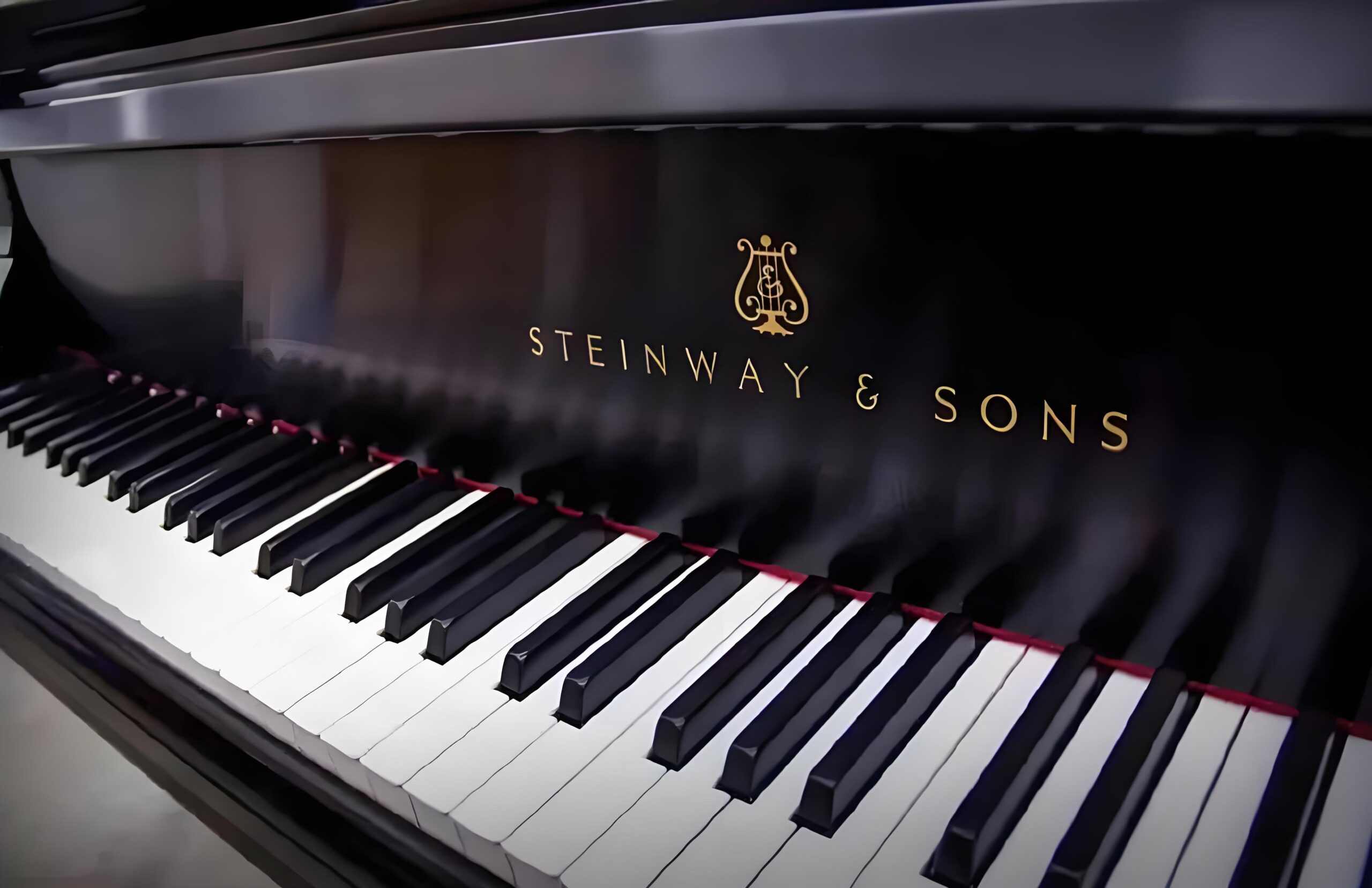
- Steinway & Sons (Hamburg/New York): Often considered the global benchmark. Hamburg Steinways are renowned for a clearer, slightly more reserved European tone, while New York models offer a bolder, more robust American sound. Both share the legendary Steinway action and the patented Diaphragmatic Soundboard for immense projection.
- Bösendorfer (Vienna): The sound of Old Europe. Bösendorfer pianos are celebrated for their uniquely singing, warm, and complex tonal palette, with a bass that resonates with a distinctive « wooden » purity. The Imperial 290 concert grand famously extends to 97 keys for unparalleled bass resonance.
- Fazioli (Sacile, Italy): The modern masterpiece. Fazioli represents the zenith of contemporary craftsmanship, producing instruments of staggering clarity, dynamic range, and crystalline purity in the treble. Their tone is exceptionally focused, making them a favourite in modern recording studios and for repertoire demanding absolute transparency.
The Heritage German Makers
Germany’s piano-building heartland produces instruments of profound musicality and individual character.
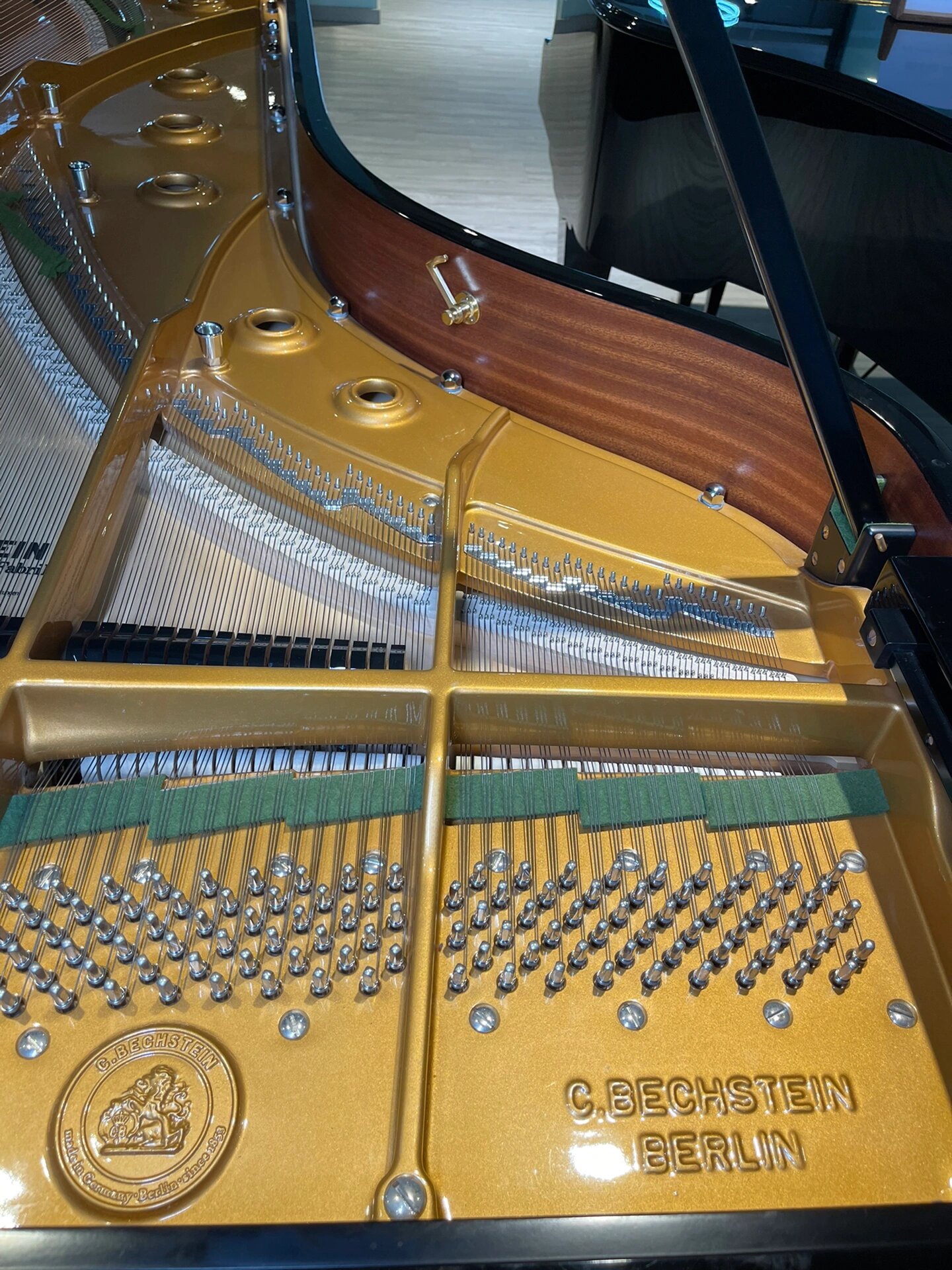
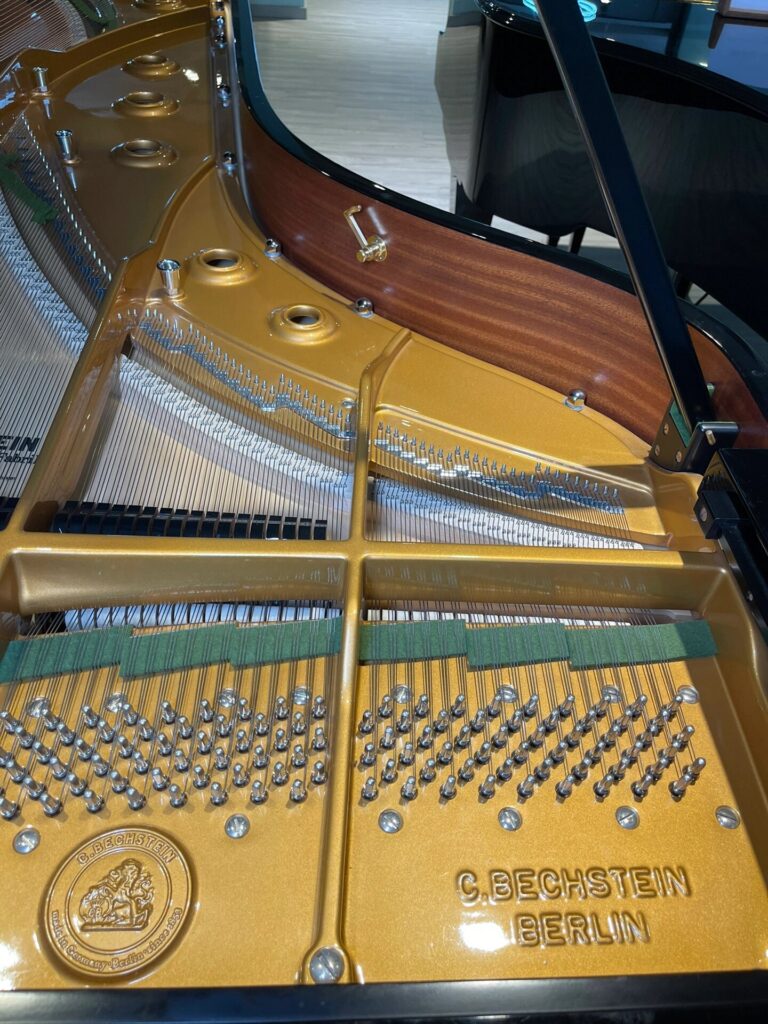
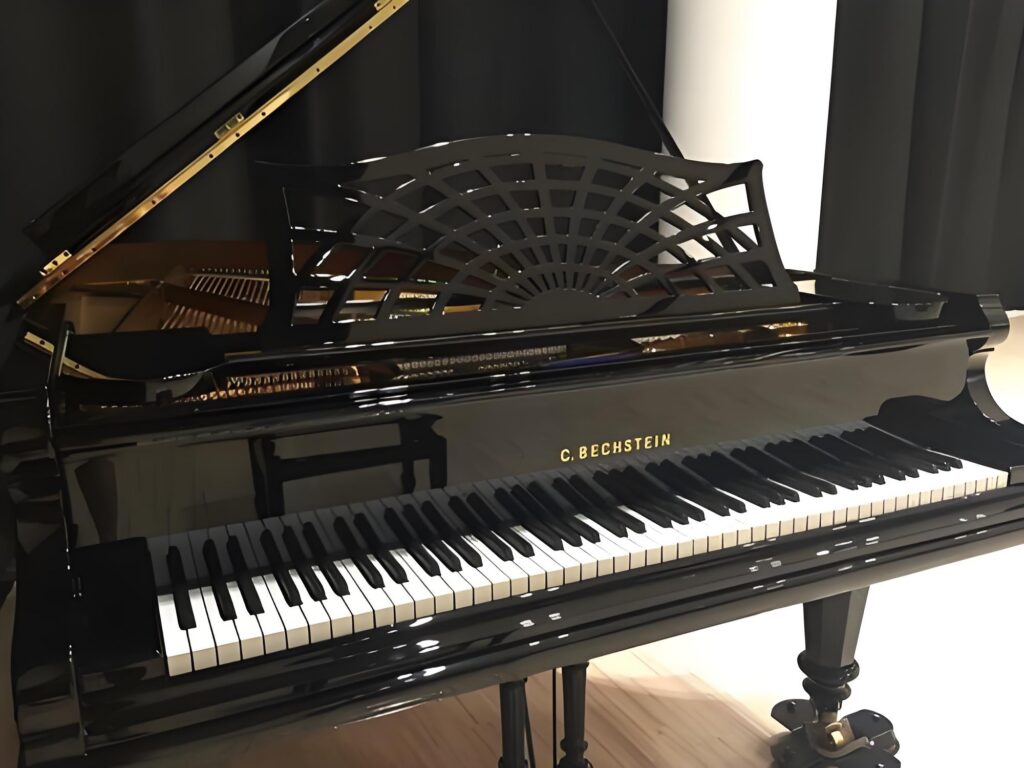
- C. Bechstein (Berlin): Offers a sublime blend of power and colour. Bechstein grands possess a rich, orchestral tone with a singing treble that can cut through with brilliance or melt into the texture.
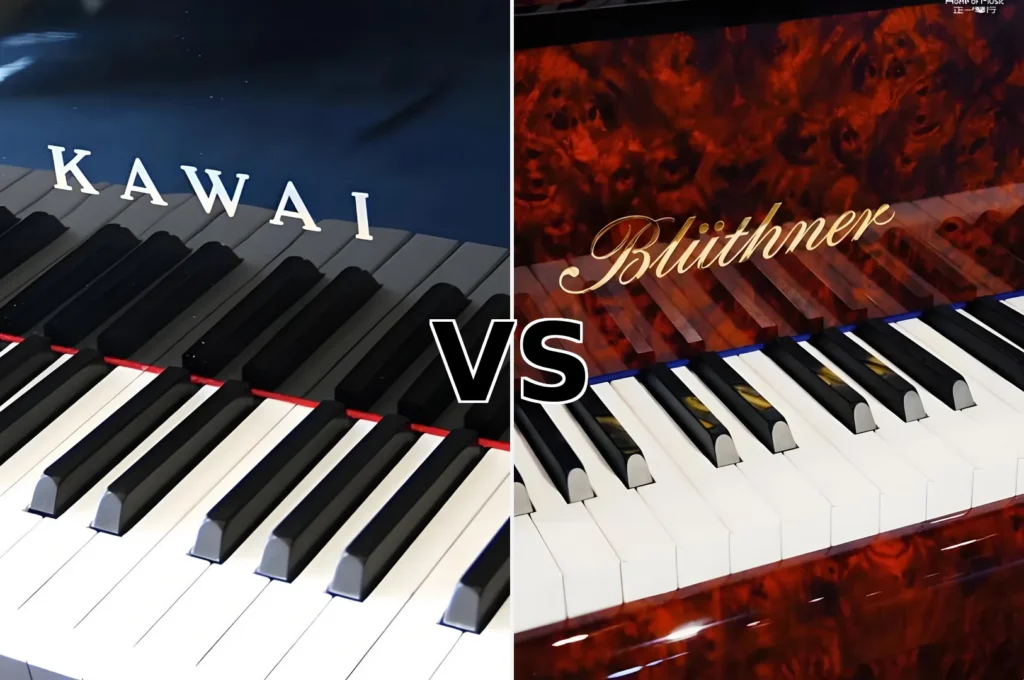
- Blüthner (Leipzig): Known for its patented Aliquot stringing—a fourth, sympathetic string in the treble—which adds a unique, ethereal shimmer and resonance to the tone, creating a uniquely romantic and lyrical sound.
- Grotrian-Steinweg, Sauter, August Förster: Each of these houses maintains smaller-scale, artisanal production, focusing on exquisite hand-craftsmanship. They offer superb alternatives with distinct personalities, often prized for their nuanced touch and complex harmonics.
The Asian Precision Leaders
Post-war excellence defined by reliability, consistency, and technological innovation.
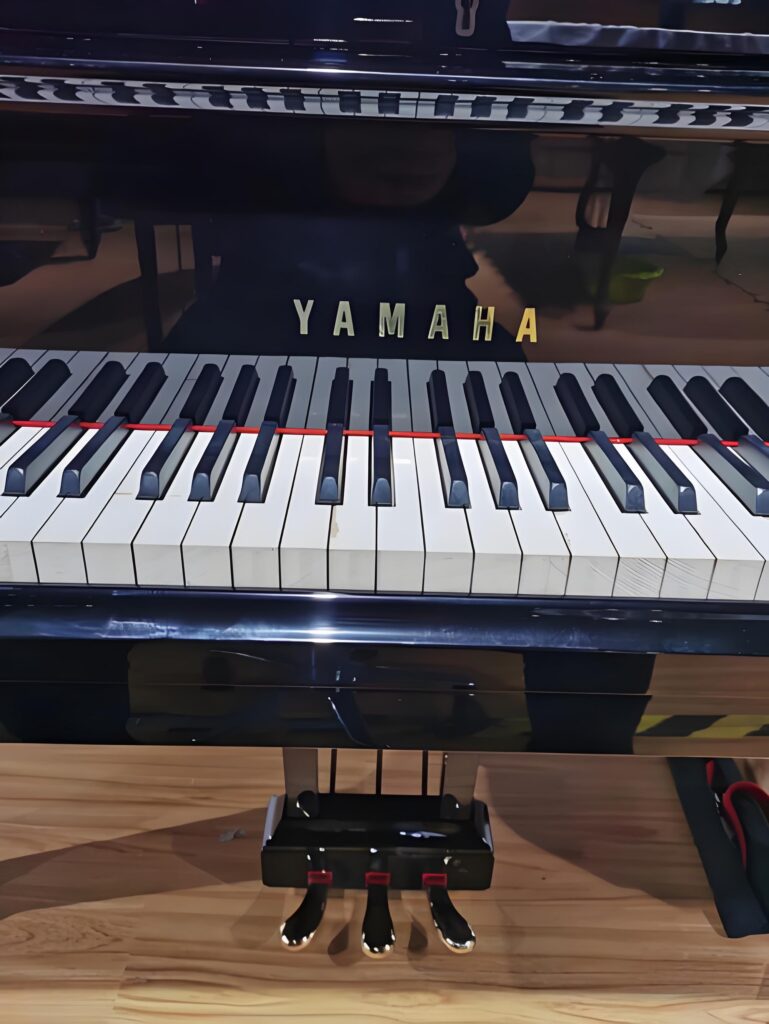
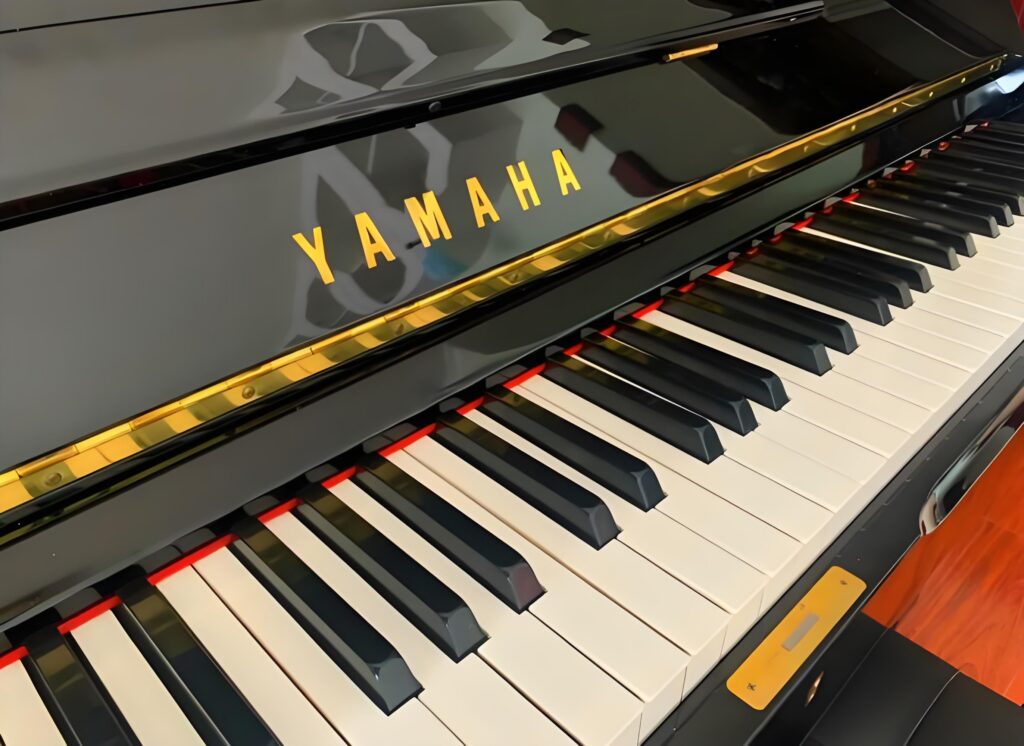
- Yamaha (CFX/S Series): The CFX concert grand is a powerhouse of clarity and endurance, a staple in concert halls worldwide. The S Series (e.g., S7X) offers similar concert-level engineering in a slightly more domestic size, with a rich, resonant tone.
- Shigeru Kawai: The hand-built flagship line from Kawai. Each Shigeru is personally finished by master piano builders, resulting in an instrument with remarkable warmth, depth, and a buttery-smooth Millennium III Carbon Fibre action that rivals the finest European pianos.
The Value of Certified Pre-Owned
For many, a pre-owned instrument offers a path to a higher tier of piano. Manufacturer-certified programmes, like the Steinway & Sons Certified Pre-Owned scheme, provide rigorously refurbished instruments with new warranties. This can be an excellent way to acquire a legendary instrument at a more accessible price point, with the assurance of its condition and provenance.
Chapter 2: Your Objective Selection Criteria
Move beyond brand names and focus on these tangible, critical factors.
Size & Space: The Practical Foundation
The length of a grand piano is the primary determinant of its bass power, tonal complexity, and volume.
- Baby Grands (150-180cm): Ideal for domestic spaces. A 160-180cm model can fit elegantly in a large drawing room or dedicated music room. Ensure a minimum room size of 5m x 6m for the sound to develop properly without overwhelming the space.
- Medium Grands (180-210cm): The professional’s home instrument. This size, exemplified by the Steinway Model A (188cm) or Yamaha C3X (186cm), offers a fully developed scale and sufficient power for serious practice and smaller performances.
- Concert & Semi-Concert Grands (211cm+): Instruments like the Steinway Model B (211cm) or Bösendorfer 214 require significant space—a high-ceilinged room of at least 7m x 10m. They are designed for tonal projection and dynamic range that fills a large hall.
Tonal Character & Projection: Finding Your Voice
- American Clarity (Steinway): Powerful, direct, and brilliant. The tone has a strong fundamental note with clear projection, ideal for the Romantic and modern concertos.
- German Velvet & Depth (Bechstein, Blüthner): Rich in harmonic colour, with a rounded, « velvety » attack and a complex, singing sustain. Excellent for the German Romantic repertoire from Brahms to Wagner.
- Viennese Warmth (Bösendorfer): A softer, more lyrical attack with a fundamental tone that seems to bloom from within. The bass is resonant and clear, not aggressive. Perfect for Schubert, Mozart, and jazz.
- Japanese Neutrality & Precision (Yamaha, Kawai): Consistent, clear, and balanced across the entire register. They offer a transparent palette that responds accurately to the pianist’s touch, making them versatile for all genres and excellent for recording.
Touch & Action: The Connection to Your Expression
The action is the mechanical heart of the piano. Key considerations:
- Action Type: Most premium European pianos use refined versions of the Renner action, known for its responsiveness and depth of control. Kawai’s Millennium III action uses carbon fibre for greater strength, stability, and speed.
- Regulation & Voicing: A piano’s touch and tone are not fixed. A skilled technician can regulate the action to adjust evenness and responsiveness, and voice the hammers to soften or brighten the tone. This tailoring is essential.
Budget & Value: The Realistic Investment
- £10,000 – £30,000: The entry-point for a new baby grand from major brands (Yamaha, Kawai) or a well-maintained pre-owned medium grand from the 1980s/90s.
- £30,000 – £70,000: The core range for new professional-grade instruments from Yamaha (C Series), Kawai (GX Series), and Boston, or a certified pre-owned Steinway Model M or O.
- £70,000+: The realm of new premium European instruments (Steinway B, Bechstein, mid-size Bösendorfer) and the entry point for hand-built models like Shigeru Kawai.
- Lifetime Costs: Factor in £200-£400 for two tunings per year, £500+ for occasional regulation/voicing, and a one-off £800-£1,500 for professional piano moving.
Chapter 3: Grand Pianos for Your Profile & Scenario
The Discerning Amateur & City-Dweller
- Priority: Aesthetic elegance, compact size (160-180cm), and a tone that is beautiful without being overpowering. A silent system can be a considerate addition.
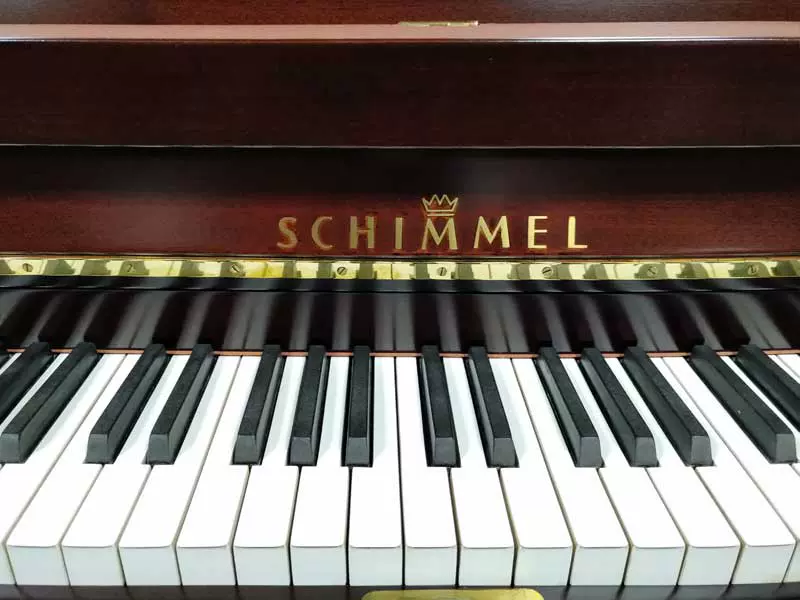
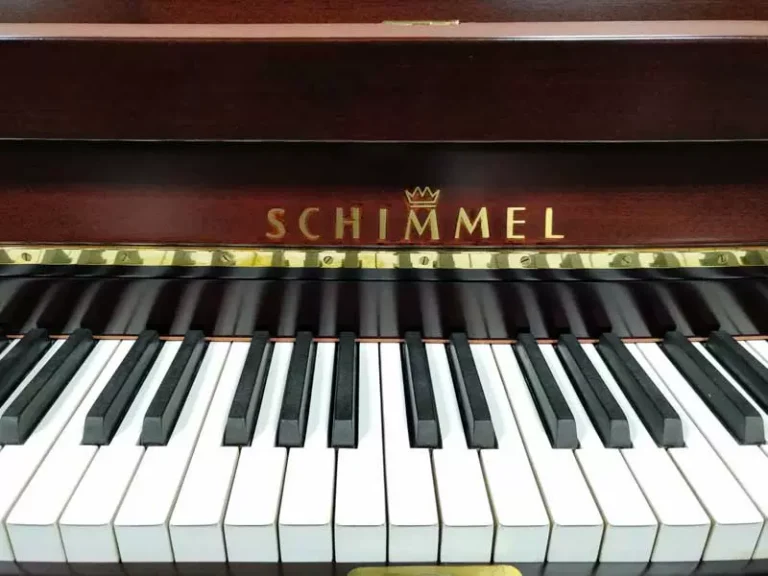
- Recommended Brands: Schimmel Konzert series for German craftsmanship in a smaller case, Yamaha GB1K, Kawai GL-10. Also consider the Essex by Steinway line.
The Conservatoire Student & Advancing Pianist
- Priority: A robust, concert-responsive action that can withstand 4-6 hours of daily practice, and a tone with enough colour and projection to prepare for performance.
- Size & Brands: Look at 180-210cm models. The Yamaha C3X (186cm) is a benchmark for reliability. The Kawai GX-2 (180cm) offers a warmer tone with the superb Millennium III action. Boston by Steinway (GP-178/193) provides a Steinway-designed scale in a more accessible package.
The Concert Professional & Recording Artist
- Priority: Uncompromising dynamic range, a vast palette of tonal colours, instantaneous response, and absolute reliability.
- The Instruments: This is the domain of the Steinway Model B (211cm), the Bösendorfer 214VC, and the Fazioli F212 (212cm). Each offers a distinct musical language: Steinway’s commanding presence, Bösendorfer’s lyrical warmth, or Fazioli’s laser-like clarity.
The Institution & Serious Collector
- Priority: Investment-grade instruments focused on heritage, unique tonal properties (like the Bösendorfer Imperial’s 97 keys), or specific historical repertoire. Durability for heavy use is key for institutions.
- The Pinnacle: Steinway Model D (274cm), Bösendorfer Imperial 290 (290cm), C. Bechstein D 282 (282cm), Yamaha CFX (275cm).
Chapter 4: Recommendation Grid by Budget
£10,000 – £30,000 (Entry & Mid-Level)
- Yamaha GB1K (161cm): The quintessential reliable, compact starter grand. Known for its bright, clear tone and consistent build quality.
- Kawai GL-10 (153cm): Exceptional value, featuring Kawai’s proprietary action in the smallest grand format. Offers a warmer tonal character than its Yamaha counterpart.
- Pre-Owned Market: Well-maintained Yamaha C3 or Kawai RX-2 models from the 1990s can offer tremendous performance at this price point.
£30,000 – £70,000 (Professional & Advanced Amateur)
- Yamaha C3X (186cm): A global benchmark. Offers stunning clarity, a responsive touch, and the consistency Yamaha is famed for. A supremely versatile workhorse.
- Kawai GX-2 (180cm): Delivers a richer, more European warmth than the Yamaha, paired with the agile and durable Millennium III Carbon Fibre action.
- Boston GP-178 (178cm): Designed by Steinway engineers to have Steinway-like tonal characteristics, built by Kawai. An excellent bridge between the two worlds.
£70,000+ (Concert & Investment Grade)
- Steinway & Sons Model B (211cm): The « gold standard » parlour concert grand. Possesses a sublime balance, immense power in reserve, and a tonal complexity that inspires generations of pianists.
- Bösendorfer 214VC (214cm): Features the distinctive Vienna Concert scale for a uniquely singing, resonant treble and a bass of profound clarity. A poetic alternative to the Steinway sound.
- Fazioli F183 (183cm): Proof that supreme quality isn’t solely about size. Unmatched clarity, a lightning-fast action, and breathtaking craftsmanship in a relatively compact case.
Chapter 5: The Purchasing Process & Aftercare
Where to Buy
Purchasing from an authorised dealer or a specialist piano house is crucial. They provide expert advice, proper preparation of the instrument (regulation, voicing, tuning), and after-sales support. For those seeking convenience and competitive pricing on leading brands like Yamaha and Kawai, large retailers like Thomann are a viable option, offering free delivery across Europe, a 3-year warranty, and flexible financing.
The Essential Trial
Never buy a grand piano unheard. During your trial:
1. Play scales and arpeggios across the entire range to check for evenness of tone and touch.
2. Test the pianissimo: can you produce a very soft, controlled note?
3. Test the fortissimo: does the sound bloom powerfully without becoming harsh?
4. Play a sustained chord and listen to the length and quality of the decay.
5. Bring a piece of music you know intimately.
Lifetime Ownership
Plan for two tunings per year to keep the instrument at pitch and stable. Consider a humidity control system (like a Dampp-Chaser) to protect the wood and felt from seasonal changes in the UK climate. Build a relationship with a qualified piano technician for regular regulation and voicing to keep the instrument playing at its best.
Frequently Asked Questions (FAQ)
What is the minimum room size for a baby grand piano?
As a rule of thumb, the room should be at least five times the length of the piano in its longest dimension. For a 160cm (5’3”) baby grand, aim for a room no smaller than 5m x 6m. This allows the sound waves to develop properly, preventing a boomy or overwhelming acoustic.
What are the main tonal differences between a German and a Japanese grand piano?
German pianos (e.g., Bechstein, Blüthner) typically aim for a complex, colourful tone with a rich blend of harmonics, often described as having more « character » or « romantic warmth. » Japanese pianos (Yamaha, Kawai) prioritise clarity, consistency, and precision across the entire dynamic range, offering a more neutral, transparent palette that faithfully translates the pianist’s intent.
Is a pre-owned Steinway piano a good investment?
A well-maintained or professionally rebuilt Steinway can be an excellent investment, both musically and financially. Steinways hold their value remarkably well. The key is provenance and condition. Purchasing through the official Steinway Certified Pre-Owned programme or a highly reputable, specialist dealer is essential to ensure the instrument’s authenticity and that any restoration has been performed to the highest standard.
How much does it cost annually to maintain a grand piano in the UK?
Annual maintenance typically costs between £300 and £600. This covers two tunings (£80-£150 each) and a basic service. You should budget extra every 3-5 years for regulation and voicing work, which can cost from £500 to £1,500 depending on the instrument’s needs and the technician’s rates.
Why are concert grands so much more expensive than baby grands?
The cost difference reflects scale, materials, and labour. A concert grand uses significantly more of the finest materials (longer, thicker bass strings, a larger, more complex solid spruce soundboard). The scaling (string lengths and tensions) requires immense precision to handle the extra tension (often over 20 tonnes). Furthermore, the regulation and voicing of a concert grand is a far more labour-intensive process to achieve its vast dynamic range and evenness.
Real-world scenarios: practical use cases
In a city flat
- Size is Paramount: A baby grand between 153cm (5’) and 180cm (5’11”) is the realistic maximum. Measure your space meticulously, including the space needed to open the lid and for the pianist’s bench.
- Managing Volume & Neighbours: Consider an instrument with a softer tonal character (like a Kawai) or invest in a built-in silent system that allows for private headphone practice. Placing the piano on a thick rug and using heavy curtains can help absorb sound.
- Transport Challenges: Moving a grand into an upper-floor flat requires specialist piano movers with the equipment (cranes, stair climbers) to navigate tight stairwells and lifts—factor this into your budget.
In a concert hall
- Projection is Key: The instrument must have the power to project a clear, unforced tone to the back of the hall without the pianist having to overwork. A longer scale (211cm+) and a robust, single-cast iron frame are essential.
- Endurance & Stability: During a demanding recital or concerto, the piano must hold its tuning and regulation perfectly. The action must feel consistent and responsive from the first to the last note, even under intense, repeated use.
- Tonal Versatility: The ideal concert grand offers a wide palette of colours, from a whisper-soft pianissimo that carries to a thunderous, rich fortissimo that never becomes harsh or metallic.
In a recording studio
- Clarity Under Microphones: The piano must have exceptional note-to-note clarity and separation, even in complex chords. A clean, focused tone with a precise attack (like that of a Fazioli or Yamaha CFX) is often prized.
- Sustain & Tuning Stability: The sustain must be even and musical, not overly short or excessively long. Absolute tuning stability over long recording sessions is non-negotiable.
- Controllable Dynamics: The instrument should offer exquisite control at low volumes for intimate passages, while still having ample power in reserve. A smooth, predictable dynamic response is more critical than raw volume.
In a conservatoire
- Durability Above All: The piano will face 8-12 hours of intensive, often forceful, daily practice. It requires an incredibly robust action, hardened hammers, and a construction that can withstand constant use and varying climatic conditions in practice rooms.
- Consistent Touch: While individual tonal character is appreciated, a predictable and reliable action is vital for students developing their technique. Instruments need to feel familiar and responsive.
- Versatile Tone: The piano should be a neutral, responsive tool suitable for a wide range of repertoire, from Baroque to contemporary, allowing the student’s interpretation to shine through.
Technical specifications
| Specification | Description & Common Values |
| :— | :— |
| Common Sizes | Baby Grand: 150-180cm; Medium Grand: 180-210cm; Concert Grand: 211cm+ (e.g., Steinway D: 274cm) |
| Weight | Baby Grand: ~280-350kg; Concert Grand: 480-550kg. Requires specialist moving. |
| Action Type | Premium: Renner (Steinway, Bechstein), Kawai Millennium III (Carbon Fibre), Yamaha (Proprietary). |
| Soundboard | Solid, quarter-sawn Sitka or Alpine Spruce. The crown and grain density are critical for resonance. |
| Number of Keys | Standard: 88 keys (A0 to C8). Bösendorfer Imperial 290 & 225: 97 keys (C0 to C8). |
| Frame (Plate) | Single-cast iron, sand-cast for premium models, vacuum-cast for many high-quality production models. |
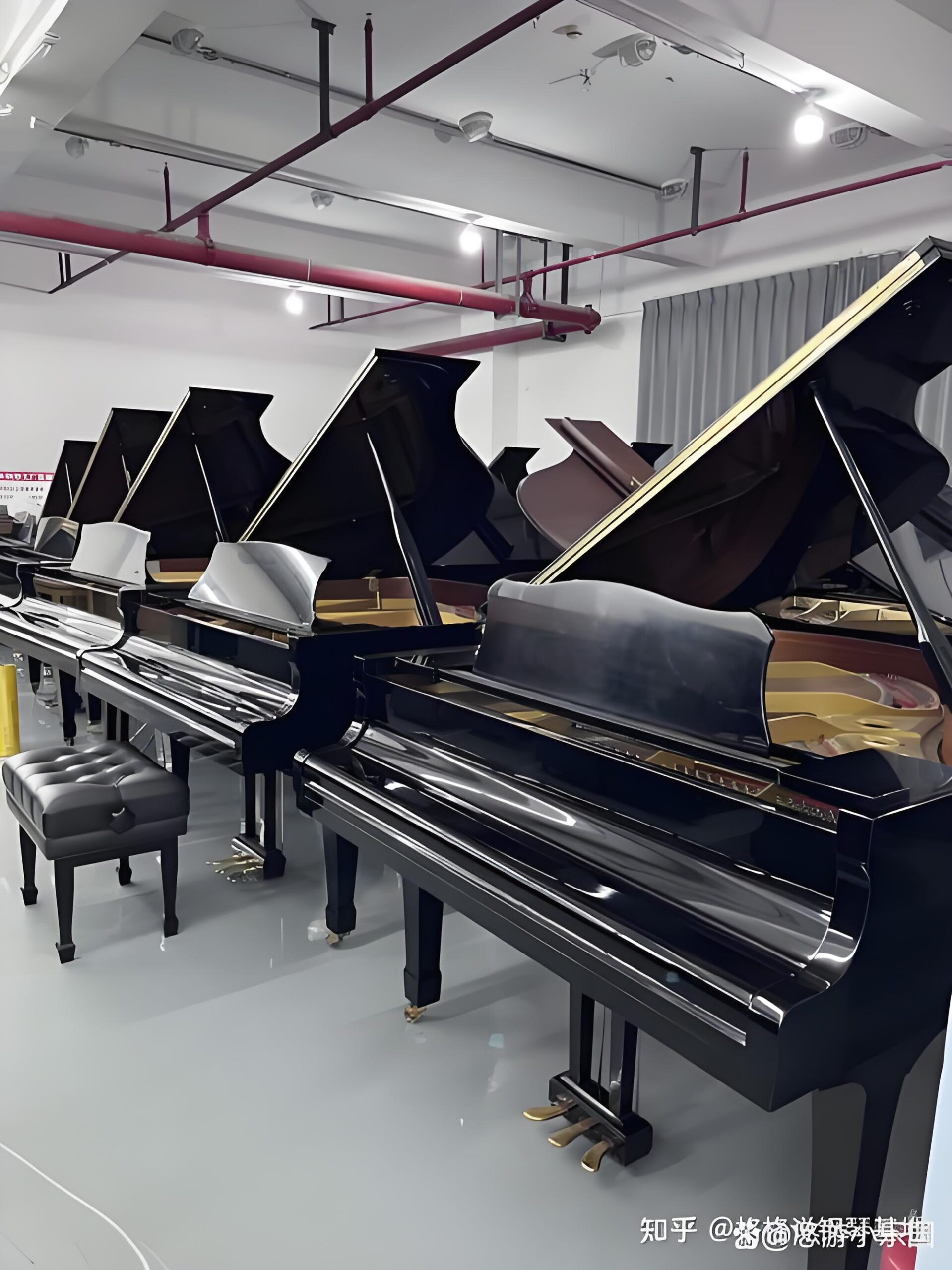
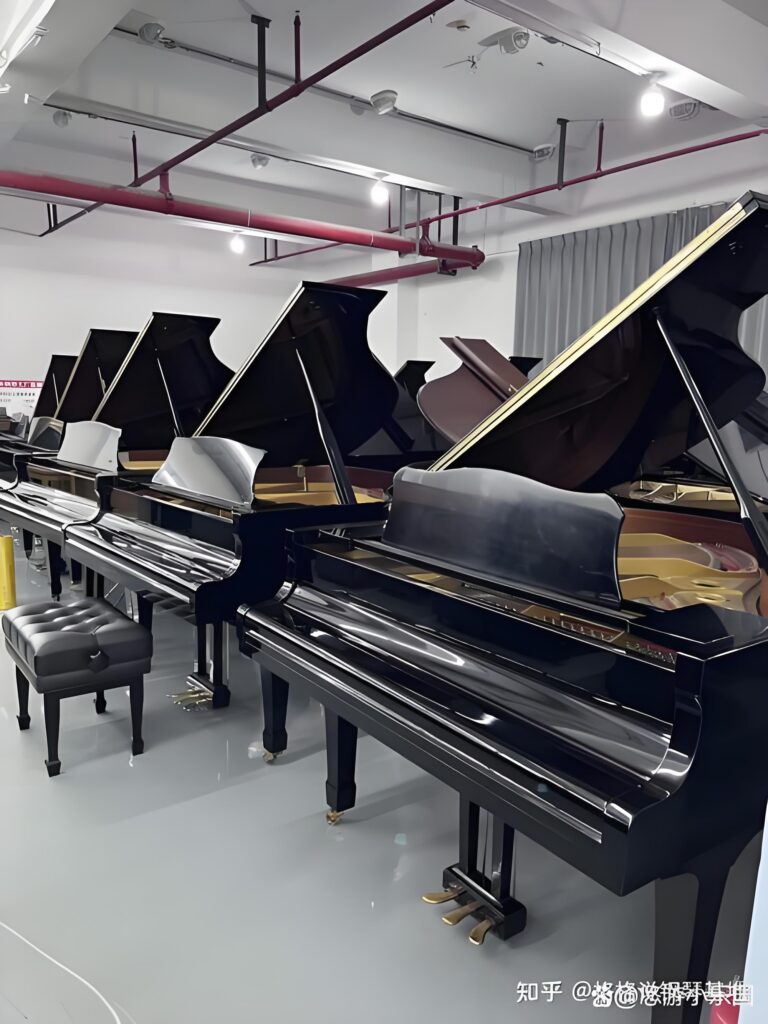
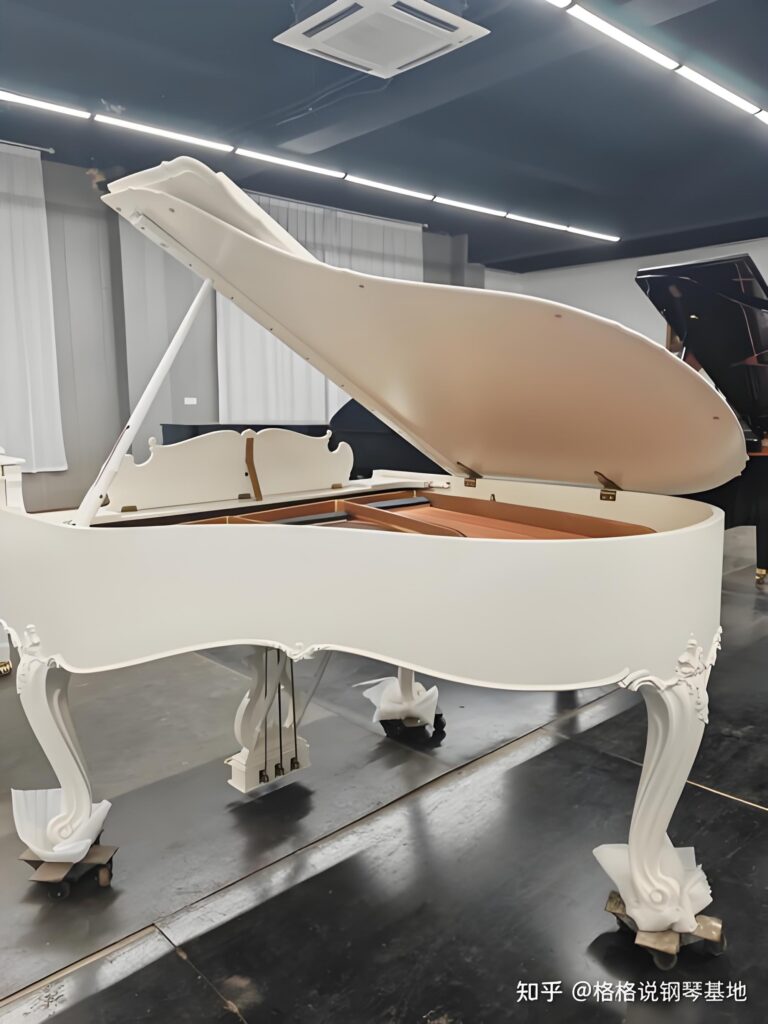
| Finishes | Polished Ebony (most common), Polished White, Satin Mahogany, Walnut, and various exotic veneers. |
Purchase guide
Price Guide
- New Price: Ranges from £15,000 for an entry-level baby grand to £150,000+ for a premium concert grand from a legendary maker.
- Certified Pre-Owned Price: Typically 30-50% less than a comparable new model, offering access to higher-tier instruments. A 20-year-old Steinway Model M might be £35,000-£45,000.
Where to Buy
1. Authorised Brand Dealers: For new instruments, expert preparation, and full manufacturer warranty.
2. Specialist Piano Houses/Re-builders: For pre-owned, restored, or vintage instruments. They offer deep expertise.
3. Major Retailers: Companies like Thomann provide a streamlined purchasing process for new Yamaha and Kawai grands, with benefits like free European delivery, a 3-year warranty, and finance options.
Annual Maintenance Cost
Budget approximately £300-£600 per year. This includes:
- Two tunings: £160-£300
- Basic service/check-up.
- Additional: Voicing/Regulation every 3-5 years: £500-£1,500.
What to Check Before Buying
- Condition of Soundboard: Look for cracks (small crown cracks can be stable, long radial cracks are serious). Tap it lightly—it should resonate.
- Action Regulation: Play every key softly and loudly. The touch should be even, with no sticking keys or inconsistent escapement.
- Pin Block Condition: Check the tuning pins. They should be tight and not lean in one direction, indicating a worn pin block.
- String & Hammer Condition: Strings should be bright, not rusty. Hammers should have deep, clean grooves, not flattened to the string.
- Case & Finish: Cosmetic issues are less critical but affect value. Check for veneer chips or cracks in the polyester finish.